
Armyworms in the lawn
Moth larvae that eat grass blades around the clock and can strip a lawn in a few days. Largely a Southern pest, especially on bermudagrass — and a fall regular on Florida St. Augustine.
What to look for
Small brown patches with chewed blade edges that spread fast; green-to-brown, nearly hairless caterpillars up to 2 inches long with stripes down the body, most active early morning and evening.
The plan, step by step
- 1
Time it
Apply in the early morning or late evening when the caterpillars are feeding.
- 2
Treat the turf
Broadcast Hi-Yield Bug Blaster II Granules and water in, or spray a labeled insecticide over the whole affected area plus a buffer.
- 3
Gardens and edibles
Use Ferti-lome Spinosad or Spinosad Soap, or the Bt-based Caterpillar Killer, where they move into vegetables.
What we stock for this
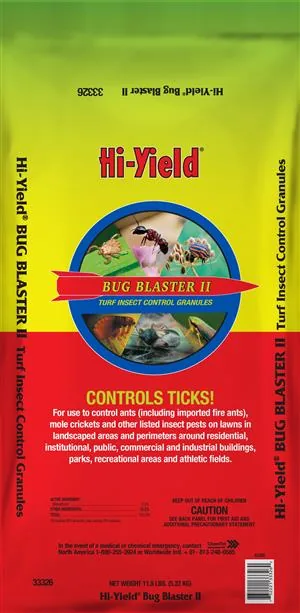
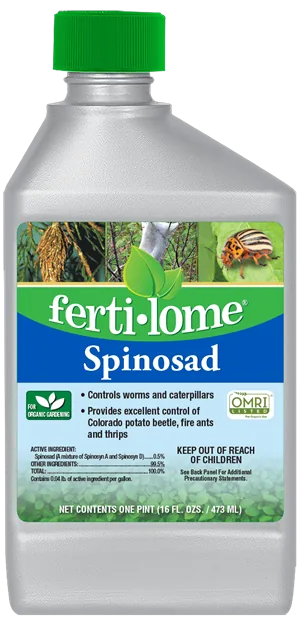
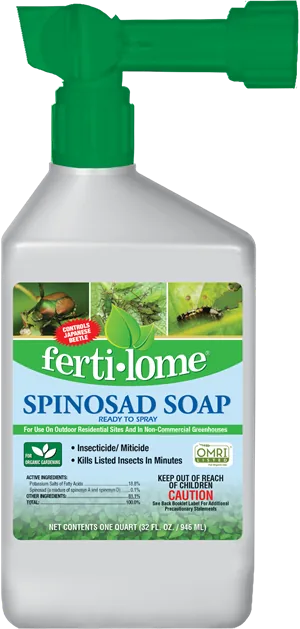
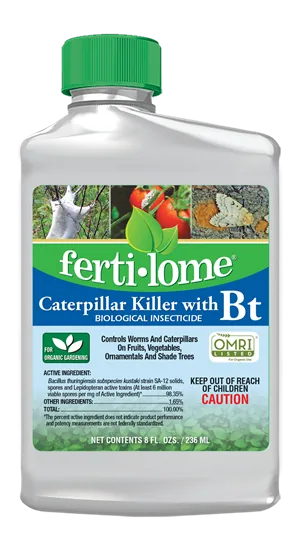

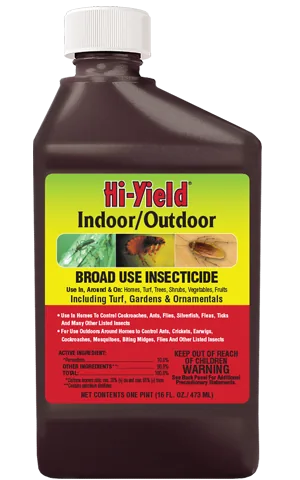
Also recommended by VPG — ask us to order
- Hi-Yield 38 Plus Turf, Termite & Ornamental
- Hi-Yield Bug Blaster II Bifenthrin 2.4
- Ferti-lome Broad Spectrum Insecticide
More insects
All problemsAphids
Small, soft, pear-shaped sap feeders in green, yellow, red, gray or black. They can go from newborn to breeding in about 8 days, so a few become a colony fast.
7 products in stock: Triple Action, Triple Action Plus RTU, Tree & Shrub Drench…How to fix itChinch bugs
Rice-grain-sized bugs that suck the sap out of grass until it withers. In the South they prefer St. Augustine, and there can be three or more generations a year.
6 products in stock: Turf Ranger II, Grub Free Zone III, Grub Free Zone…How to fix itImported fire ants
An accidental import from South America that is now a nuisance and medical pest across the South. Control works when you combine methods and rotate chemistry.
5 products in stock: Turf Ranger II, Bug Blaster II Granules, Fire Ant Control Granules…How to fix it