
Raised bed gardening
Higher yields, a longer season and better drainage — but it all starts with the soil you fill it with.
When to use this
New or existing raised beds.
The plan, step by step
- 1
Fill
A quality raised-bed mix or organic garden soil, not native dirt.
- 2
Feed
Fish Emulsion and Blooming & Rooting for transplants, then a vegetable food through the season.
- 3
Protect
Triple Action for insects and fungus; Over-The-Top II for grass that creeps in.
What we stock for this
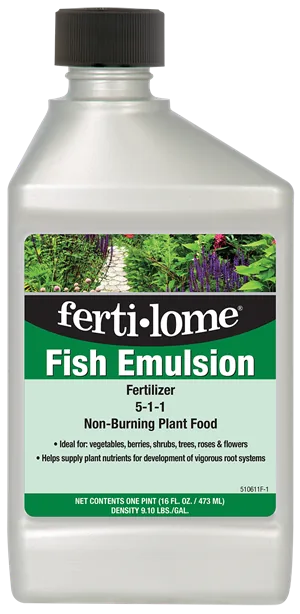
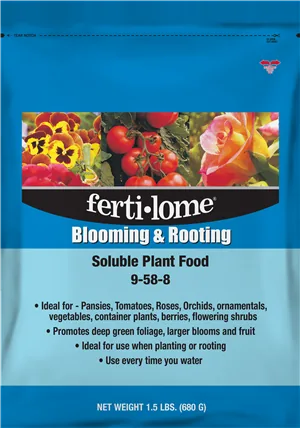
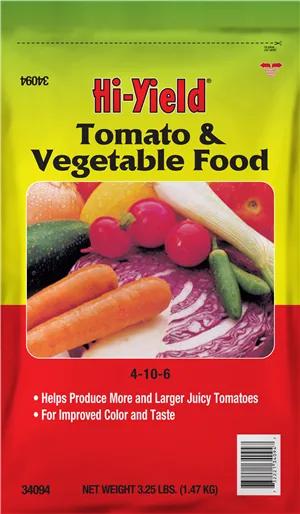
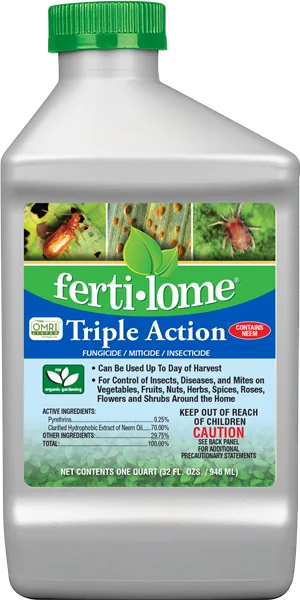
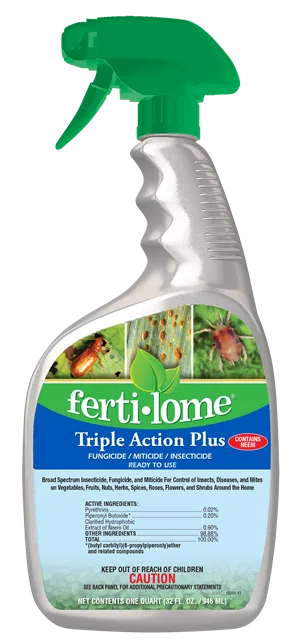
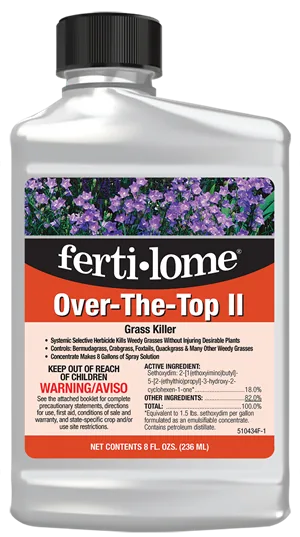
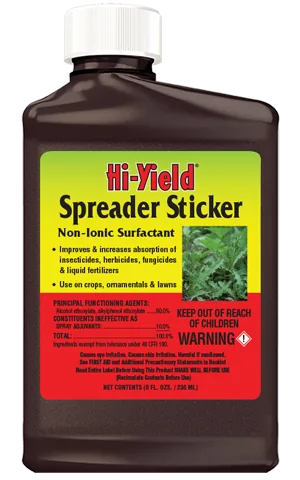
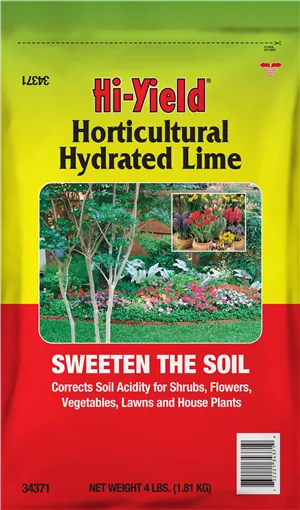
Also recommended by VPG — ask us to order
- Ferti-lome Organic Raised Bed Mix
- Natural Guard Organic Garden Soil
More garden & plant care
All problemsBringing houseplants inside
Plants that summered outdoors carry hitchhikers in. Treat them before they come back inside.
10 products in stock: Triple Action, Triple Action Plus RTU, Systemic Insecticide Granules…How to fix itBlossom end rot
Not a disease: the bottom of the fruit breaks down because calcium is not reaching it. Usually the soil has calcium — uneven watering, root damage or too much ammonium nitrogen blocks the uptake. Tomatoes, peppers, squash, watermelon and eggplant are all affected.
2 products in stock: Ammonium Calcium Nitrate, Tomato & Vegetable Food 4-10-6How to fix itFeeding annual flowers
Annuals are heavy feeders — the goal is the biggest plants and the most blooms in one season. Root them in, then feed often.
4 products in stock: Root Stimulator & Plant Starter Solution 4-10-3, Premium Bedding Plant Food 7-22-8, Blooming & Rooting Soluble Plant Food 9-58-8…How to fix it