
Antenna, Coax & Grounding Supplies
Cutting the cord, putting up an OTA antenna, or grounding a ham tower. Coax, connectors, splitters, ground rods and clamps — and in the lightning capital of the United States, the grounding half is not optional.
Short answer
Two things decide whether an antenna install works and survives. Use RG6, not RG59 — RG59 is thinner, loses far more signal at UHF, and is the reason a lot of older house wiring under-performs; quad-shield RG6 is worth it for long runs and anywhere near electrical noise. And ground it properly, which in Florida is the part that matters most: this state leads the country in lightning strikes, and the National Electrical Code requires the coax shield to be bonded to the building grounding system with a ground block, and the mast bonded too. That bond is not about a direct hit — it is about the far more common induced surge, and it protects everything downstream of the cable. Compression or crimp F-connectors with the correct tool, never twist-ons outdoors, because twist-ons let water in and water in coax kills the run.
The Antenna Install Kit
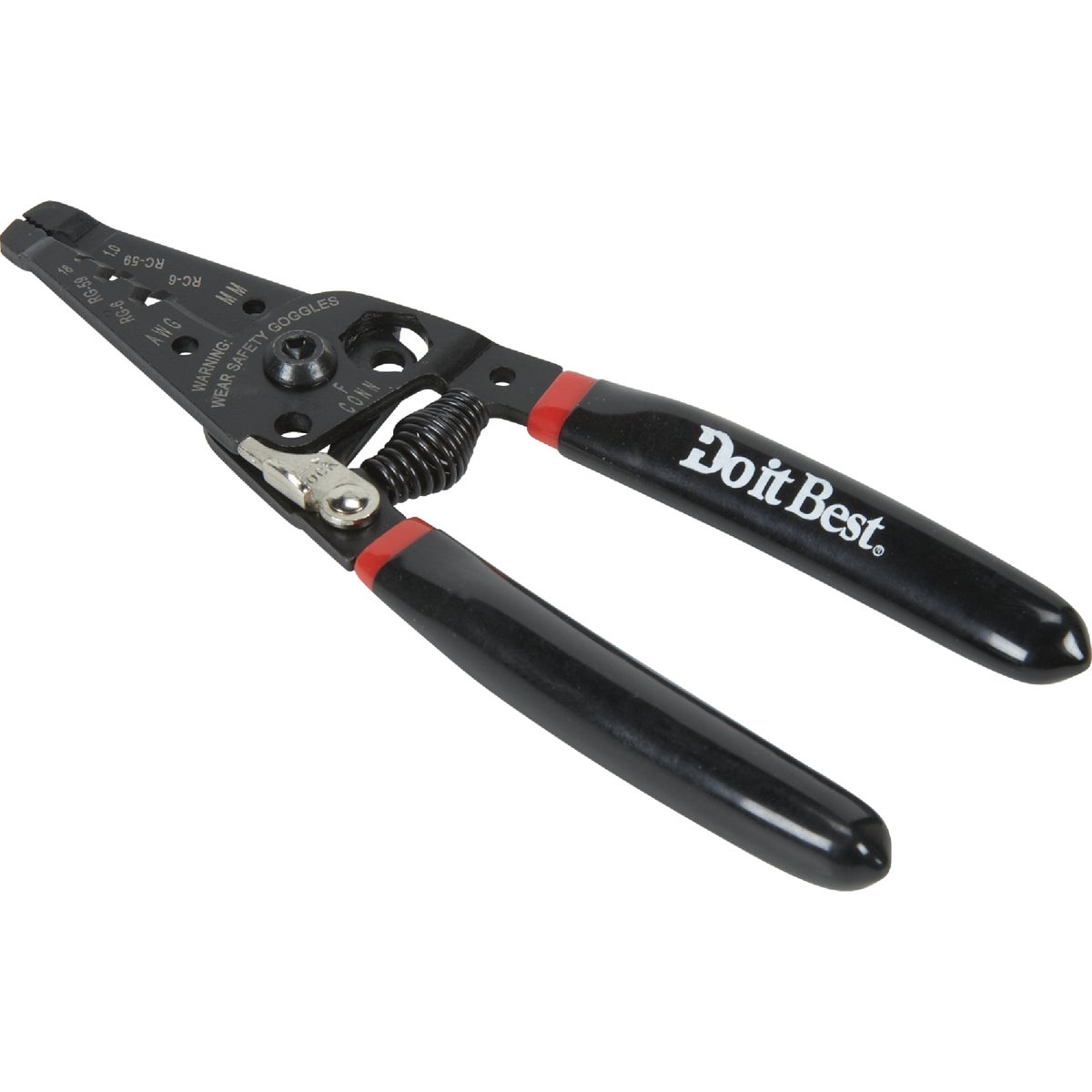
What a first OTA or ham install needs: the right cable, the right connectors and a tool that makes them properly, plus the grounding hardware that makes it legal and safe. These 7 items run about $129.43 all in.
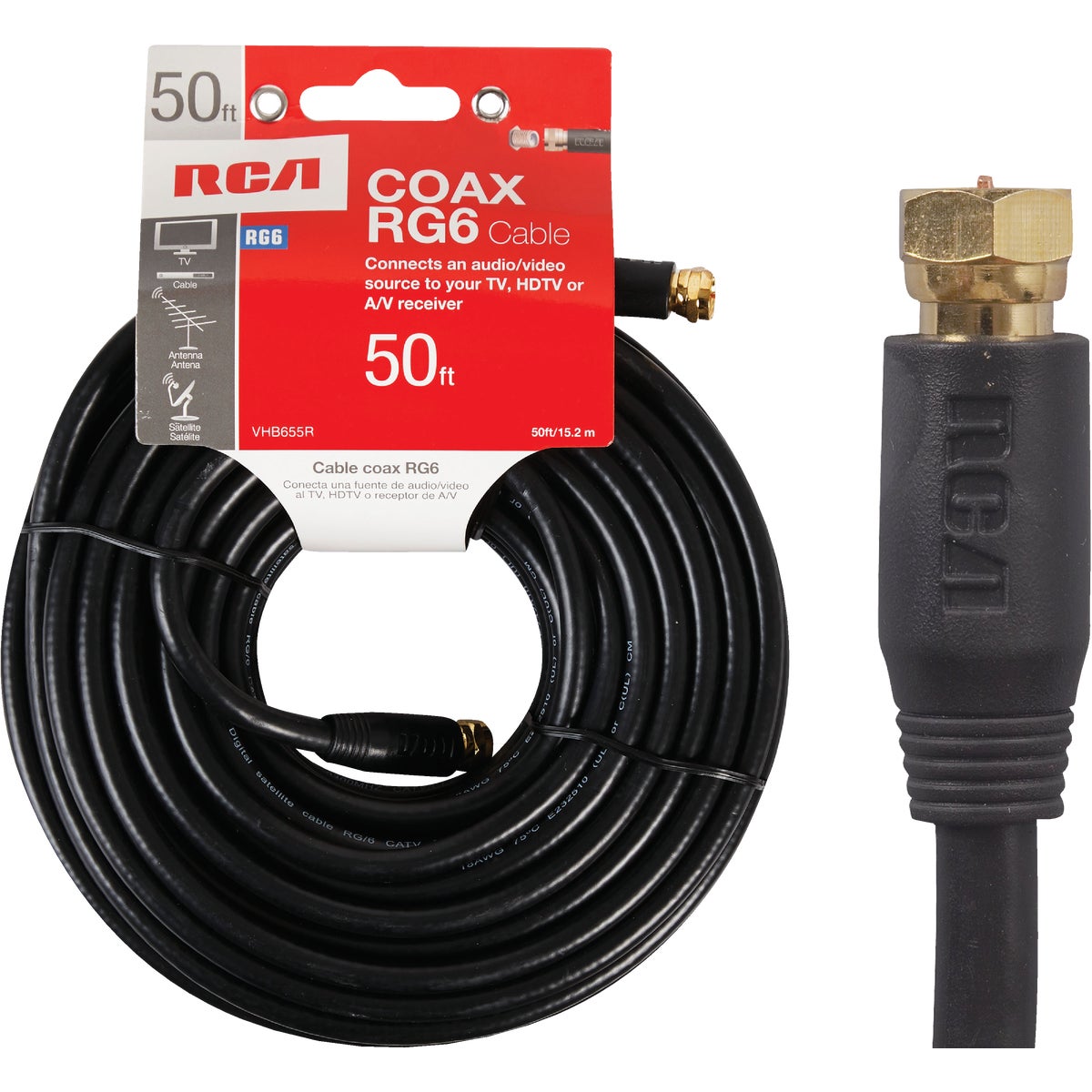
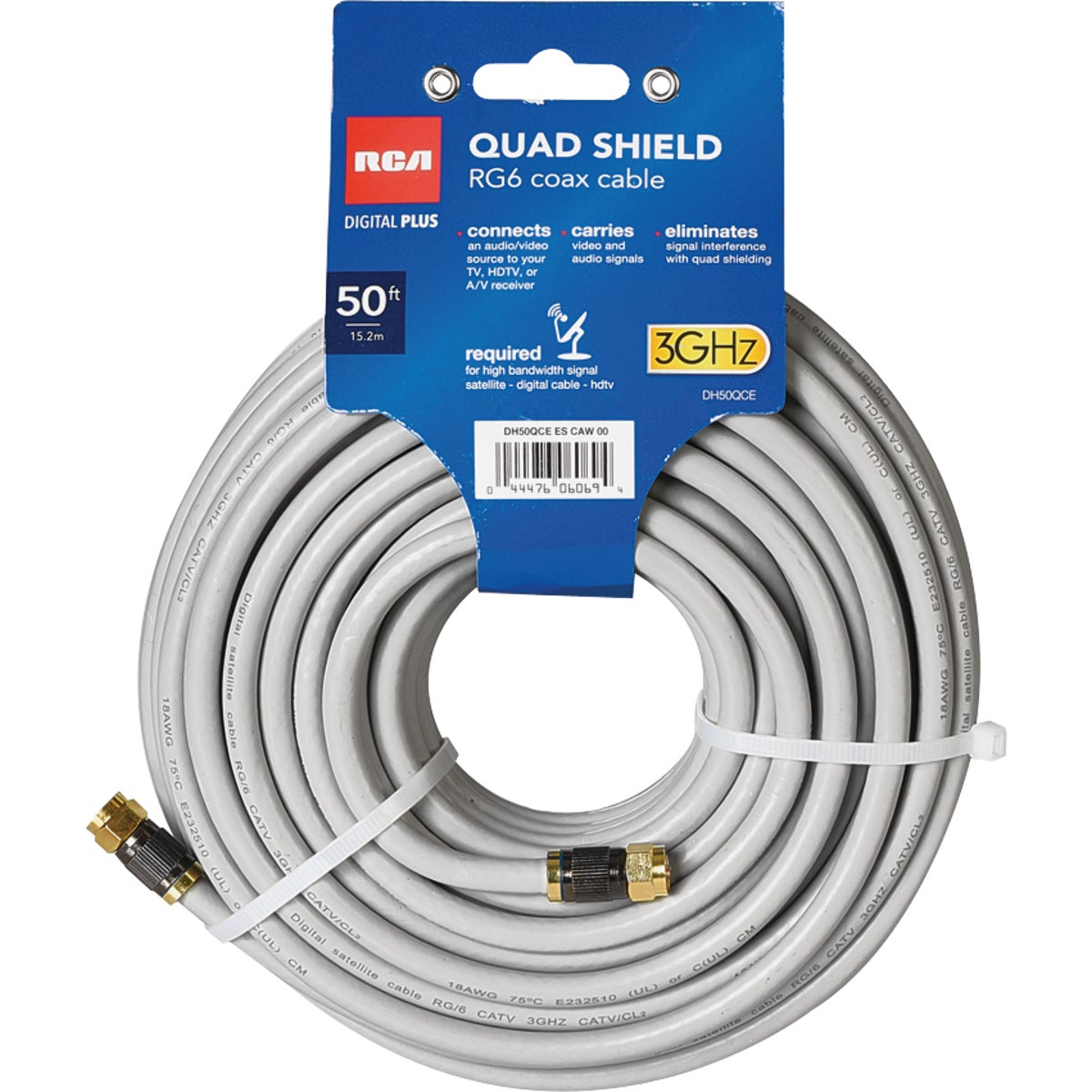
Coax Cable
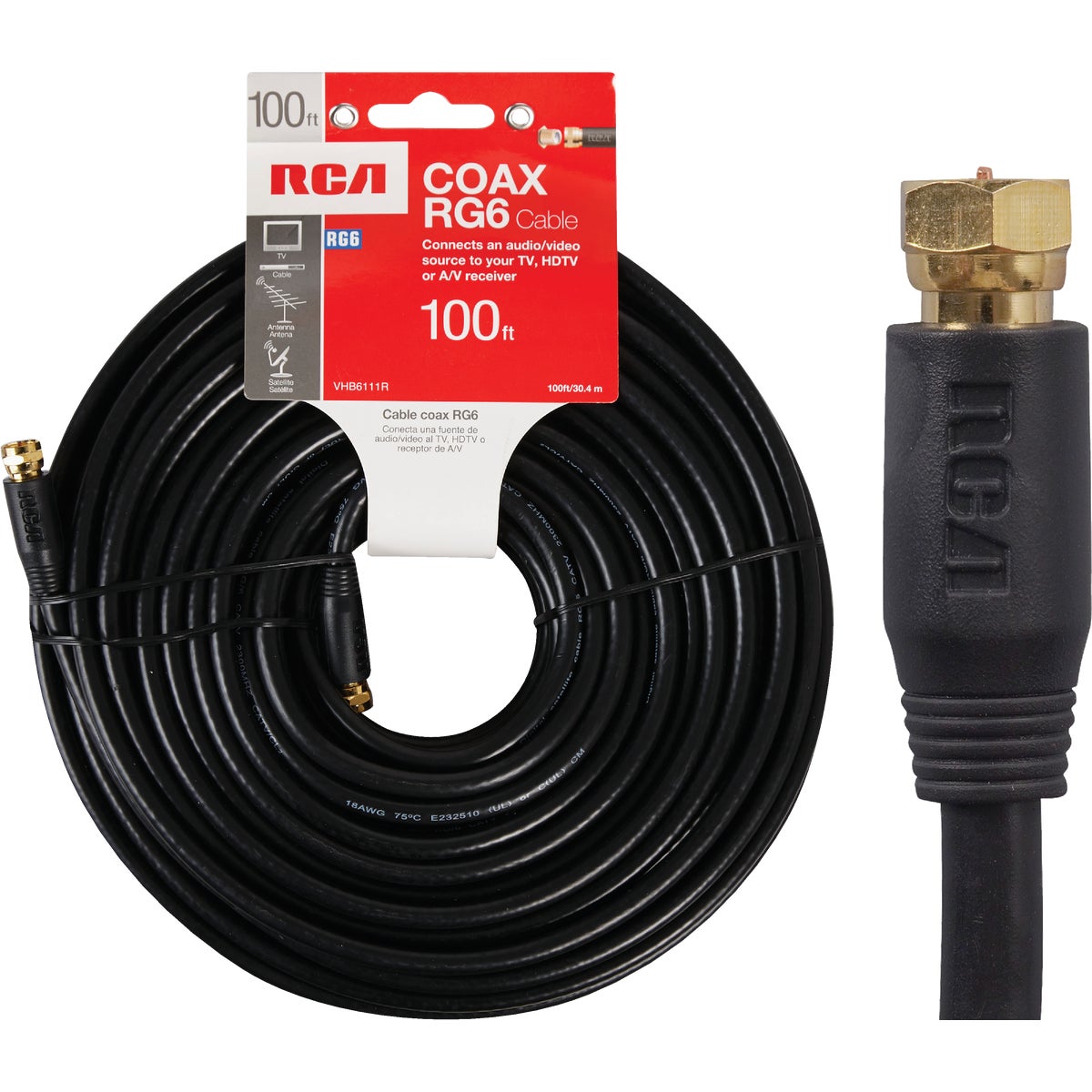
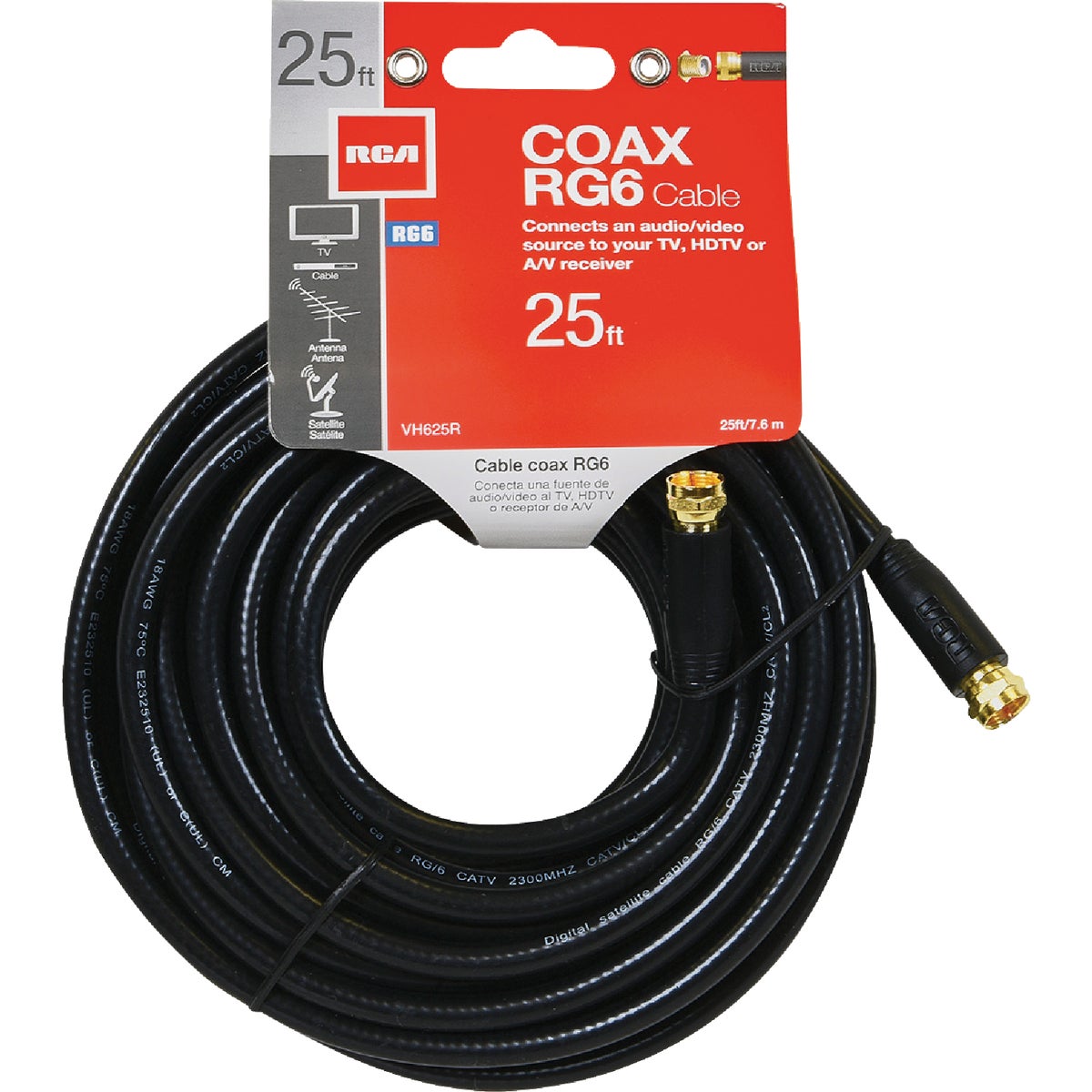
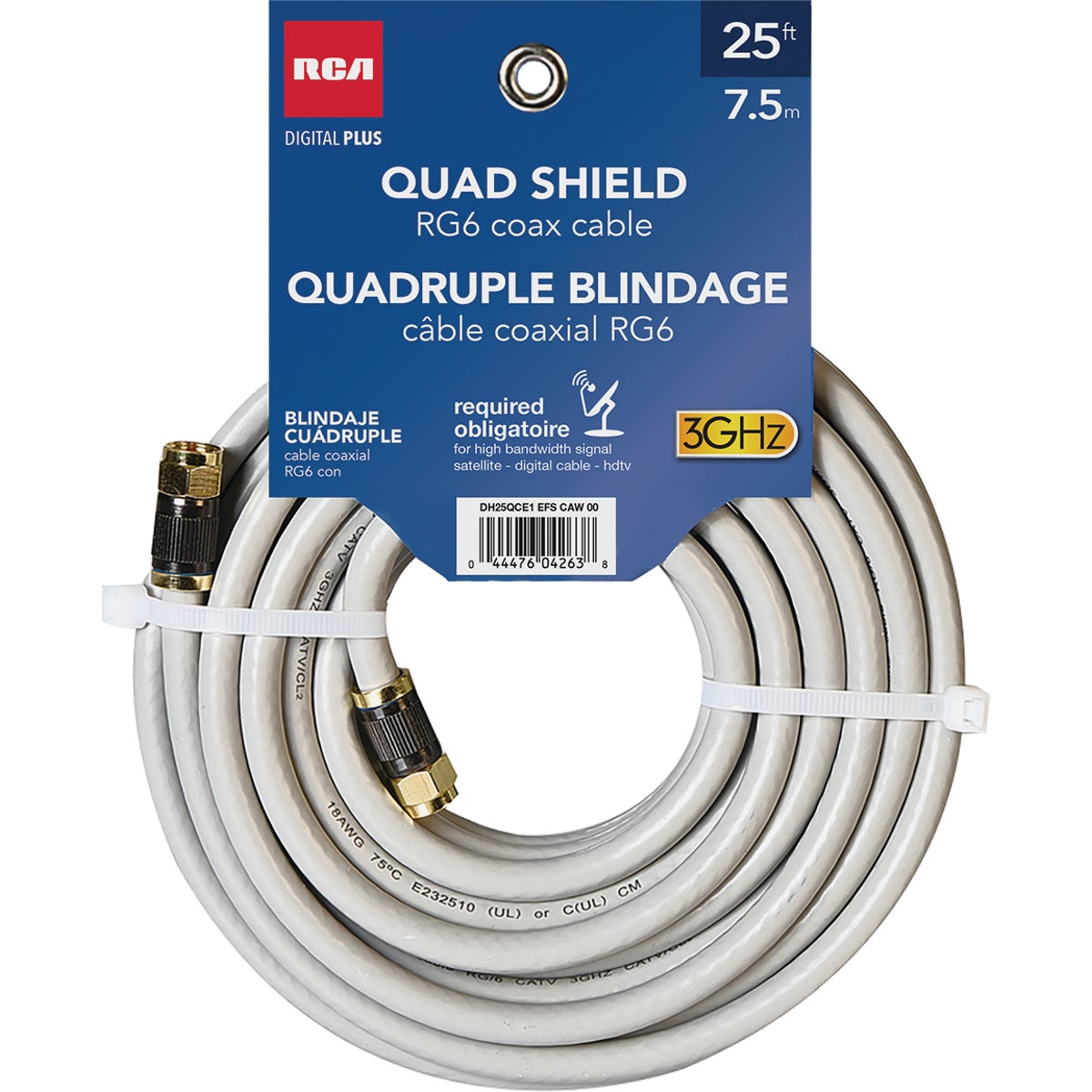
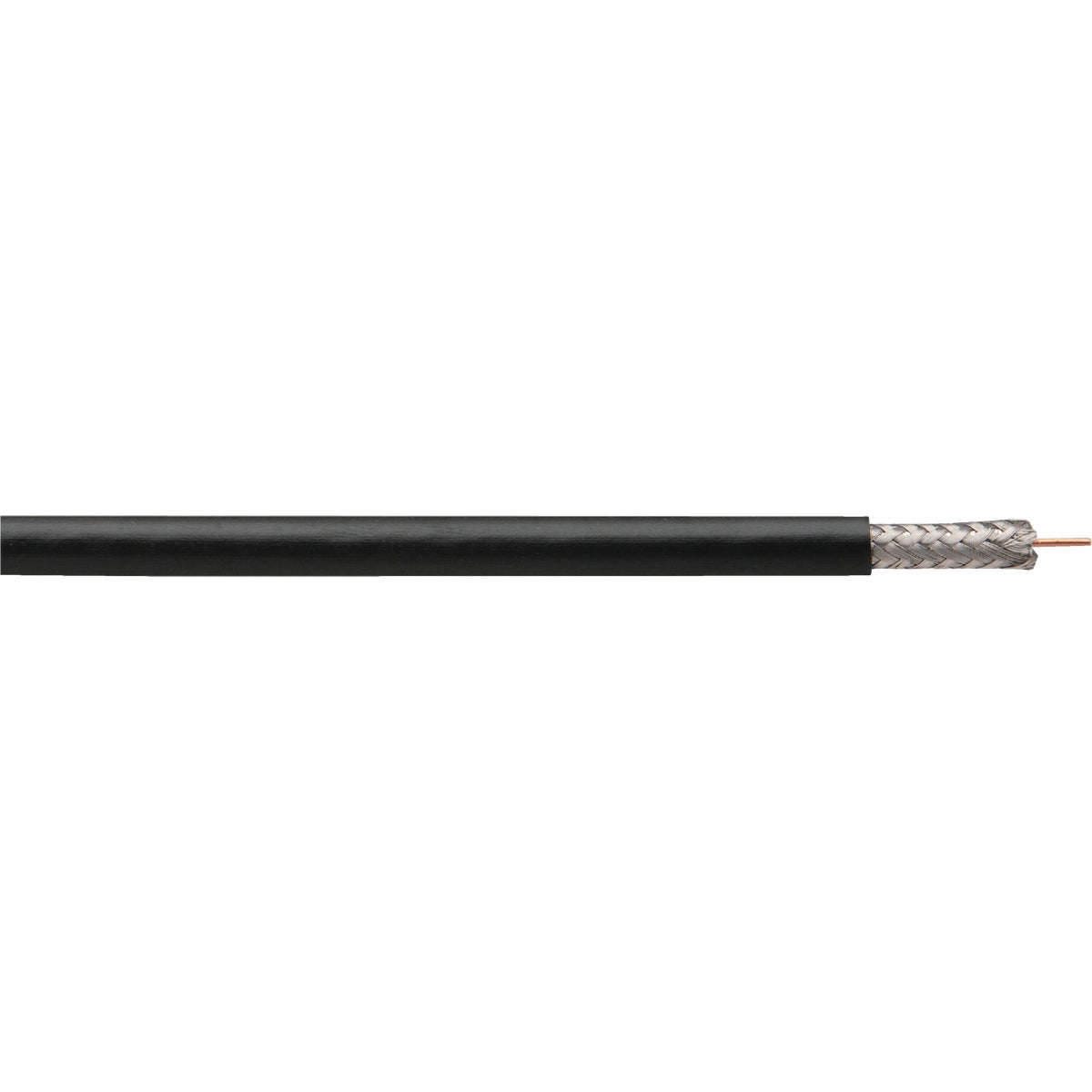
RG6 is the standard and RG59 is obsolete for anything above VHF — thinner conductor, worse shielding, and noticeably more loss at the UHF frequencies most over-the-air television now uses. Quad-shield adds two more layers of shielding and is worth the difference on long runs, on anything routed near power cable, or anywhere you are chasing intermittent pixelation.
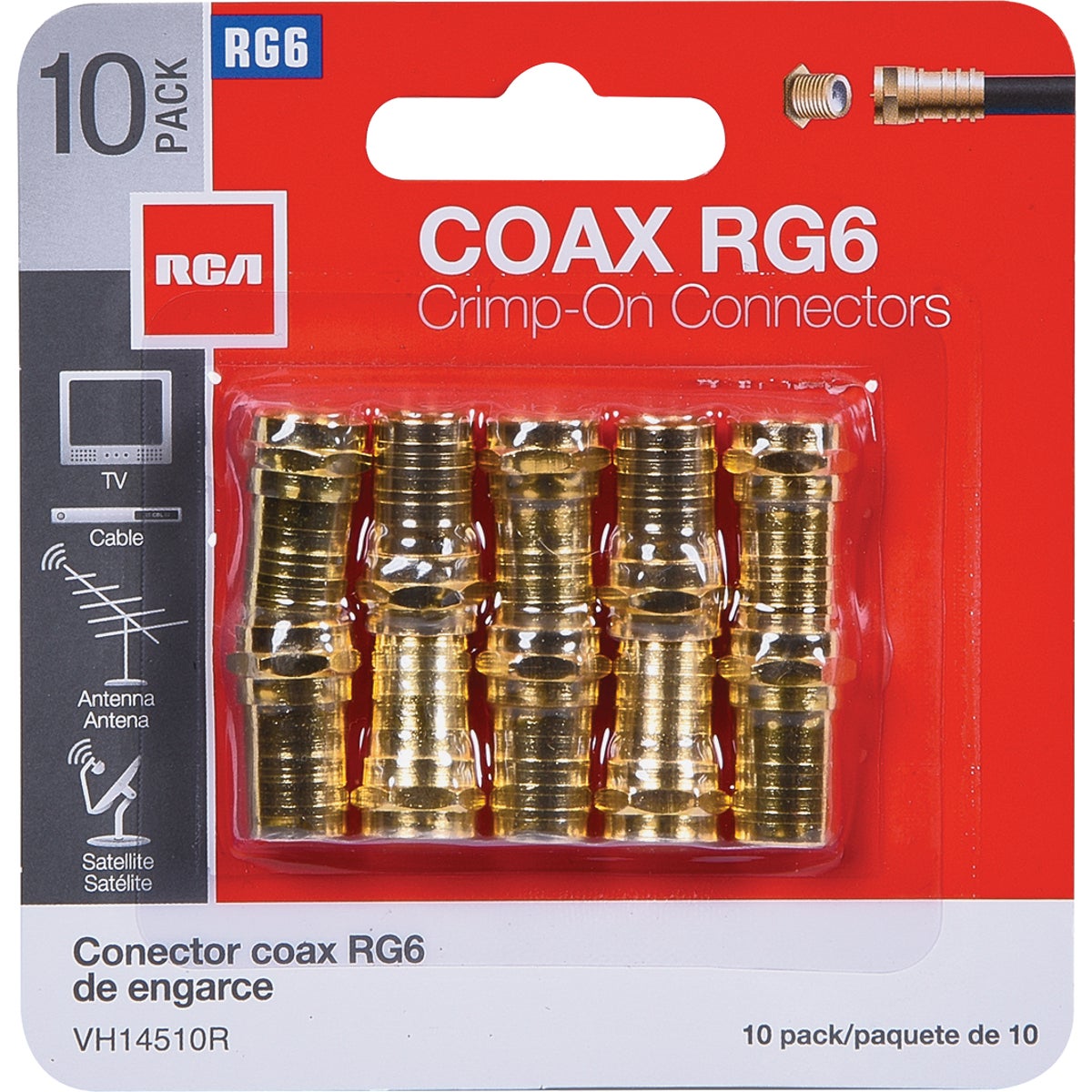
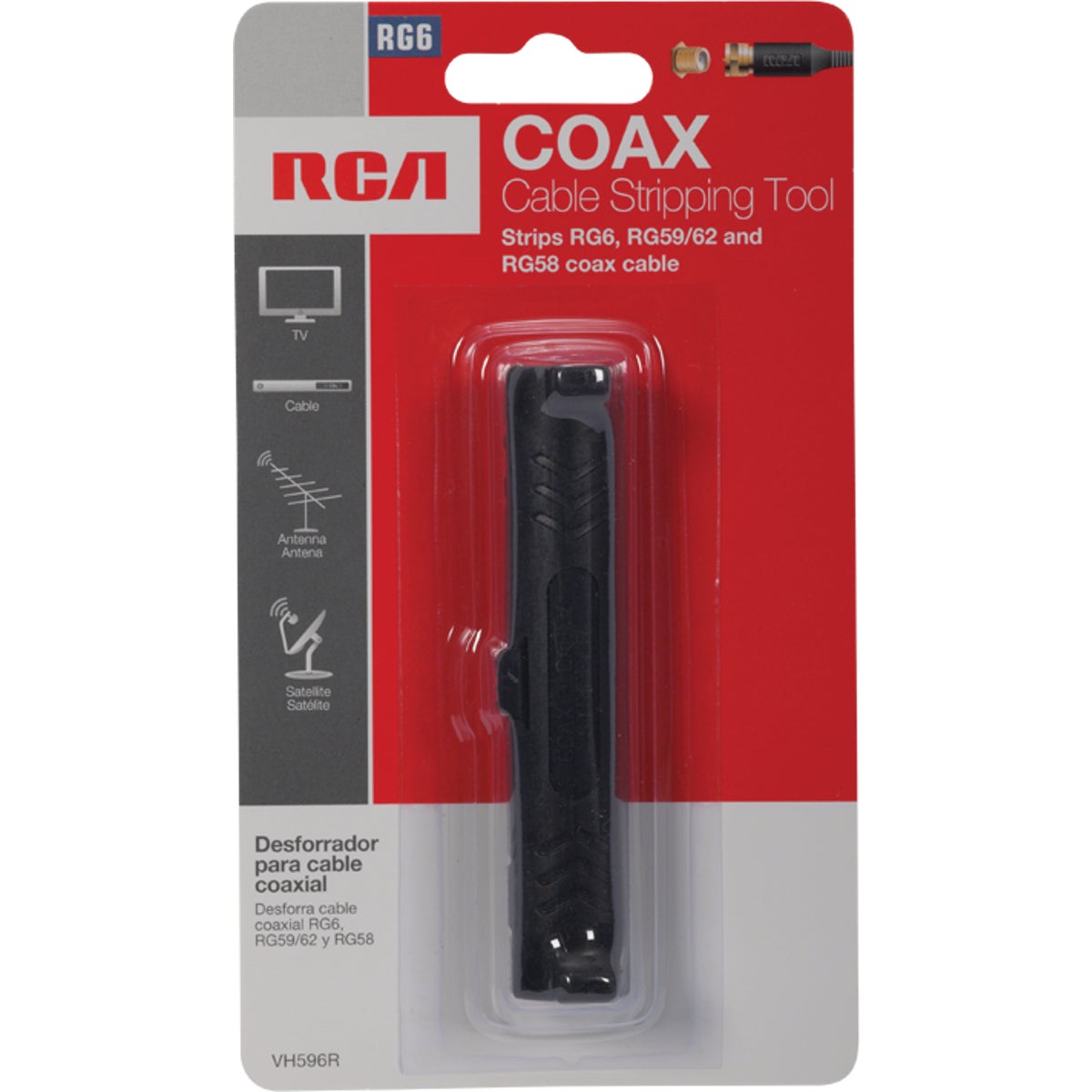
Connectors & Tools
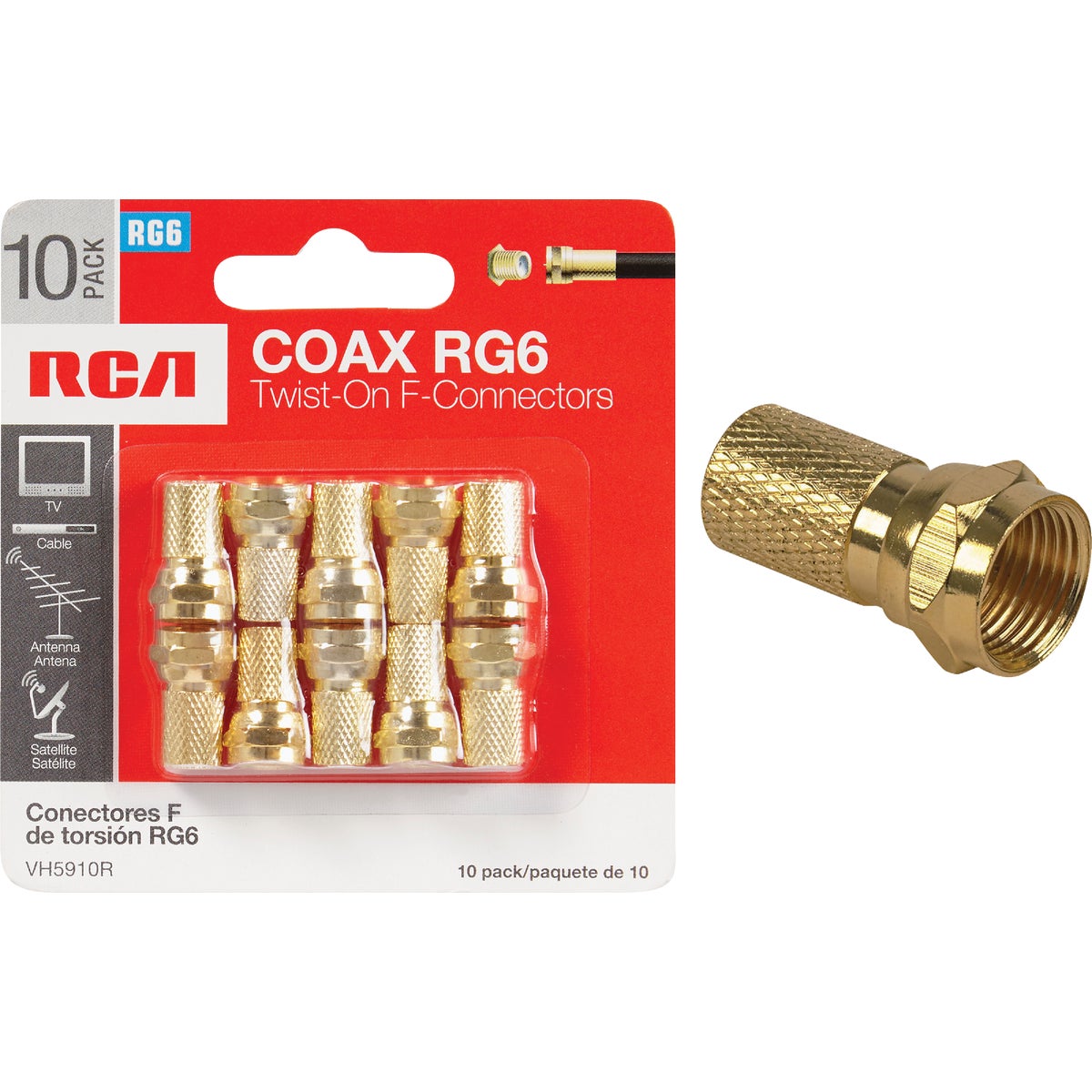
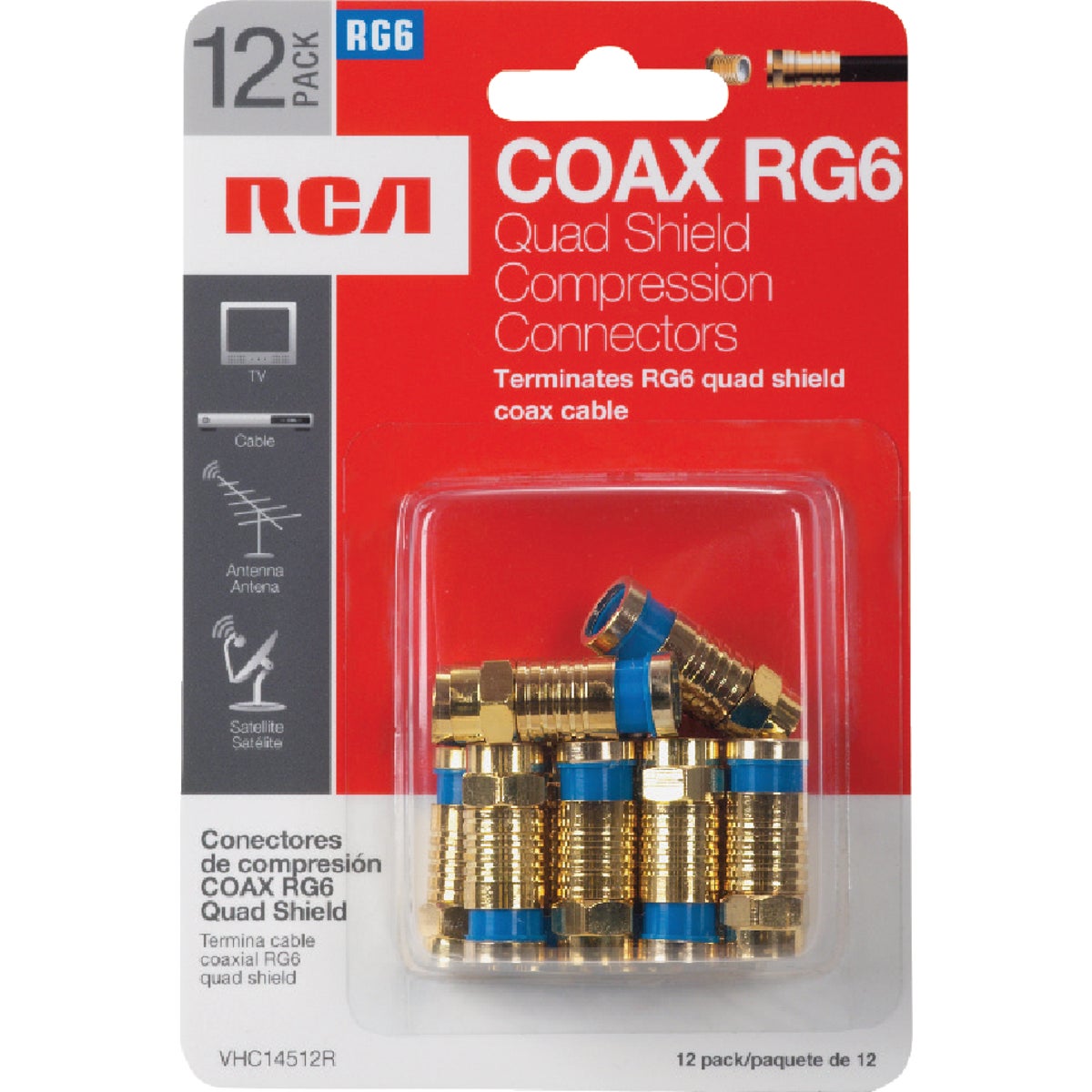
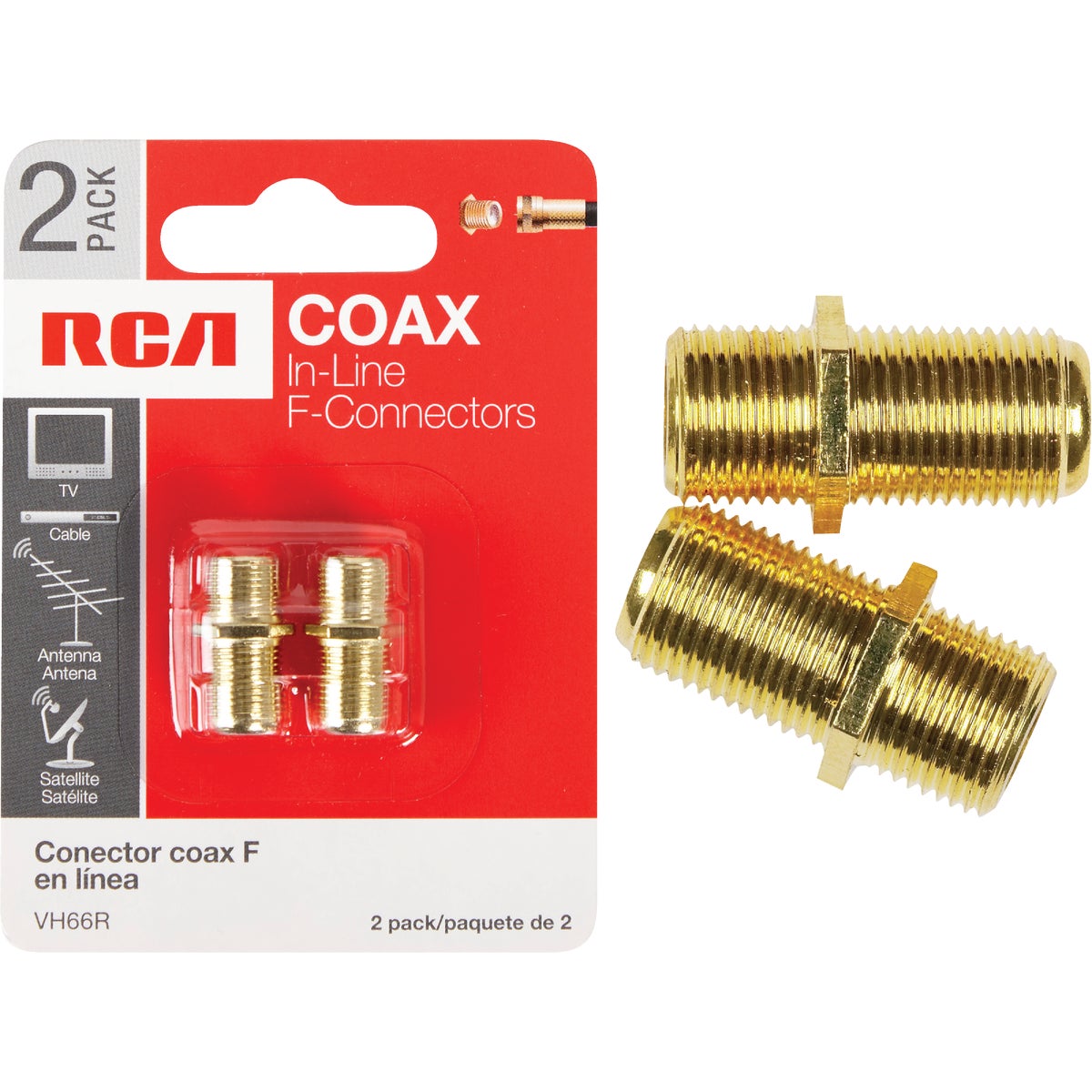
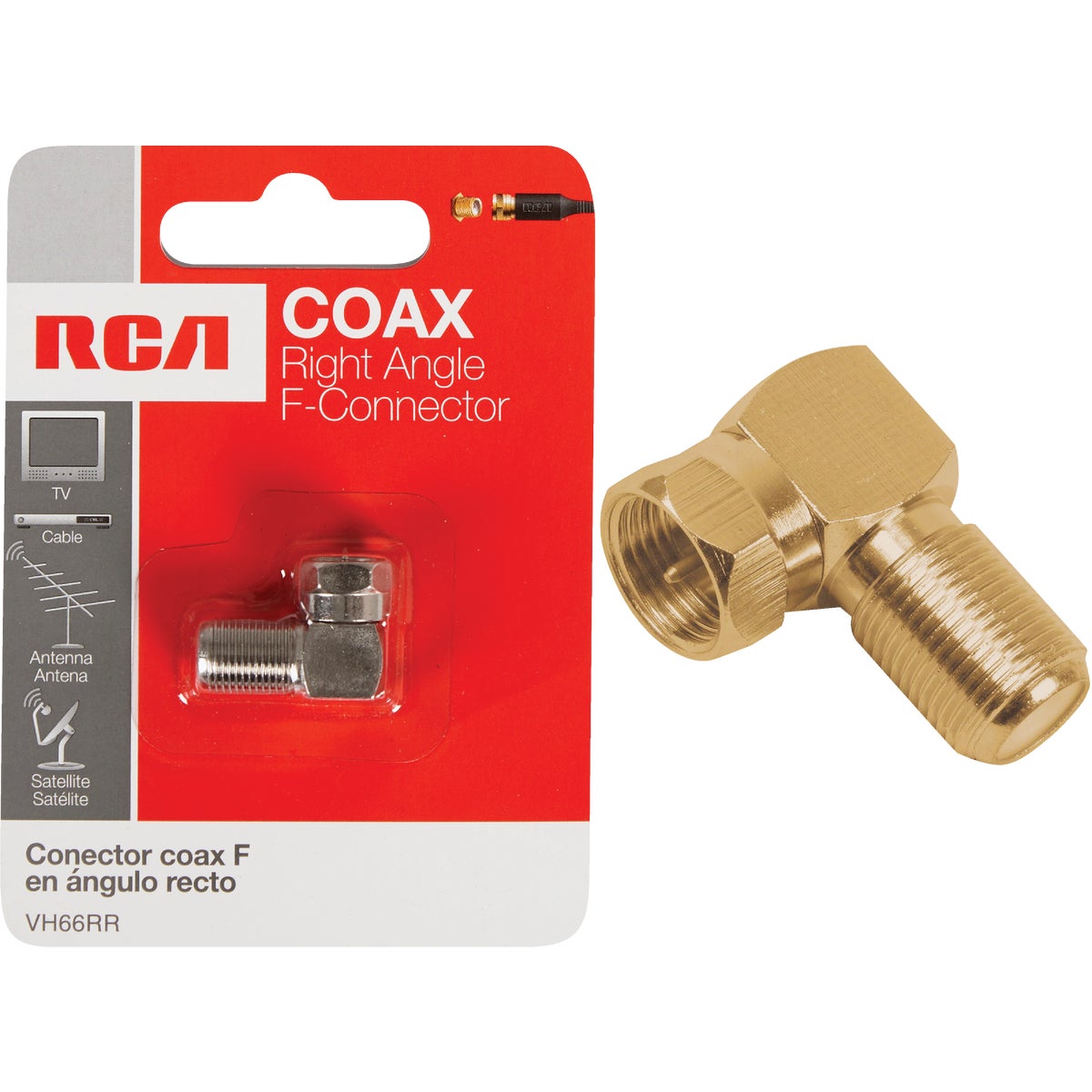
The connector is where installs fail. Twist-on F-connectors are convenient and they leak — moisture wicks into the dielectric, the run degrades over months, and you end up chasing a fault that started at the fitting. Use crimp or compression connectors made with the proper tool, and outdoors, weatherproof the joint on top of that.
Splitters & Distribution
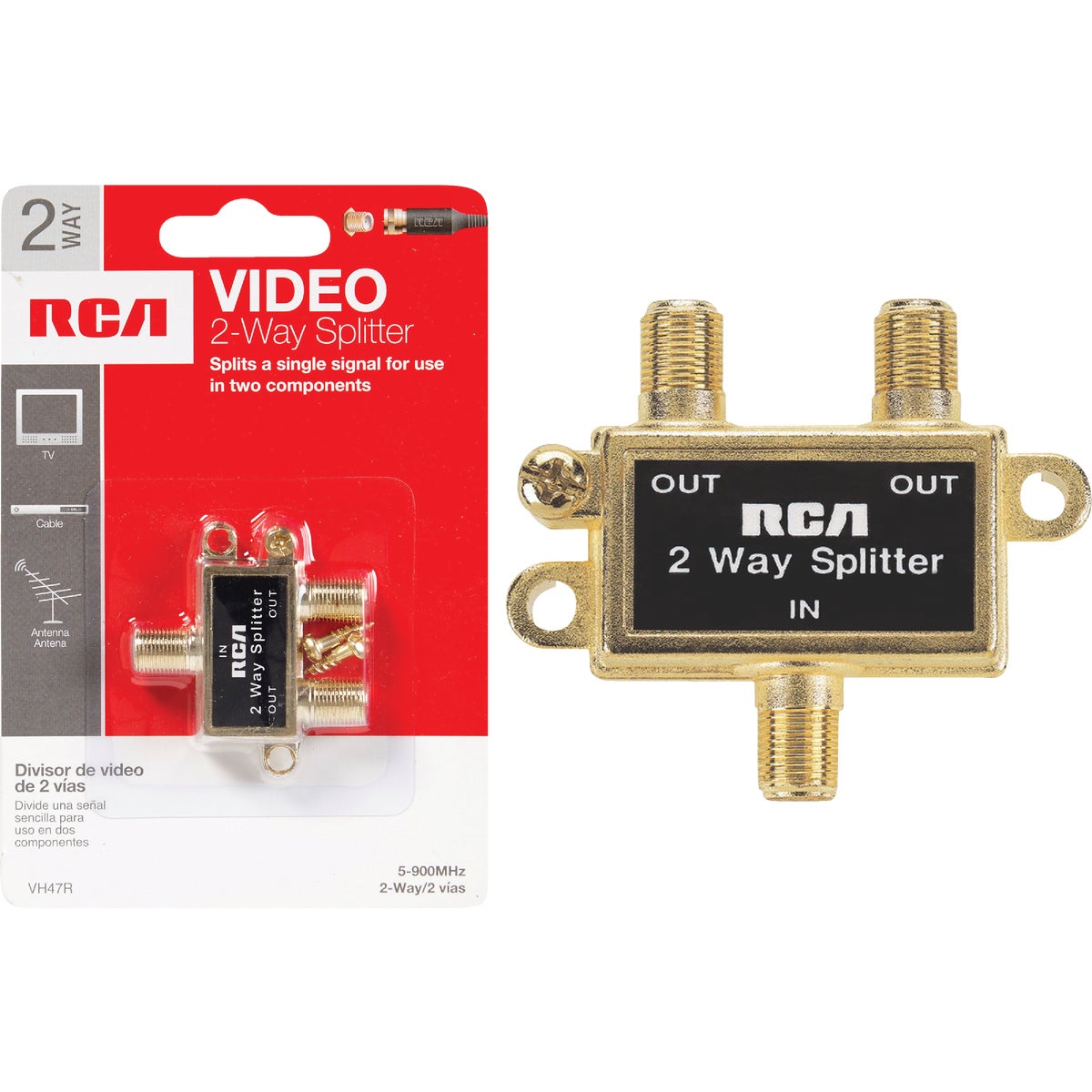
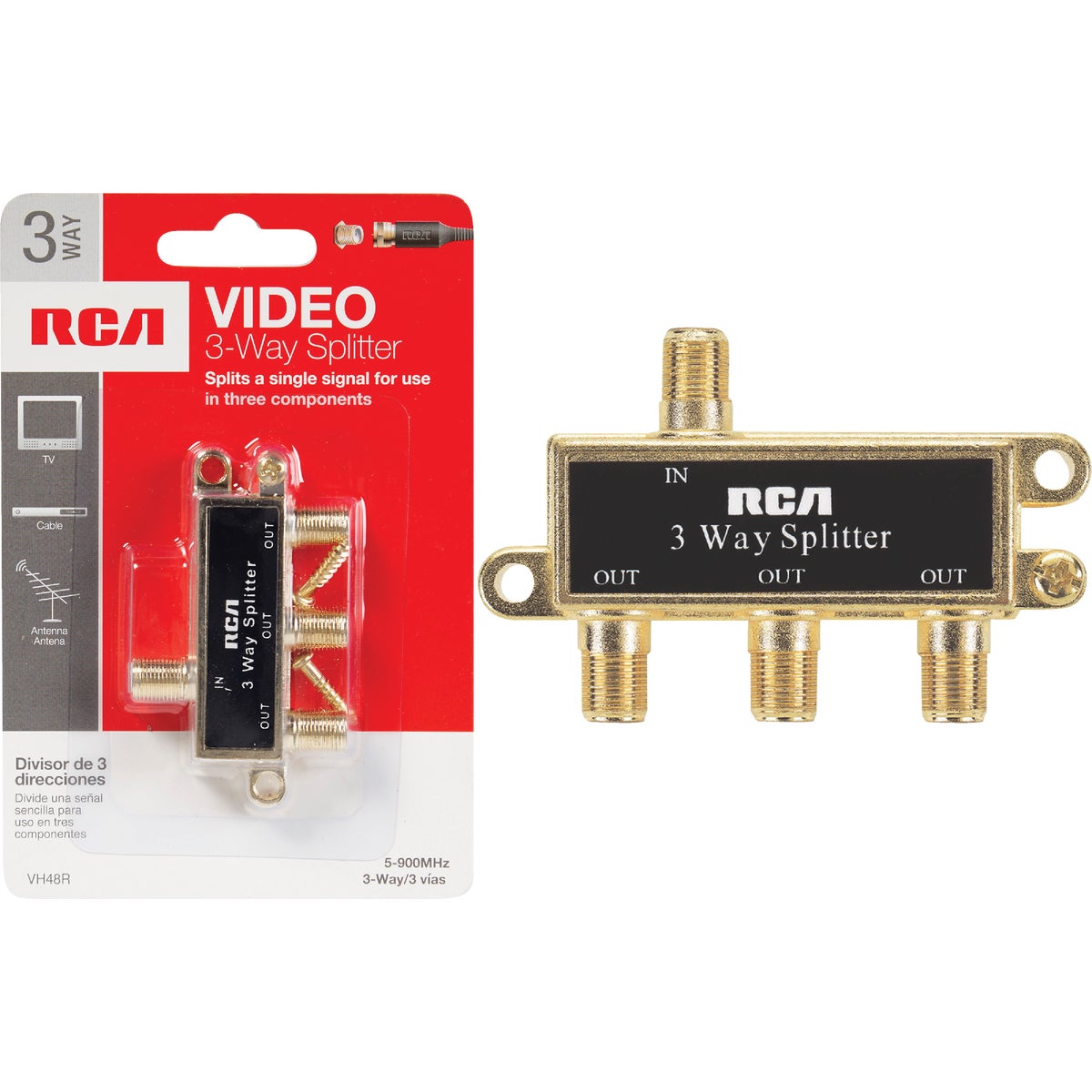
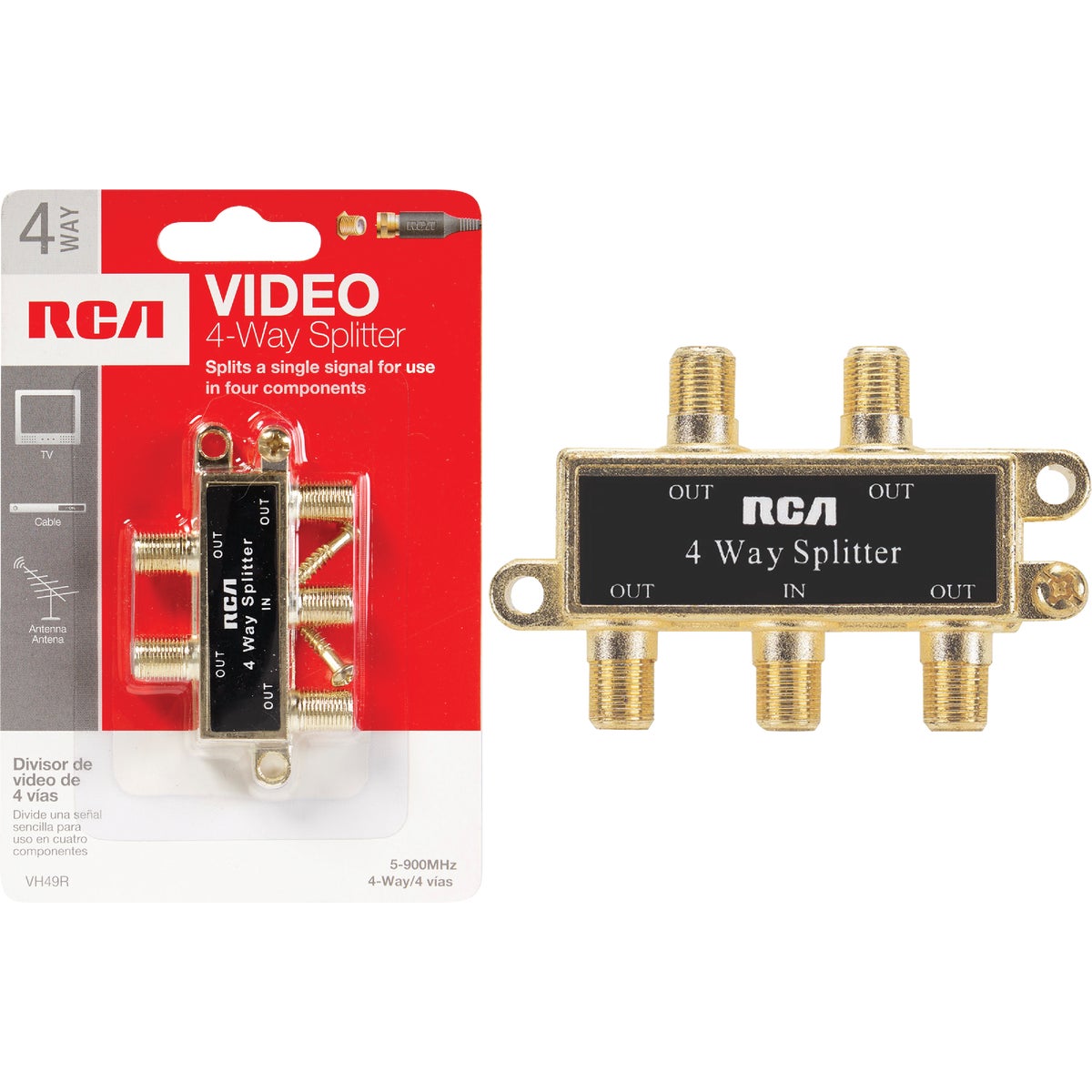
Every split costs signal — roughly 3.5 dB for a two-way, more as you add ports — and that loss is permanent. With an OTA antenna there is no headroom to spare, so use the smallest splitter that does the job, and put it as close to the sets as possible rather than at the antenna.
Grounding (Required, and Especially Here)
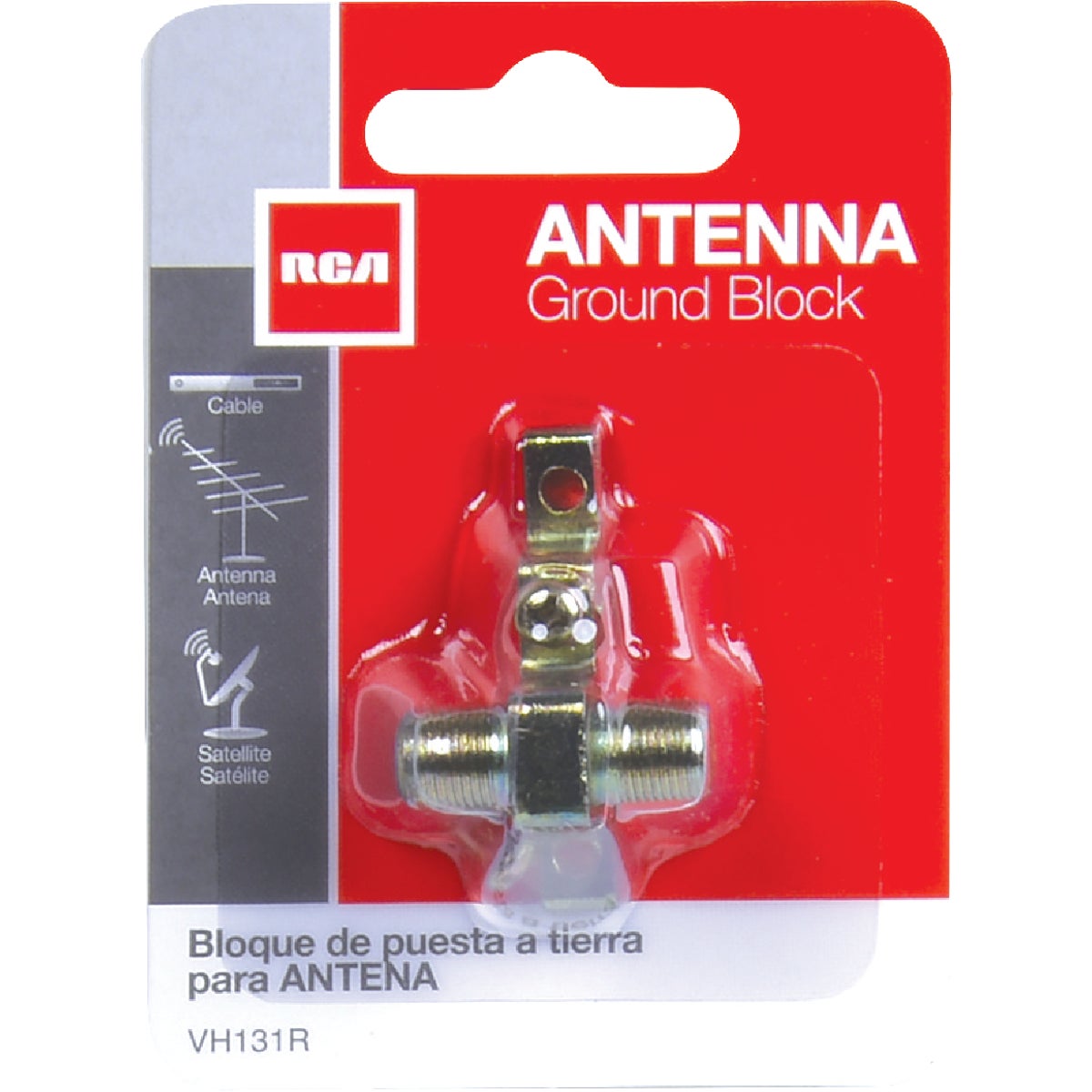
Florida has more lightning strikes per square mile than any other state, and Lee County is in the thick of it. The Code requires the coax shield to be bonded to the building grounding electrode system through a ground block, and the mast itself to be bonded as well. The realistic threat is not a direct hit but an induced surge from a nearby strike — and a proper bond is what gives that surge a path to earth instead of through your equipment.
Routing & Weatherproofing
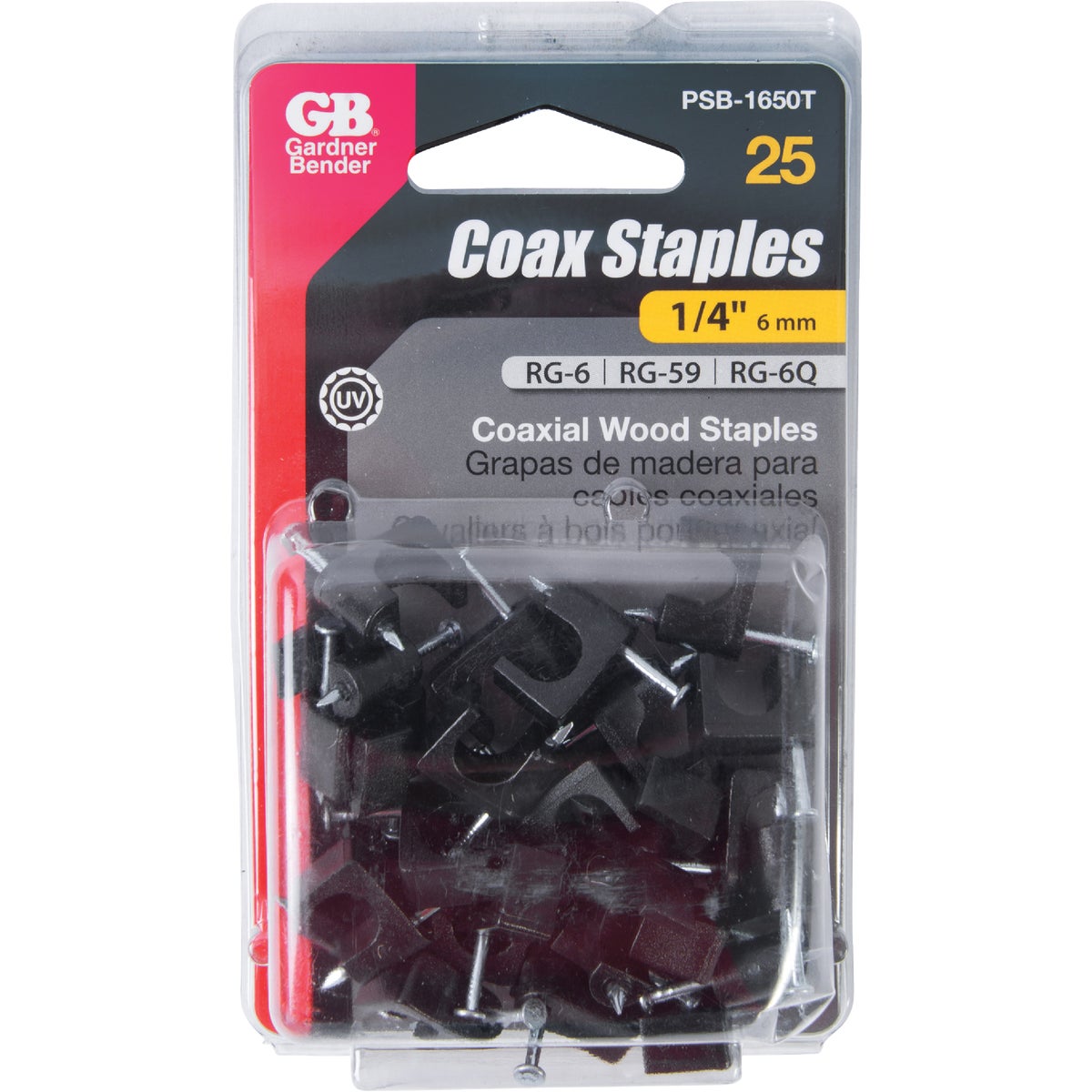
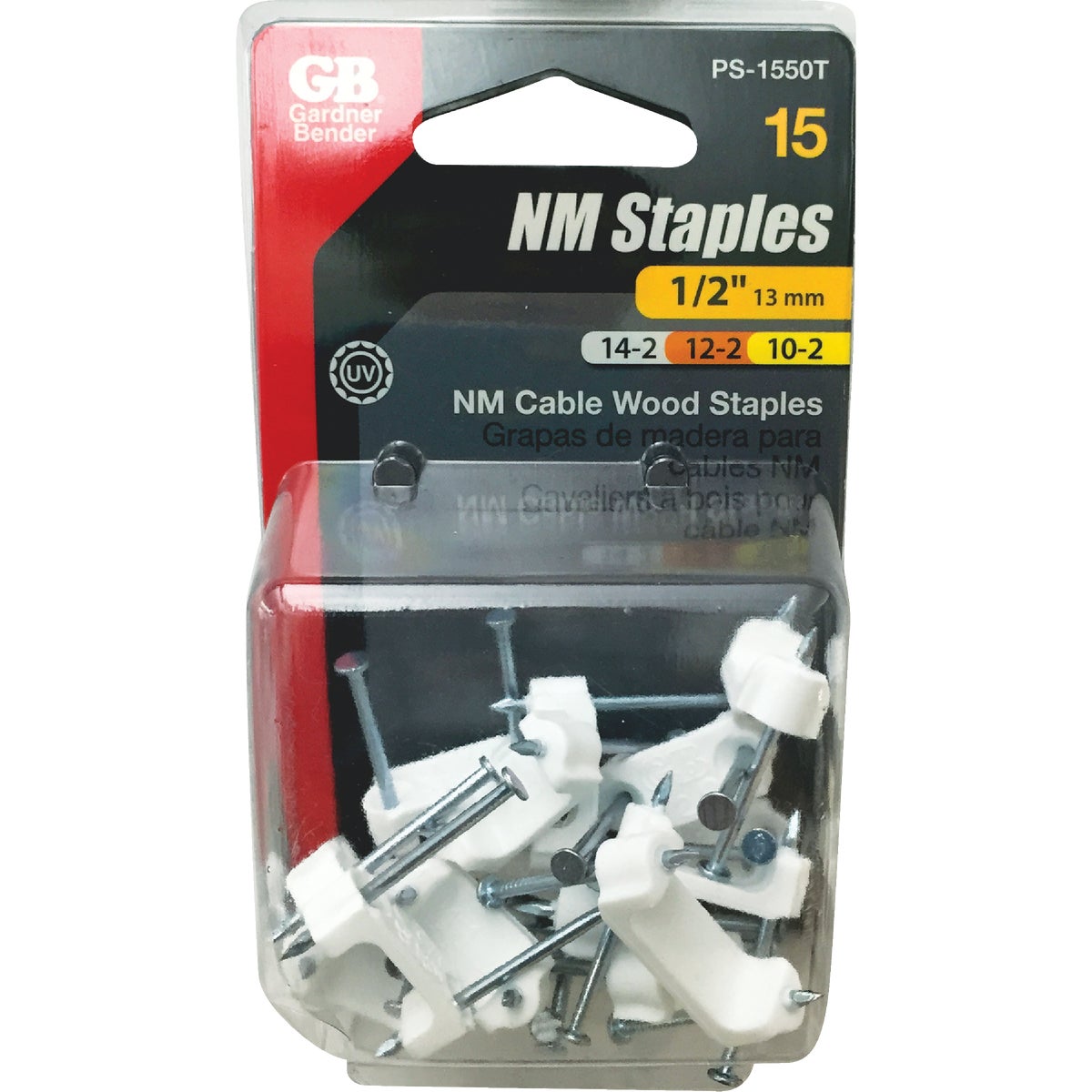
The two things that kill an outdoor coax run are UV and water. Standard staples go brittle and crack in Florida sun; a drip loop at every entry point is what stops water tracking down the cable and into the wall.
How to Ground a TV or Ham Antenna in Florida
Florida has more lightning strikes per square mile than any other state, and grounding an antenna is required by the National Electrical Code, not optional. The realistic threat is not a direct hit — it is the induced surge from a nearby strike, which a proper bond sends to earth instead of through your equipment.
Fit a ground block where the coax enters the building
The coax passes through the ground block and its shield is bonded there. Mount it on the exterior wall as close as practical to where the cable goes in, and as close as practical to the electrical service entrance — the shorter and straighter the bonding conductor, the better it works at surge frequencies.
Bond the mast as well as the cable
The mast or tower needs its own bonding conductor, separate from the coax shield bond. The block protects what is on the cable; the mast bond gives a strike path to earth that does not run through the coax at all.
Drive a ground rod — and bond it to the service ground
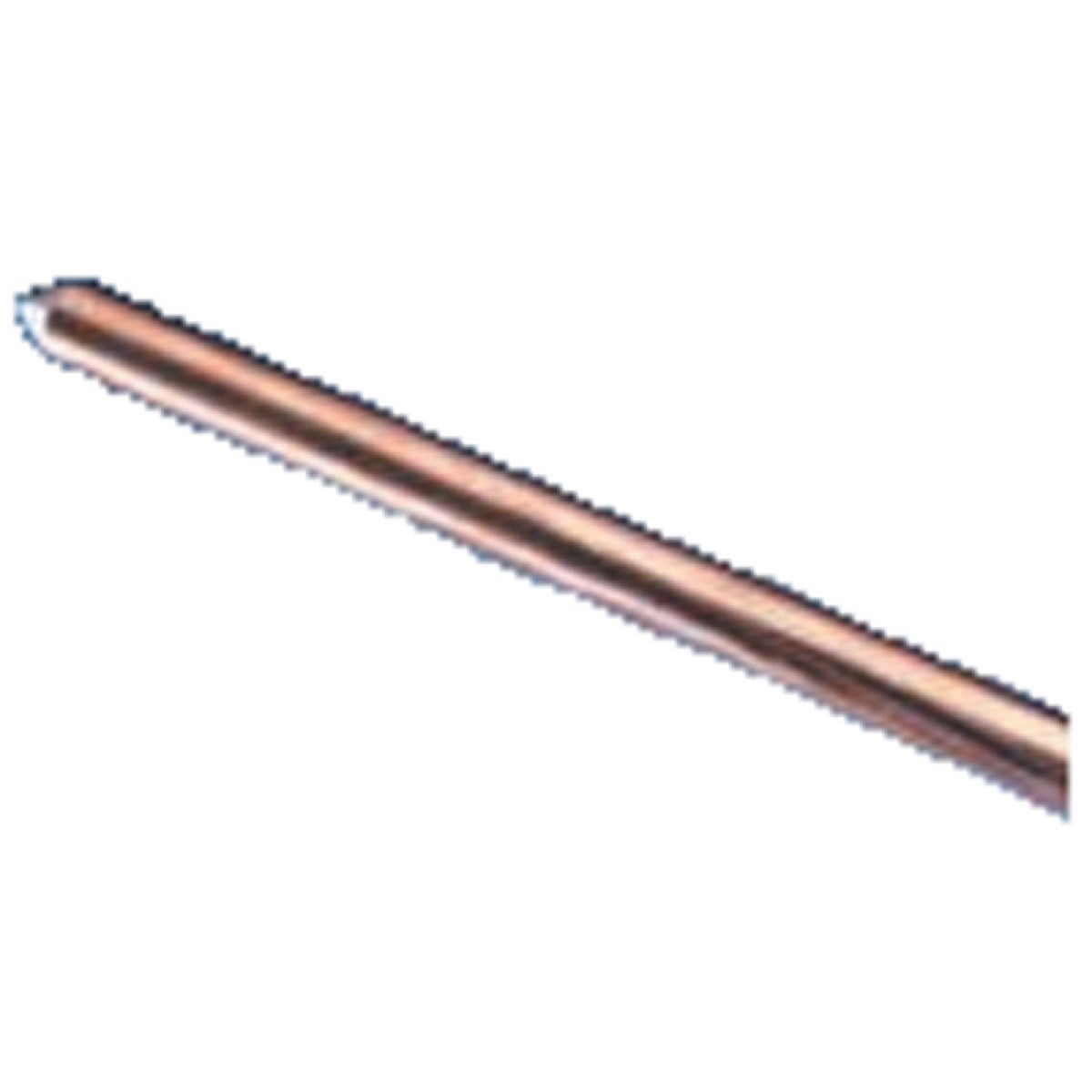
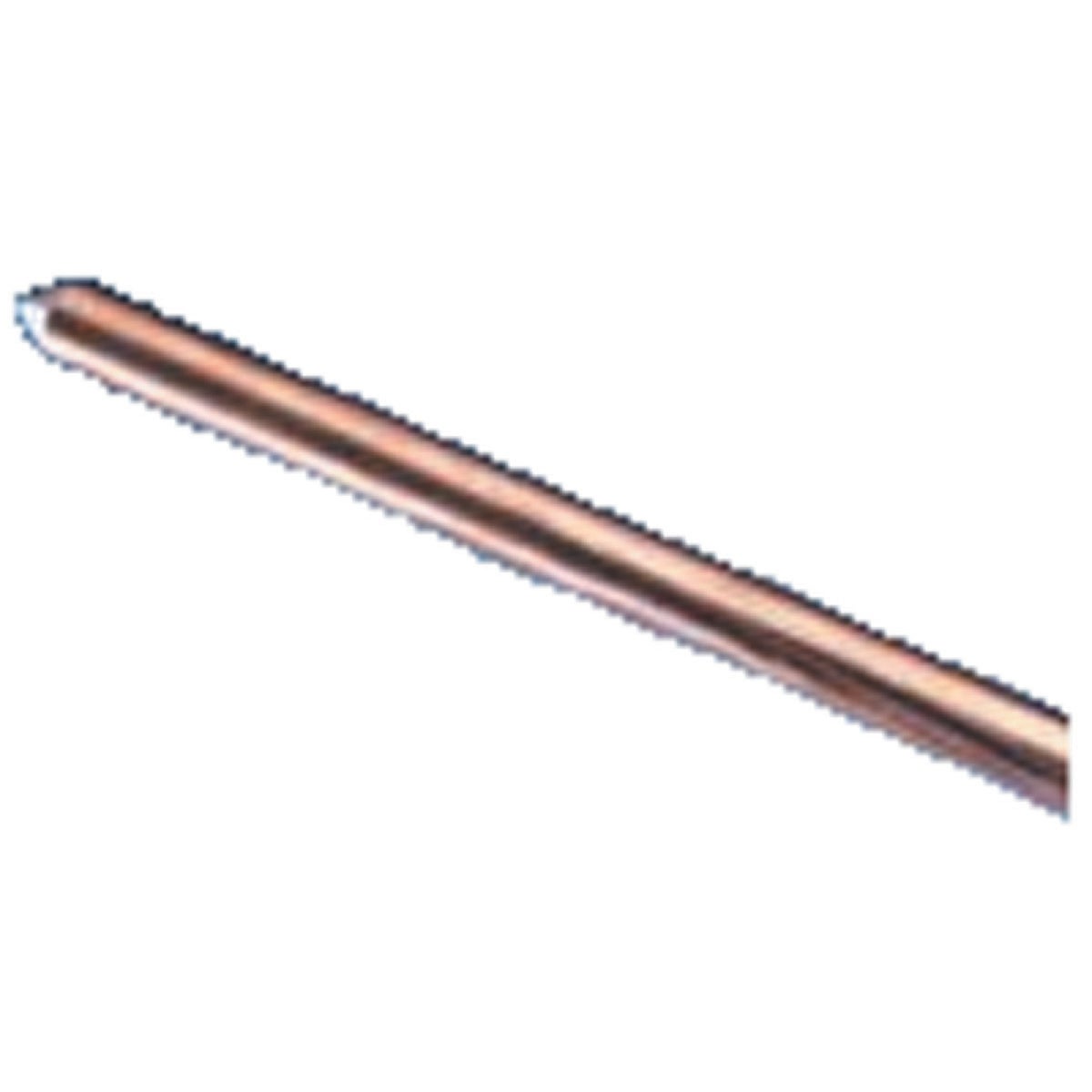
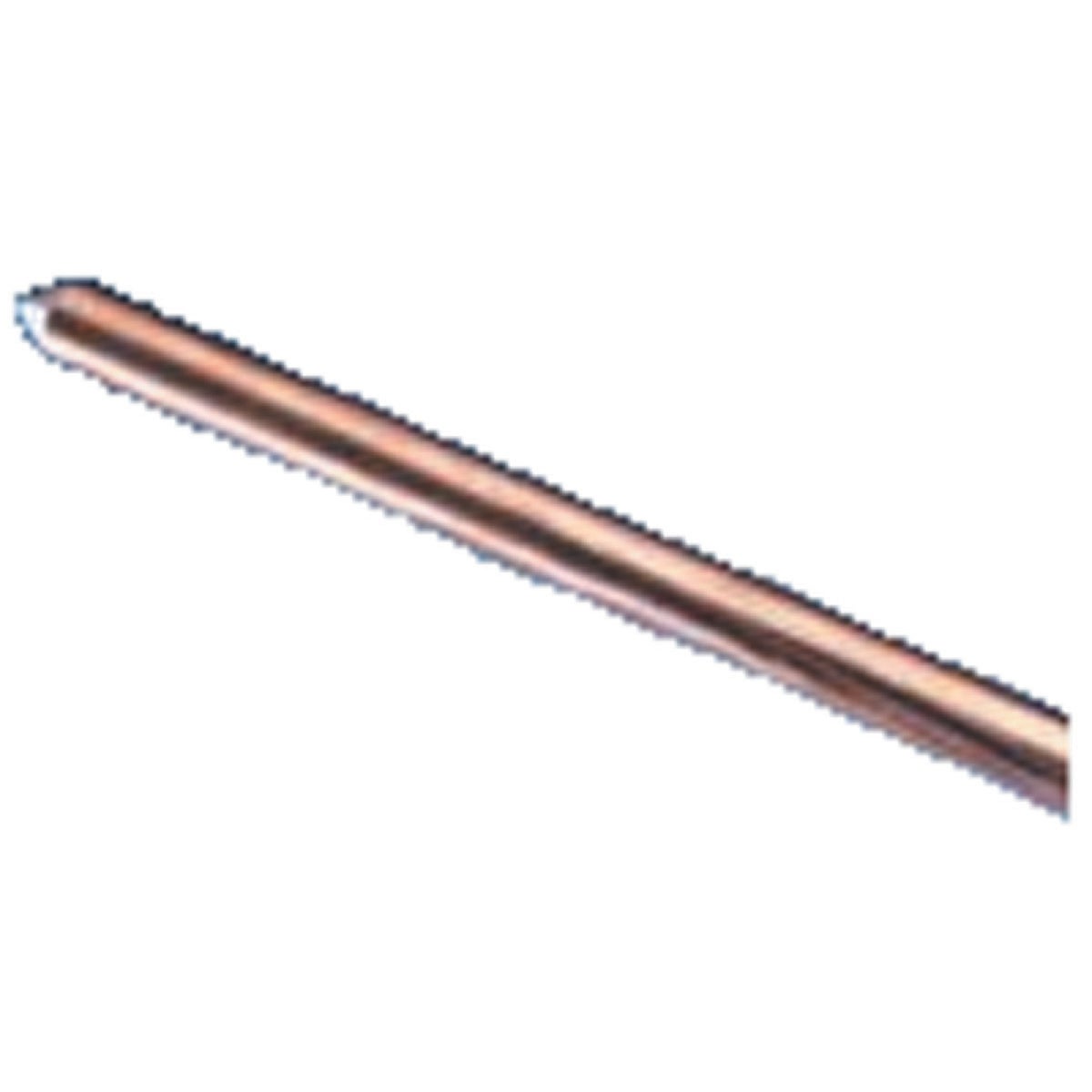
An 8-foot copper-bonded rod driven fully into the soil, 10-foot if you are in sand, which most of Cape Coral is. Critically, that rod must be bonded back to the building's main grounding electrode system. An isolated second ground rod is worse than no rod: during a surge the two grounds sit at different potentials and current flows between them, straight through your equipment.
Use direct-burial rated clamps and heavy conductor
Ground clamps must be listed for direct burial or they corrode away in a season in this climate, silently disconnecting the ground you installed. Use the conductor size your local code calls for, keep the run as short and straight as possible, and avoid sharp bends — a surge does not follow tight corners well.
Leave a drip loop at every entry point
Bring the cable below the entry hole and back up, so water running down the jacket drips off at the bottom of the loop instead of tracking into the wall. Seal the penetration. Then weatherproof the outdoor connectors themselves — this is the difference between a run that lasts ten years and one that degrades over a single rainy season.
Coax & Antenna Grounding Questions, Answered
RG6 has a thicker center conductor and better shielding, and loses much less signal at the higher UHF frequencies that most over-the-air television now uses. RG59 is older, thinner, and adequate only for short low-frequency runs. If you are pulling new cable, pull RG6 — and if an older house is under-performing on OTA reception, existing RG59 in the walls is a very common cause. Quad-shield RG6 adds two more shielding layers and is worth it for long runs or anywhere near electrical noise.
Yes. The National Electrical Code requires the coax shield to be bonded to the building grounding electrode system, and the mast to be bonded as well. In Florida this matters more than almost anywhere: the state leads the country in lightning strikes per square mile. The realistic risk is not a direct hit but an induced surge from a strike nearby, and a proper bond gives that surge a path to earth rather than through your television or radio.
No — an isolated ground rod is worse than none. During a surge, two grounds that are not bonded together sit at different electrical potentials, and current flows between them through whatever connects them, which is usually your equipment. Any antenna ground rod must be bonded back to the building main grounding electrode system. This is the single most common and most consequential DIY antenna grounding mistake.
Crimp or compression, made with the proper tool, for anything permanent and anything outdoors. Twist-on connectors are convenient but they do not seal — moisture wicks into the dielectric over months, the run slowly degrades, and you end up chasing an intermittent fault that started at the fitting. Twist-ons are acceptable for a temporary indoor jumper while testing. Outdoors, weatherproof the joint on top of using the right connector.
Roughly 3.5 dB for a two-way splitter, around 5.5 dB for a three-way, and about 7 dB for a four-way — and that loss is unavoidable, since a splitter divides the signal. With an over-the-air antenna there is no spare margin, so use the smallest splitter that covers your sets, place it as close to the televisions as practical rather than at the antenna, and consider a distribution amplifier if you are feeding four or more.
Yes. Every foot of coax has loss, and it rises with frequency, so UHF television channels lose more per foot than VHF. Practically: measure the run rather than buying long and coiling the extra, keep it as short as the install allows, and use quad-shield or a lower-loss cable for anything over about a hundred feet. Coiled excess is doubly bad — you pay the loss and the coil acts as a small inductor.
An 8-foot copper-bonded rod is the standard minimum, but sandy soil is a poor conductor, so a 10-foot rod or two rods spaced apart gives you a meaningfully lower-resistance path in Cape Coral conditions. Whichever you use, drive it fully — a rod driven halfway is a common shortcut that undermines the whole install — and use clamps listed for direct burial, because anything else corrodes off here within a season.
Usually interference or a bad connection rather than weak signal. Common causes: a twist-on connector that has let moisture in, RG59 rather than RG6 in the walls, too many splitters, unshielded cable running alongside electrical wiring, or a sharp bend in the coax. Quad-shield cable and properly crimped connectors solve a surprising share of it. Aiming and height matter too, but people almost always suspect the antenna when the problem is in the cable.
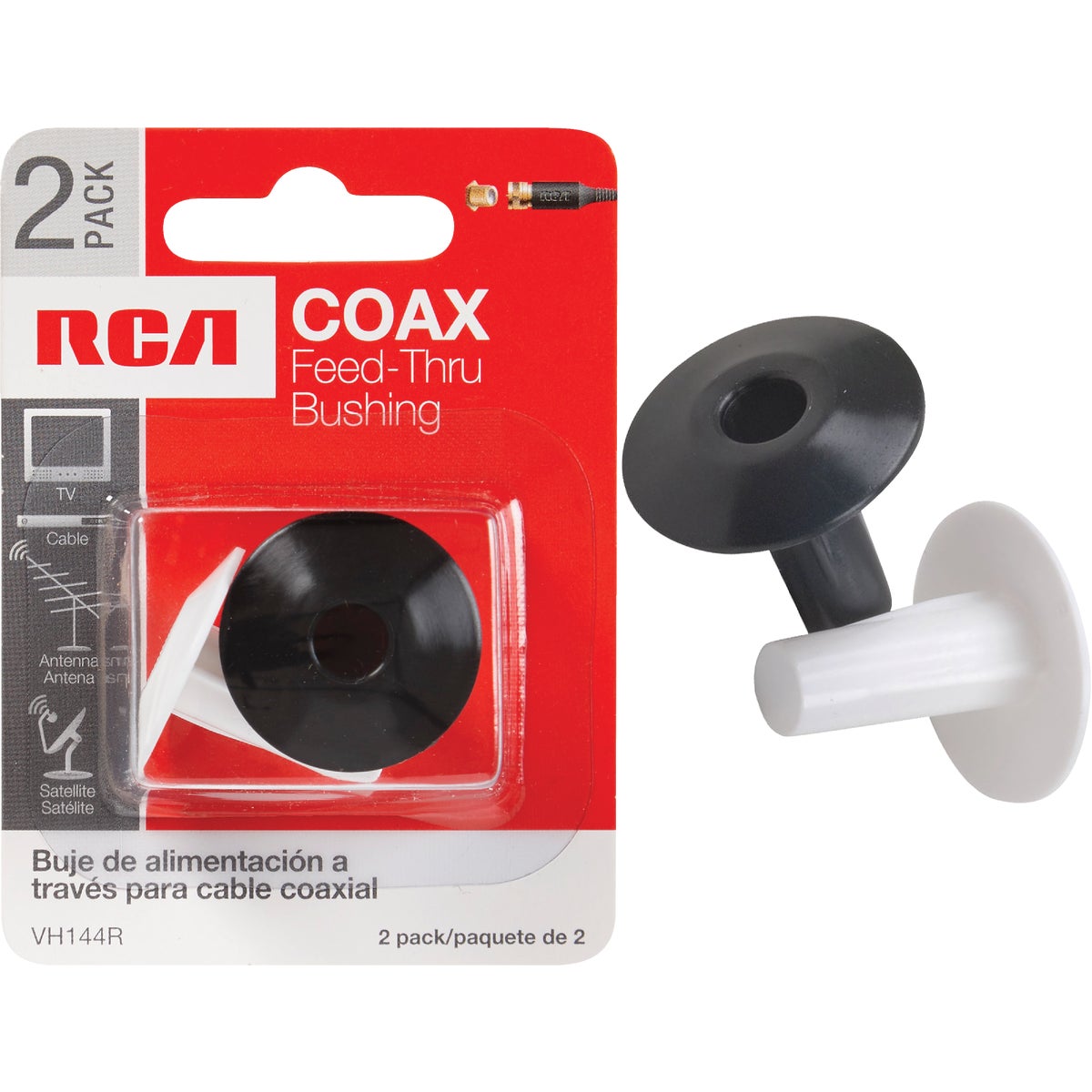
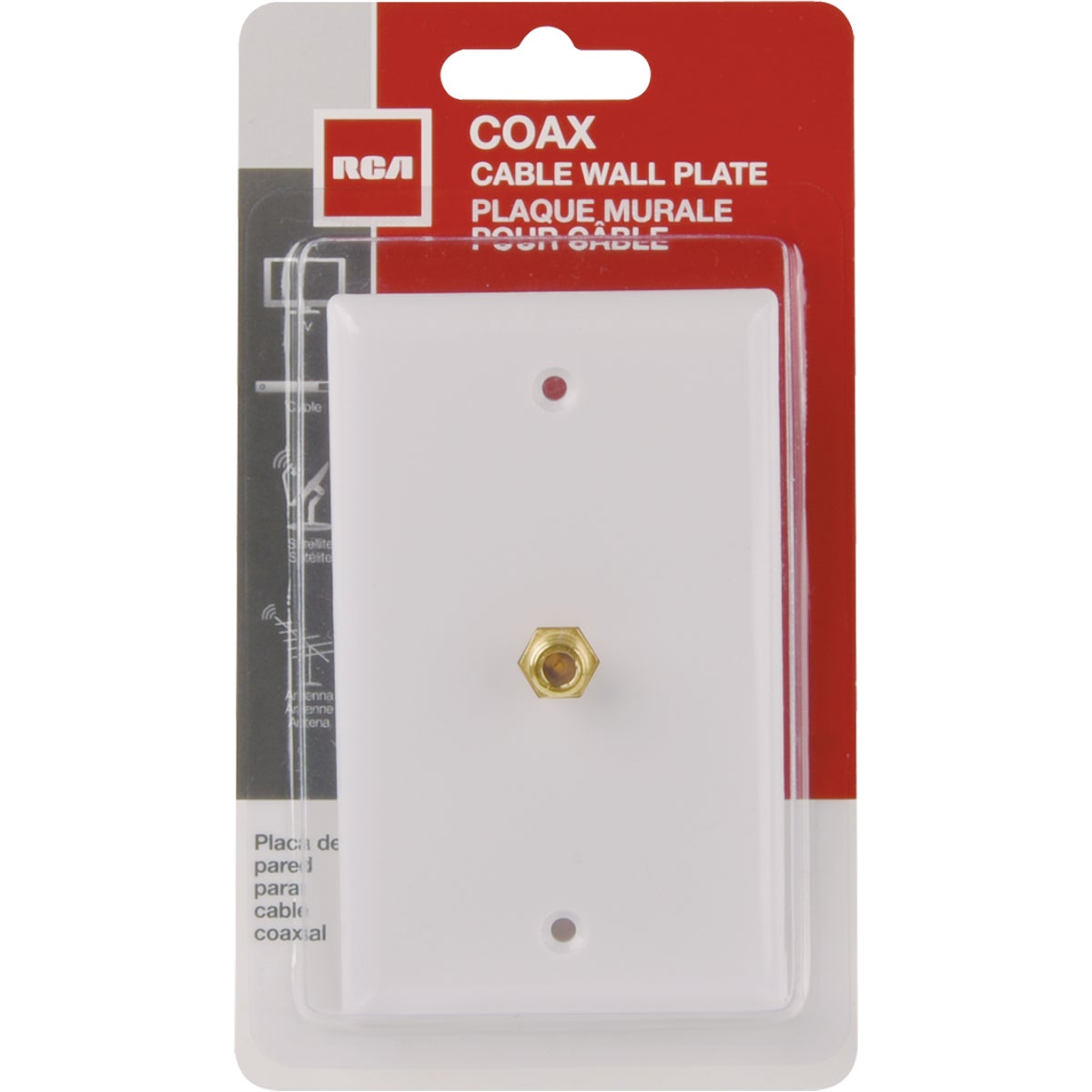
No — no antennas, radios, rotators, towers or amplifiers. Those come from a dedicated electronics or amateur radio supplier. What we stock is the wiring and grounding half of every install: RG6 and quad-shield coax, F-connectors and the tools to fit them, splitters and ground blocks, copper-bonded ground rods, direct-burial clamps, UV-resistant staples and wall pass-throughs.
Family Hardware carries coax, connectors, crimp tools, splitters, ground blocks, ground rods and clamps at both stores. Cape Coral: 622 SE 47th Terrace — (239) 542-6365. Fort Myers: 13101 McGregor Blvd — (239) 933-1744. Open Mon–Sat 7 AM–6 PM and Sun 8 AM–3 PM. Order online for free in-store pickup, usually ready within 2 hours.
Related Guides
These overlap with this list more than you would expect — often the same shopper, and frequently the same aisle.
Pick It Up Today in Cape Coral or Fort Myers
Order online for free in-store pickup — usually ready within 2 hours — or just come in. Prices shown are our everyday shelf prices at both stores; stock on any single item is on its product page.
622 SE 47th Terrace, Cape Coral, FL 33904
Mon–Sat 7 AM–6 PM | Sun 8 AM–3 PM
Departments, services and directions for our Cape Coral store →
13101 McGregor Blvd, Fort Myers, FL 33919
Mon–Sat 7 AM–6 PM | Sun 8 AM–3 PM
Departments, services and directions for our Fort Myers store →
Free shipping on orders over $99 • Free in-store pickup • Online customer service: 877-755-2005
About Family Hardware
Store Locations
About Us
Hurricane Prep Guide
Hobby Supply Guides
Employment
Customer Service
Contact Us
Returns
Shipping & Tracking
Gift Card Balance
Rewards
Promotions
Credit Application
Tax Exempt Purchases
Terms of Service
Privacy Policy
Locations
Cape Coral
Fort Myers
All Store Locations
Grills
Grill Store — All Grills
Alfa Pizza Ovens
Big Green Egg
Napoleon
Challenger Designs
Delta Heat
Tagwood BBQ
Twin Eagles
Replacement Parts
Warranty
Services
All Services
Saw Blade Sharpening
Saw Blade Shop
Key Cutting
Screen Repair
Propane Exchange
Lamp Repair
Key Fob Batteries
Freud
Lamello P-System
Popular Tools Saw Blades
Diablo
Tenryu
© 2026 Family Hardware. Family Hardware and the Family Hardware logo are registered trademarks of Family Hardware Corporation. All rights reserved.