
Boat, Kayak & Trailer Rigging Supplies
Rigging a skiff, wiring a kayak, or getting a trailer through another salt season. The bedding compounds, tinned connections, all-stainless clamps and corrosion inhibitors that marine work actually runs on — at hardware-store prices, ten minutes from the ramp.
Short answer
Saltwater punishes shortcuts, and most marine failures come from three of them. Bedding hardware dry instead of in a sealant, so water tracks down the fastener into the core. Crimping bare butt connectors instead of adhesive-lined heat shrink, so the copper wicks salt and turns green inside the insulation where you cannot see it. And using a plated hose clamp because it looked stainless — the band may be, but the screw and housing usually are not, and that is the part that fails. Everything on this page exists to avoid one of those three. If you are rigging something permanent use 3M 5200; if you might ever want it apart again, do not.
The Rigging Bag
What lives in the bag for a rigging job or a dockside repair: something to bed it with, something to seal the wire, something to keep the salt off, and clamps that are actually stainless all the way through. These 7 items run about $92.13 all in.
Bedding, Sealing & Adhesive Sealants
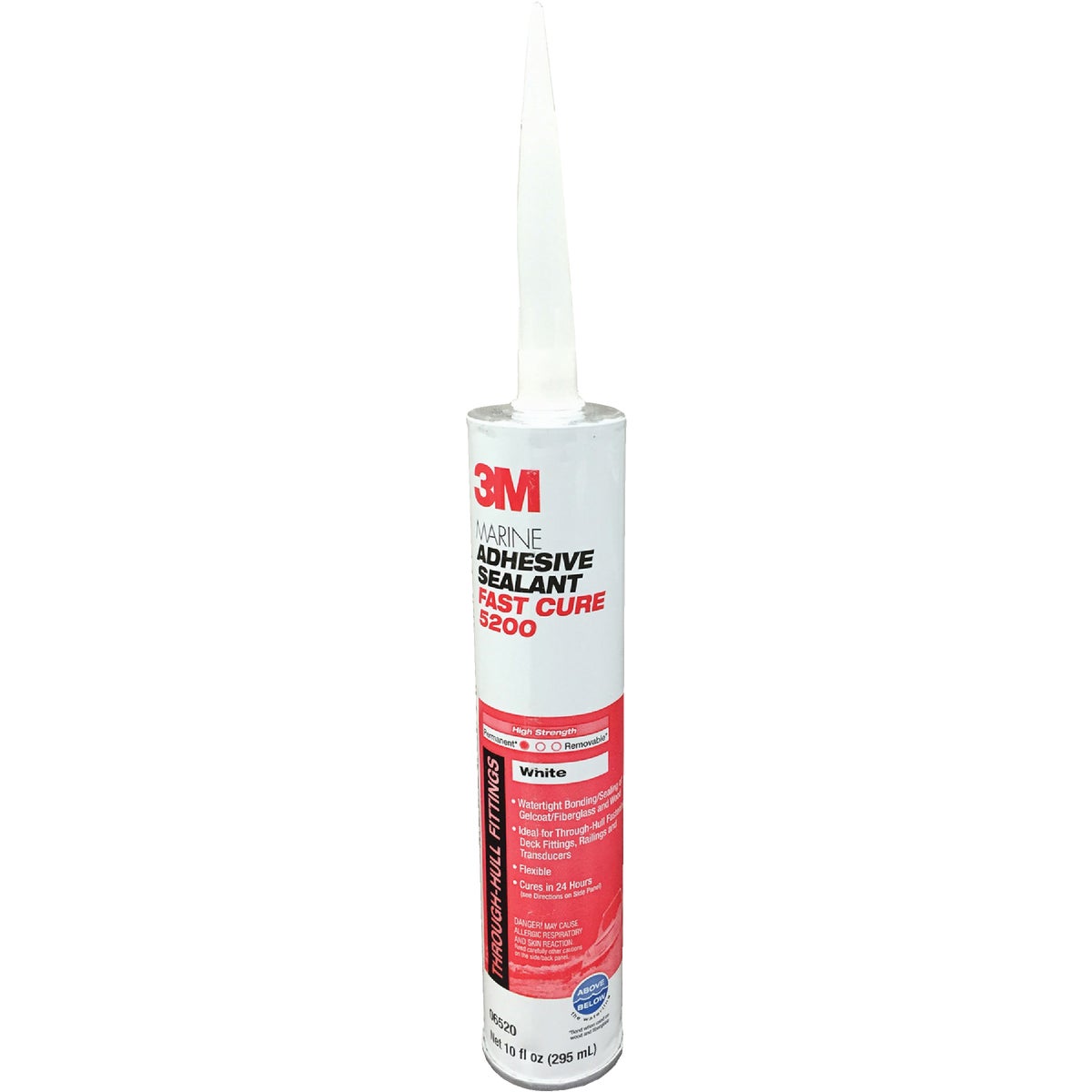
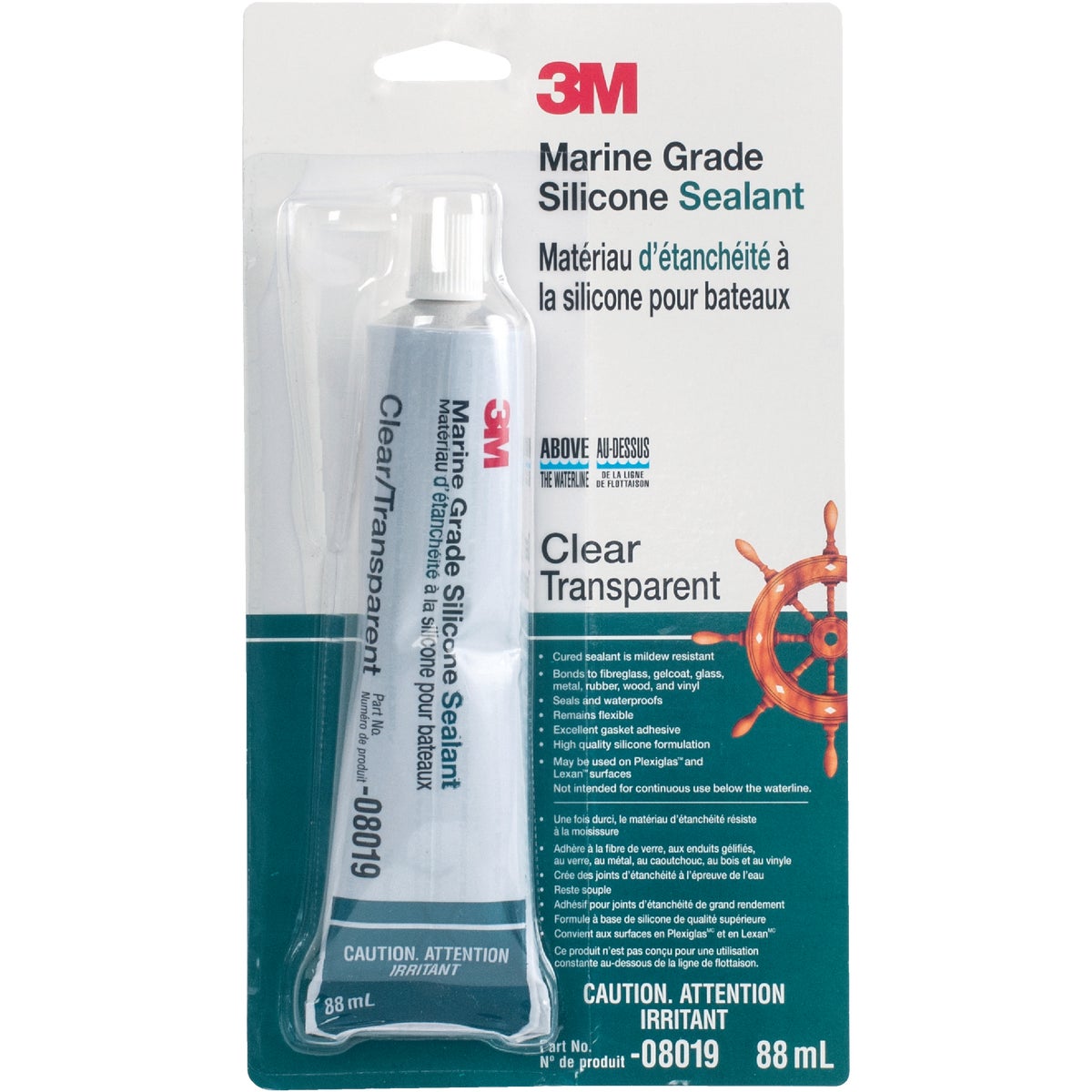
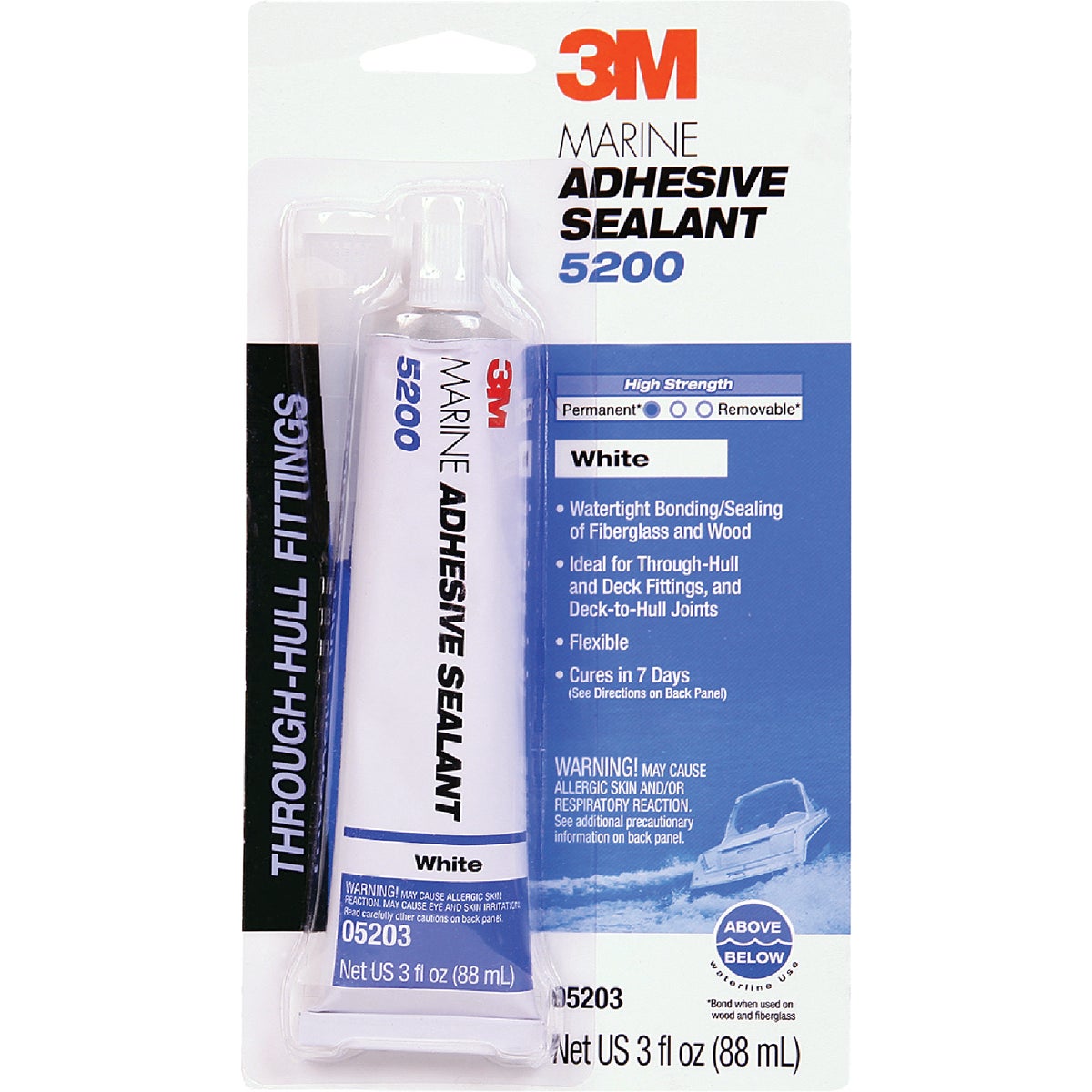
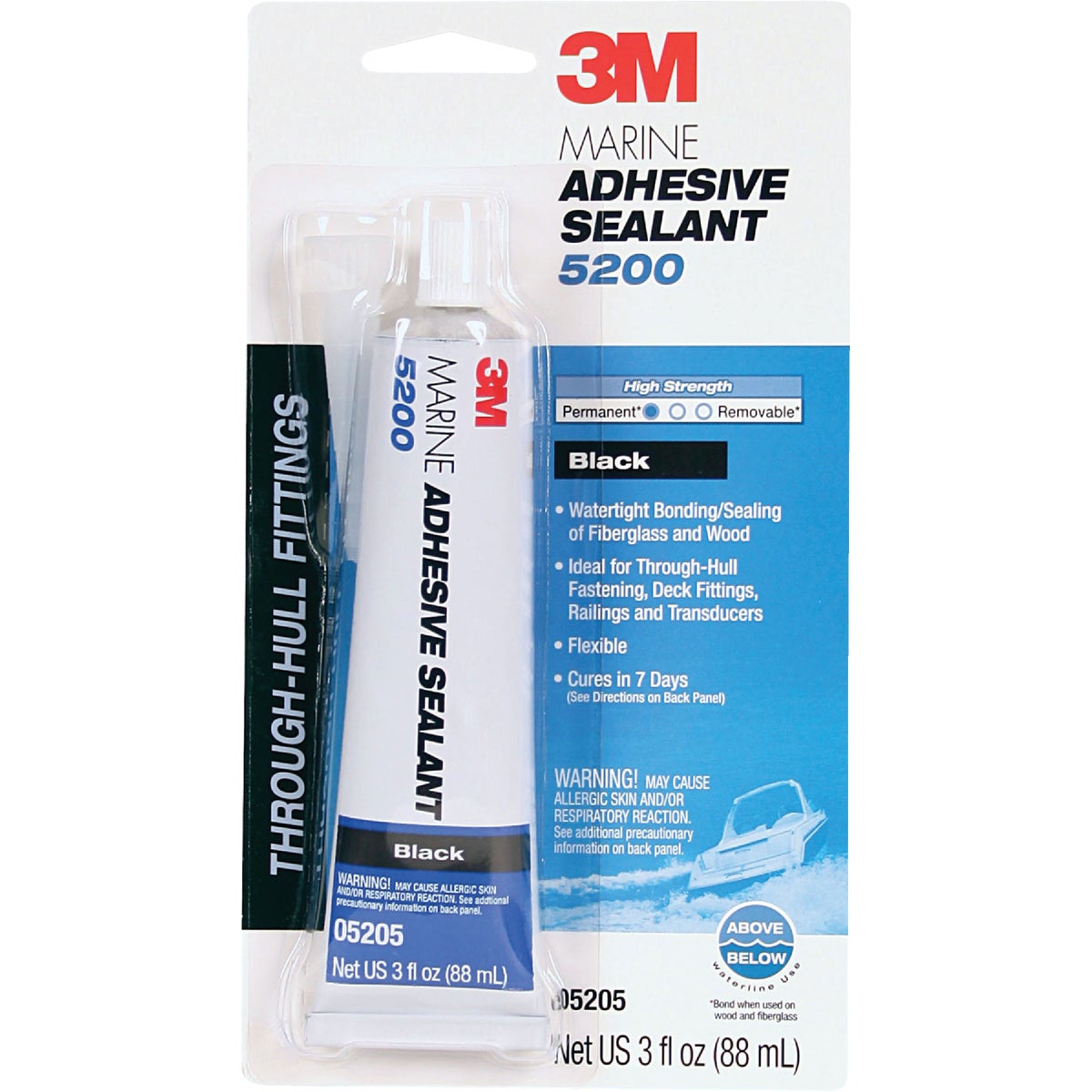
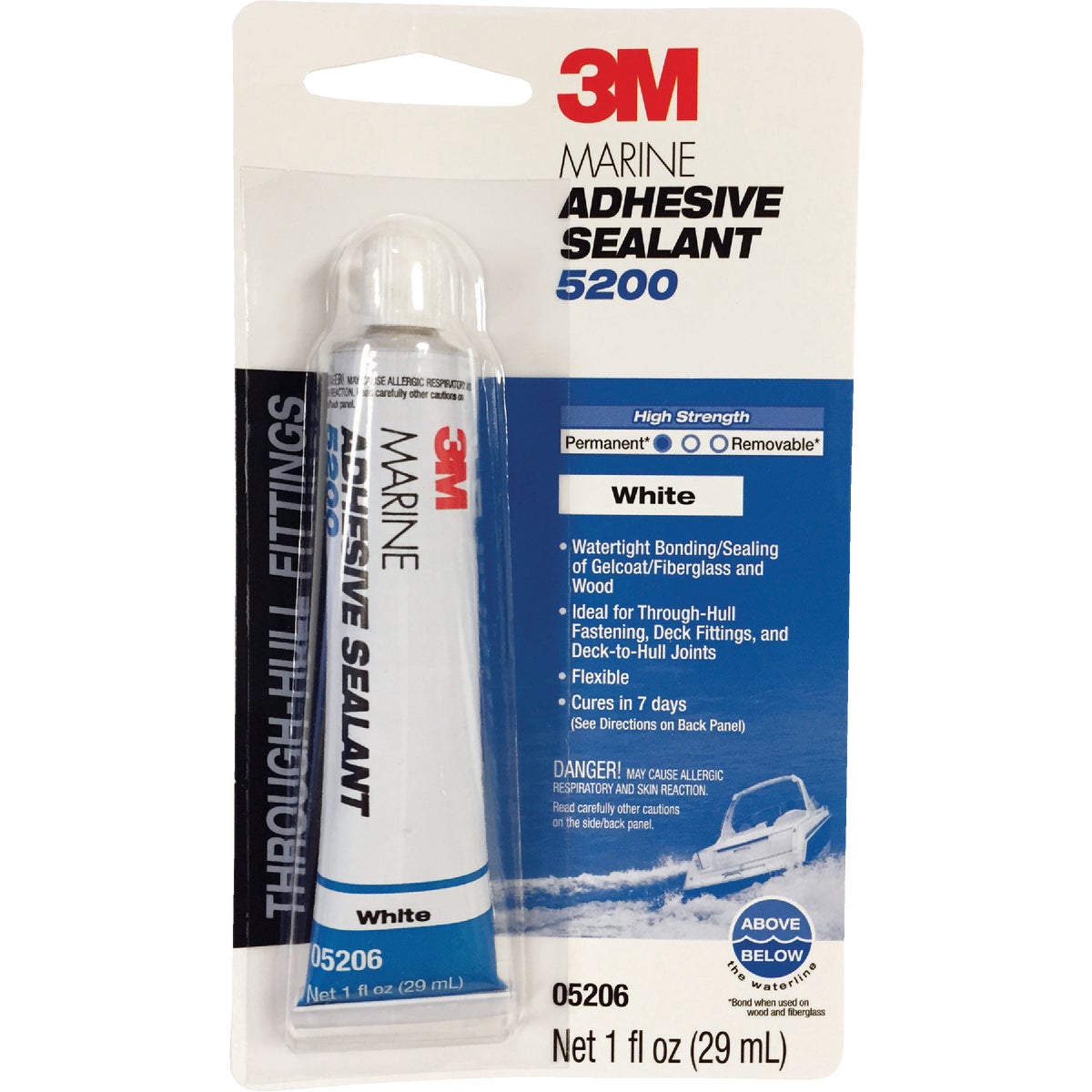
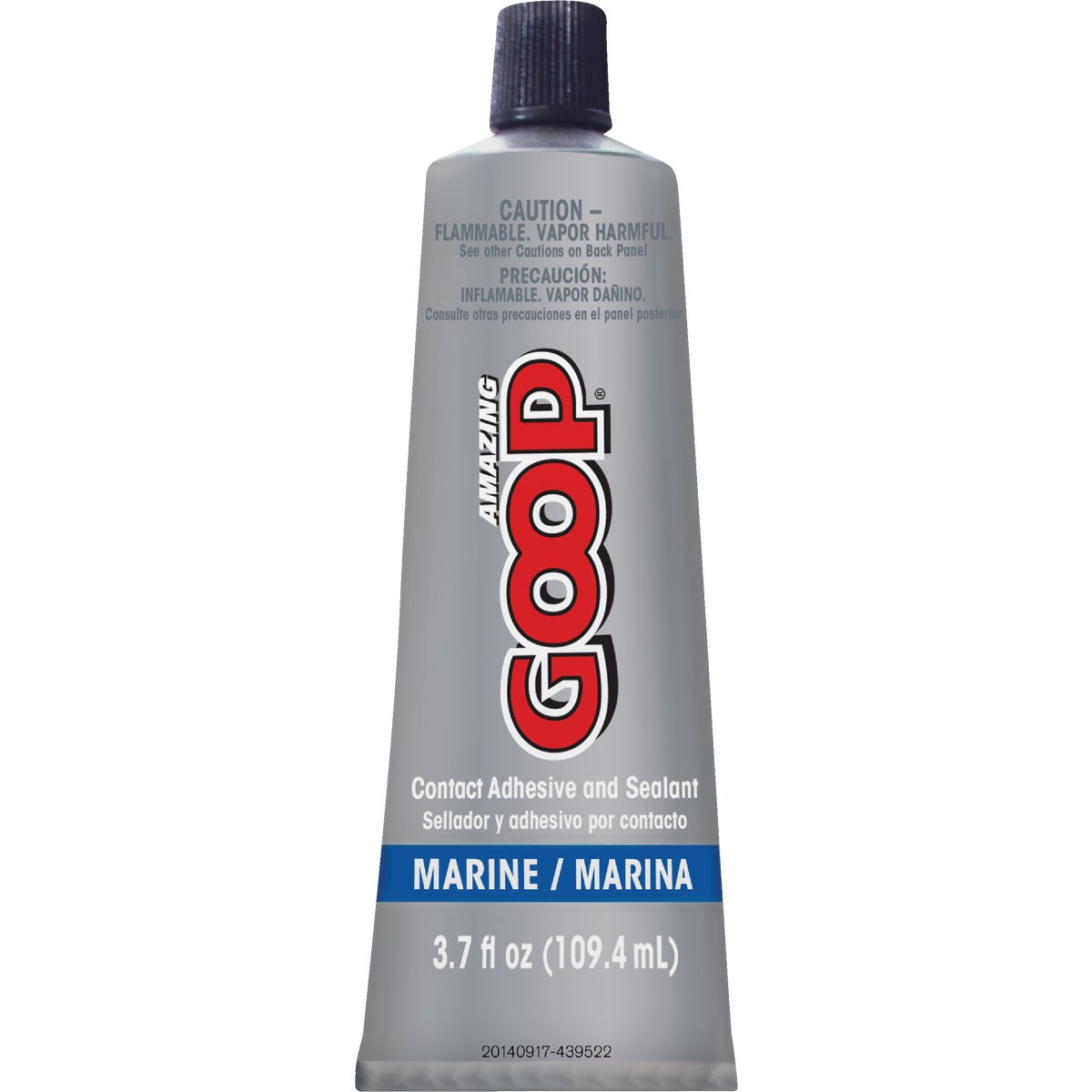
The rule that saves boats: 5200 is structural and permanent, 4200 and marine silicone are removable. Bedding a cleat, a transducer or a thru-hull in 5200 means it is never coming out without heat and damage — which is right for something structural and very wrong for anything you plan to service. Choose deliberately.
Epoxies & On-the-Water Repair
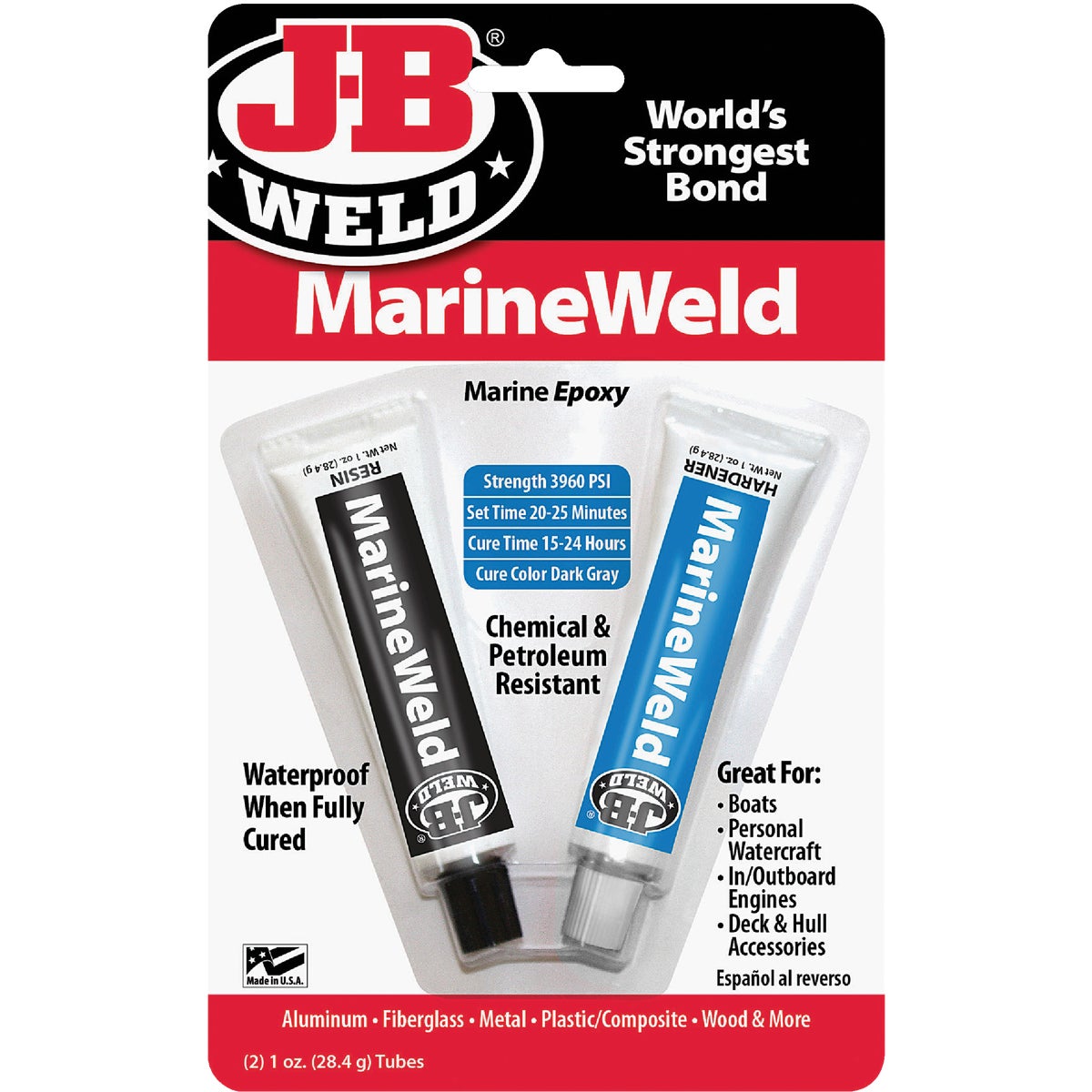
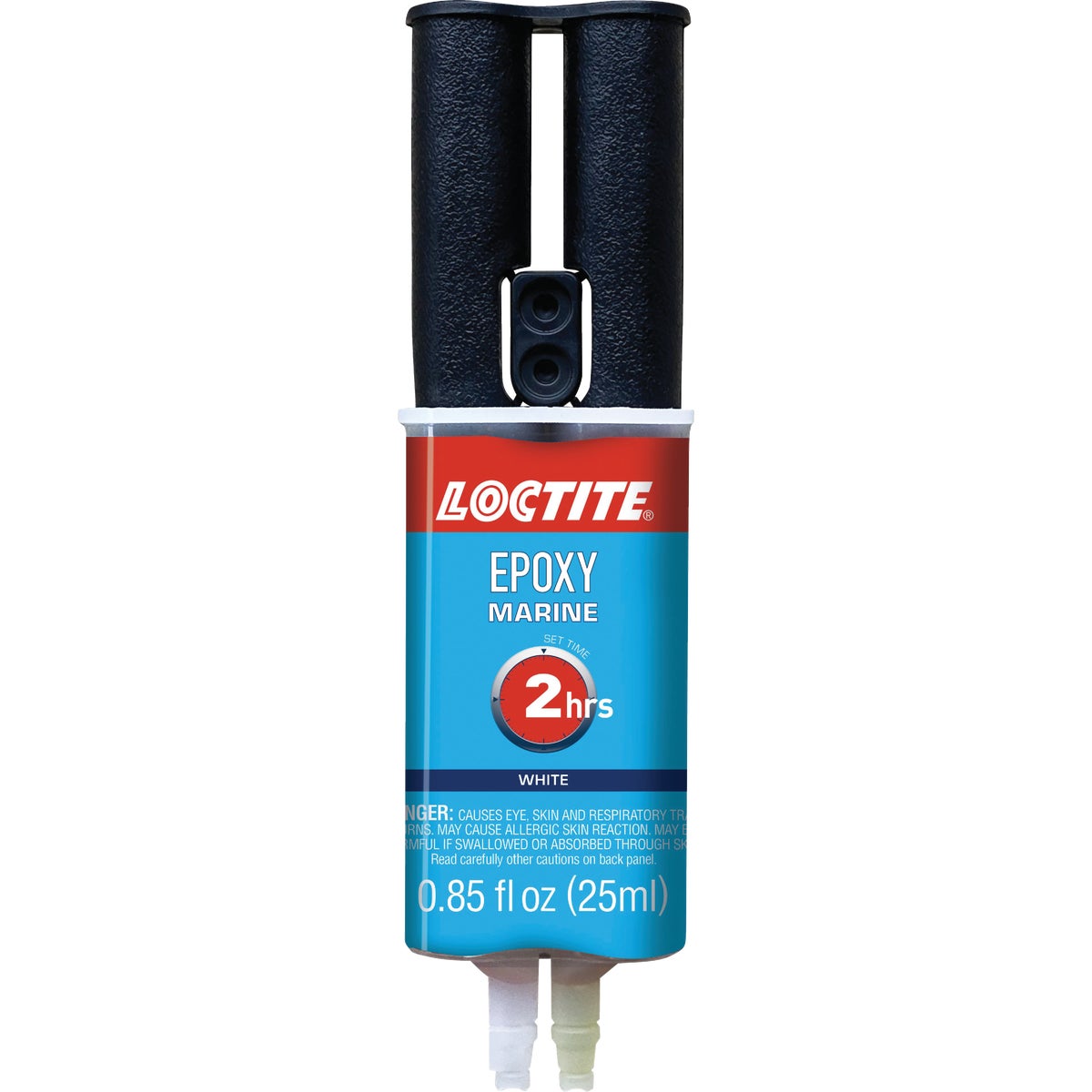
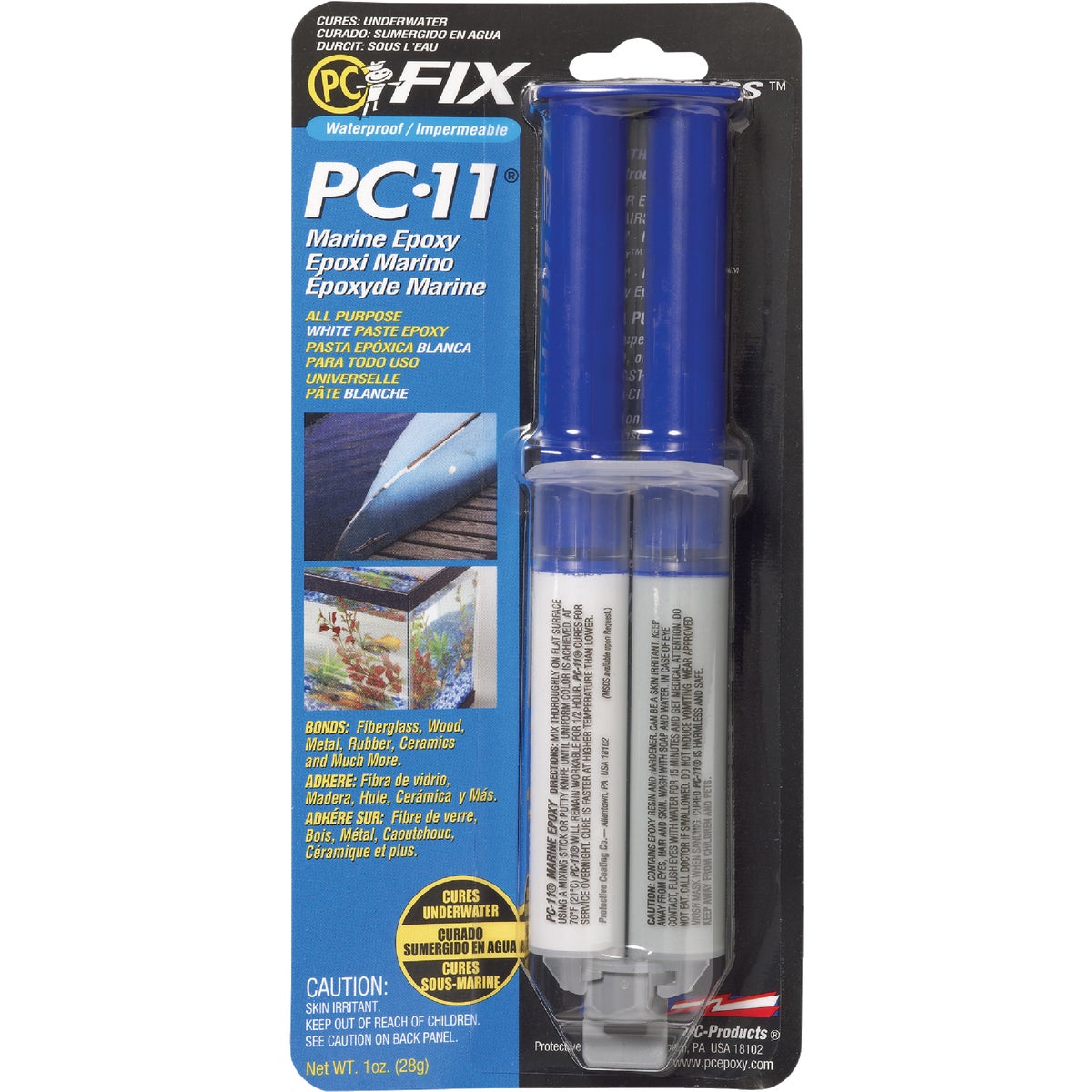
Two-part epoxy is what gets a boat home. Marine-grade formulations cure in the presence of water and stick to wet, dirty, imperfect surfaces — the conditions every actual repair happens in, as opposed to the ones on the package photo.
12-Volt Wiring & Connections
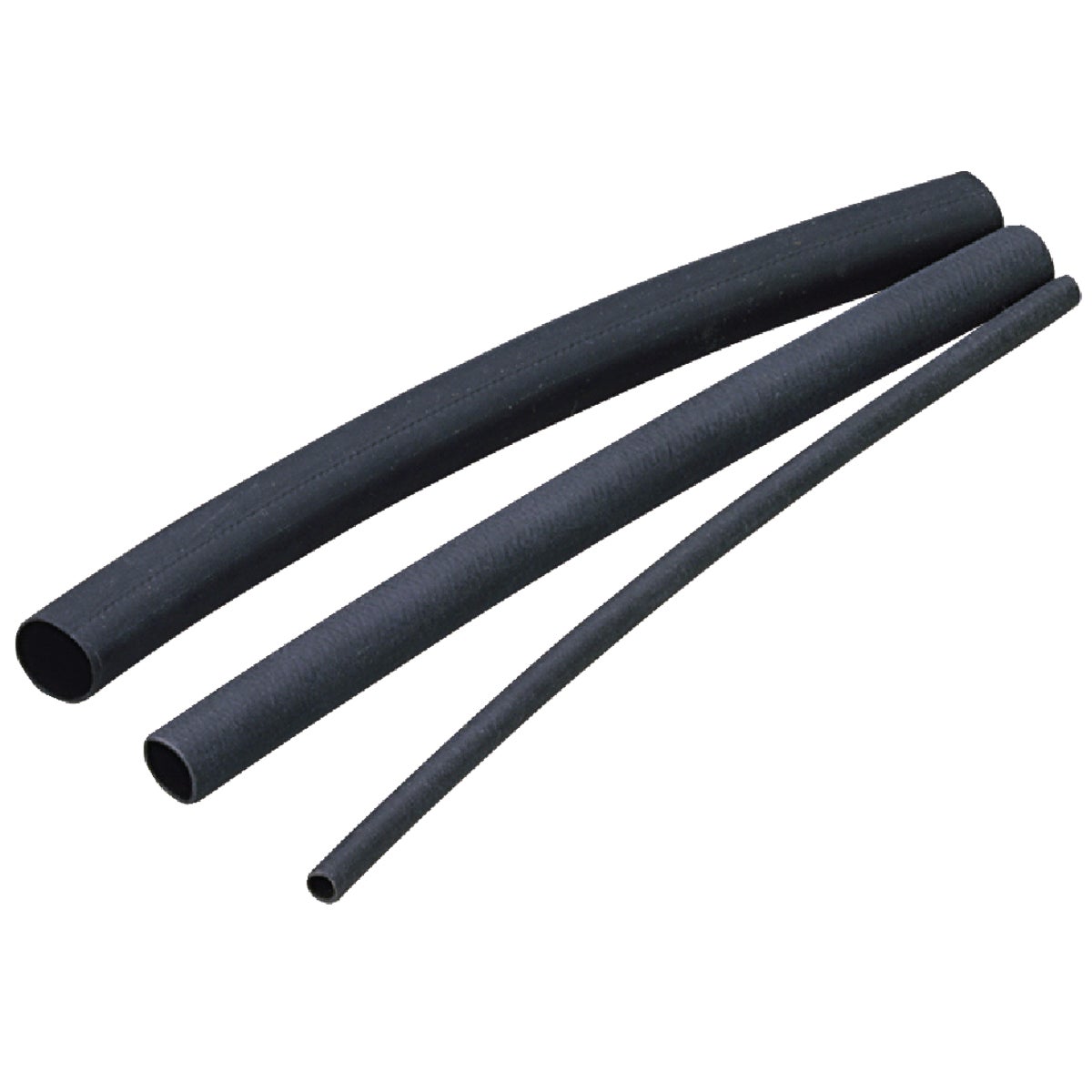
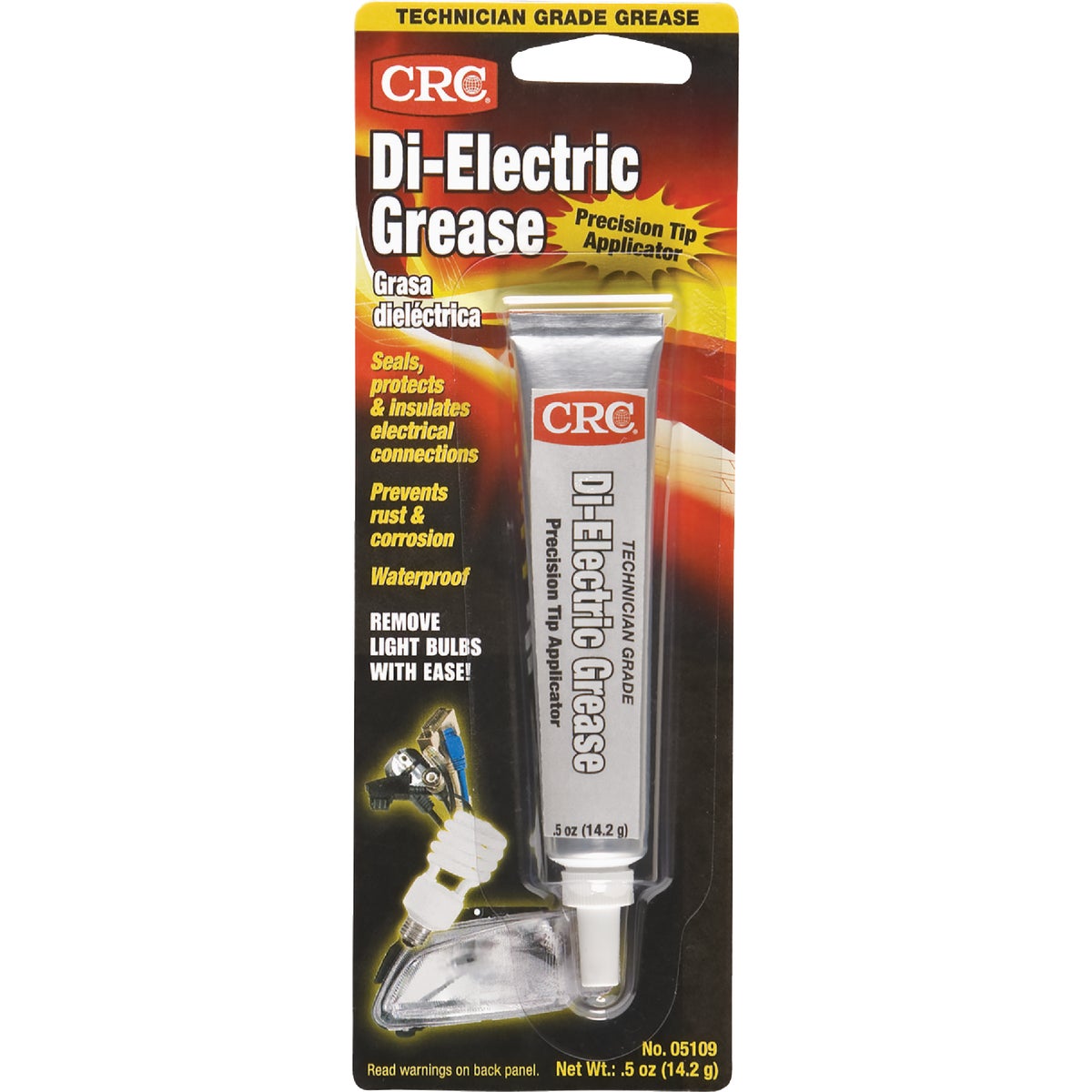
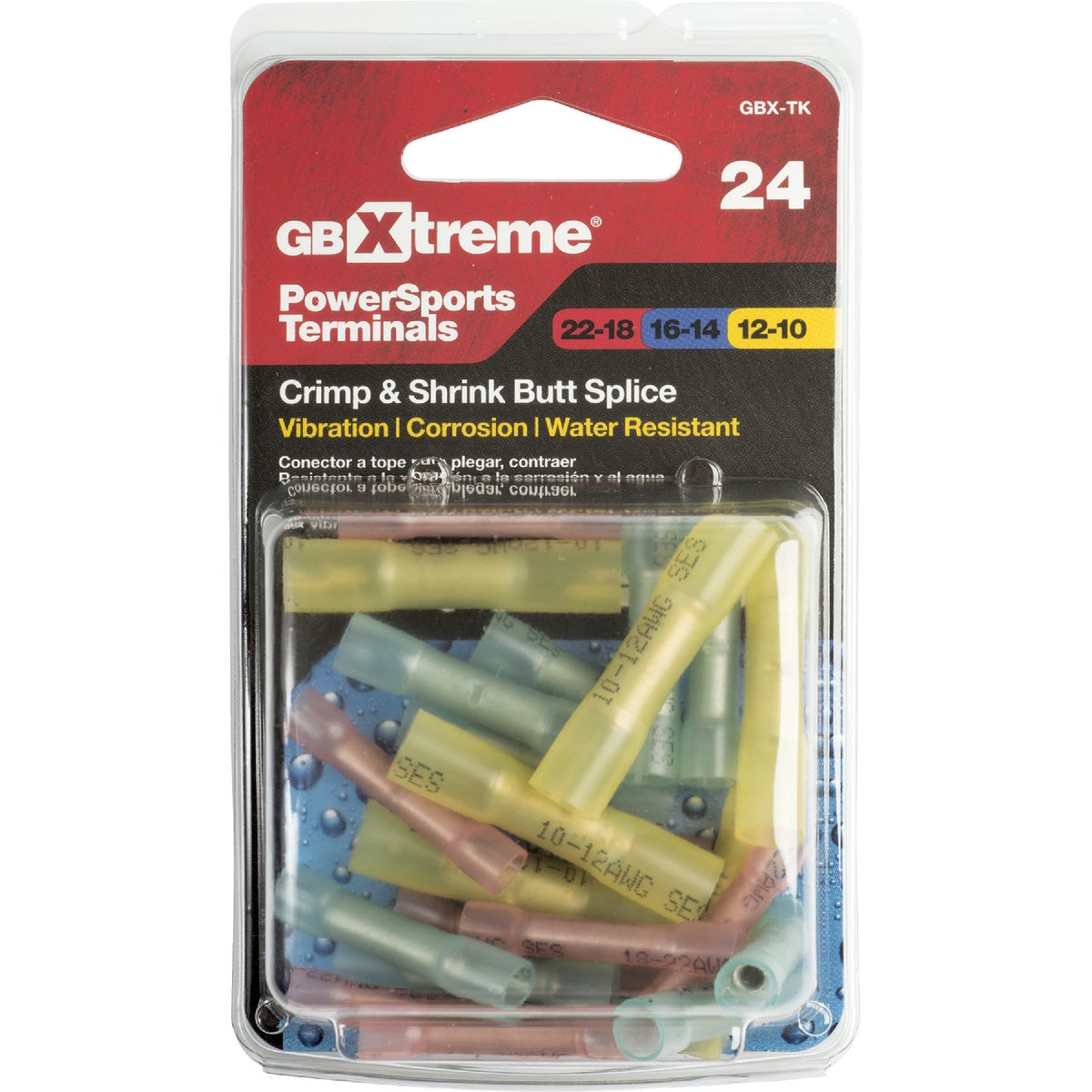
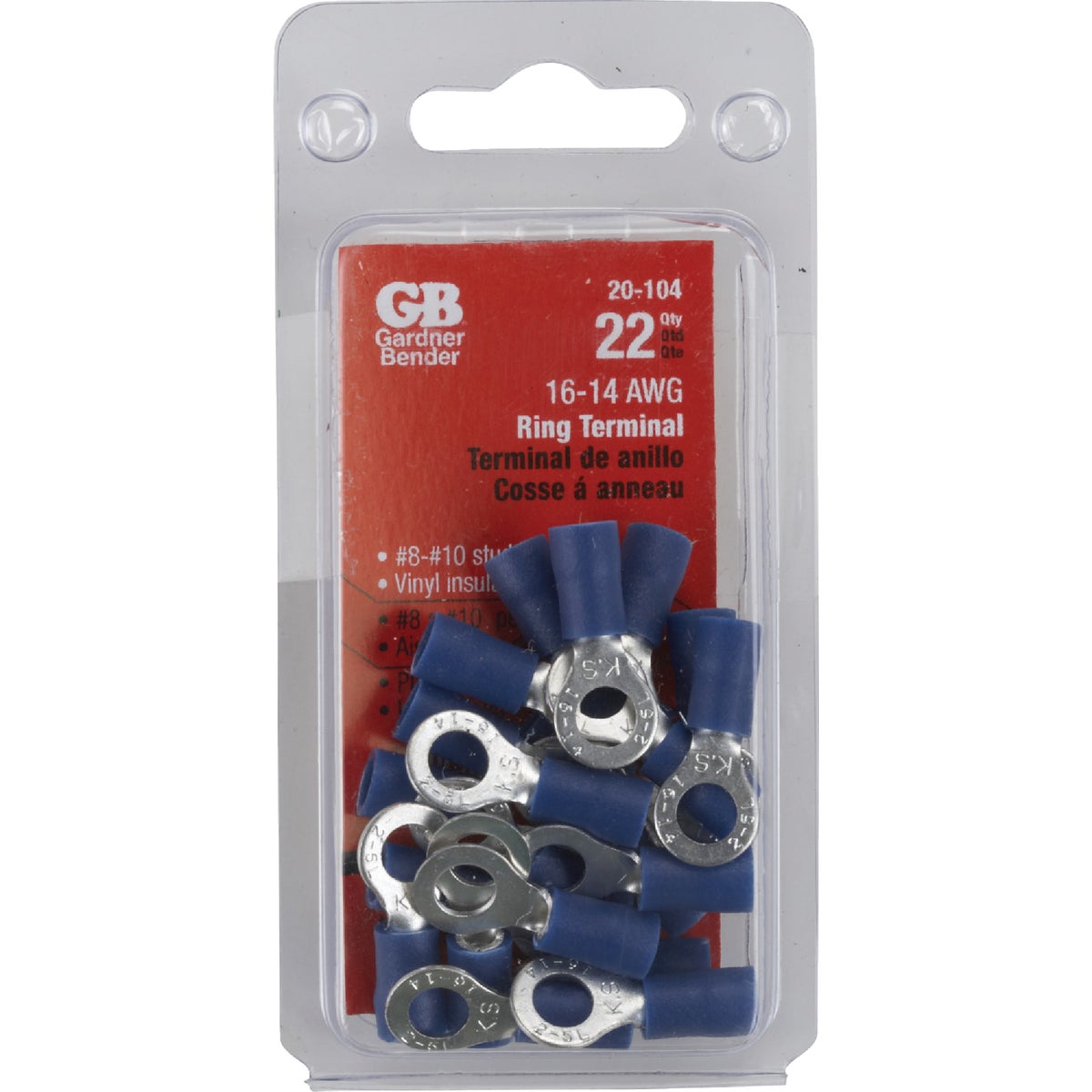
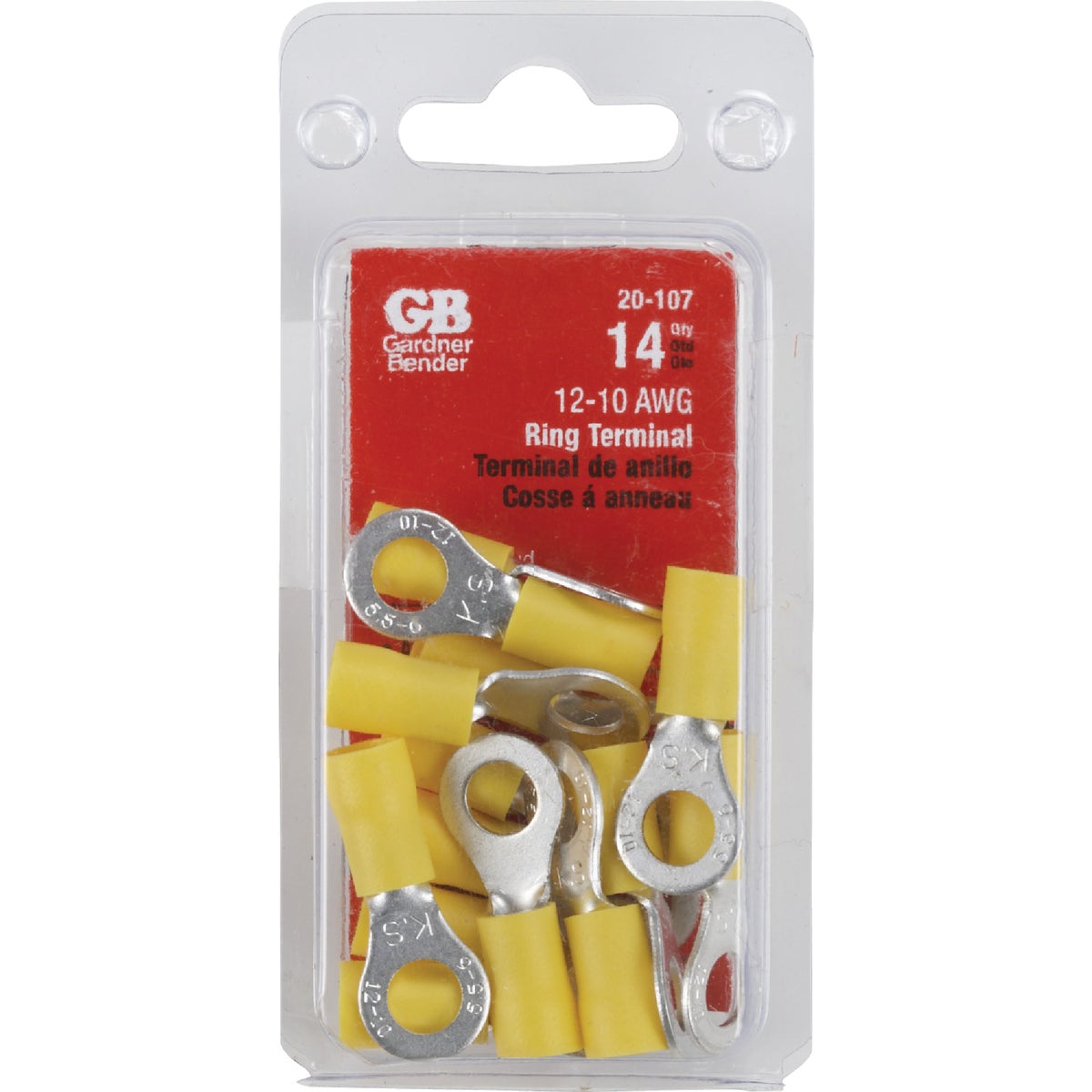
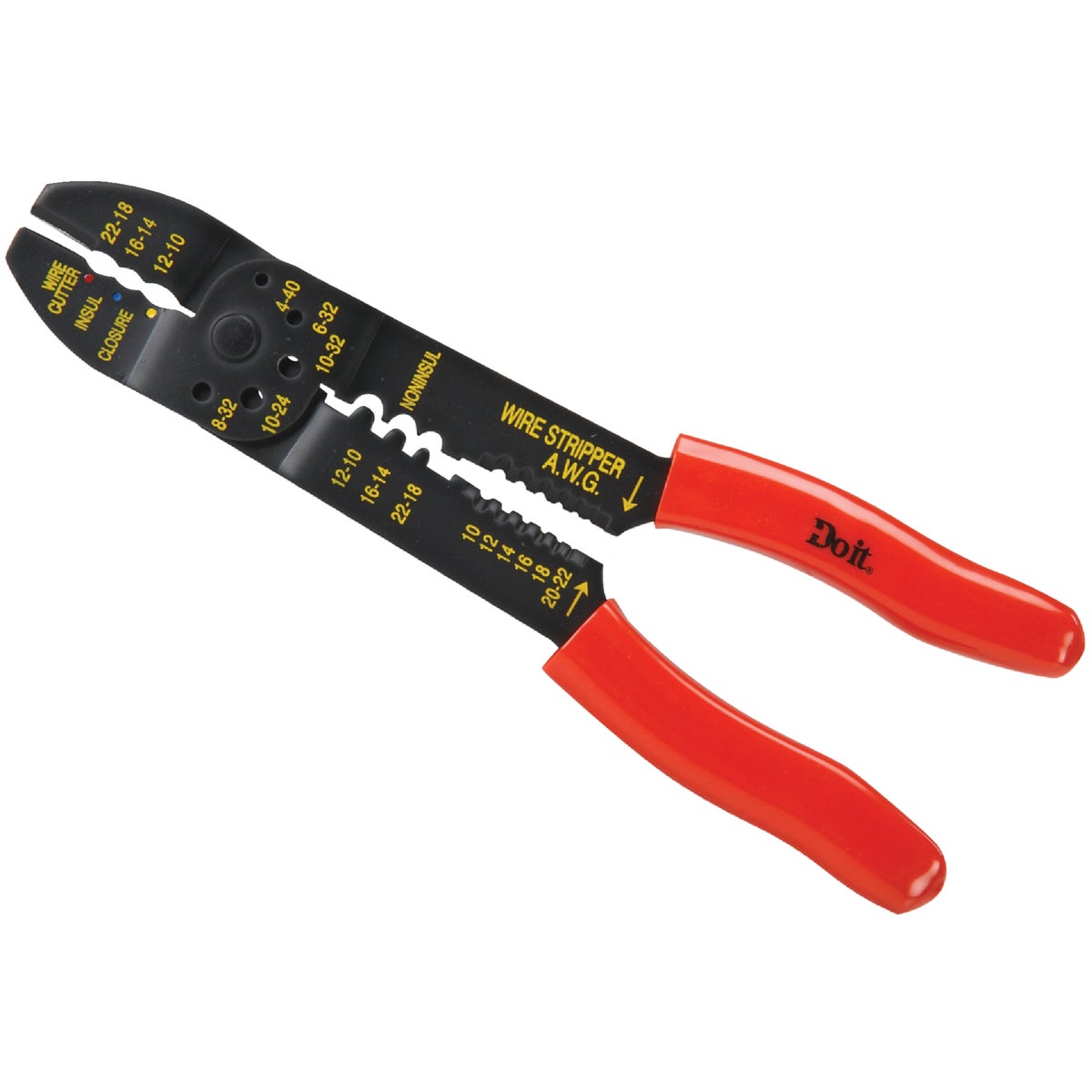
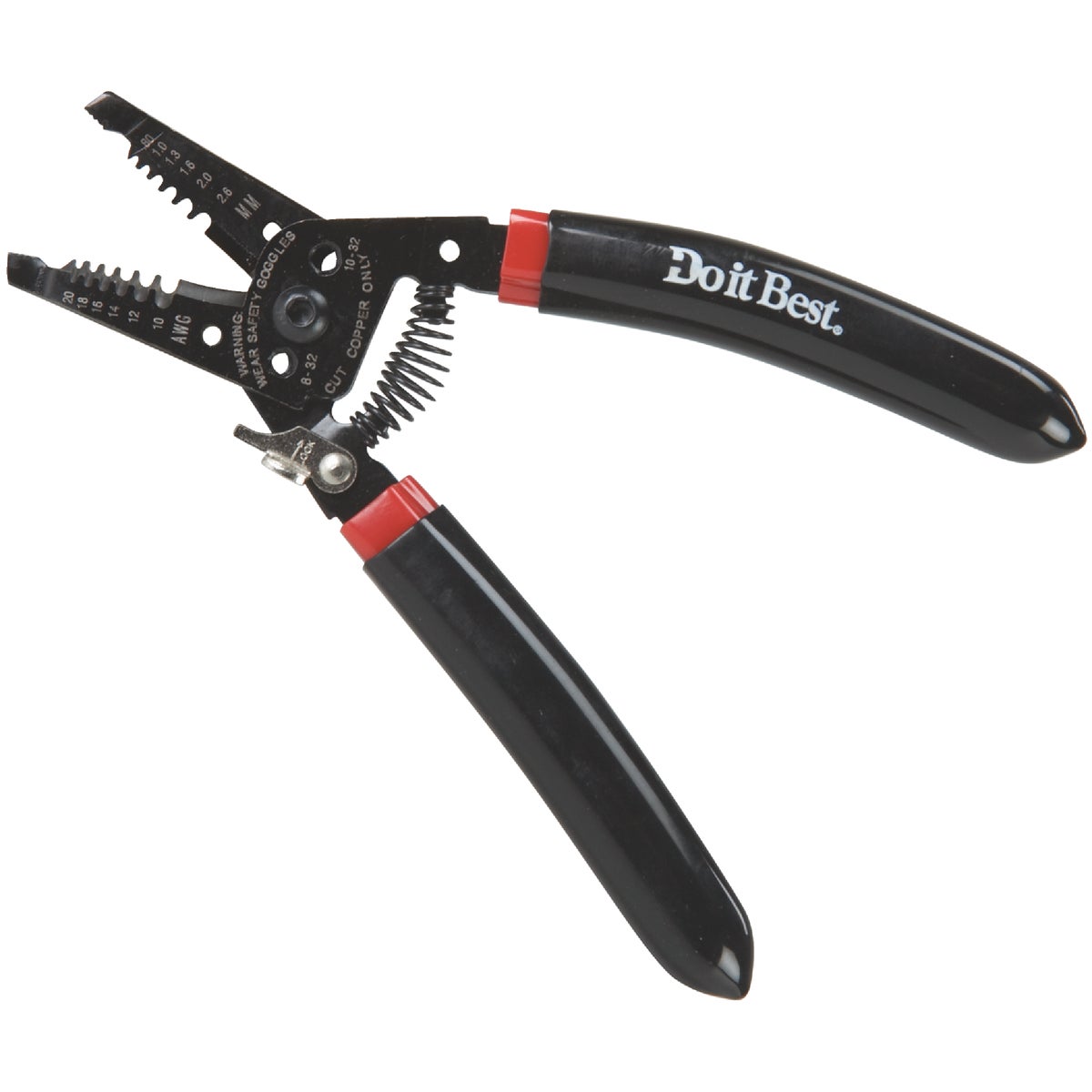
Nearly every electrical gremlin on a saltwater boat is a corroded connection, not a failed component. The fix is mechanical: a proper crimp, adhesive-lined heat shrink over it so salt air never reaches the copper, and dielectric grease in every plug and bulb socket. Do that and the circuit outlives the boat.
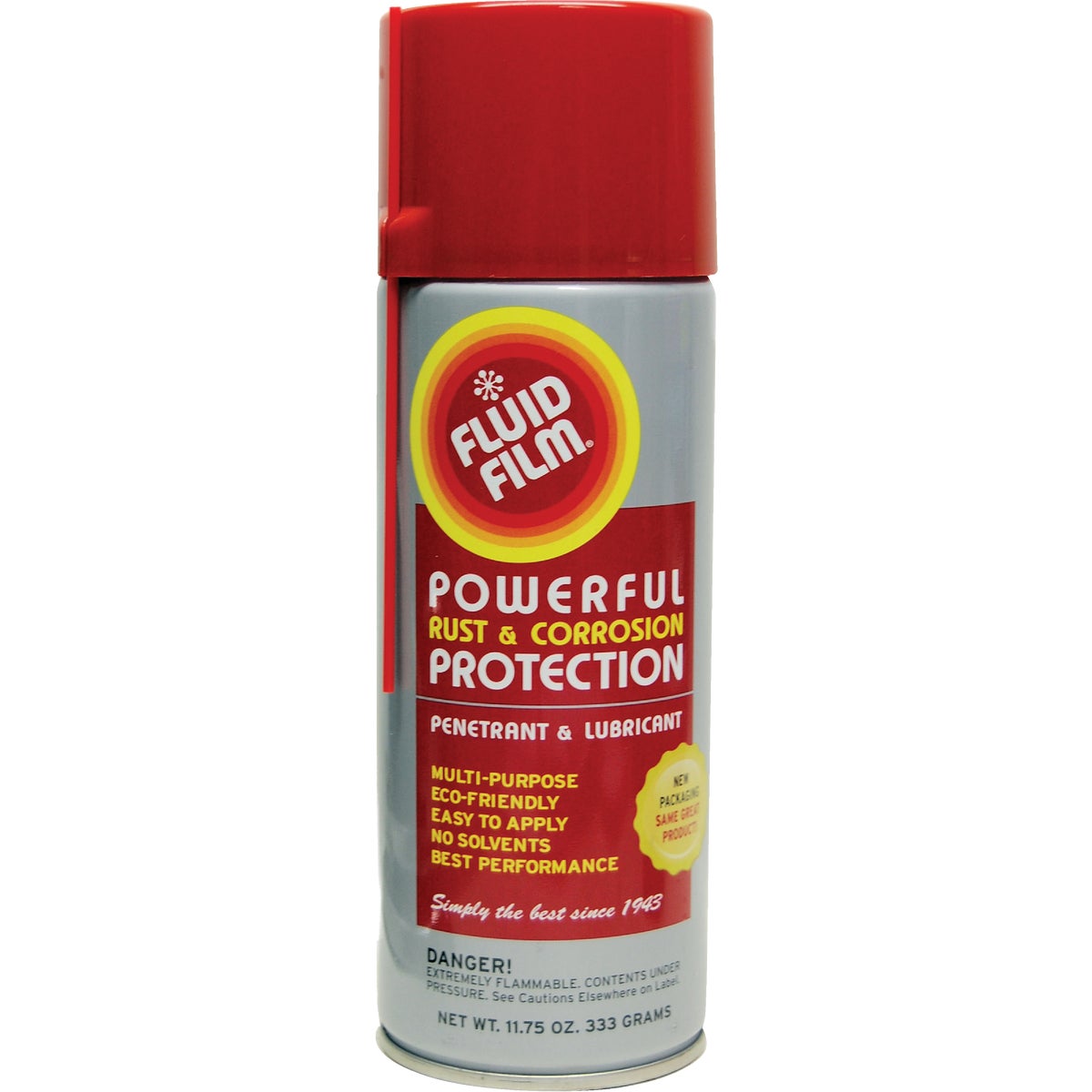
Corrosion Control
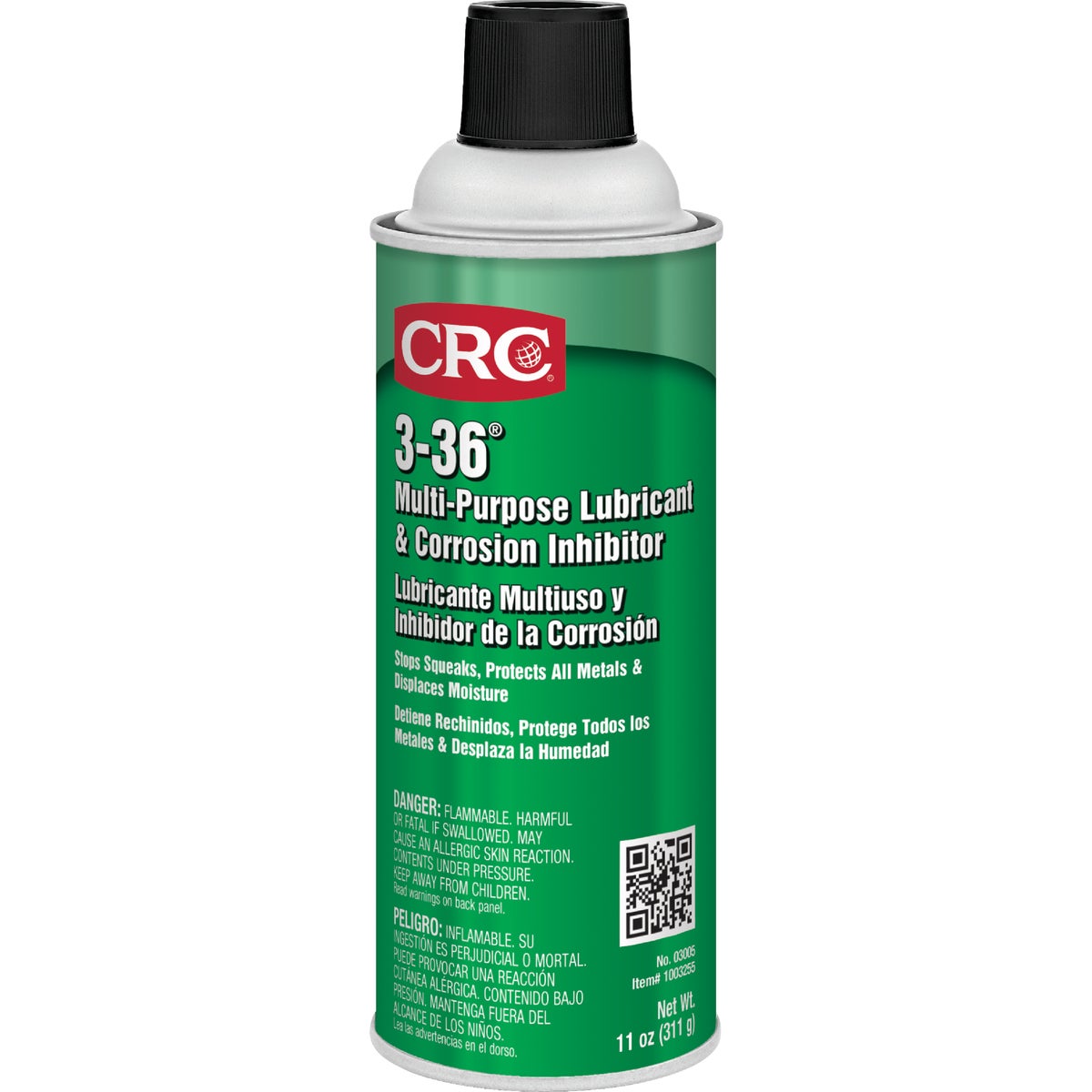
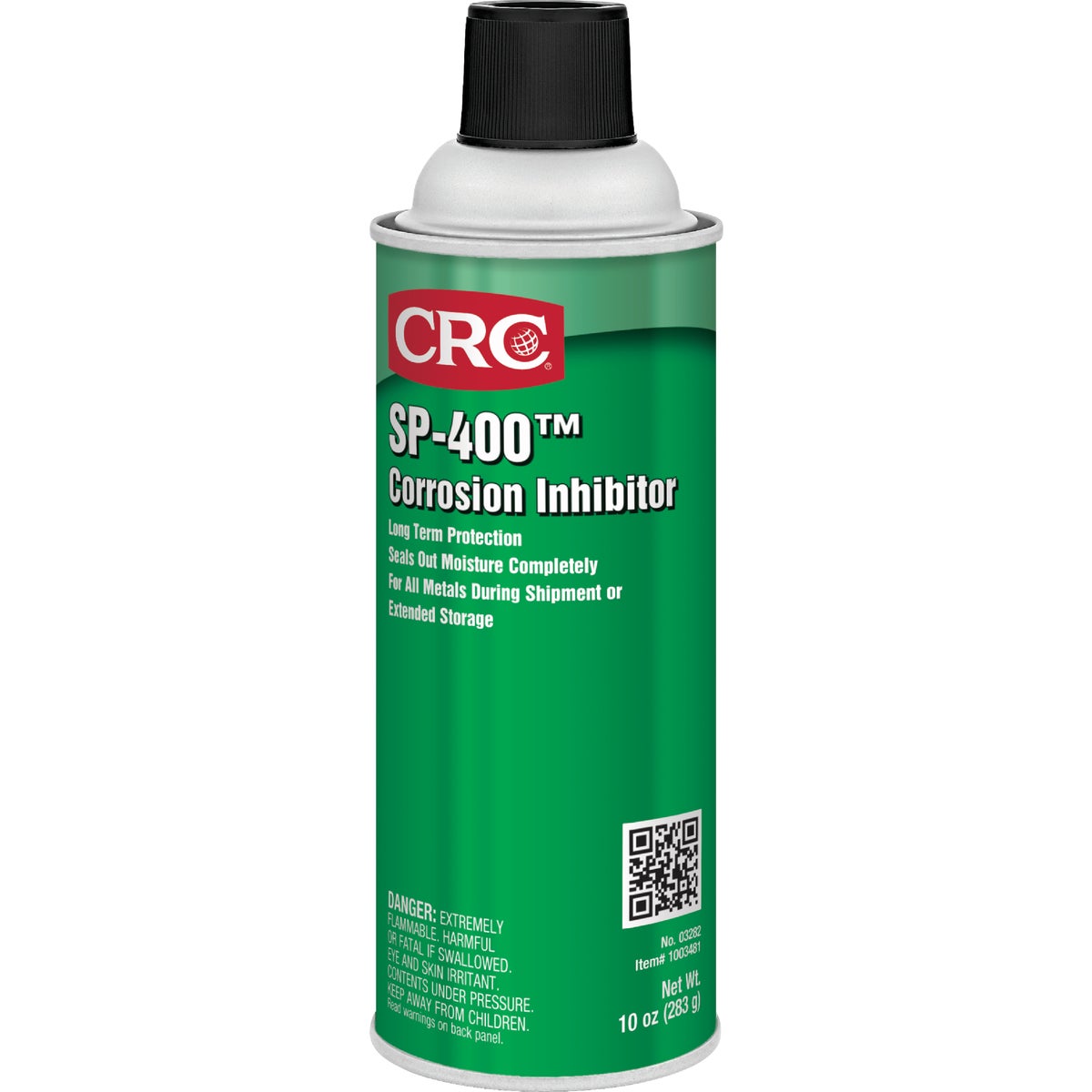
Salt does not stop working when you get home. A light film on the trailer frame, the engine bracket, the bolt threads and inside the switch panel is the cheapest maintenance in boating, and the difference between a five-year trailer and a fifteen-year one in this climate.
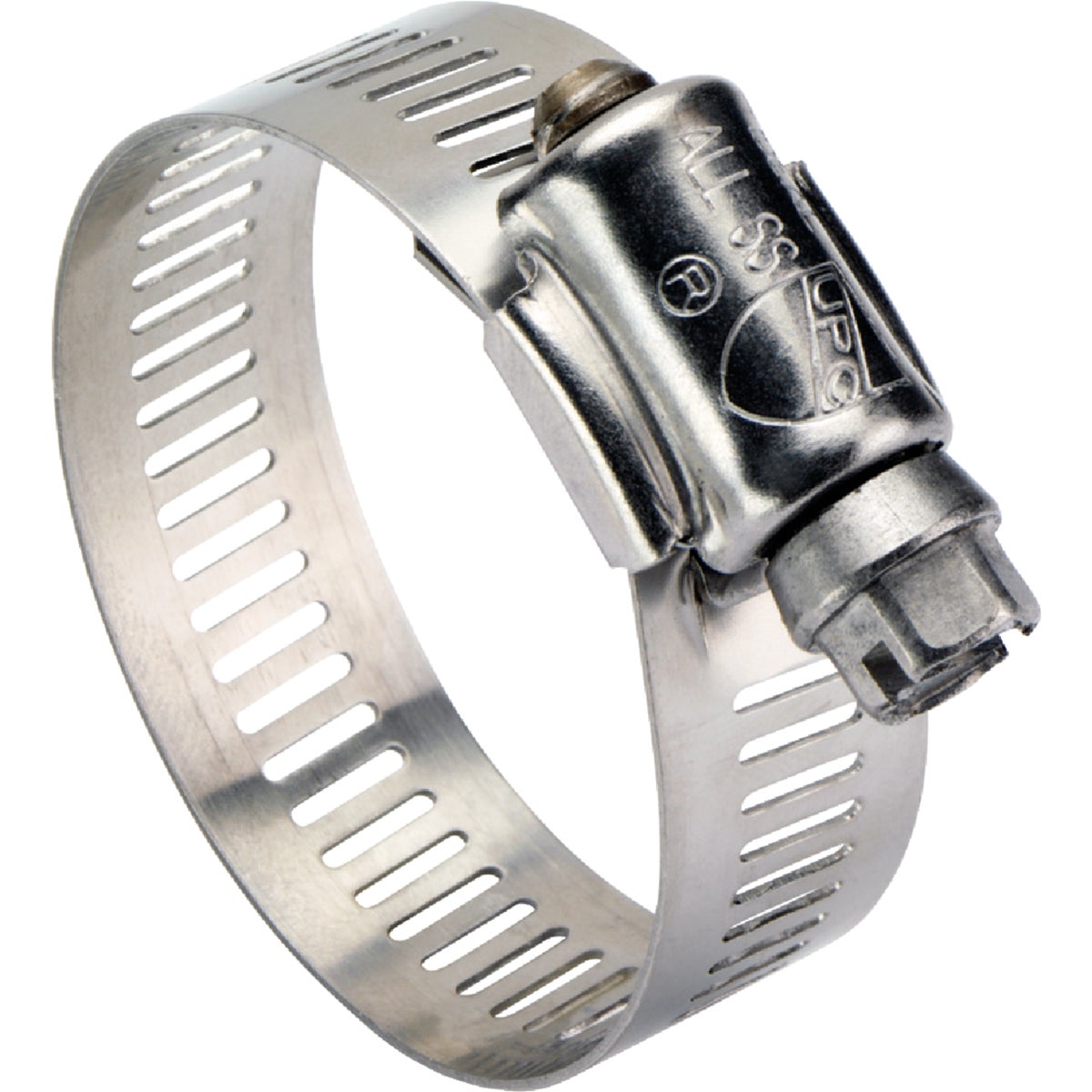
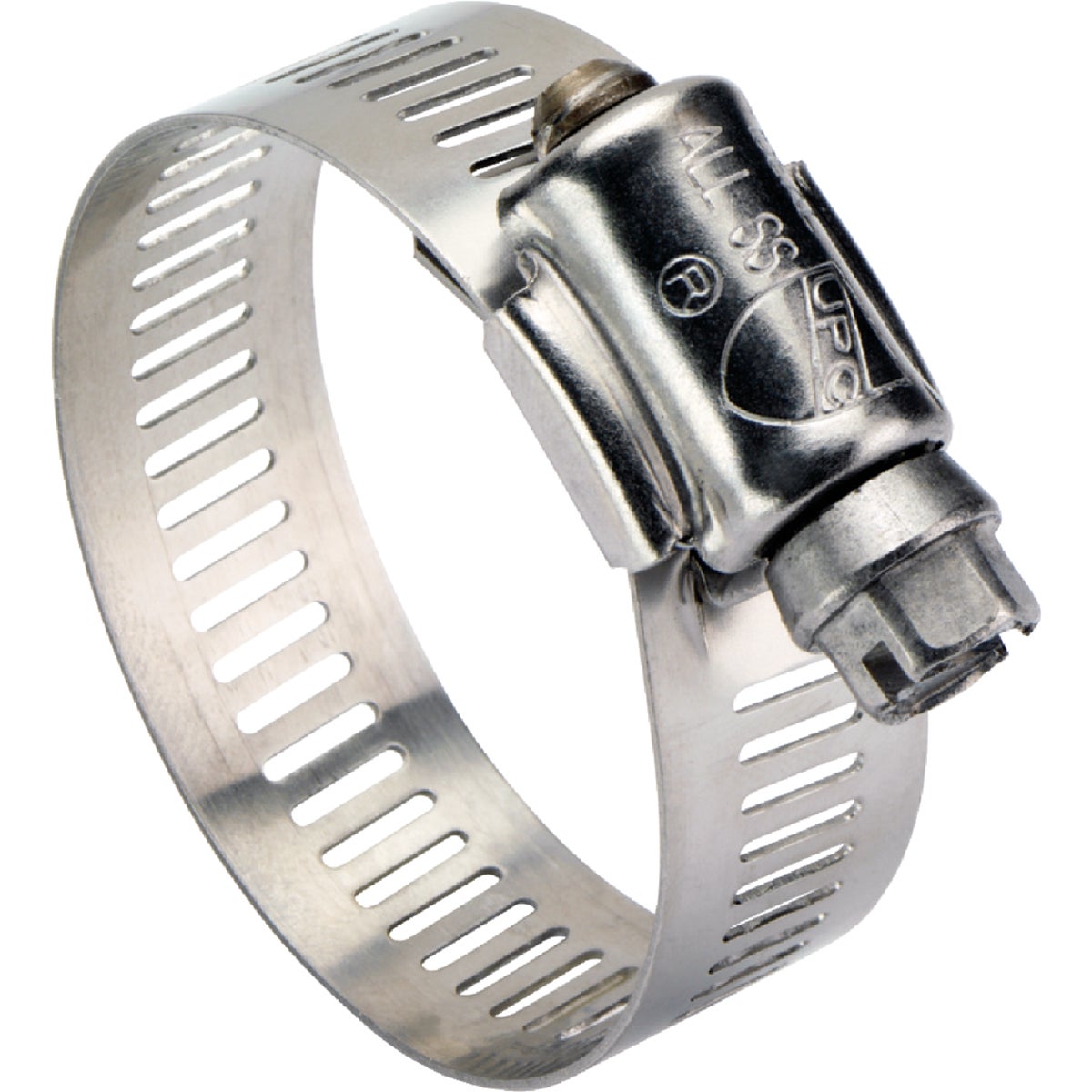
Hoses & All-Stainless Clamps
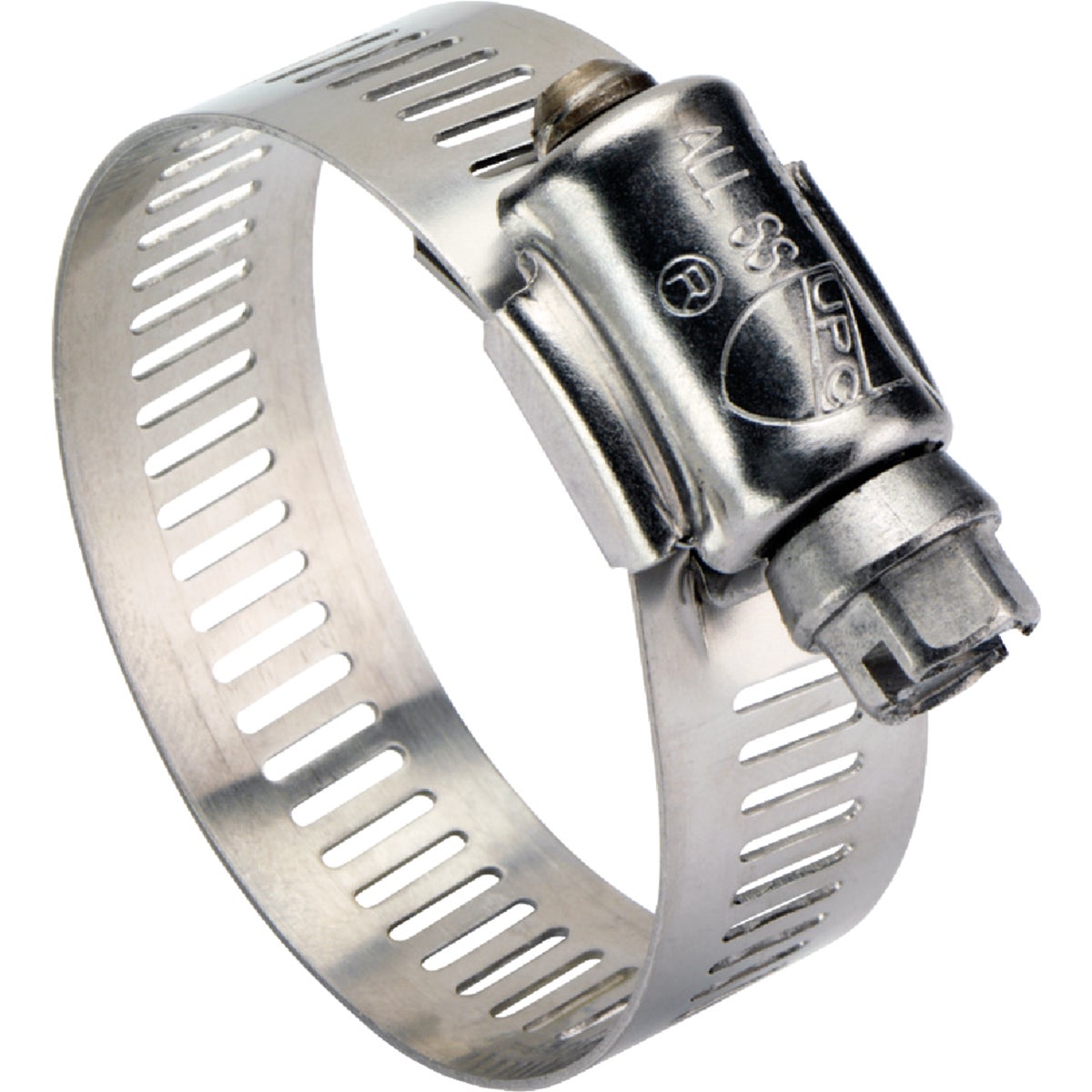
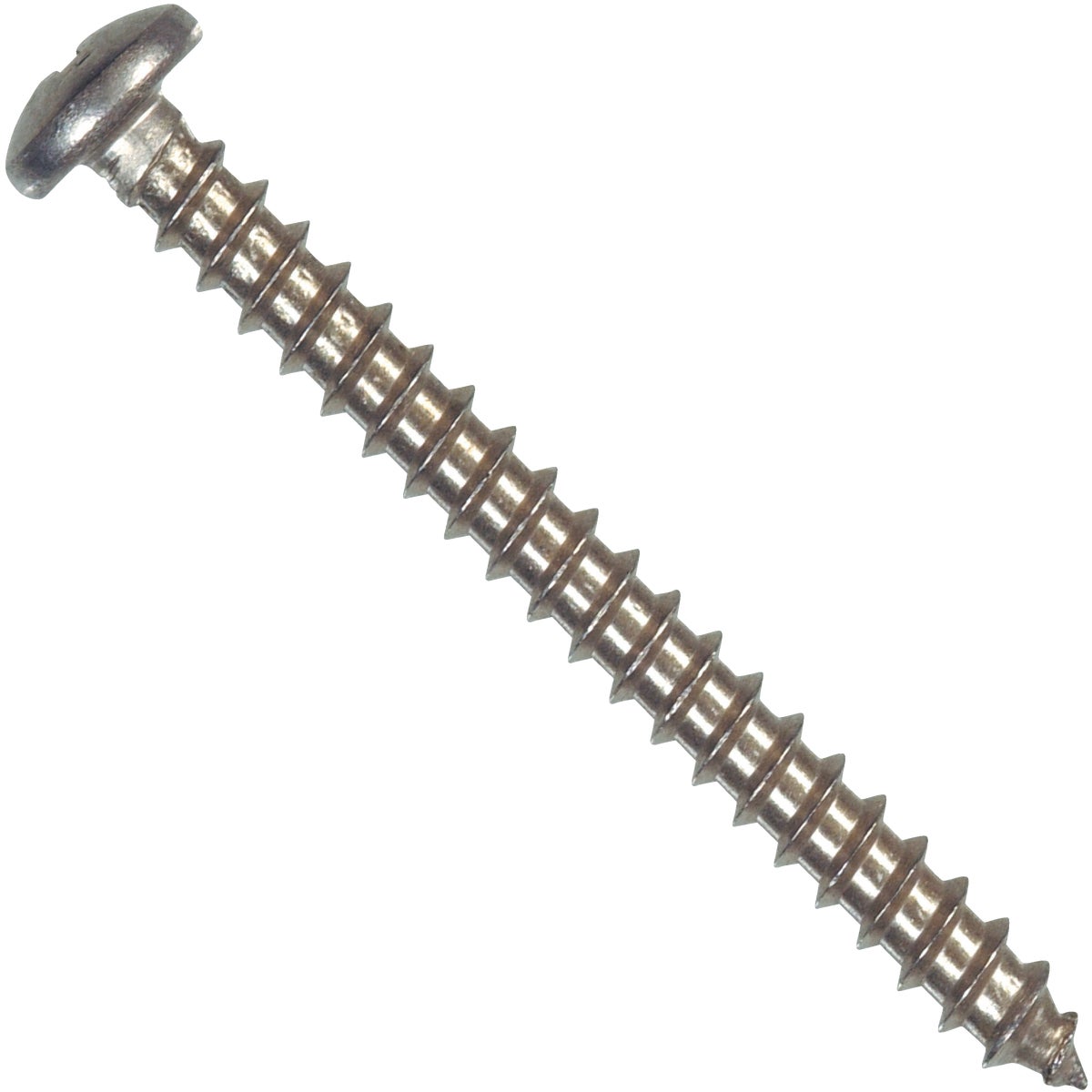
A "stainless" hose clamp usually means a stainless band with a plated screw and housing, and in salt air the screw seizes and snaps first. All-stainless clamps cost about a dollar more and are the only kind worth putting below the waterline or anywhere you cannot easily reach again.
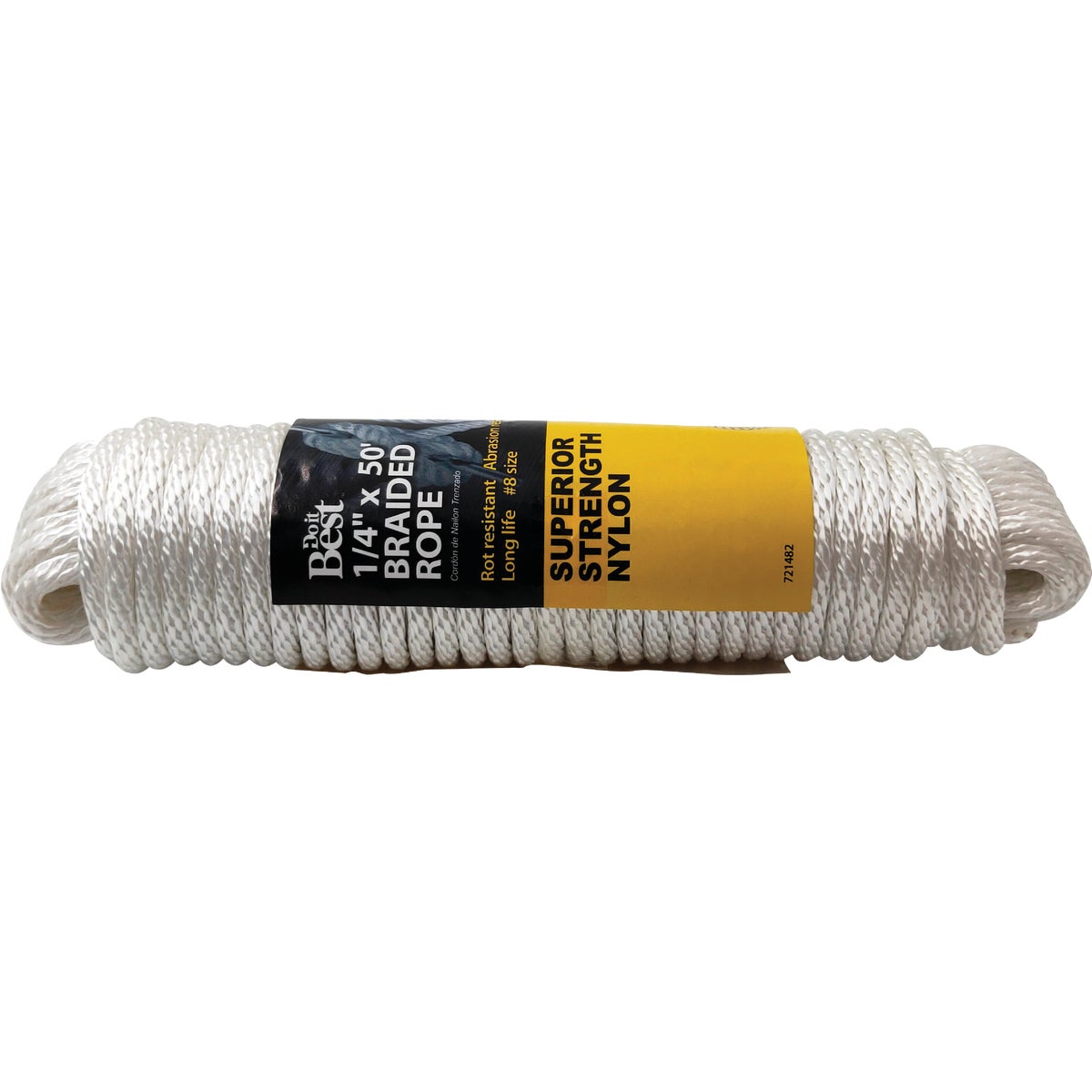
Line, Snaps & Tie-Downs
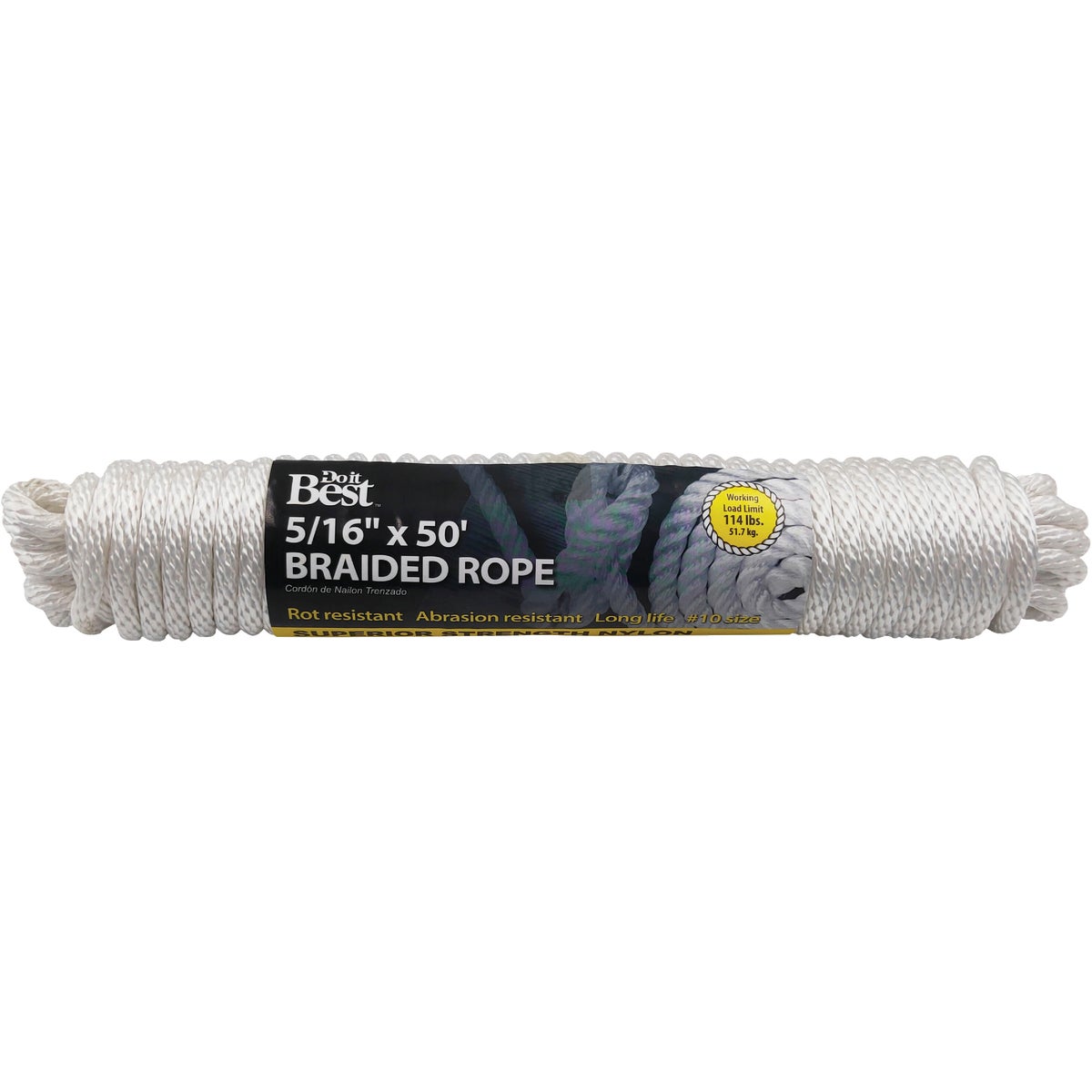
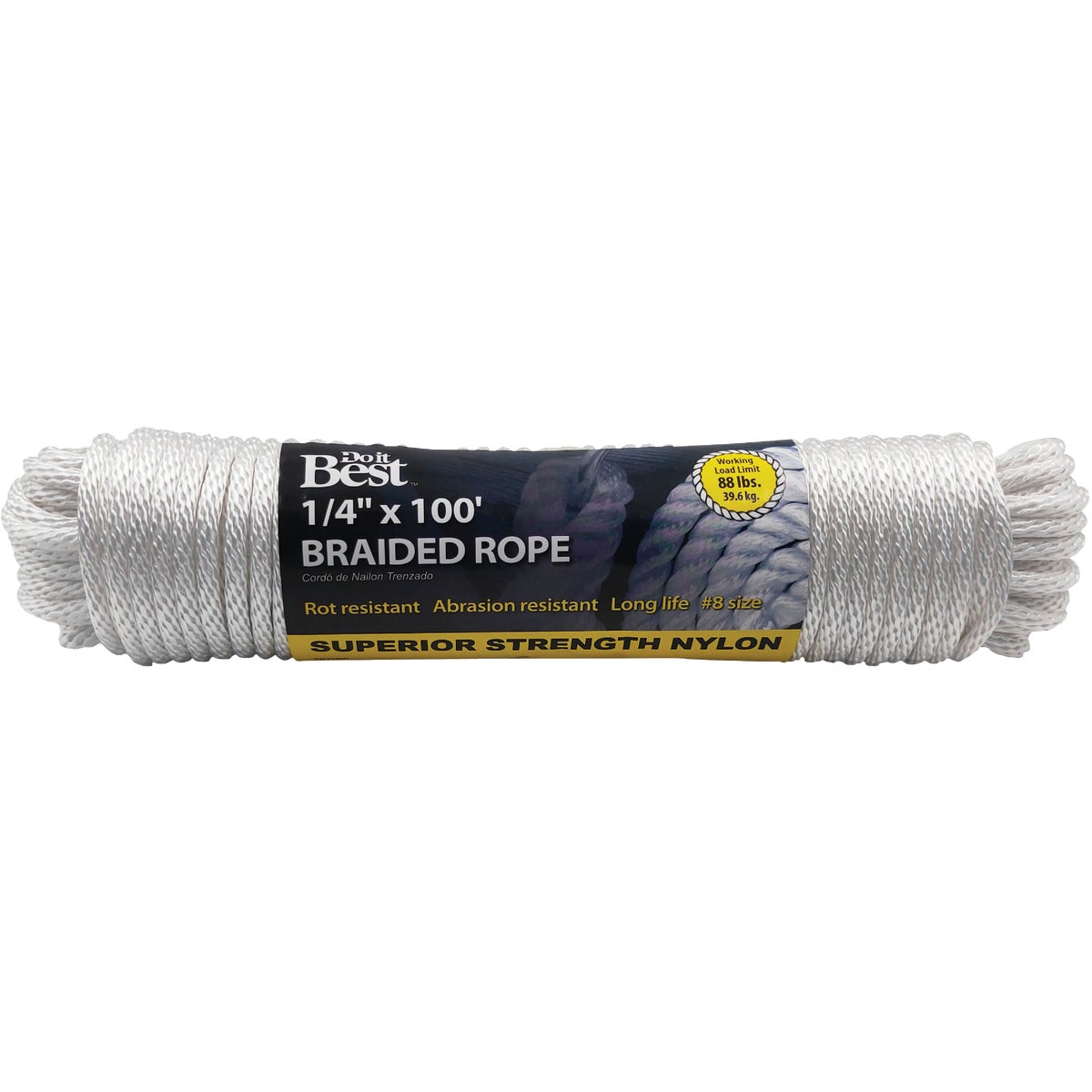
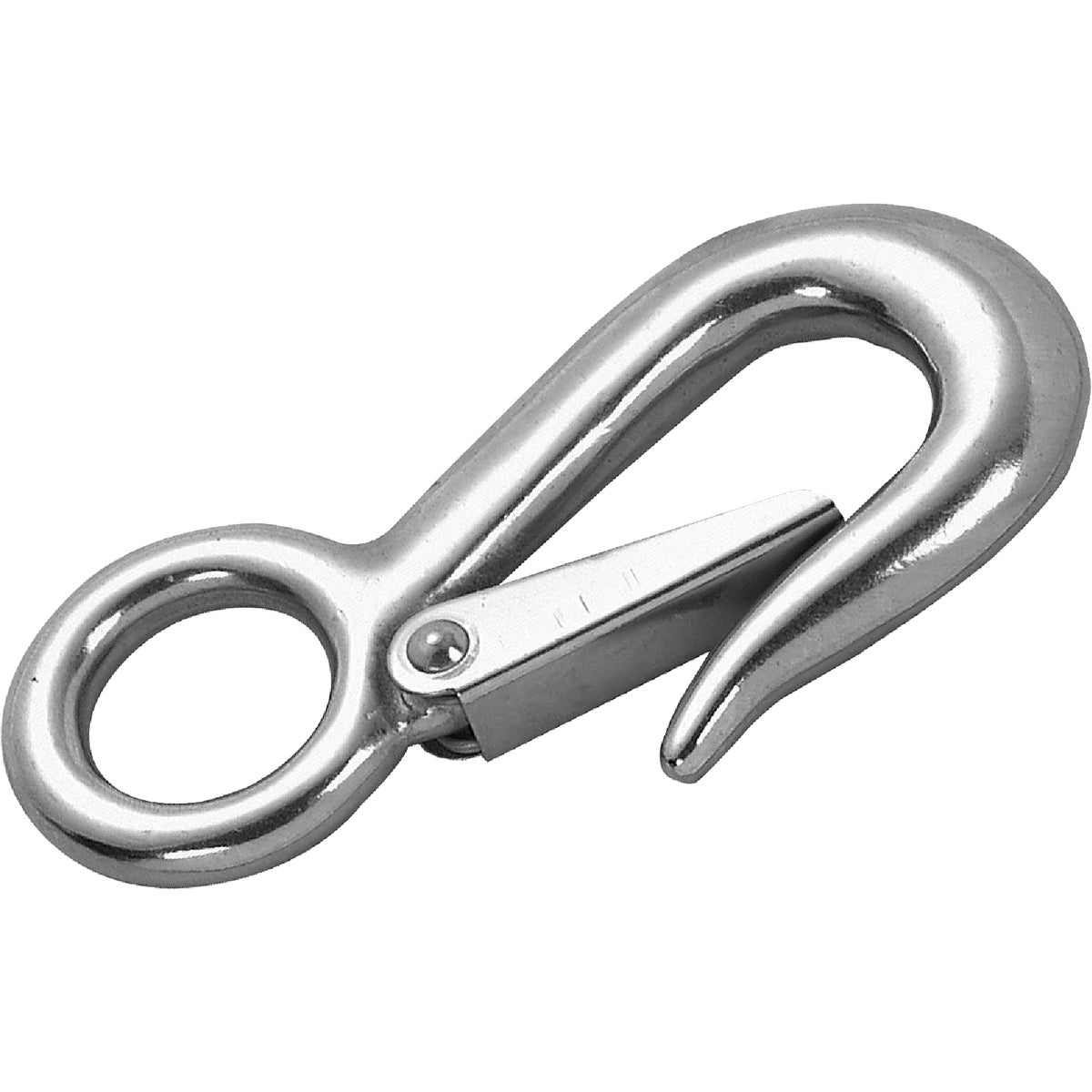
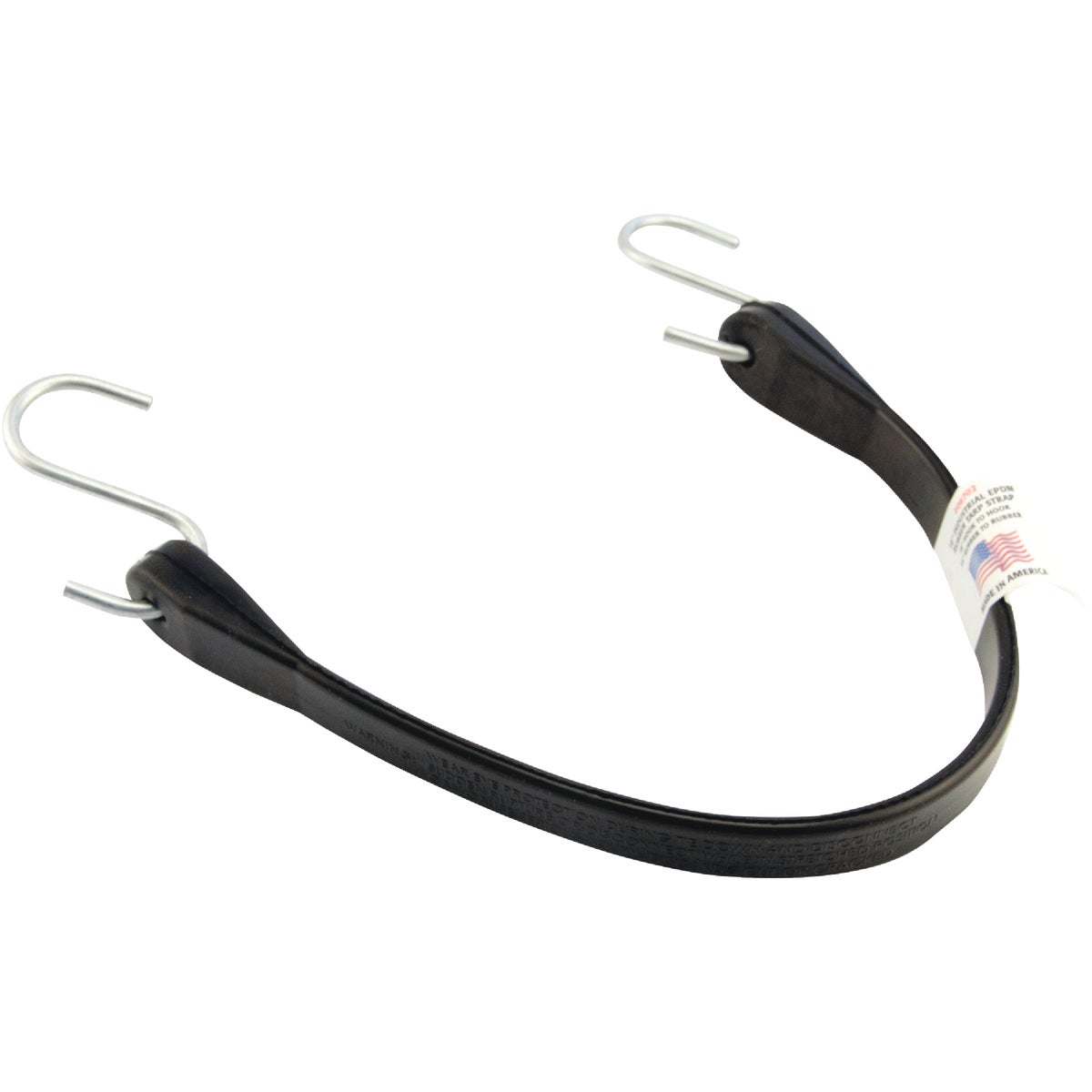
Dock lines, anchor rode, kayak deck rigging and the straps that keep everything on the trailer at 70 mph. Nylon for anything that should stretch under shock load; polypropylene where you want it to float.
Trailer & Power
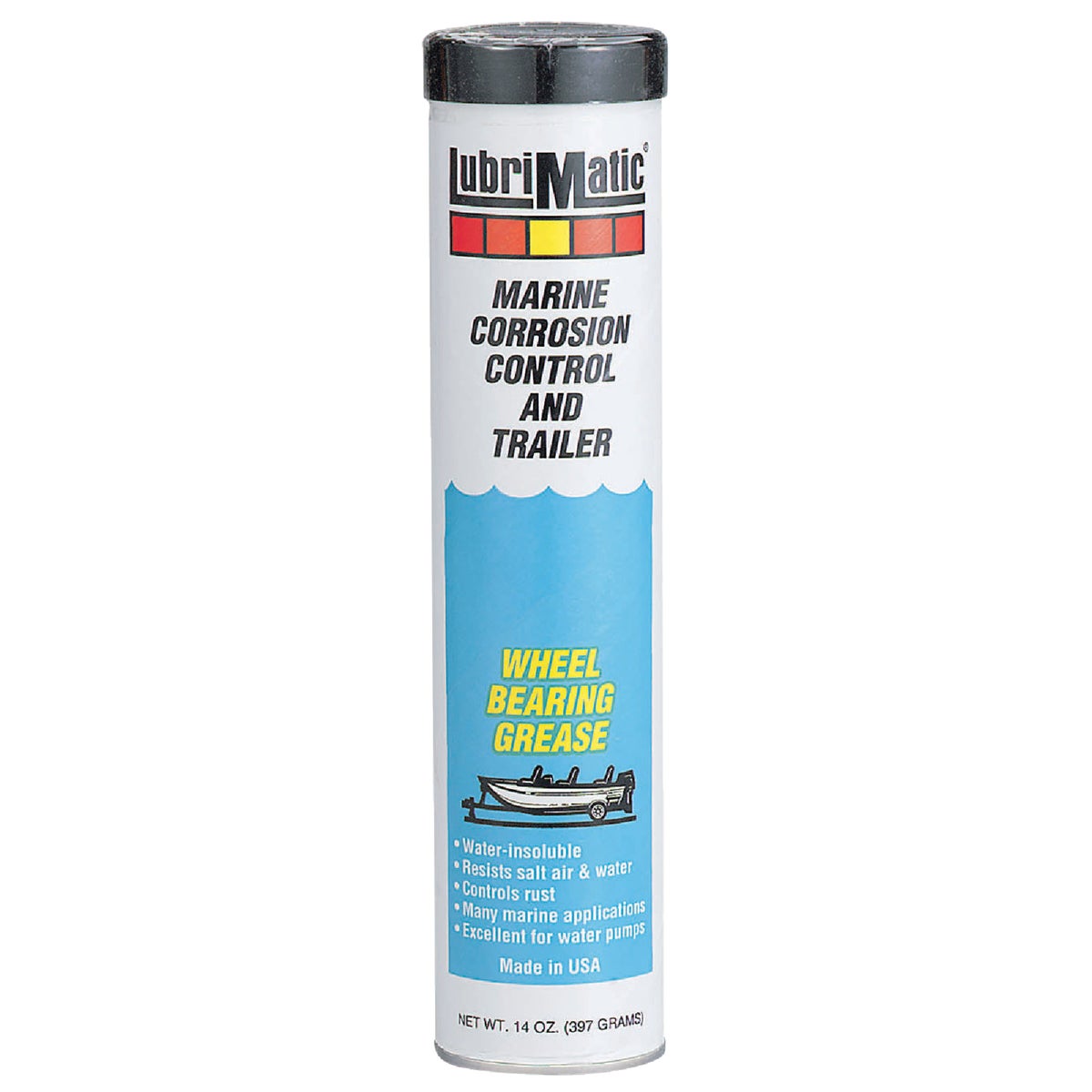
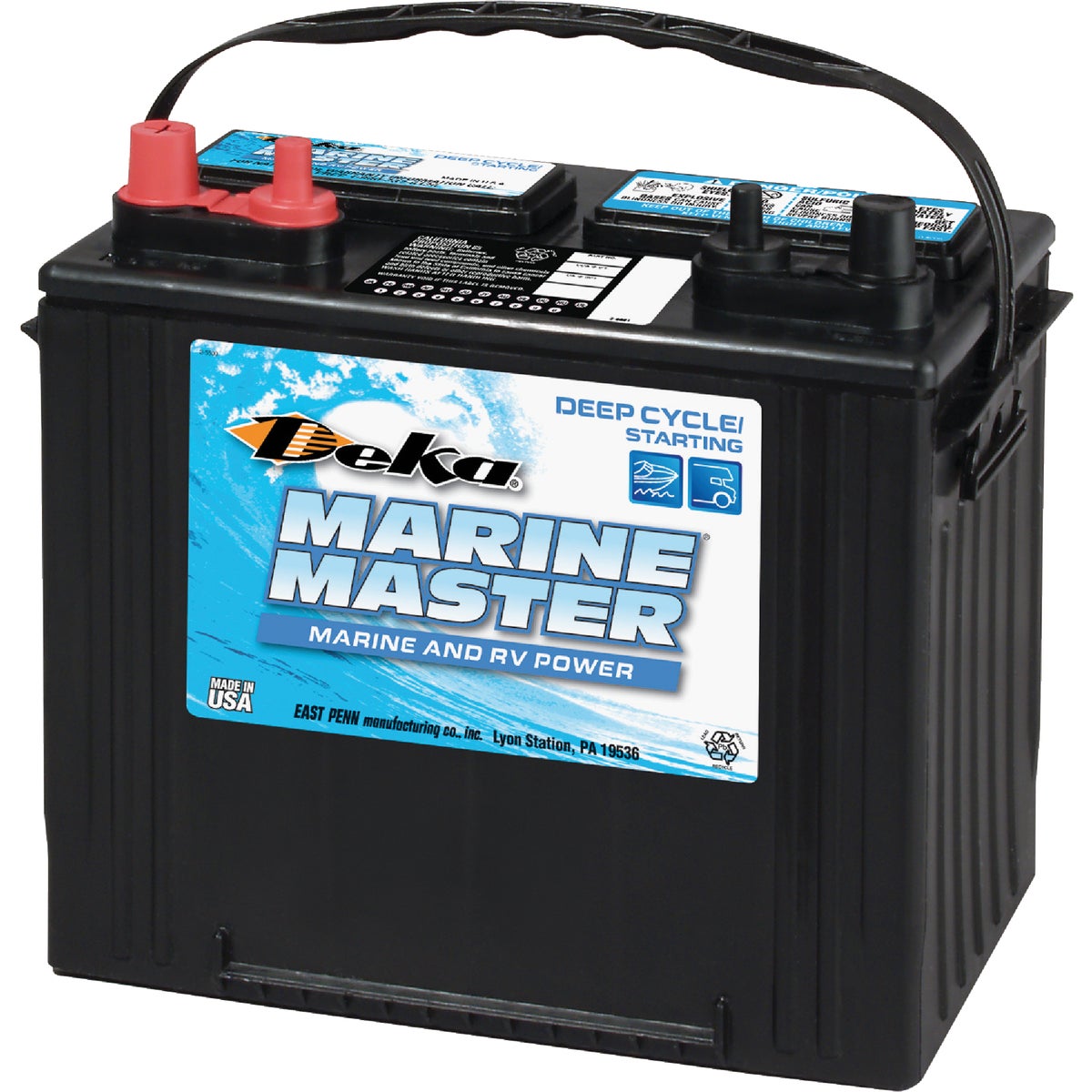
The trailer is the part that actually goes in the salt water, and the part everyone forgets until the bearings scream on the causeway. Bearings and a battery are the two things worth getting ahead of.
Safety
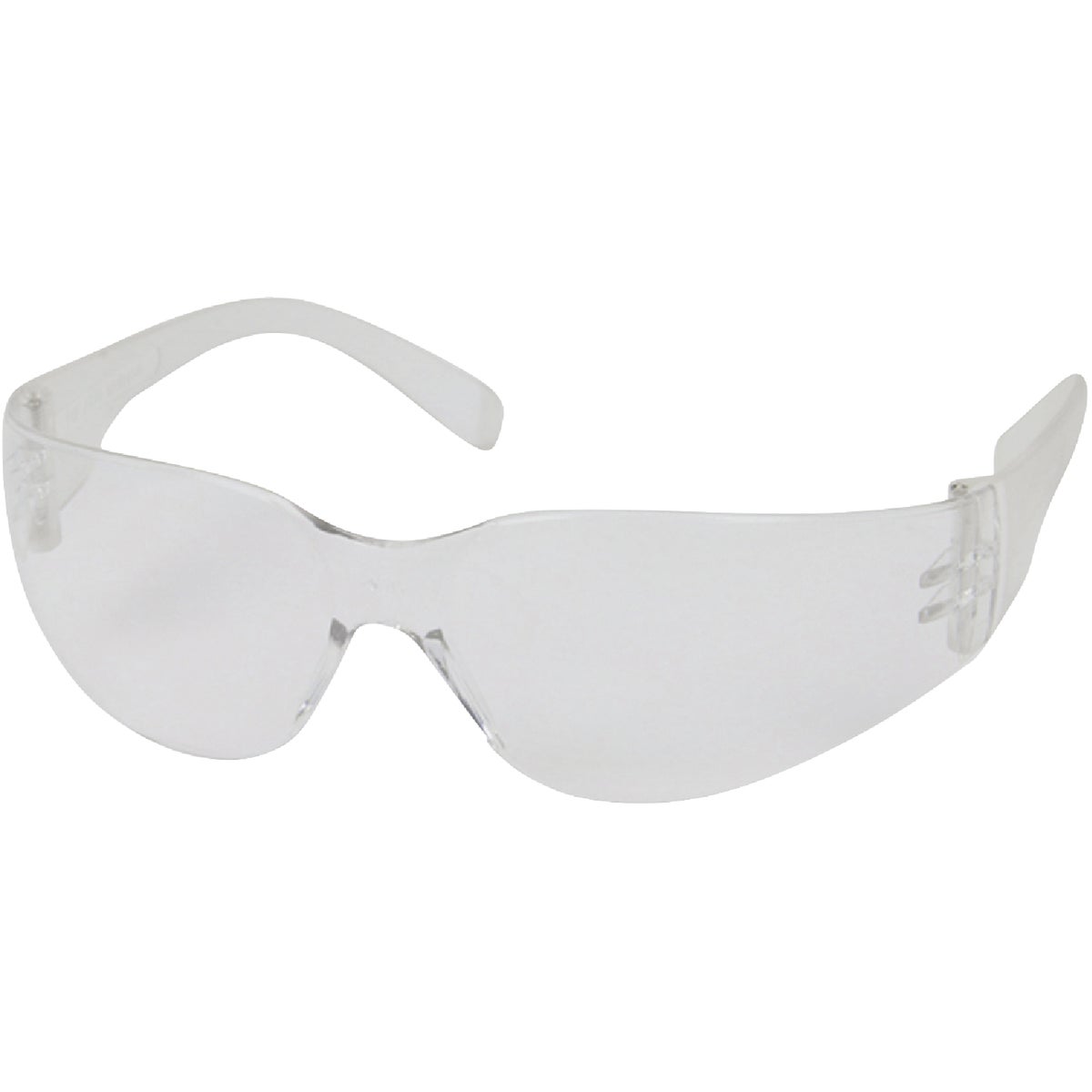
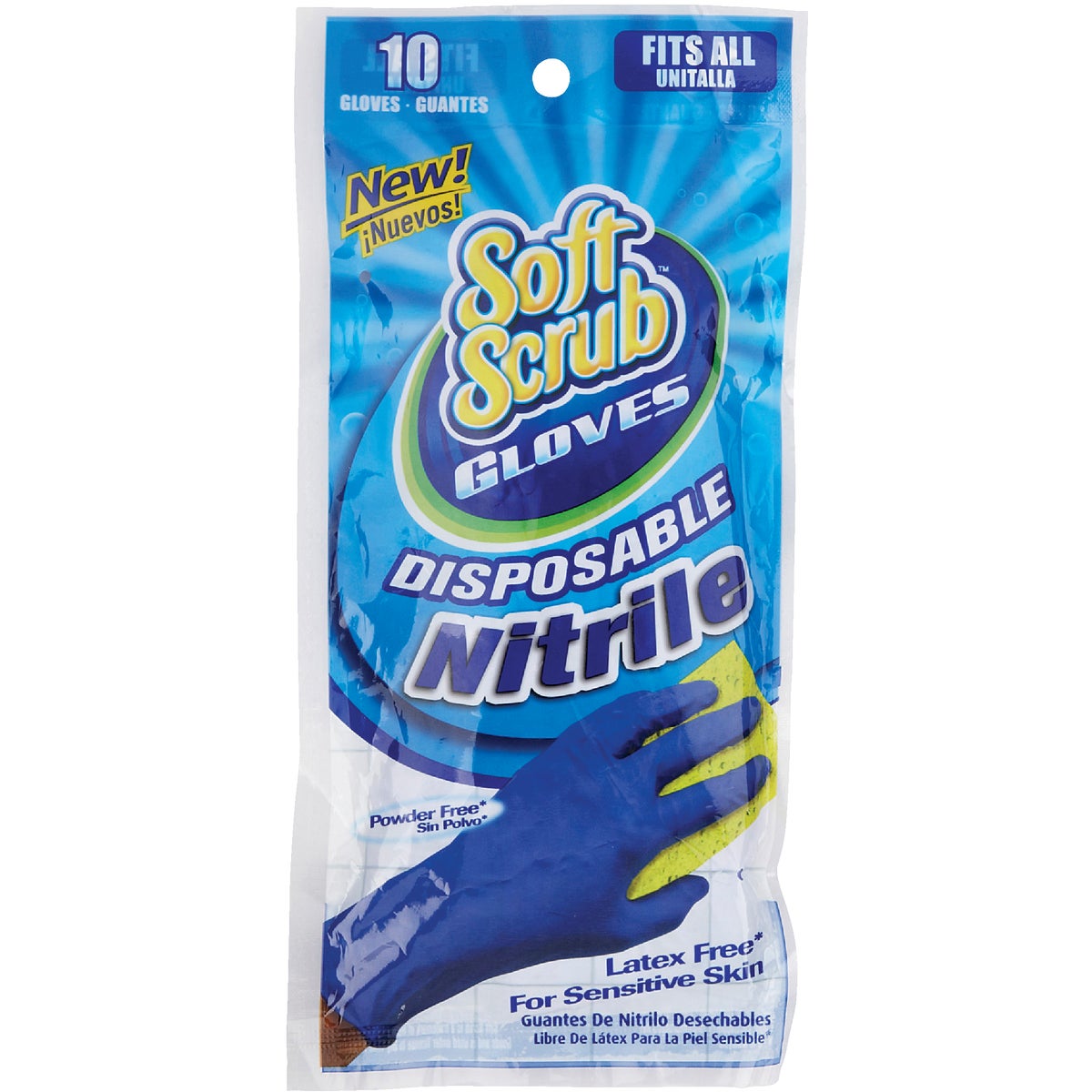
Sealants, solvents and grinding stainless. Two items, both cheap.
How to Bed Deck Hardware So It Never Leaks
A leaking deck fitting does not just drip — it soaks the core around it, and by the time you notice the soft spot the repair is a weekend instead of an hour. This is the standard method, and the only step people skip is the one that matters most.
Drill the hole oversize, then seal the core
On a cored deck, drill the hole larger than the fastener, dig out a few millimeters of core around the edge, and fill the void with thickened epoxy. Re-drill to size through the cured epoxy. The fastener now passes through solid epoxy, not exposed core — this is the step that actually prevents rot, and the one almost everyone skips.
Choose the sealant deliberately
Use 5200 only if the fitting is structural and you accept that it is permanent. For anything you may ever service — deck plates, rod holders, electronics, trim — use marine silicone or a removable-grade sealant. Getting this backwards is the most expensive mistake in this whole process.
Bed the fitting, not just the hole
Lay a bead around each hole and a ring under the full footprint of the fitting, and butter the fastener threads and the underside of the head. Water gets in around the fastener as often as around the base.
Snug it down, then stop
Tighten only until sealant just begins to squeeze out. Do not torque it down now — that squeezes out the sealant you just put there and leaves a starved joint, which is exactly how a "properly bedded" fitting still leaks.
Let it cure, then final-tighten
Wait the full cure time, then come back and tighten fully. You now have a compressed gasket of cured sealant instead of a thin smear. Trim the squeeze-out with a sharp blade rather than wiping it wet.
Boat & Marine Supply Questions, Answered
5200 is a structural adhesive sealant — it bonds as strongly as it seals, and removing a fitting bedded in it usually means heat, solvent and damage to the gelcoat. 4200 has roughly a quarter of the tensile strength and is designed to be removable, which makes it the right choice for anything you may ever service. The rule that saves boats: 5200 for permanent structural bonds like thru-hulls and transom hardware, something removable for deck plates, rod holders, trim and electronics. Fast Cure 5200 sets in about 24 hours instead of five to seven days.
Standard 5200 takes five to seven days to fully cure; the Fast Cure version takes about 24 hours. Both skin over much sooner than they cure through. Humidity speeds polyurethane cure, so Southwest Florida is at the fast end of the range. Do not launch a boat with structural hardware bedded in uncured 5200, and do not final-tighten fasteners until the cure is complete.
Household silicone is a poor marine sealant: it has weak adhesion to gelcoat, it grows mildew fast in this climate, and once a surface has had silicone on it almost nothing else will bond there afterward — including paint and better sealants. Use a marine-grade mildew-resistant silicone or a polyurethane sealant instead. The contamination problem is the real reason to care; a silicone repair can make the proper repair harder later.
Because most of them are not fully stainless. A typical "stainless" clamp has a 300-series band with a plated carbon steel screw and housing, and in salt air the screw is what seizes, rusts and eventually snaps — usually while you are trying to loosen it. All-stainless clamps have a stainless band, housing and screw, cost about a dollar more, and are the only kind worth using below the waterline or anywhere you cannot easily reach again. Doubling clamps on critical hose is standard practice.
Three habits. Crimp properly with a real crimping tool rather than pliers, so the connection is gas-tight. Cover every crimp with adhesive-lined heat shrink, so salt air cannot reach the copper — bare crimps wick corrosion up under the insulation where you cannot see it until the circuit fails. And put dielectric grease in every bulb socket, trailer plug and connector body. Use ring terminals rather than spades anywhere that vibrates, because a ring cannot back off a stud.
Once a season for a trailer that gets dunked in salt water, and sooner if you launch frequently. The failure mode is specific: hot bearings hit cold water, the air inside contracts, and water gets pulled straight past the seal. Marine wheel bearing grease resists that washout better than automotive grease. Bearing failure on a causeway is the most common way a boat day ends early, and it is entirely preventable with an hour and a tube of grease.
Braided or twisted nylon. Nylon stretches under load, and that stretch is what absorbs wake and wind shock instead of transmitting it to your cleats or the dock. Polypropylene floats and resists rot but has almost no stretch and degrades in UV, which makes it right for a throw line and wrong for a dock line. Size roughly 1/4 inch for kayaks and small skiffs, 5/16 to 3/8 inch for a bay boat or center console.
Small-diameter braided nylon for deck rigging, stainless pad eyes and stainless screws, marine sealant at every hole through the hull, and heat shrink over any wiring for lights or a fish finder. The rule that matters on a kayak is the same as on a boat: every fastener that penetrates the hull gets bedded in sealant, because a plastic hull that takes on water is a hull that gets heavier all day.
No — we are a hardware store, not a marine dealer, so no props, outboards, electronics, or hull parts. What we stock is the consumable and rigging side: sealants, epoxies, wiring and connectors, corrosion inhibitors, all-stainless clamps and fasteners, line, tie-downs, trailer grease and batteries. Most of it is the same product a marine store sells with a marine markup.
Family Hardware carries the full list on this page at both stores, and both are a short drive from the ramps. Cape Coral: 622 SE 47th Terrace — (239) 542-6365. Fort Myers: 13101 McGregor Blvd — (239) 933-1744. Open Mon–Sat 7 AM–6 PM and Sun 8 AM–3 PM, which covers an early launch. Order online for free in-store pickup, usually ready within 2 hours.
Related Guides
These overlap with this list more than you would expect — often the same shopper, and frequently the same aisle.
Pick It Up Today in Cape Coral or Fort Myers
Order online for free in-store pickup — usually ready within 2 hours — or just come in. Prices shown are our everyday shelf prices at both stores; stock on any single item is on its product page.
622 SE 47th Terrace, Cape Coral, FL 33904
Mon–Sat 7 AM–6 PM | Sun 8 AM–3 PM
Departments, services and directions for our Cape Coral store →
13101 McGregor Blvd, Fort Myers, FL 33919
Mon–Sat 7 AM–6 PM | Sun 8 AM–3 PM
Departments, services and directions for our Fort Myers store →
Free shipping on orders over $99 • Free in-store pickup • Online customer service: 877-755-2005
About Family Hardware
Store Locations
About Us
Hurricane Prep Guide
Hobby Supply Guides
Employment
Customer Service
Contact Us
Returns
Shipping & Tracking
Gift Card Balance
Rewards
Promotions
Credit Application
Tax Exempt Purchases
Terms of Service
Privacy Policy
Locations
Cape Coral
Fort Myers
All Store Locations
Grills
Grill Store — All Grills
Alfa Pizza Ovens
Big Green Egg
Napoleon
Challenger Designs
Delta Heat
Tagwood BBQ
Twin Eagles
Replacement Parts
Warranty
Services
All Services
Saw Blade Sharpening
Saw Blade Shop
Key Cutting
Screen Repair
Propane Exchange
Lamp Repair
Key Fob Batteries
Freud
Lamello P-System
Popular Tools Saw Blades
Diablo
Tenryu
© 2026 Family Hardware. Family Hardware and the Family Hardware logo are registered trademarks of Family Hardware Corporation. All rights reserved.