
Holiday Light Display & Home Haunt Supplies
The yard display nobody sees: outdoor-rated cords, GFCI protection, timers, staples that will not pierce a wire, and the PVC and foam that props get built from. Get the power side right in September and the display runs itself until January.
Short answer
A yard display is an outdoor electrical installation, and that is the half people get wrong. Three rules cover nearly all of it. Every outdoor cord must be rated for outdoor use — the W or SJTW marking — because indoor cords have jackets that crack in UV and were never meant to sit in wet grass. Everything outdoors goes on a GFCI, either a GFCI outlet or an in-use cover with one built in; this is the item that turns a wet connection into a tripped breaker instead of a shock. And never staple through a wire — use insulated staples, clips or zip ties, because a staple that nicks the insulation is a fault that shows up weeks later in the rain. Add a timer so the display is not a nightly chore, and the whole thing runs itself.
The Display Power Kit
Get this right once in September and everything else is decoration: a properly rated cord, a GFCI, a timer, and a safe way to hang it. These 5 items run about $131.45 all in.
Outdoor-Rated Cords
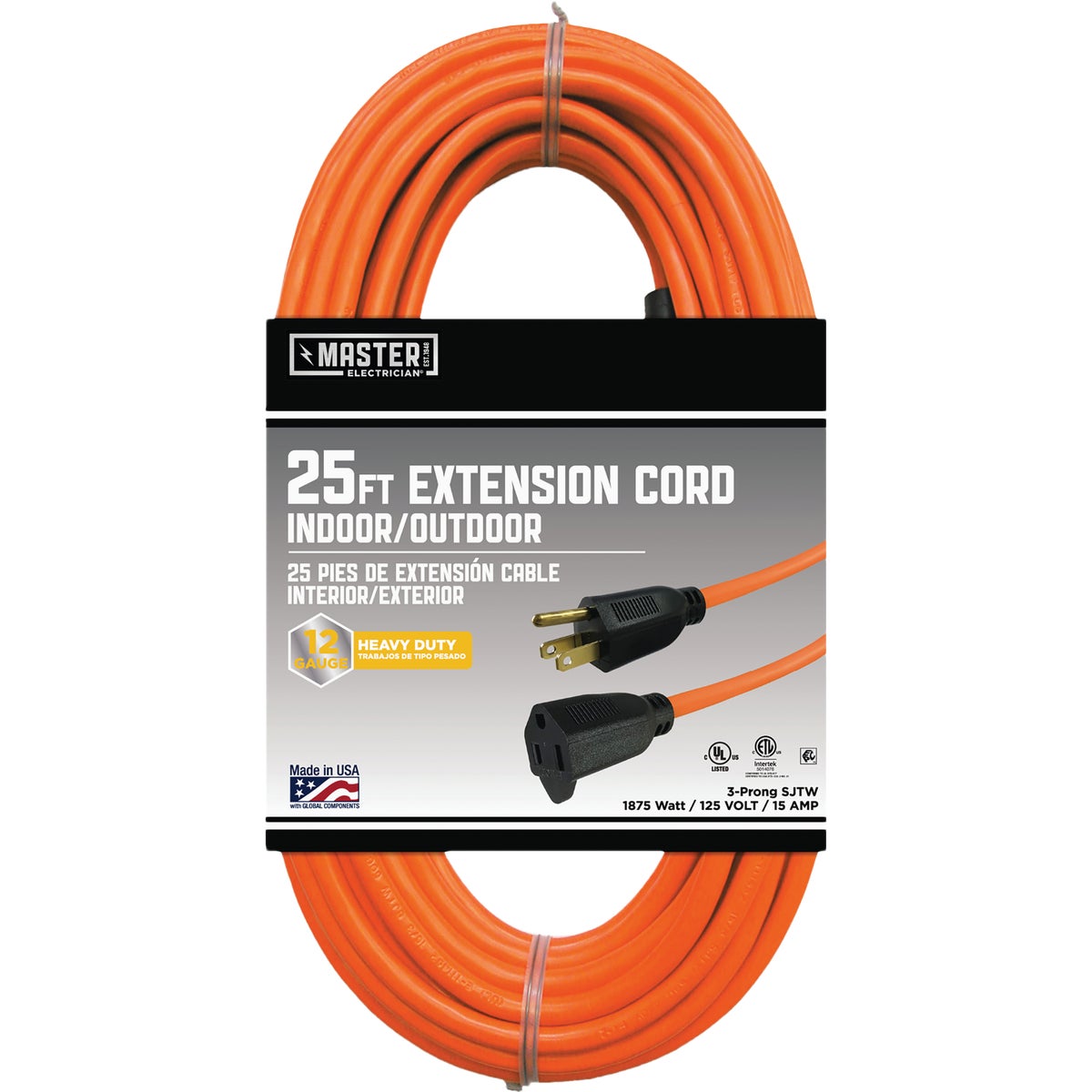
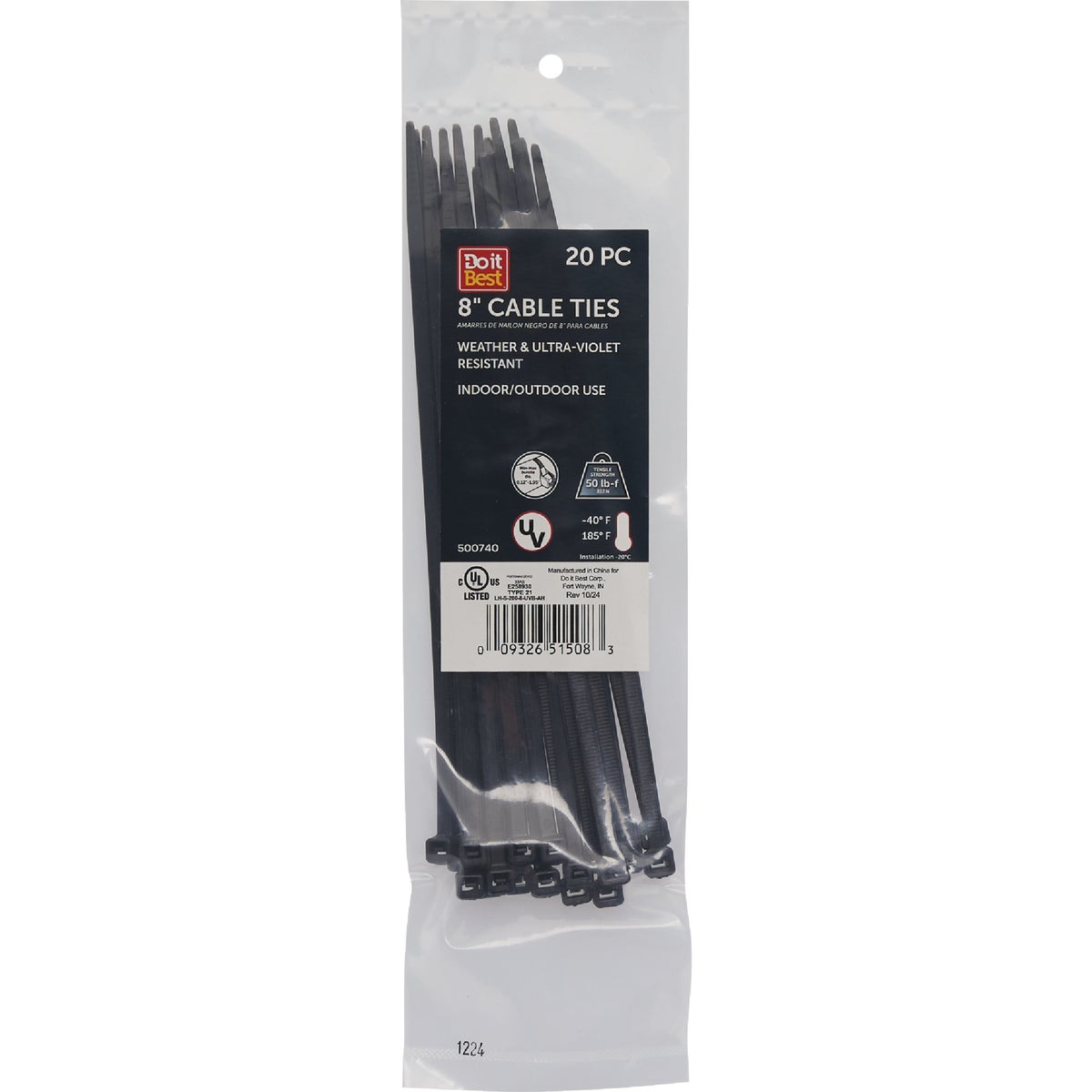
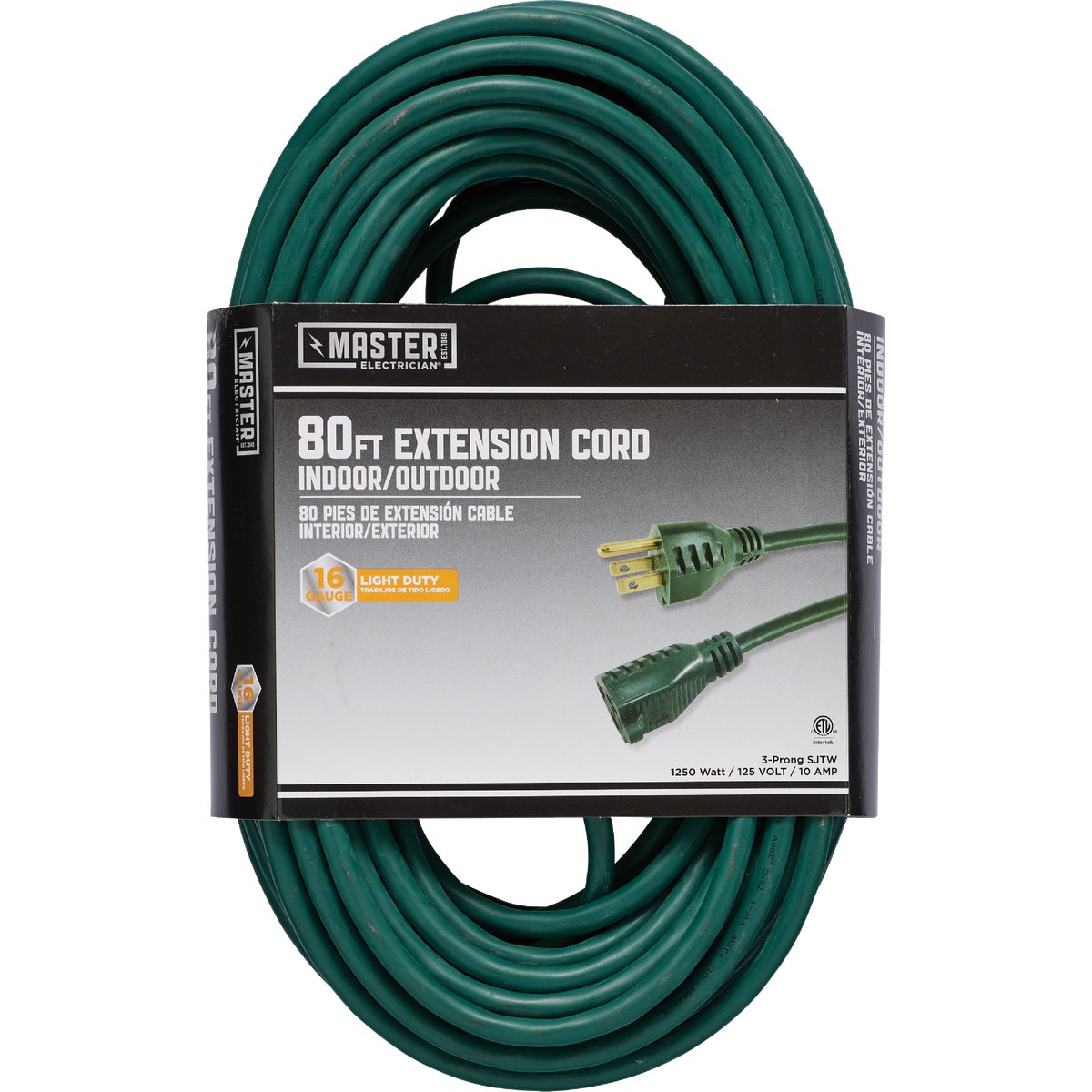
Look for W or SJTW on the jacket — that is the marking that means outdoor-rated, with a jacket built for UV and moisture. Gauge matters as much as length: heavier wire (a lower number) carries more current with less voltage drop, and a long run of thin cord is how the far end of a display ends up dim. Run one heavy cord out to the yard and split there, rather than daisy-chaining light cords across it.
Timers & Photocells
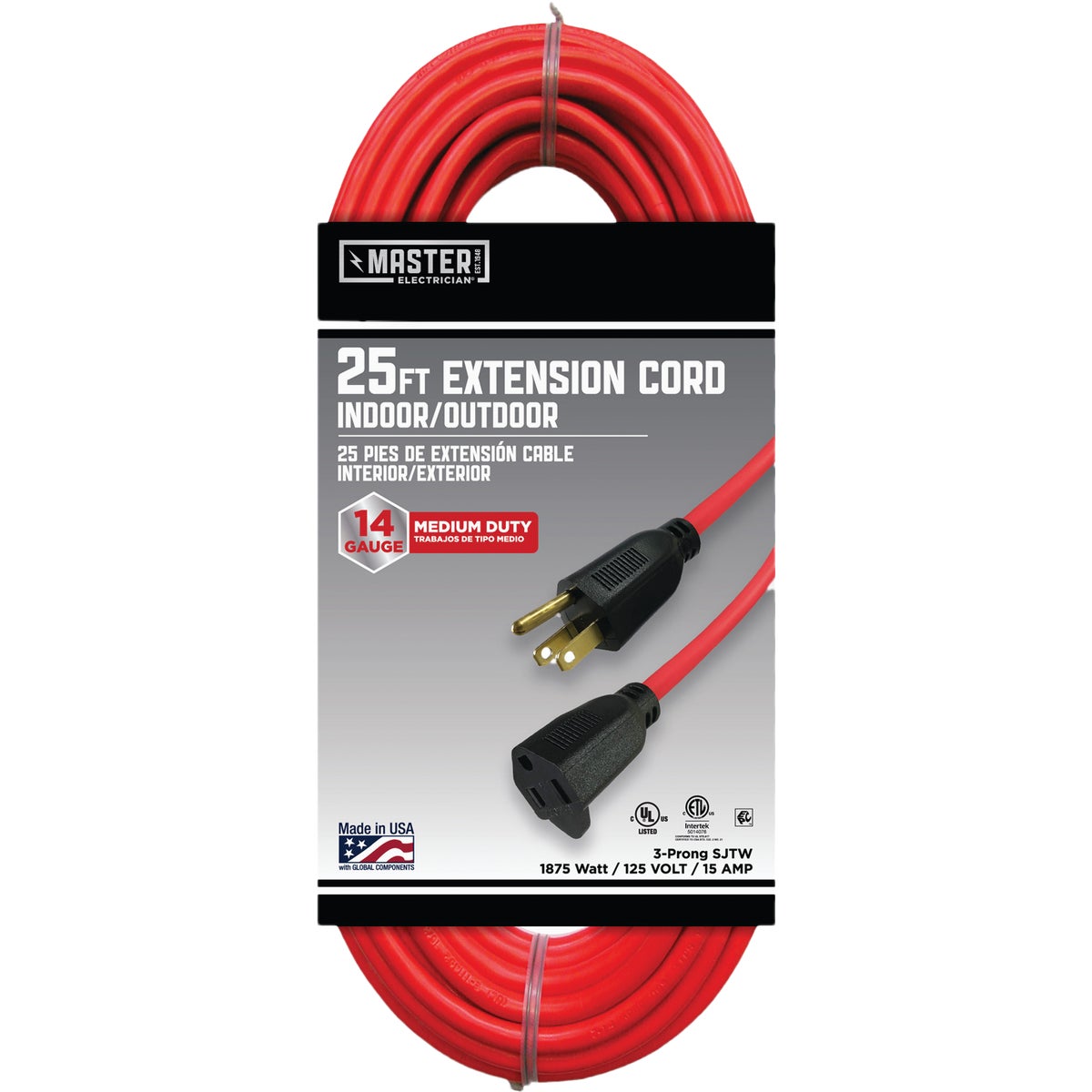
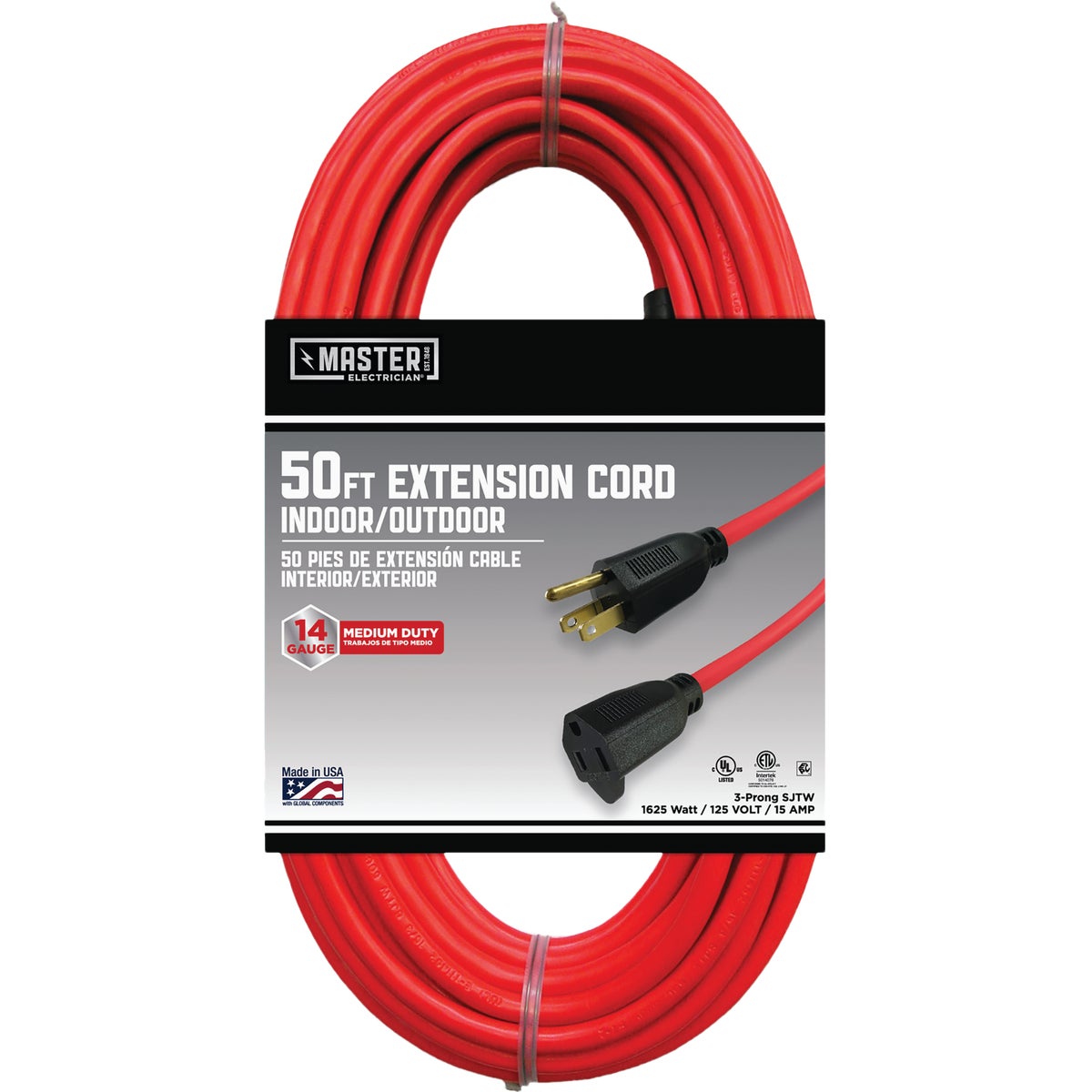
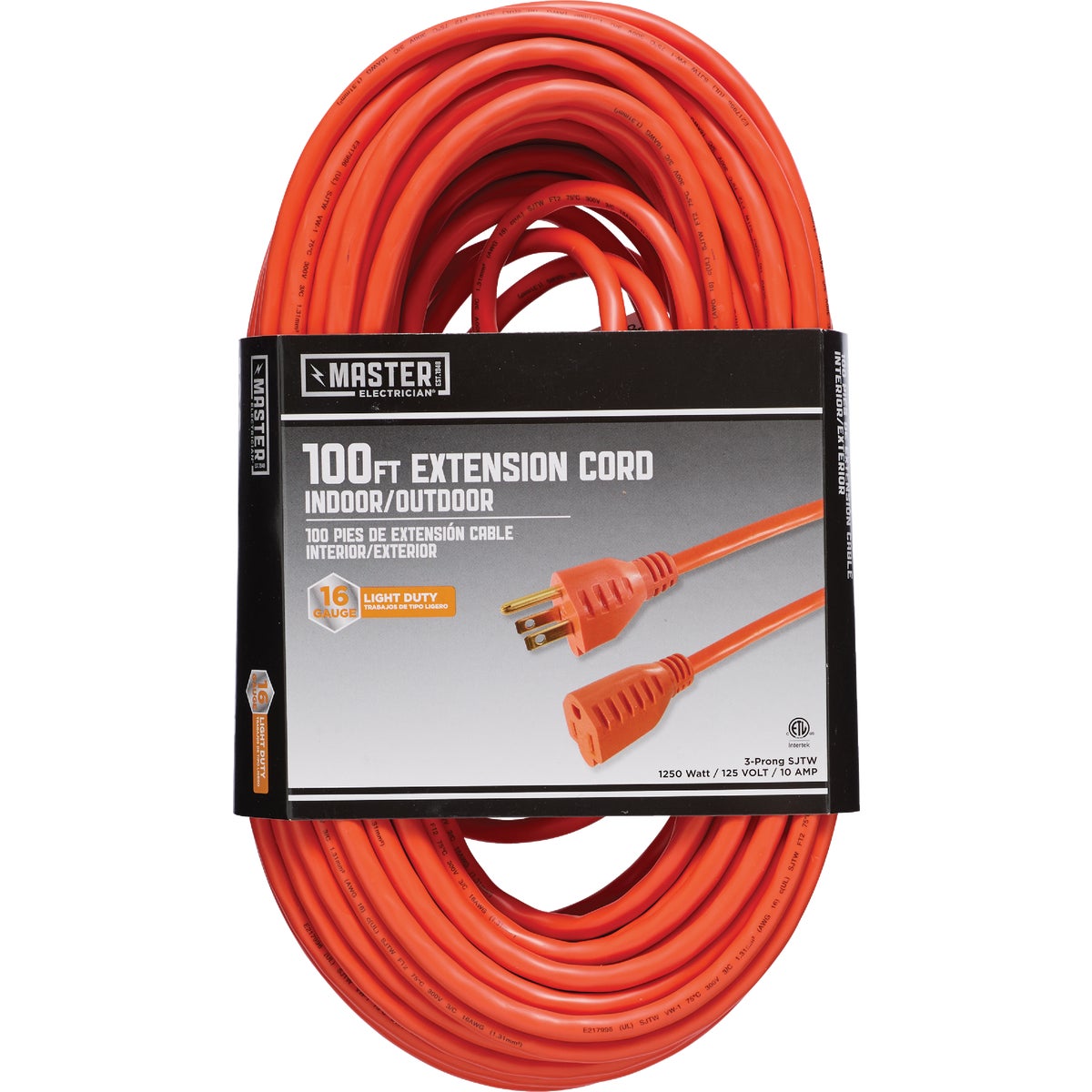
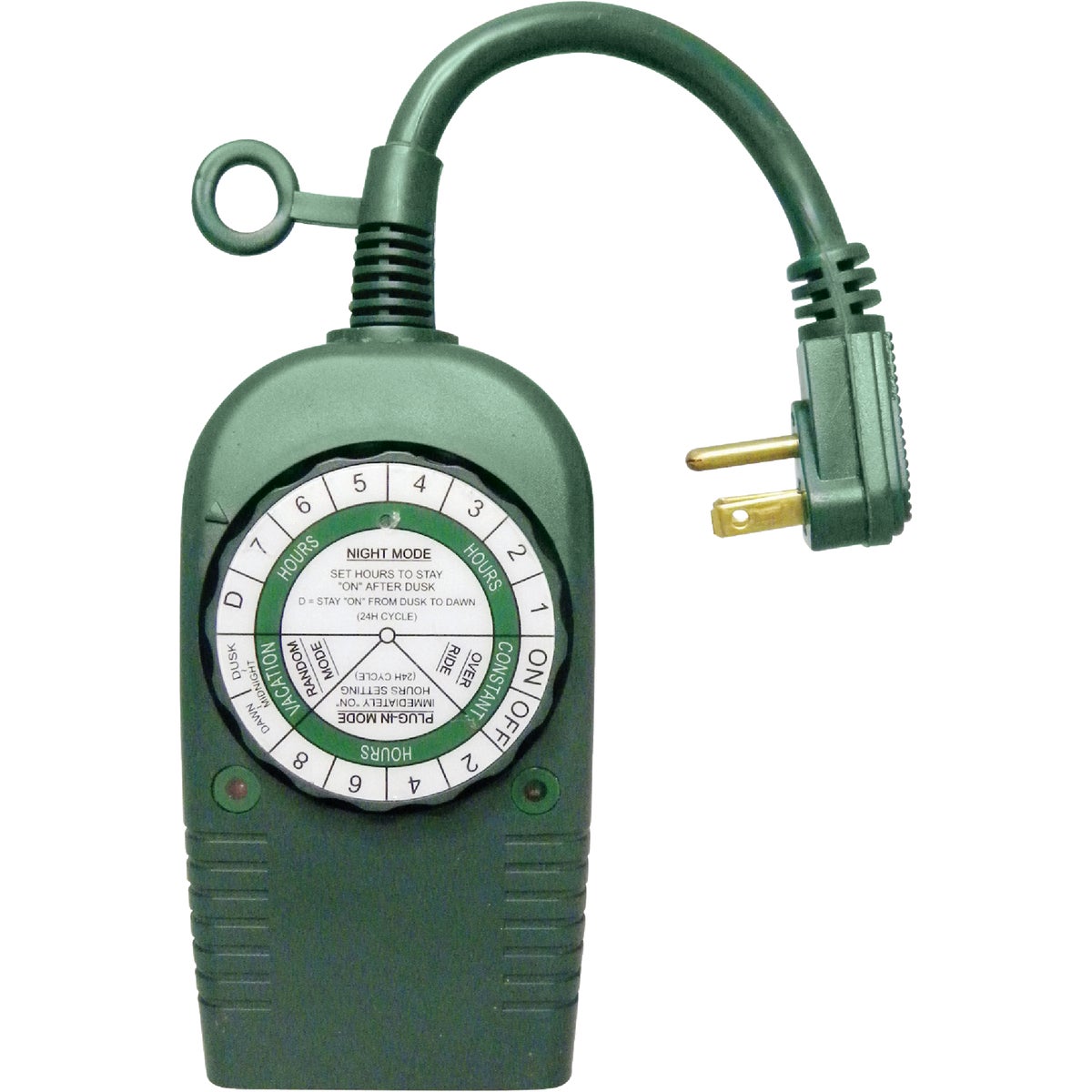
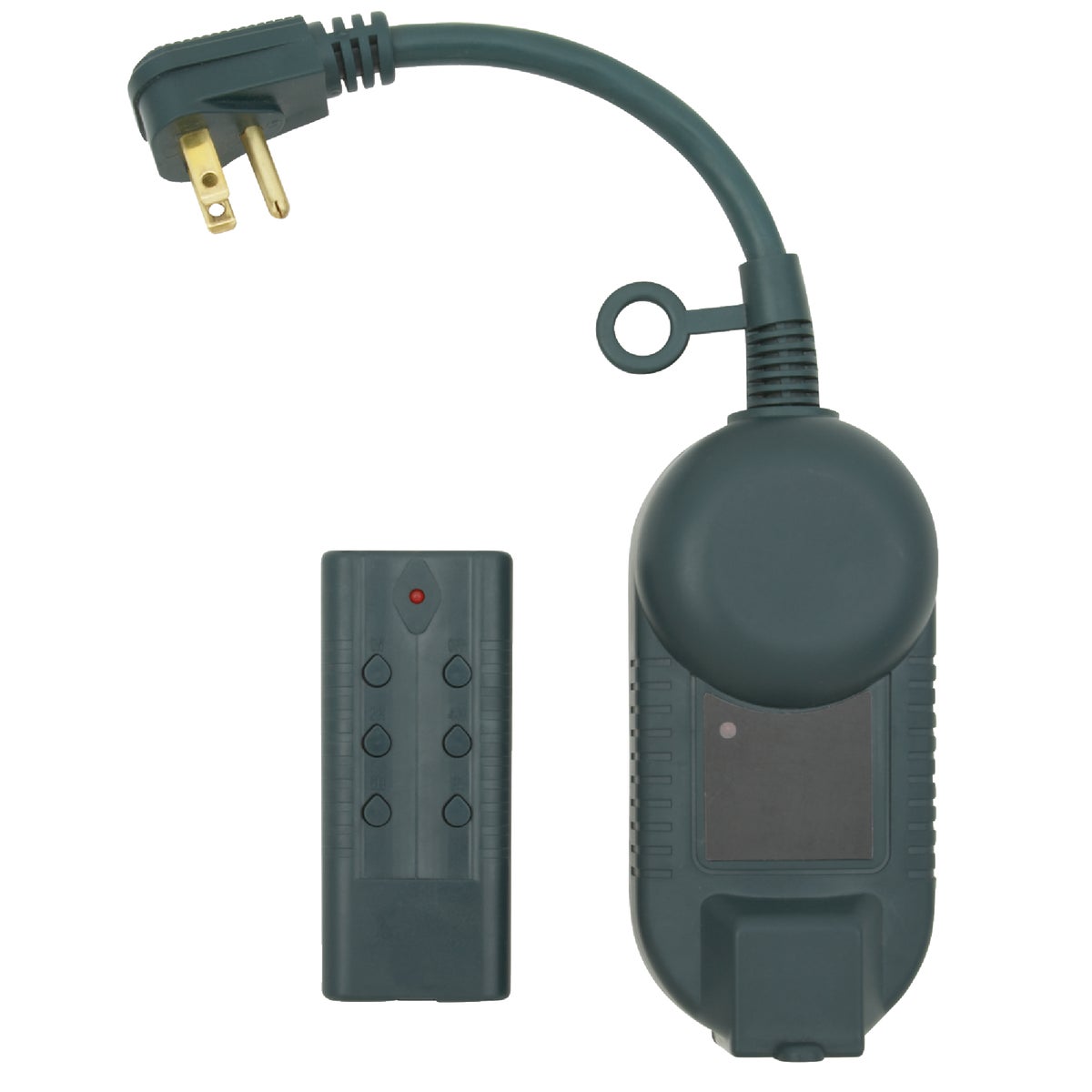
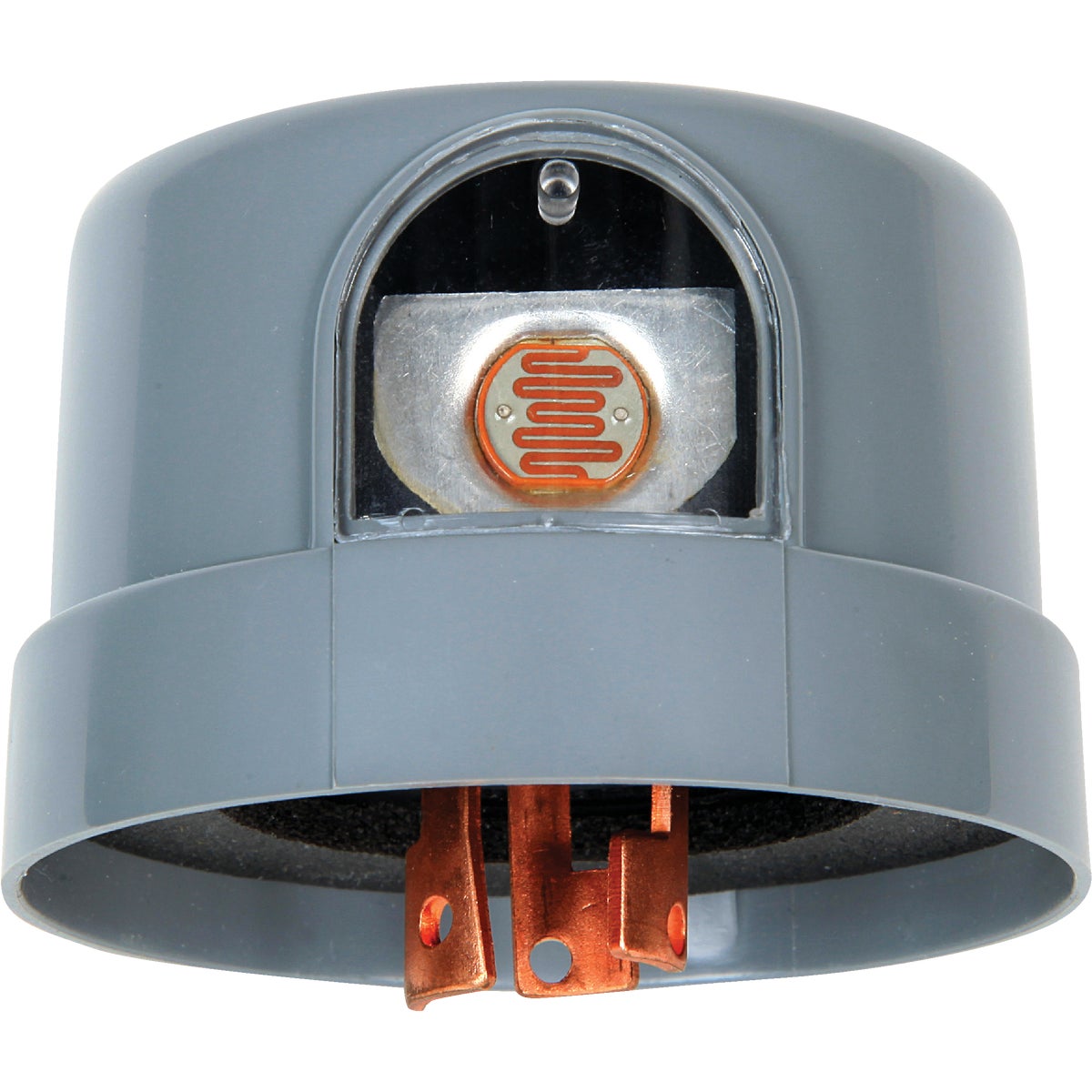
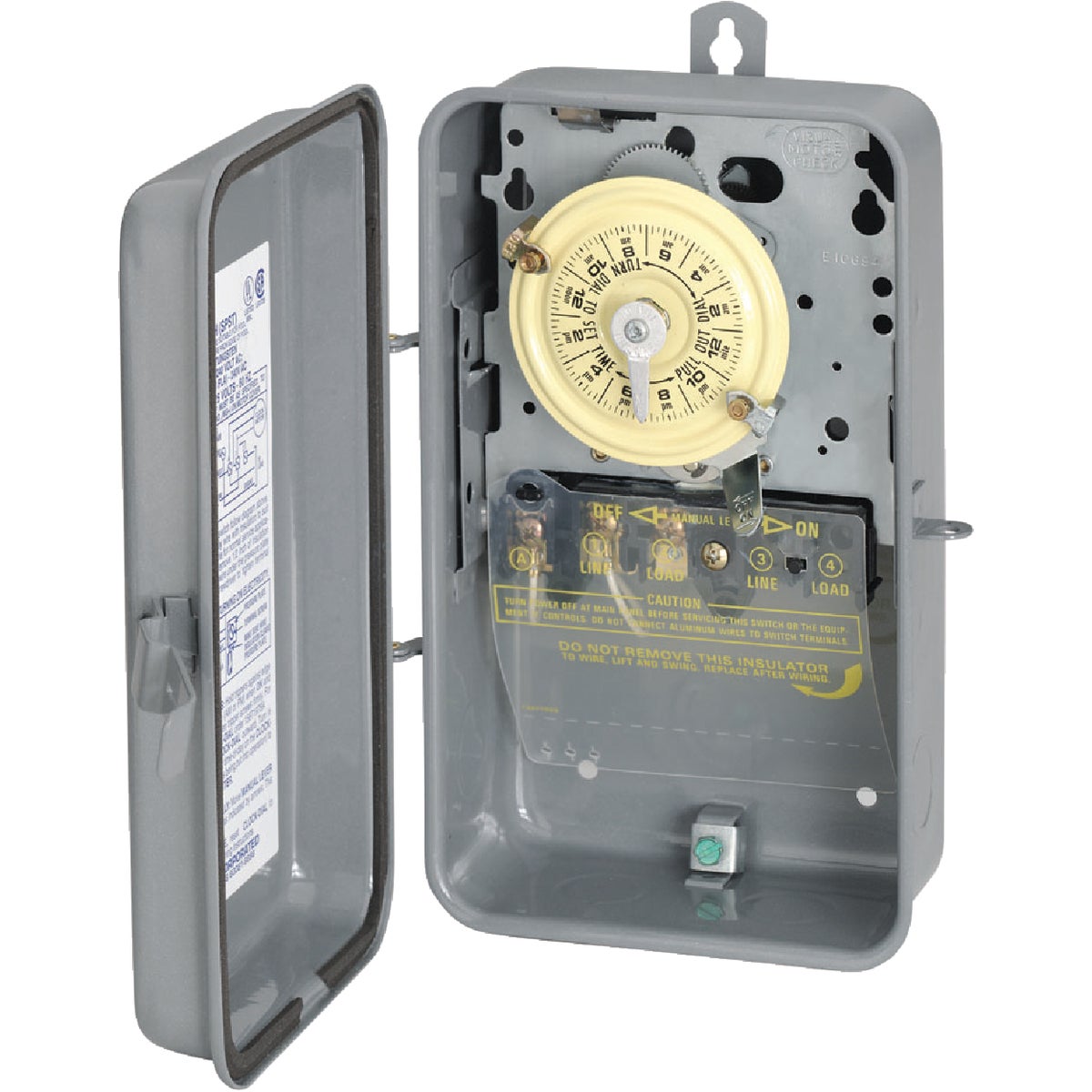
A timer is the difference between a display you enjoy and a chore you do twice a day in the dark. Mechanical timers are the reliable standard; a photocell turns things on at dusk without any clock to reset when the power blinks, which in a Florida summer storm season it does.
GFCI & Weatherproofing
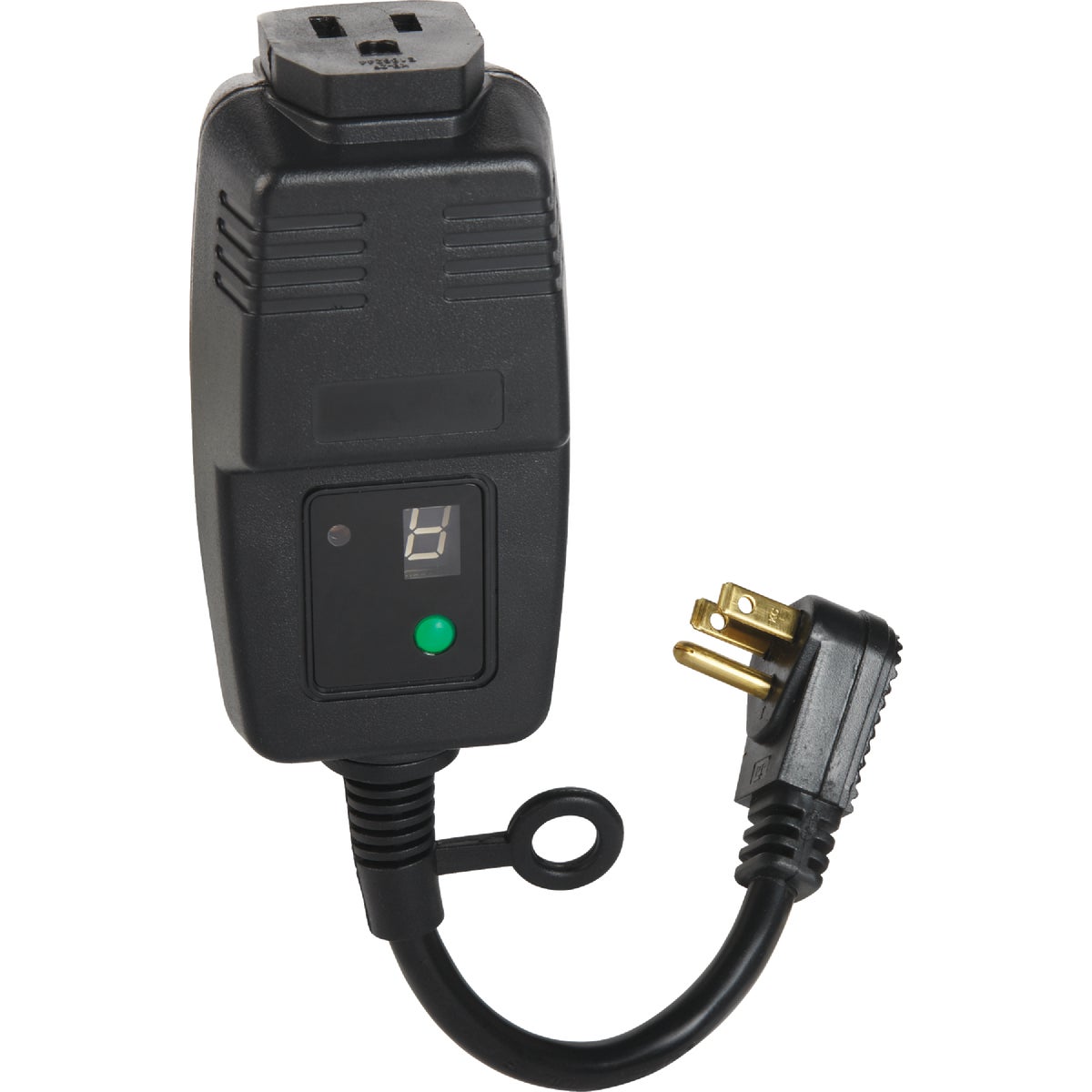
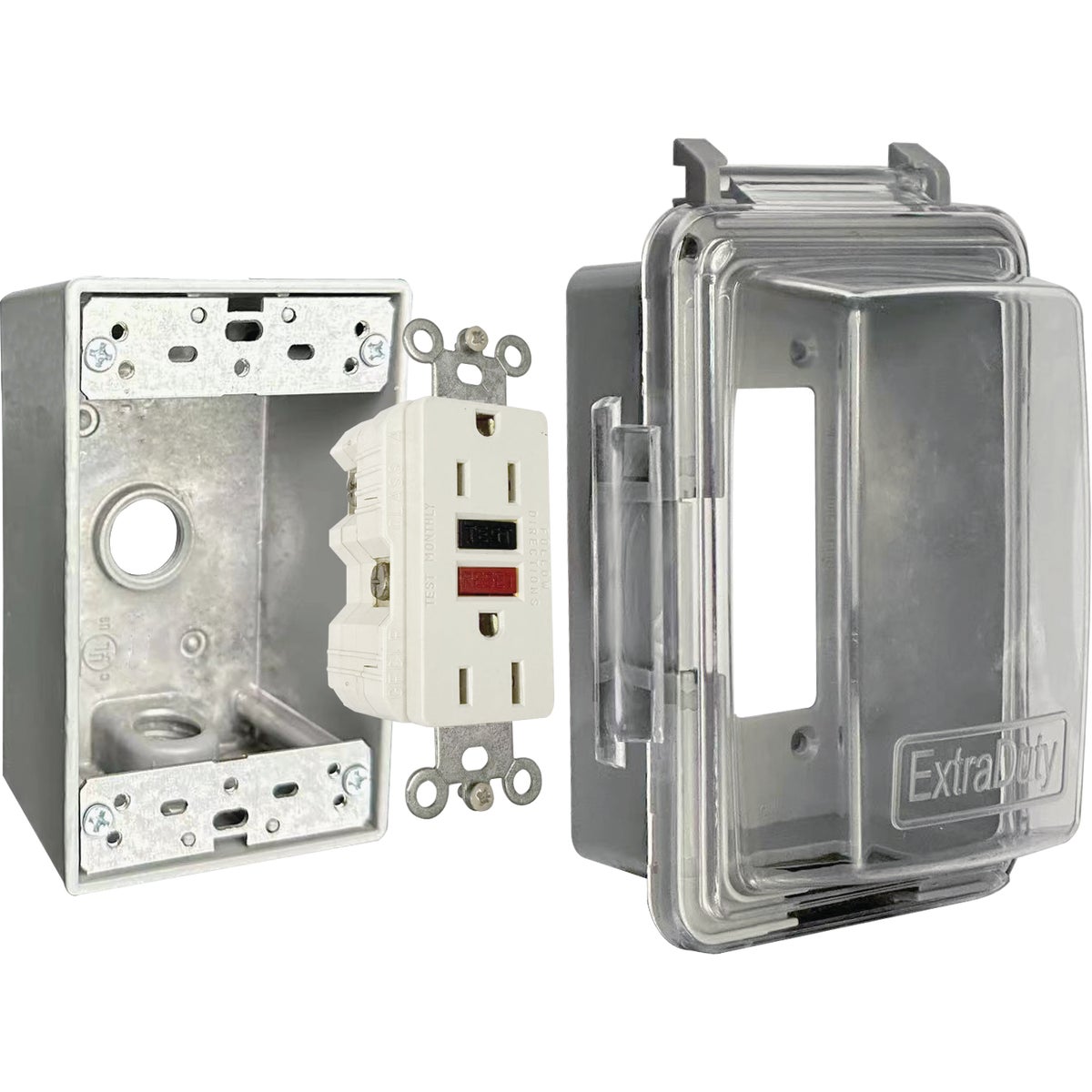
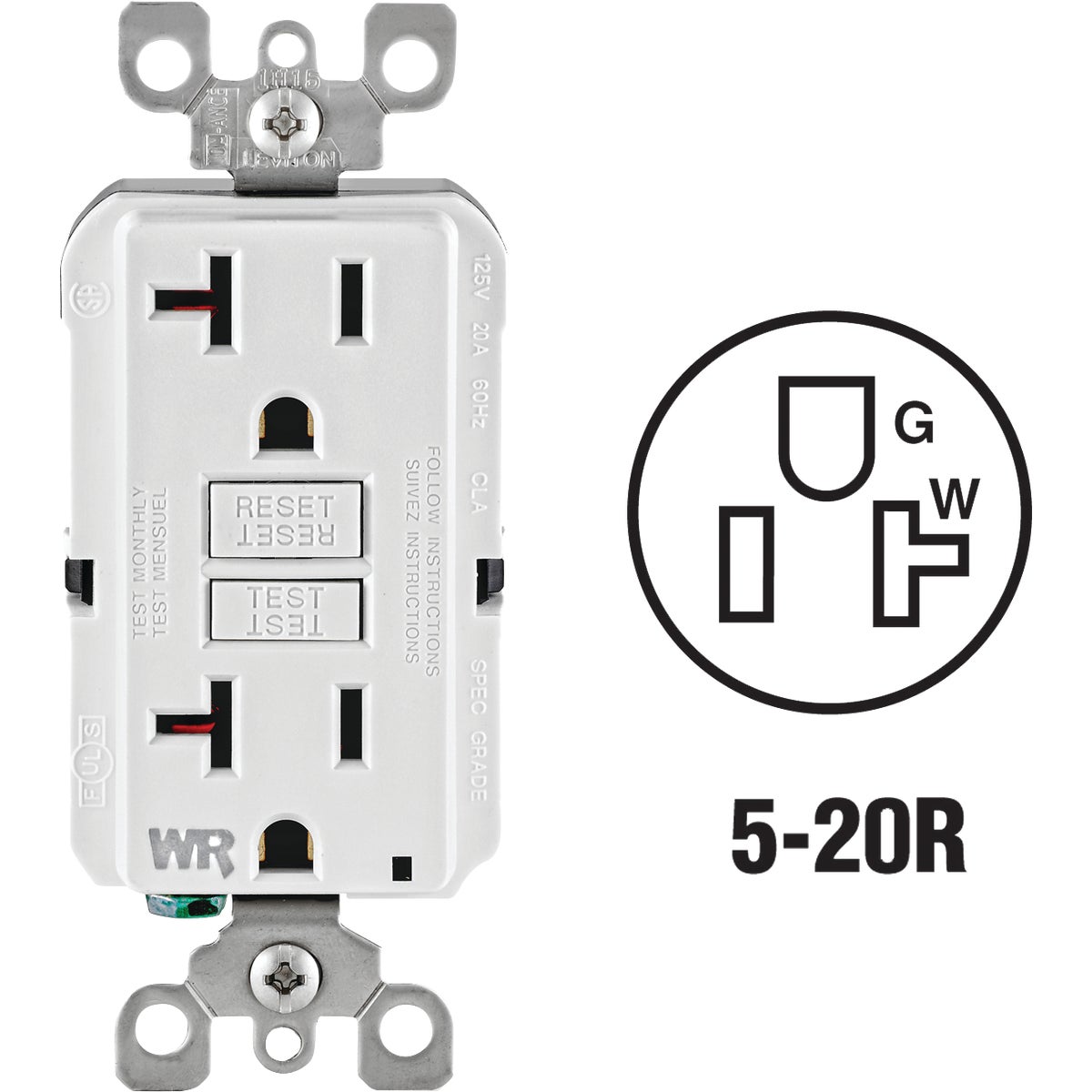
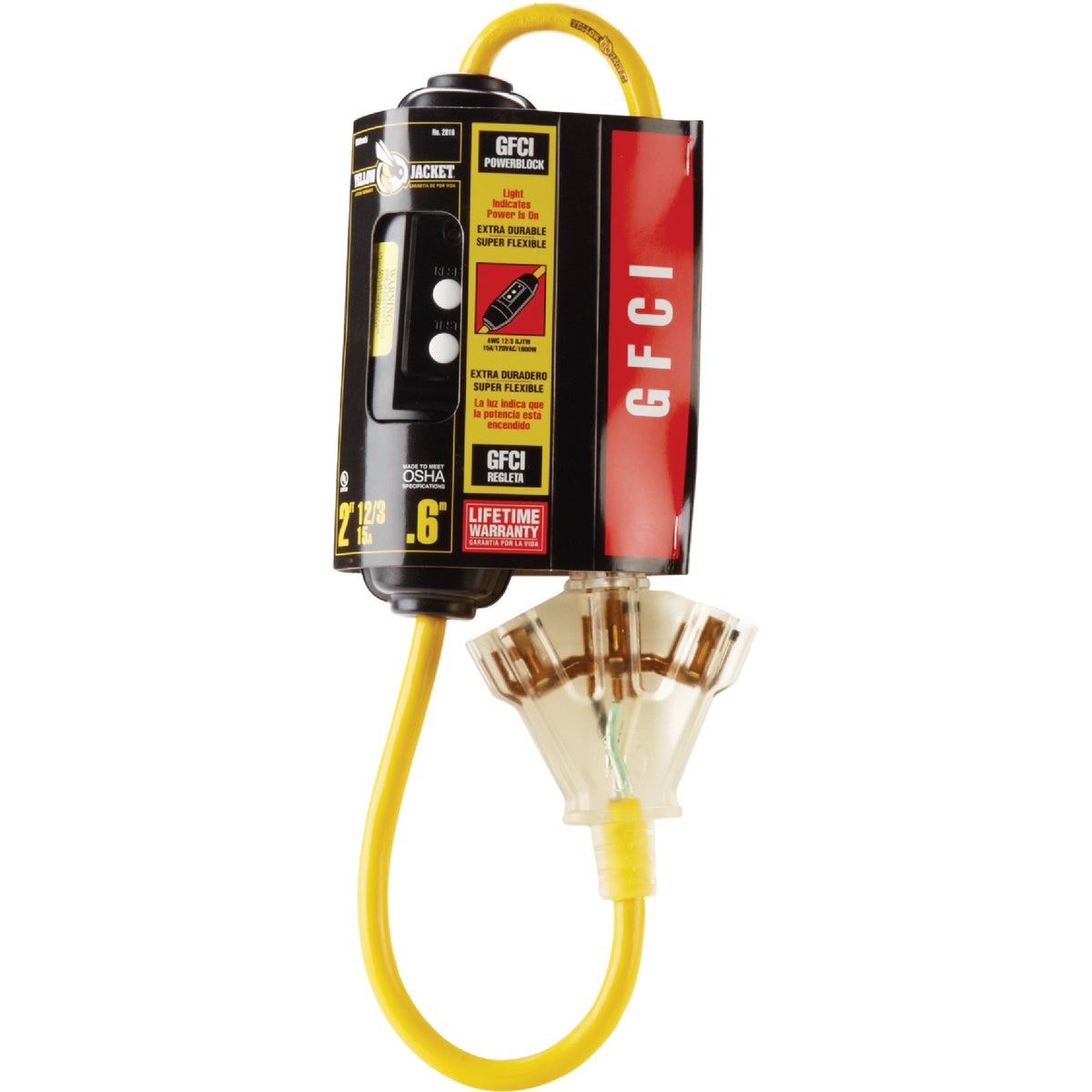
This is the section that actually matters. Water and 120 volts meet in every yard display, and a GFCI is what makes that a tripped breaker rather than an injury. An in-use cover — the bubble kind that closes over a plugged-in cord — is what keeps rain out of the connection itself, which a standard flip cover cannot do while something is plugged in.
Hanging & Mounting
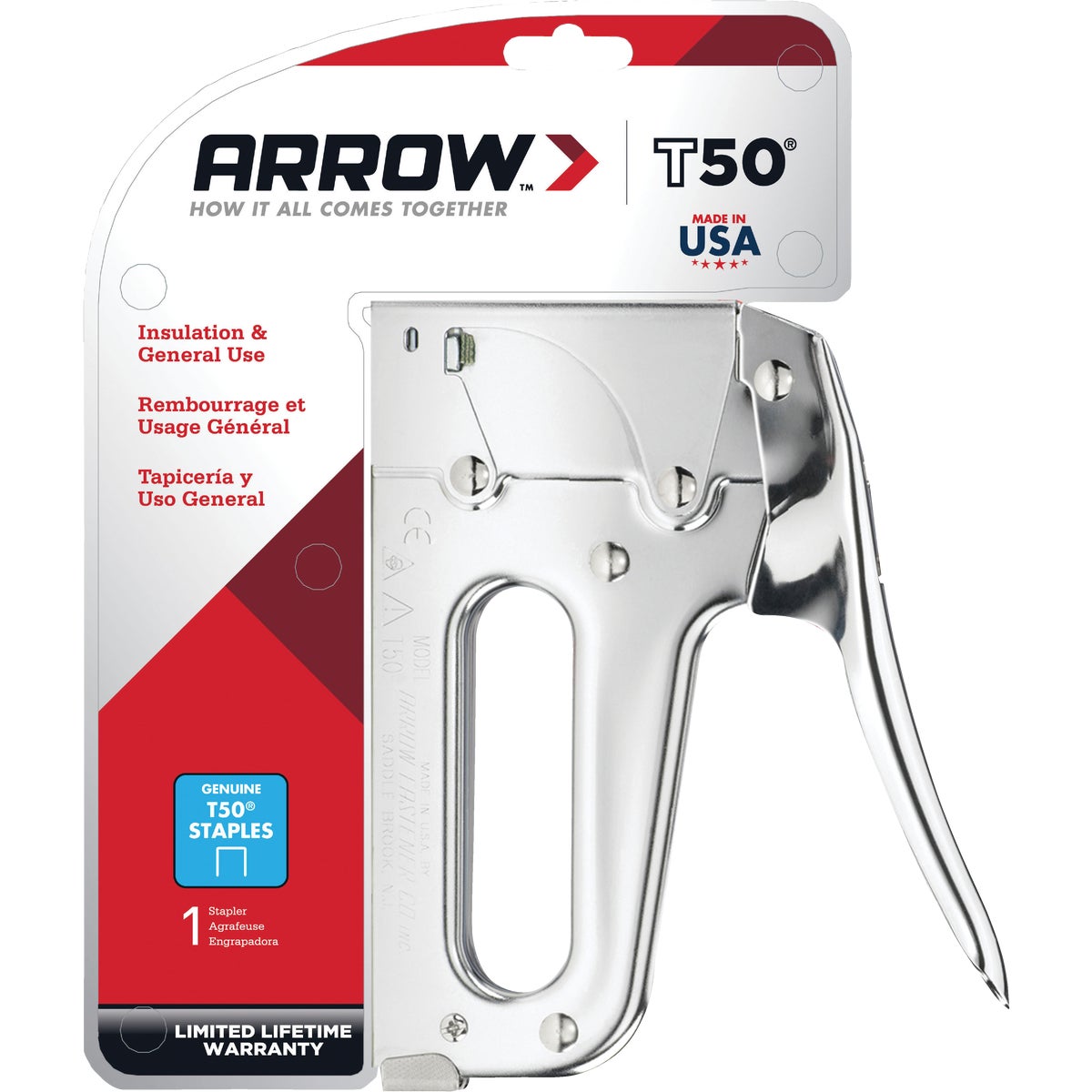
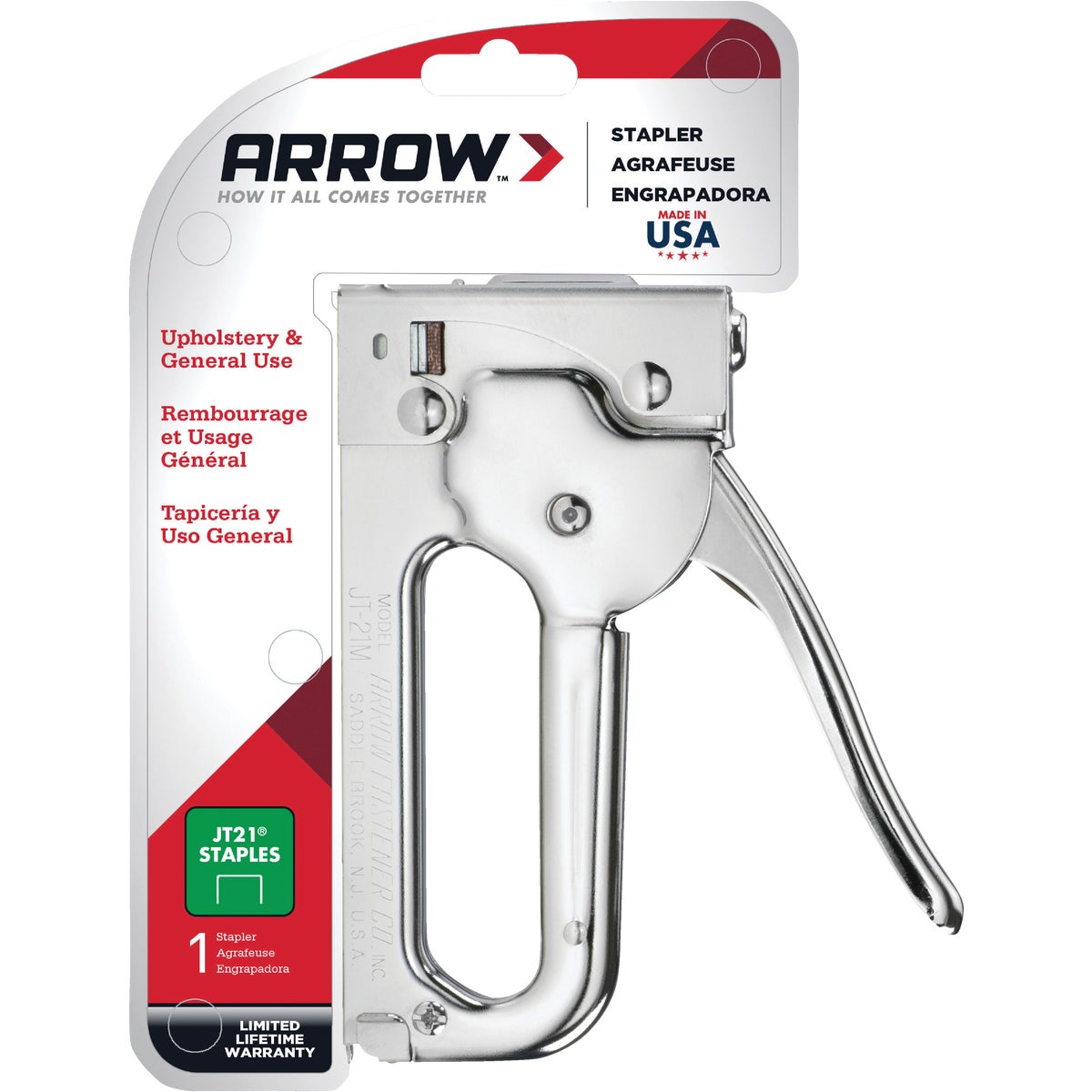
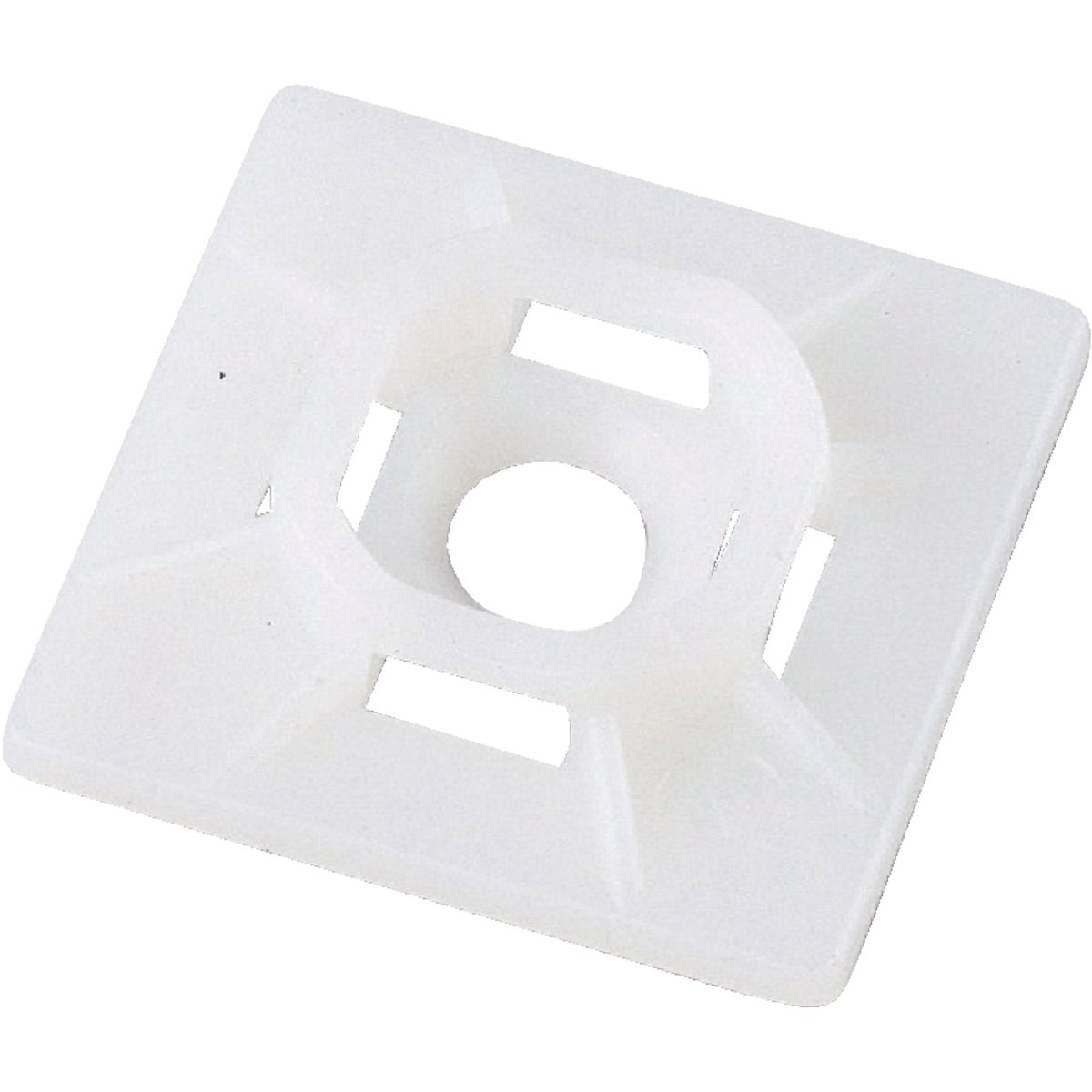
The one rule: nothing that pierces a wire. A staple driven through cord insulation is a fault waiting for the first heavy rain, and it is the most common cause of a display that worked fine for three weeks and then started tripping. Insulated staples, clips and zip ties only.
Prop & Frame Building
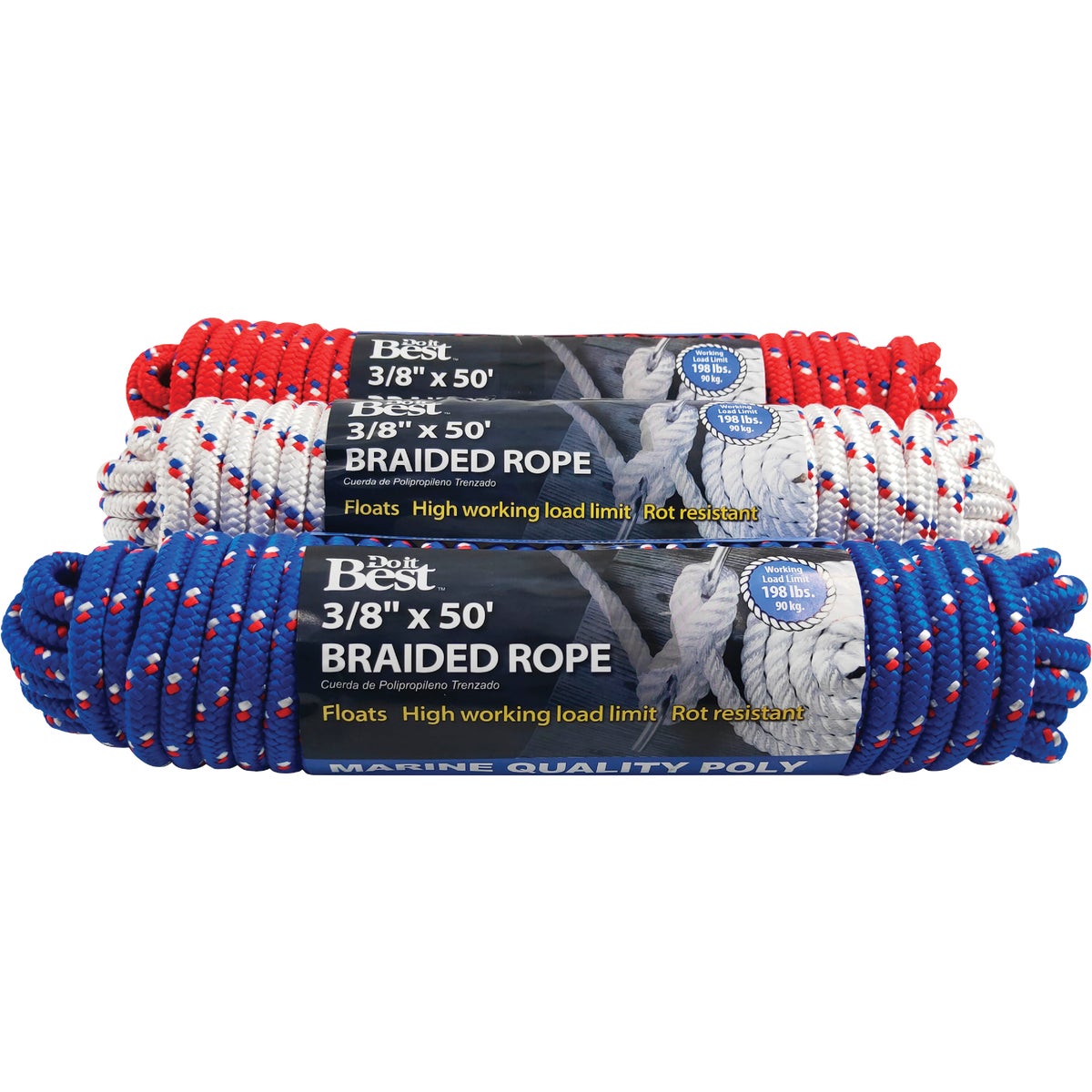
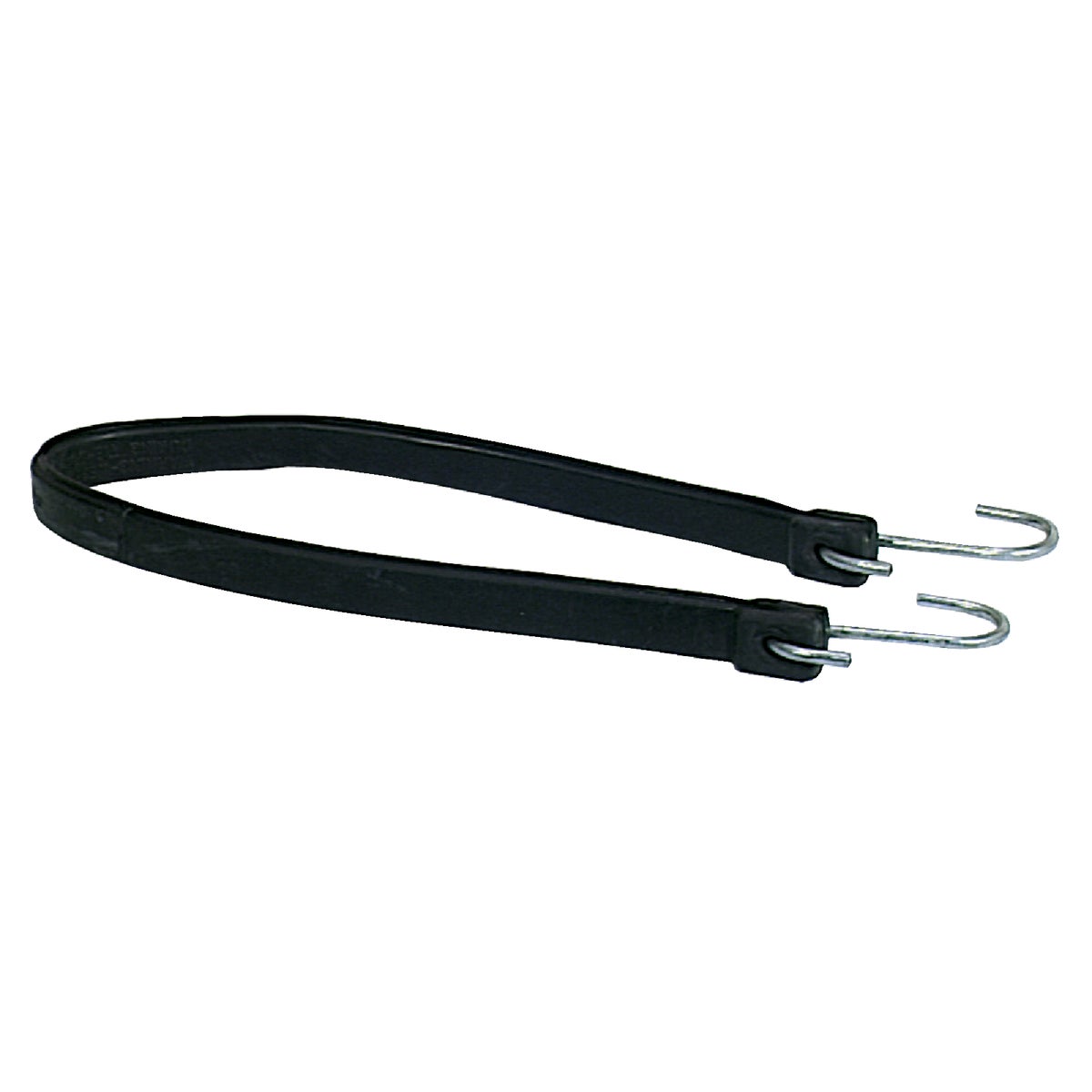
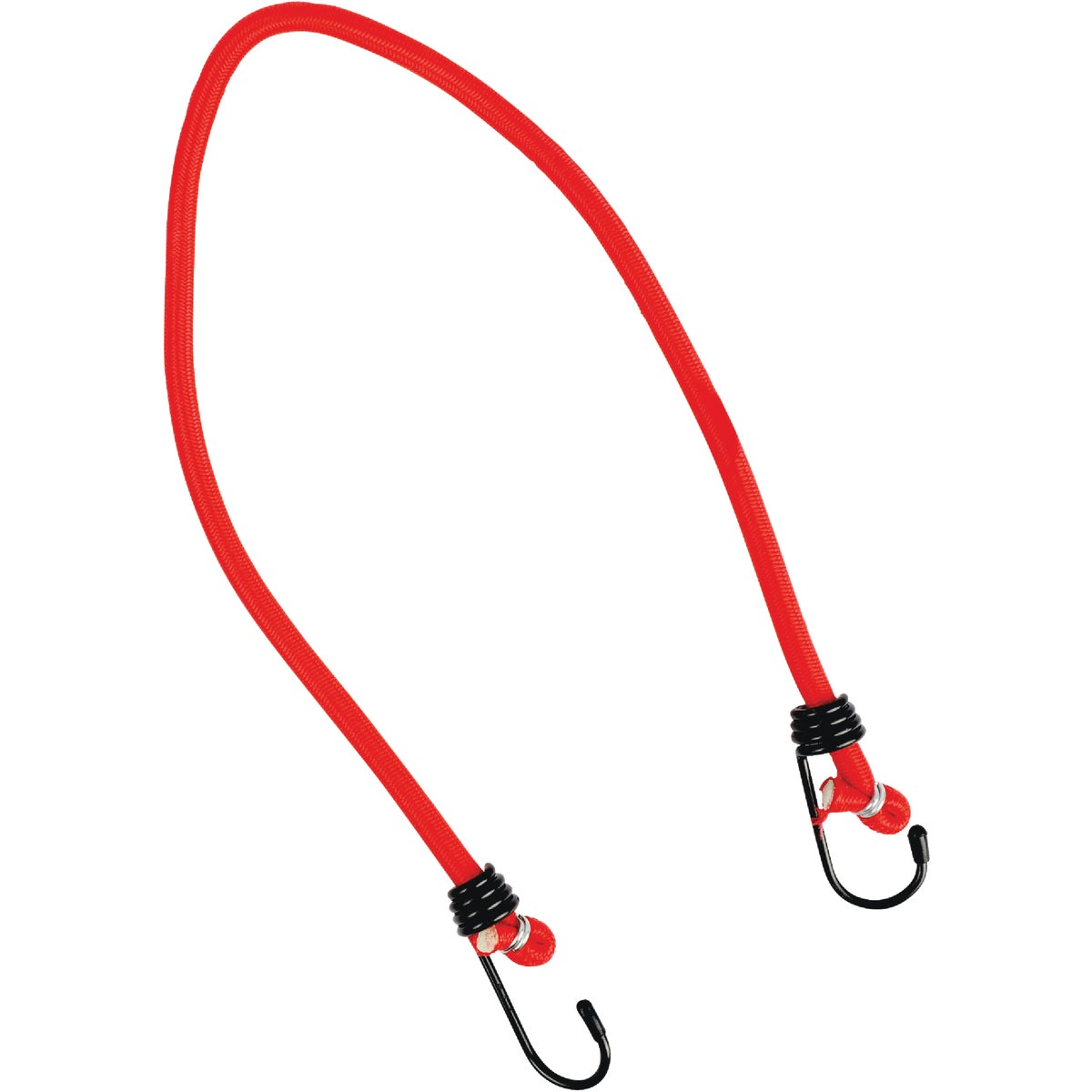
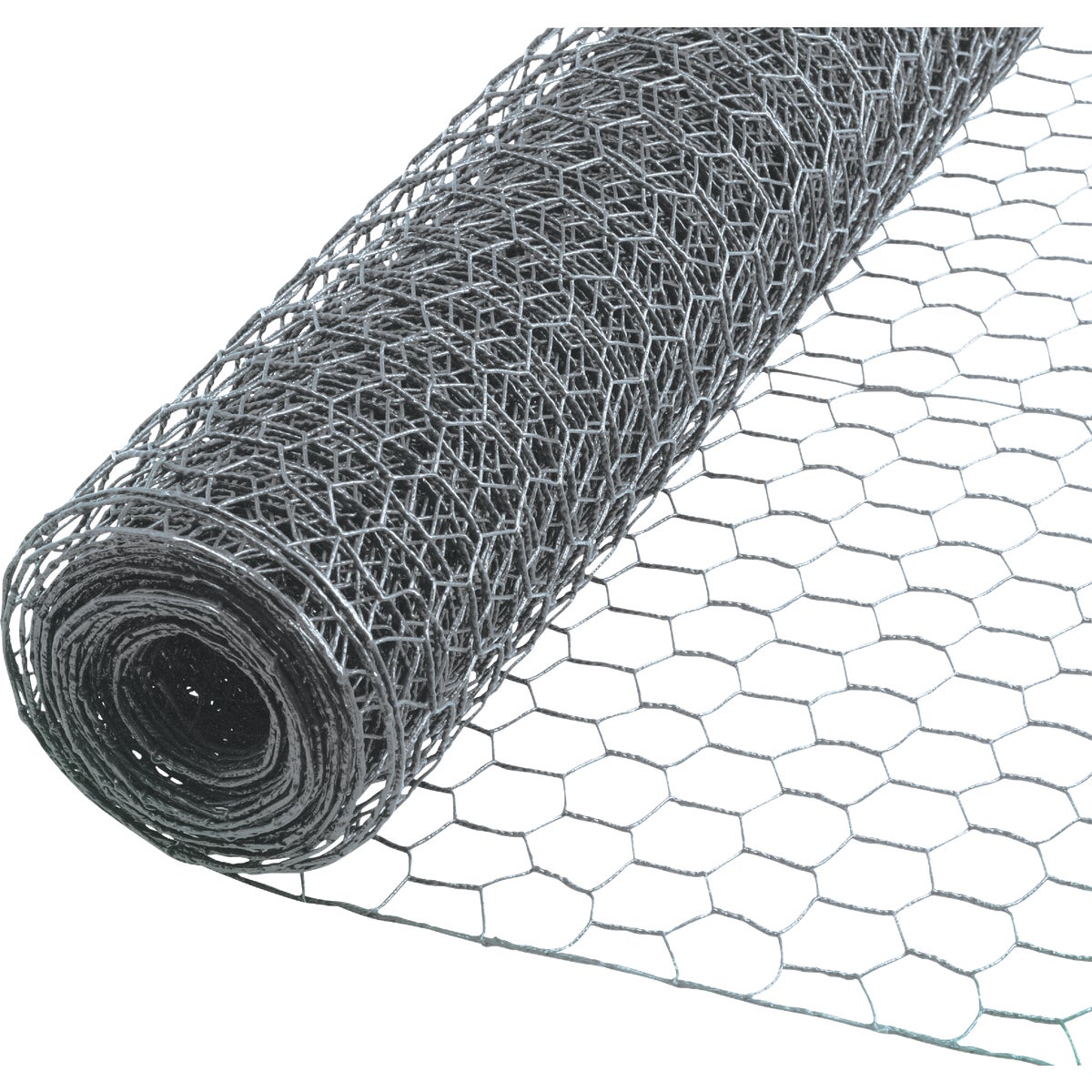
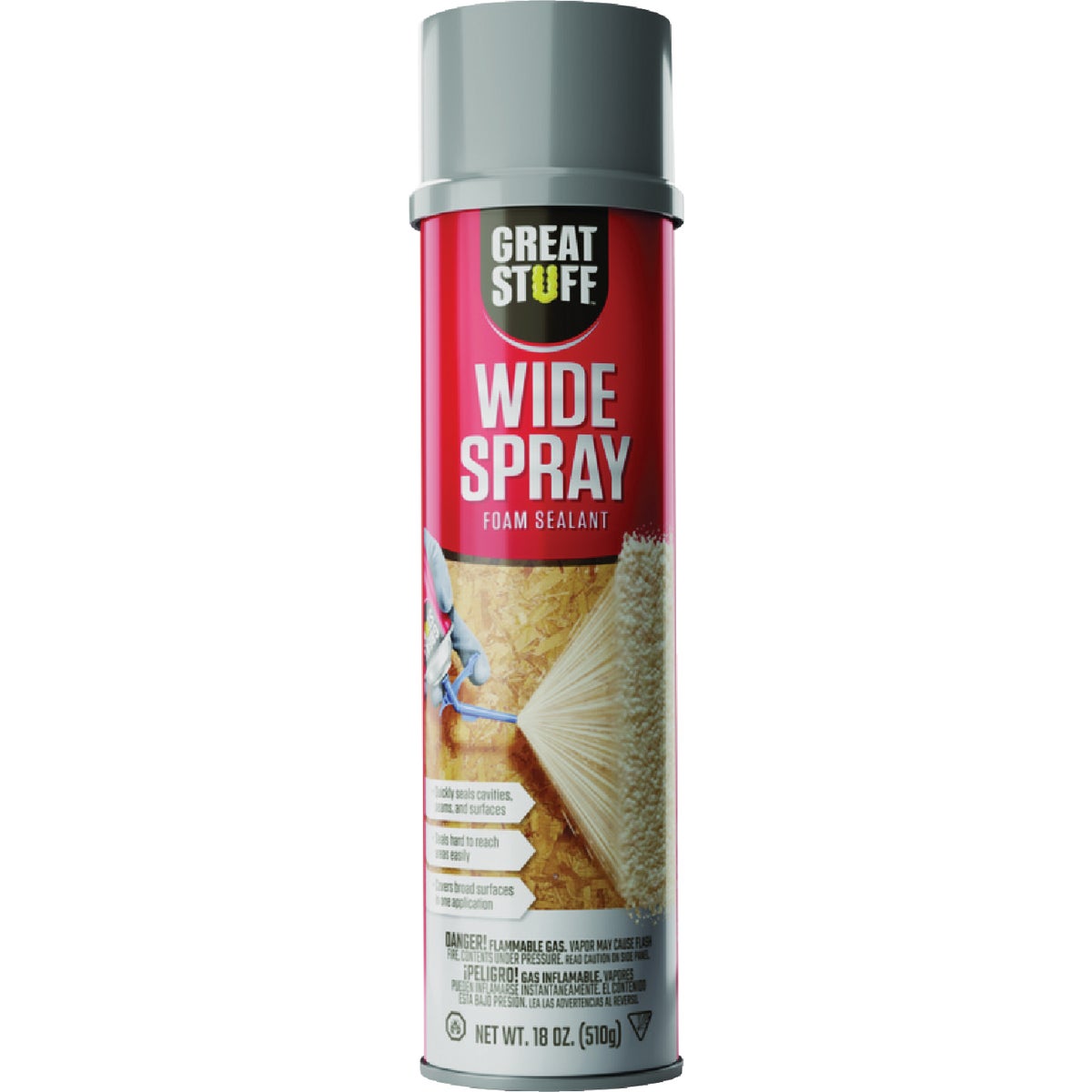
Home haunts and big Christmas displays are built from the same handful of raw materials: PVC for frames, wire mesh for armatures, spray foam for mass, and rope and bungees to hold it all against the wind. Southwest Florida adds one constraint — anything tall gets a plan for staking it down.
Painting Props
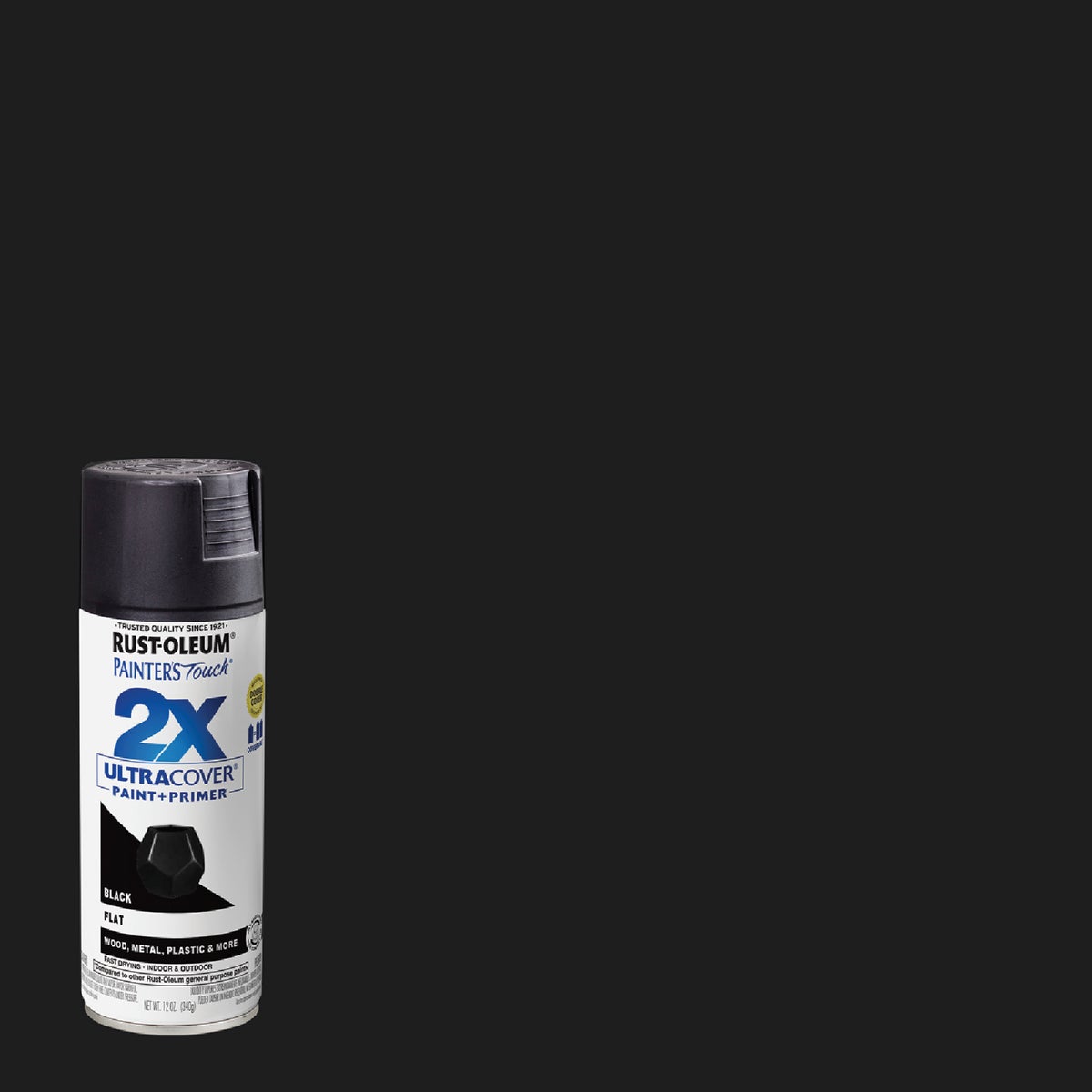
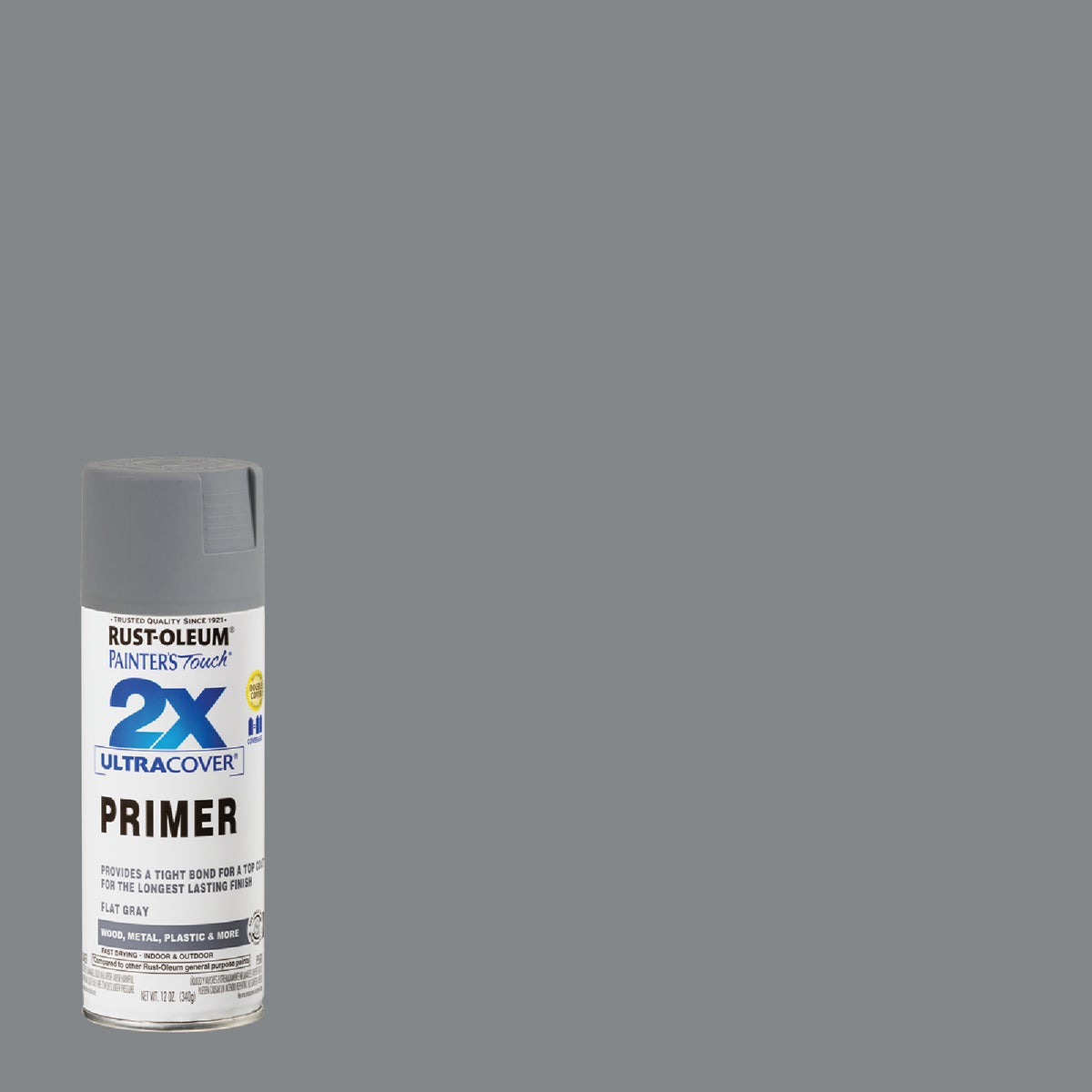
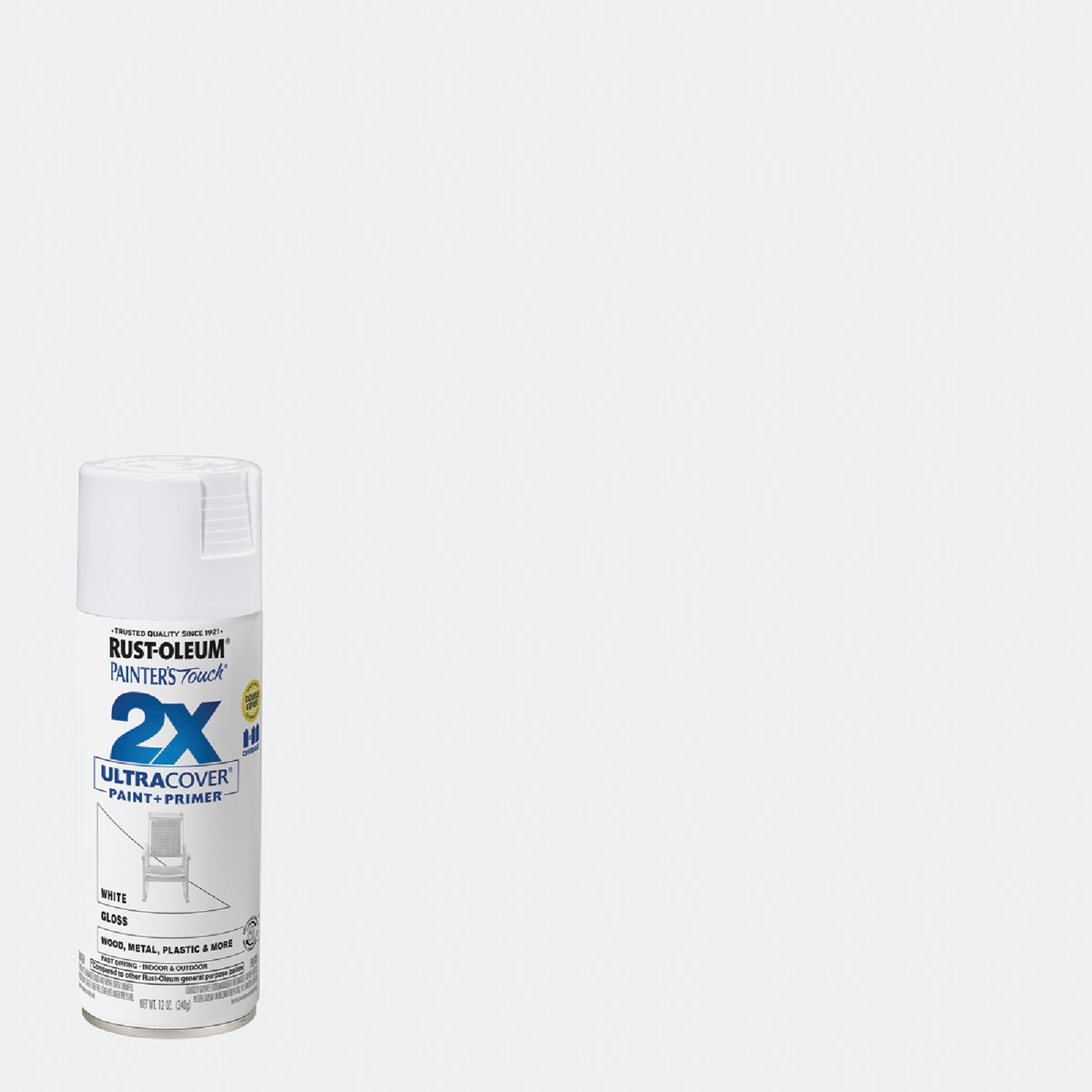
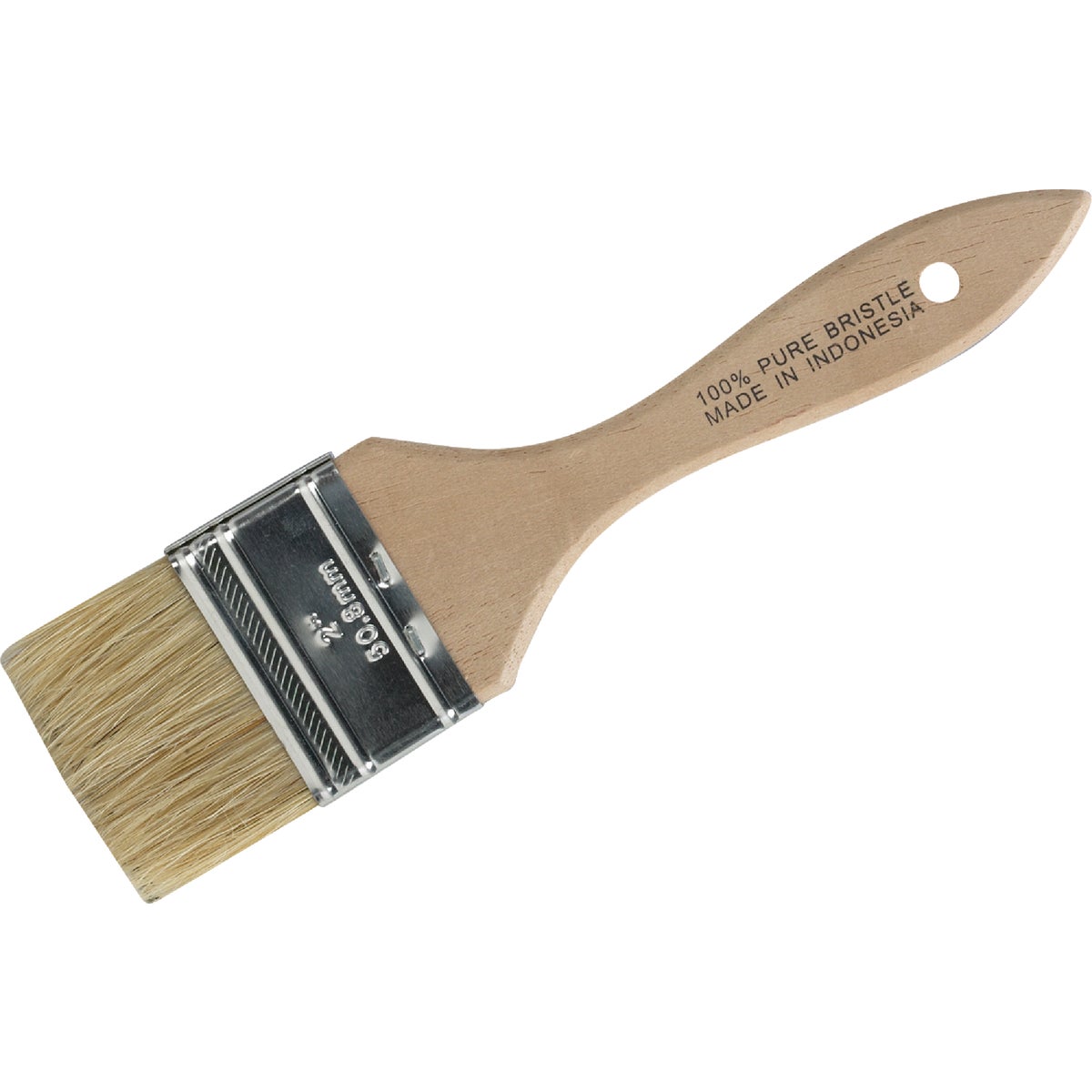
Rattle cans and a chip brush. Flat black kills the plastic look and gives dry-brushed highlights something to sit against — the same technique prop makers use, and it works on a foam tombstone as well as it does on armor.
Teardown & Storage
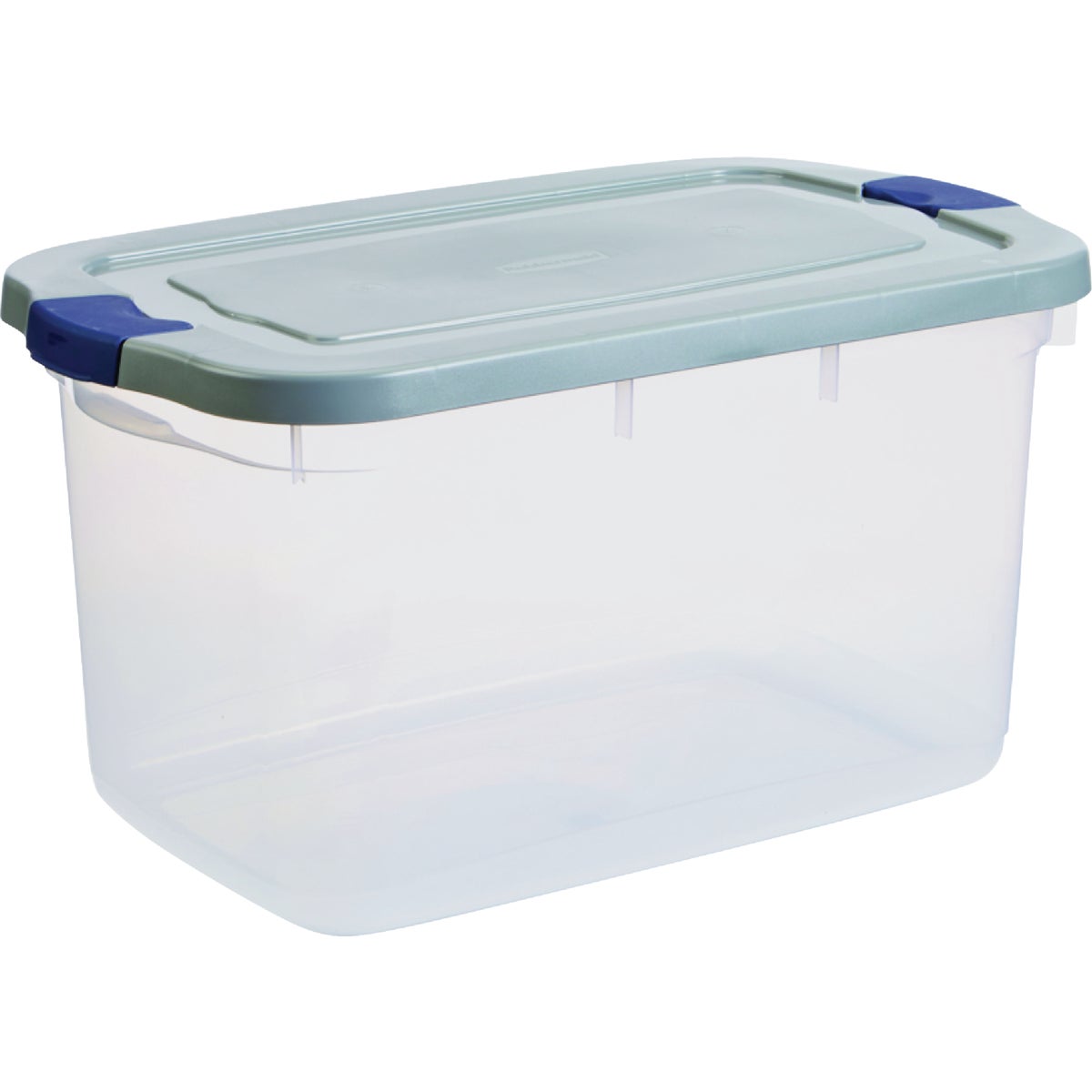
The half hour you spend labeling and boxing in January is the reason next season takes an evening instead of a weekend. Clear totes so you can see what is in them without opening five.
How to Power an Outdoor Holiday Display Safely
A yard display is an outdoor electrical installation that happens to be decorative. The decorating is the easy half. Do this part first, in daylight, before anything goes up.
Add up the load before you buy cord
Total the watts of everything you plan to run and divide by 120 to get amps. A 15-amp circuit should not be loaded past about 12 amps continuous. LED strings draw very little and let you run long chains; older incandescent strings add up fast, and this is where people trip a breaker every night and blame the timer.
Run one heavy outdoor-rated feeder, then split at the far end
Look for W or SJTW on the jacket — indoor cords crack in UV and were never intended to lie in wet grass. Run a single 12-gauge cord out to the display and split there, rather than daisy-chaining thin cords across the yard, which stacks up voltage drop until the far end is visibly dim.
Put everything on GFCI, with a while-in-use cover
A GFCI is what makes a wet connection a tripped breaker instead of a shock. Use a GFCI outlet, or a portable GFCI cord if you cannot change the receptacle. Then add a while-in-use bubble cover — a standard flip cover cannot close over a plugged-in cord, so it protects nothing during the two months that matter.
Attach without piercing insulation, and keep connections off the ground
Insulated staples, plastic clips or zip ties only. A staple through a cord is the classic cause of a display that worked for three weeks and then started tripping in the rain. Keep every plug connection up off the soil, and drip-loop each one so water runs away from the joint instead of into it.
Put it on a timer and walk the display once at night
A timer or photocell means the display runs itself for the season. Once it is set, walk the whole yard after dark: look for dim sections that indicate voltage drop, connections sitting in a low spot that will puddle, and anything a lawn mower or a car door will find in December.
Holiday Display Questions, Answered
An outdoor-rated cord, marked W or SJTW on the jacket. Indoor cords have jackets that crack under UV and were never designed to sit in wet grass. Gauge matters too: 12-gauge for the main feeder from the house, 14 or 16 for shorter branch runs. Run one heavy cord out to the display and split there rather than chaining several light cords together, which stacks up voltage drop until the far end of the display is noticeably dim.
Yes. Any outdoor circuit should be GFCI-protected, and holiday displays are the textbook case — cords in wet grass, connections in the rain, and people handling them. A GFCI turns a fault into a tripped breaker rather than a shock. If your exterior outlet is not GFCI, either replace it with a weather-resistant GFCI outlet or use a portable GFCI extension cord so the protection travels with the cord. Pair it with a while-in-use cover so rain stays out of the connection itself.
It is the deeper bubble-style cover that closes over an outlet with something plugged into it. A standard flip cover only protects an empty outlet — the moment you plug a cord in, it props open and the receptacle is exposed for the whole season. For a display that stays up for two months in Florida weather, a while-in-use cover is the difference between a dry connection and a corroded one, and it is required by code for outdoor receptacles in wet locations.
Never drive a bare staple through a cord. Use insulated staples designed for wire, plastic light clips that hook over gutters and shingles, or zip ties — UV-resistant ones, because plain ties go brittle in a Florida season. A staple that nicks the insulation may work fine for weeks and then start tripping the GFCI in the first heavy rain, which is a miserable fault to chase in December.
Follow the number printed on the tag of the string itself, which is set by its wire gauge and fuse. LED strings can typically be chained many times over because each one draws so little; older incandescent strings usually top out around three connected end to end. Add up total watts, divide by 120 for amps, and keep a 15-amp circuit under about 12 amps continuous. Exceeding the string rating is a fire risk, not just a tripped breaker.
Photocells are more forgiving. A timer has to be reset every time the power blinks, which in Southwest Florida happens often enough to be annoying; a photocell just switches at dusk and dawn with no clock to lose. A timer wins if you want the display off at a set hour rather than running until sunrise. Many people use both: a photocell to turn things on at dusk, a timer to shut them off at bedtime.
The standard materials are PVC pipe for frames, wire netting bent into armatures for body shapes, expanding spray foam built up over the mesh for mass, and carving once it cures. Seal it, prime it gray, then paint — flat black in the recesses with dry-brushed highlights on top is what makes foam read as stone or weathered wood. In Florida, plan the anchoring before the aesthetics: anything over about six feet needs staking and guying against wind.
Stake and guy everything tall. Ground stakes through the base, rope or bungee guy lines to stakes set out at an angle, and tarp straps to hold props to their frames. Inflatables need their supplied stakes plus additional tie-downs at the seams. The wind that matters is not the average — it is the afternoon squall, and anything that can act as a sail will find it.
Both stores carry seasonal decor when it is in season, and it moves quickly — call ahead if you are after something specific. What this page covers is the part that is stocked year-round and that the decorations depend on: outdoor-rated cords, GFCI protection and covers, timers and photocells, insulated staples and clips, prop-building materials and storage.
Family Hardware carries the list on this page at both stores. Cape Coral: 622 SE 47th Terrace — (239) 542-6365. Fort Myers: 13101 McGregor Blvd — (239) 933-1744. Open Mon–Sat 7 AM–6 PM and Sun 8 AM–3 PM. Order online for free in-store pickup, usually ready within 2 hours. Cords, timers and GFCI covers go quickly in the first cool week of November — the people who get the good gauge cord buy it in October.
Related Guides
These overlap with this list more than you would expect — often the same shopper, and frequently the same aisle.
Pick It Up Today in Cape Coral or Fort Myers
Order online for free in-store pickup — usually ready within 2 hours — or just come in. Prices shown are our everyday shelf prices at both stores; stock on any single item is on its product page.
622 SE 47th Terrace, Cape Coral, FL 33904
Mon–Sat 7 AM–6 PM | Sun 8 AM–3 PM
Departments, services and directions for our Cape Coral store →
13101 McGregor Blvd, Fort Myers, FL 33919
Mon–Sat 7 AM–6 PM | Sun 8 AM–3 PM
Departments, services and directions for our Fort Myers store →
Free shipping on orders over $99 • Free in-store pickup • Online customer service: 877-755-2005
About Family Hardware
Store Locations
About Us
Hurricane Prep Guide
Hobby Supply Guides
Employment
Customer Service
Contact Us
Returns
Shipping & Tracking
Gift Card Balance
Rewards
Promotions
Credit Application
Tax Exempt Purchases
Terms of Service
Privacy Policy
Locations
Cape Coral
Fort Myers
All Store Locations
Grills
Grill Store — All Grills
Alfa Pizza Ovens
Big Green Egg
Napoleon
Challenger Designs
Delta Heat
Tagwood BBQ
Twin Eagles
Replacement Parts
Warranty
Services
All Services
Saw Blade Sharpening
Saw Blade Shop
Key Cutting
Screen Repair
Propane Exchange
Lamp Repair
Key Fob Batteries
Freud
Lamello P-System
Popular Tools Saw Blades
Diablo
Tenryu
© 2026 Family Hardware. Family Hardware and the Family Hardware logo are registered trademarks of Family Hardware Corporation. All rights reserved.