
Backyard Chicken Coop & Run Supplies
Hardware cloth, fence staples, raccoon-proof latches and the fencing to hold it all up. Everything that keeps a Southwest Florida flock alive is hardware-store stock — and the single most common coop mistake is buying the wrong wire.
Short answer
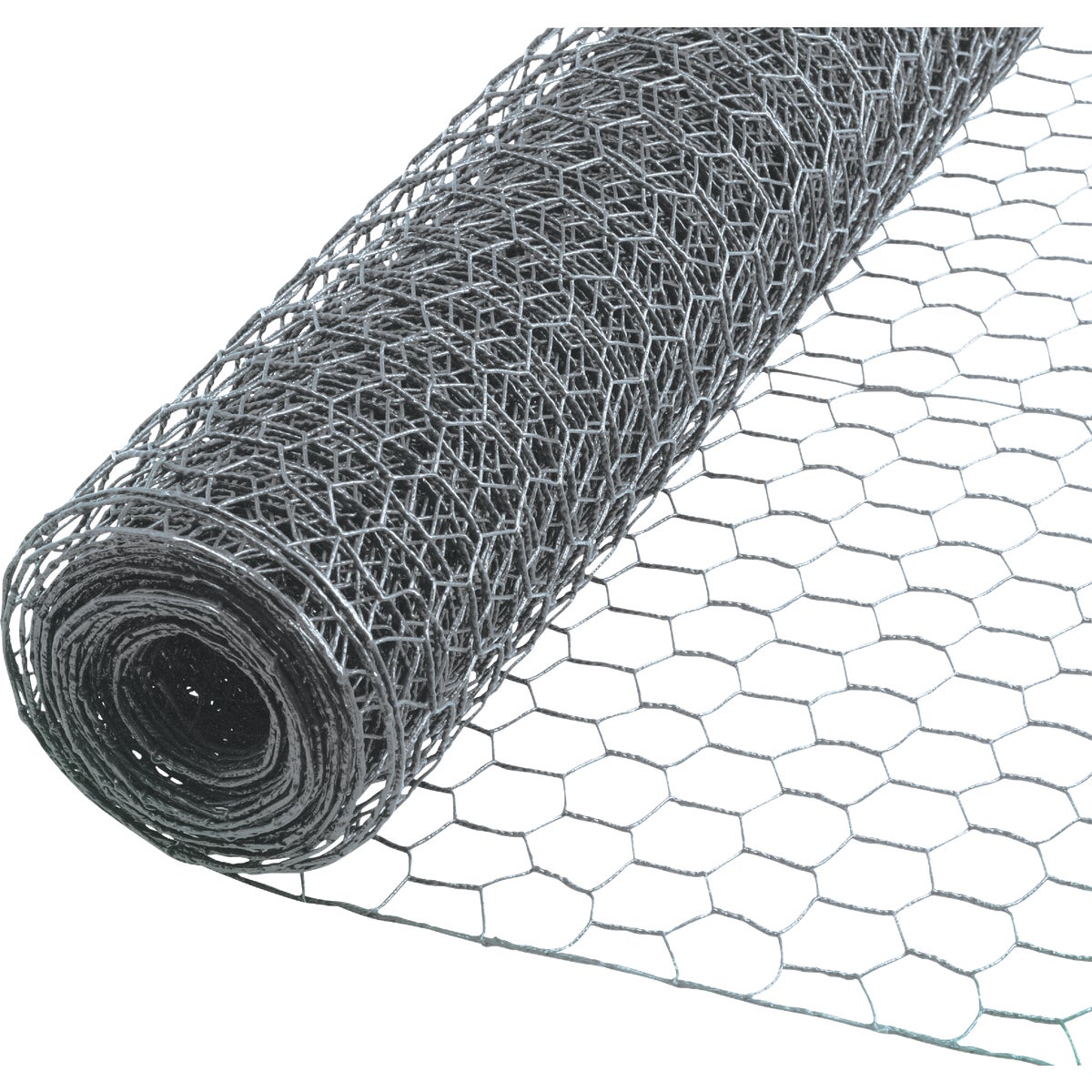
One decision matters more than everything else on this page: chicken wire is not predator-proof, and hardware cloth is. Chicken wire — the hexagonal netting — is designed to keep birds in, and a raccoon can tear through it or reach right between the openings. Half-inch, 19-gauge hardware cloth is the standard for anything a predator can reach: the run walls, every vent and window, and an apron buried or laid flat around the perimeter to stop diggers. Staple it with galvanized fence staples, never a staple gun — a raccoon pulls a light staple straight out. And latch it with something that needs two motions to open, because raccoons genuinely solve simple latches. In Southwest Florida the other constant is heat: shade and water capacity matter more here than insulation does.
The Predator-Proofing Kit
If you build only one thing correctly, build this. Wire that actually stops a raccoon, fasteners that hold it, and a latch that needs thumbs. These 6 items run about $108.94 all in.
Hardware Cloth: The Predator Barrier
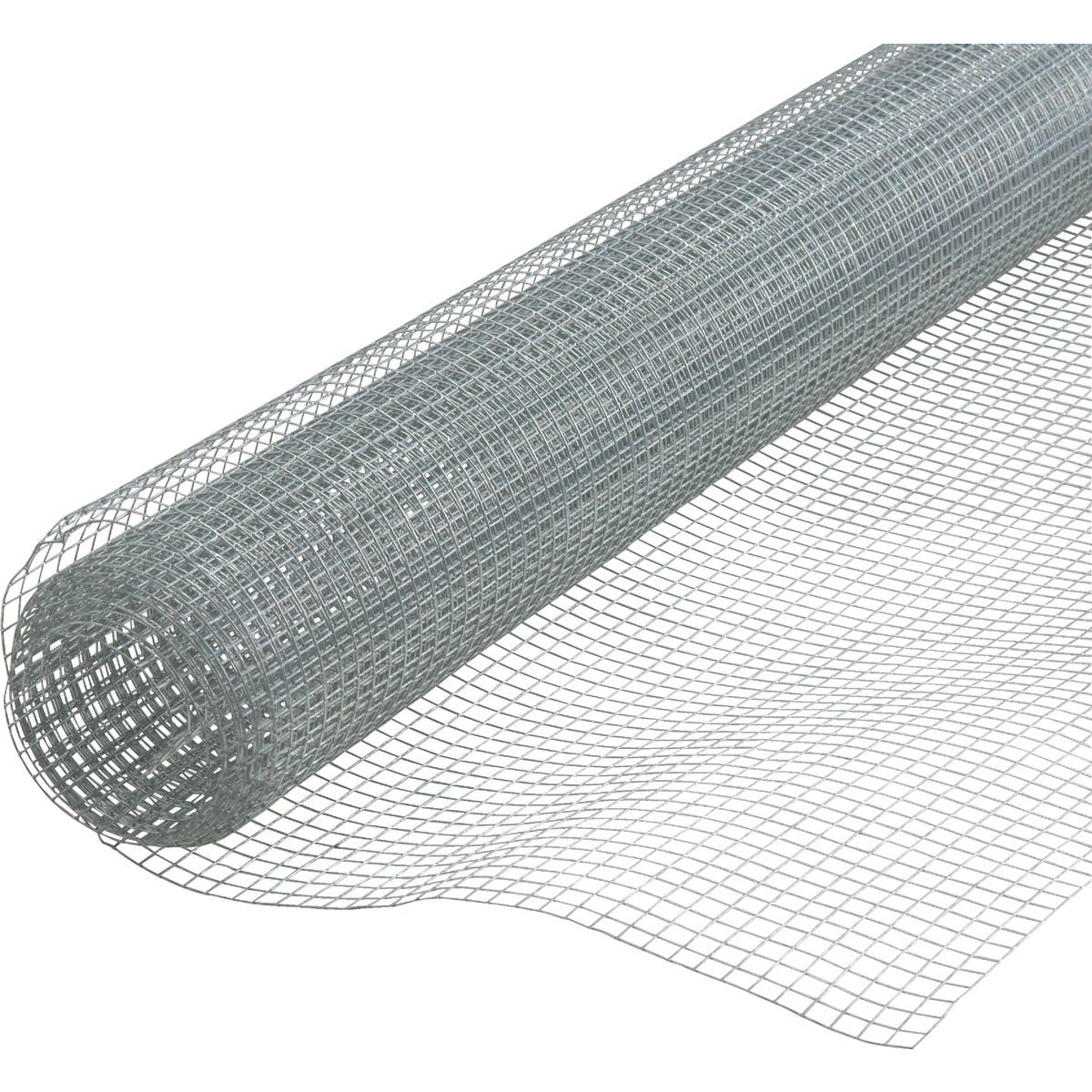
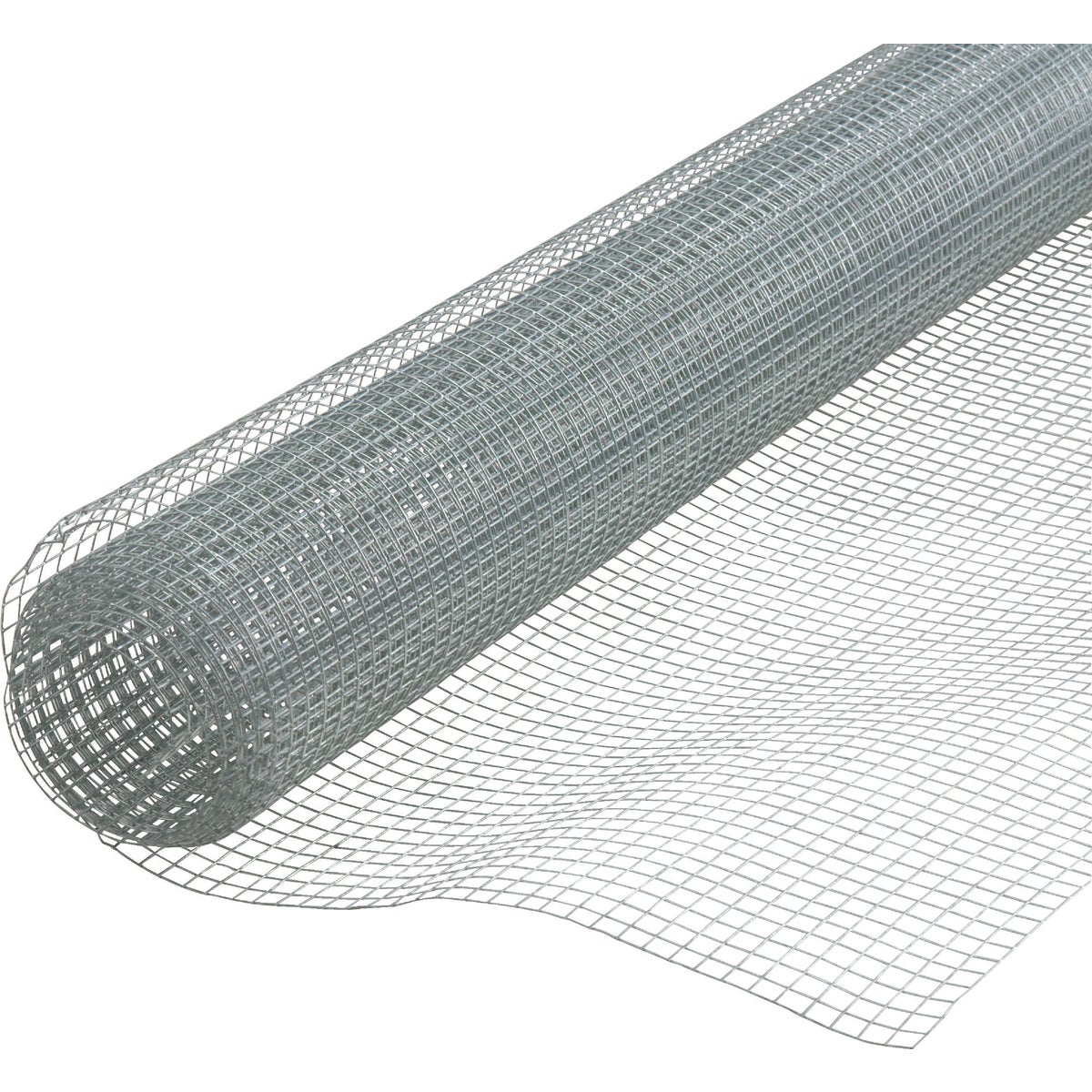
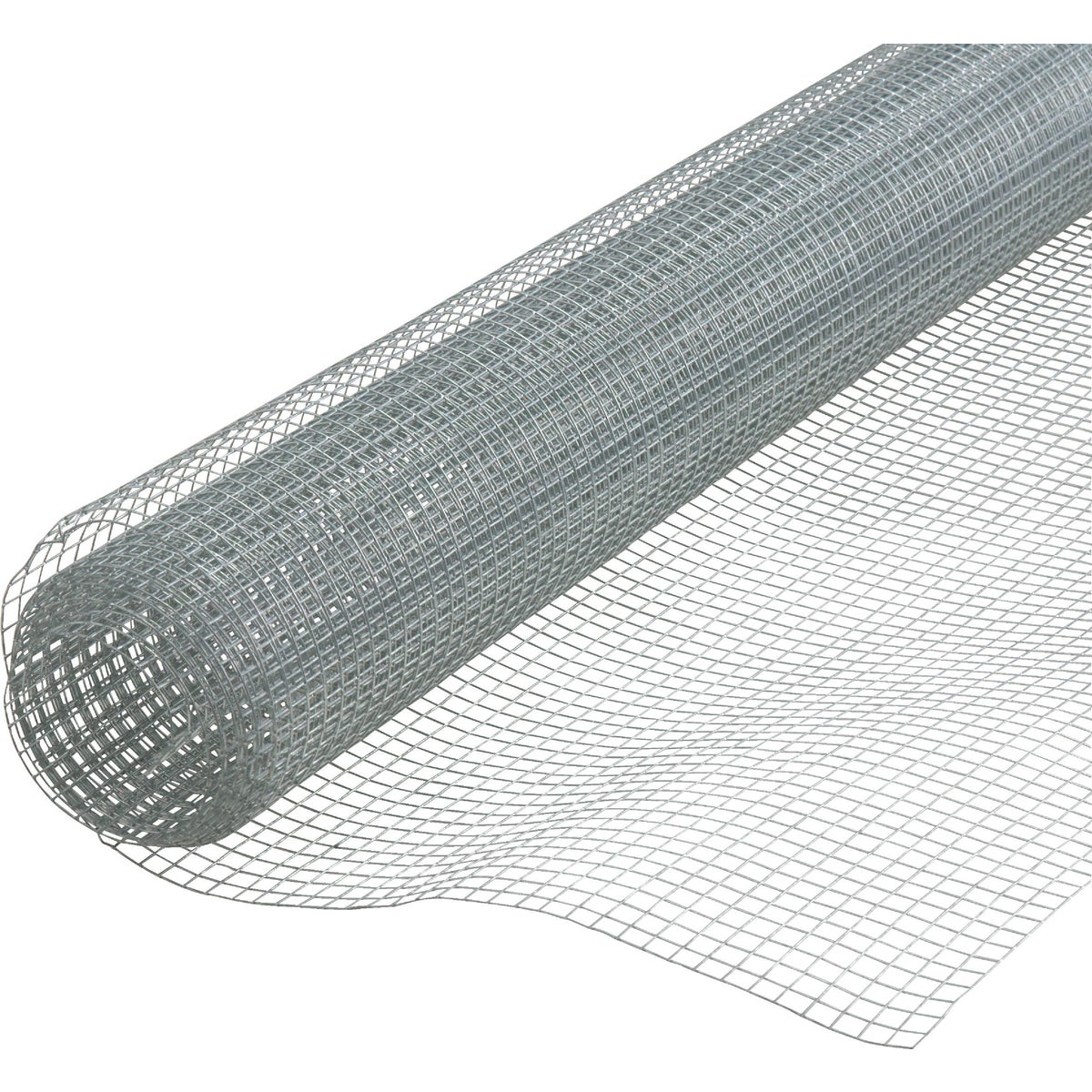
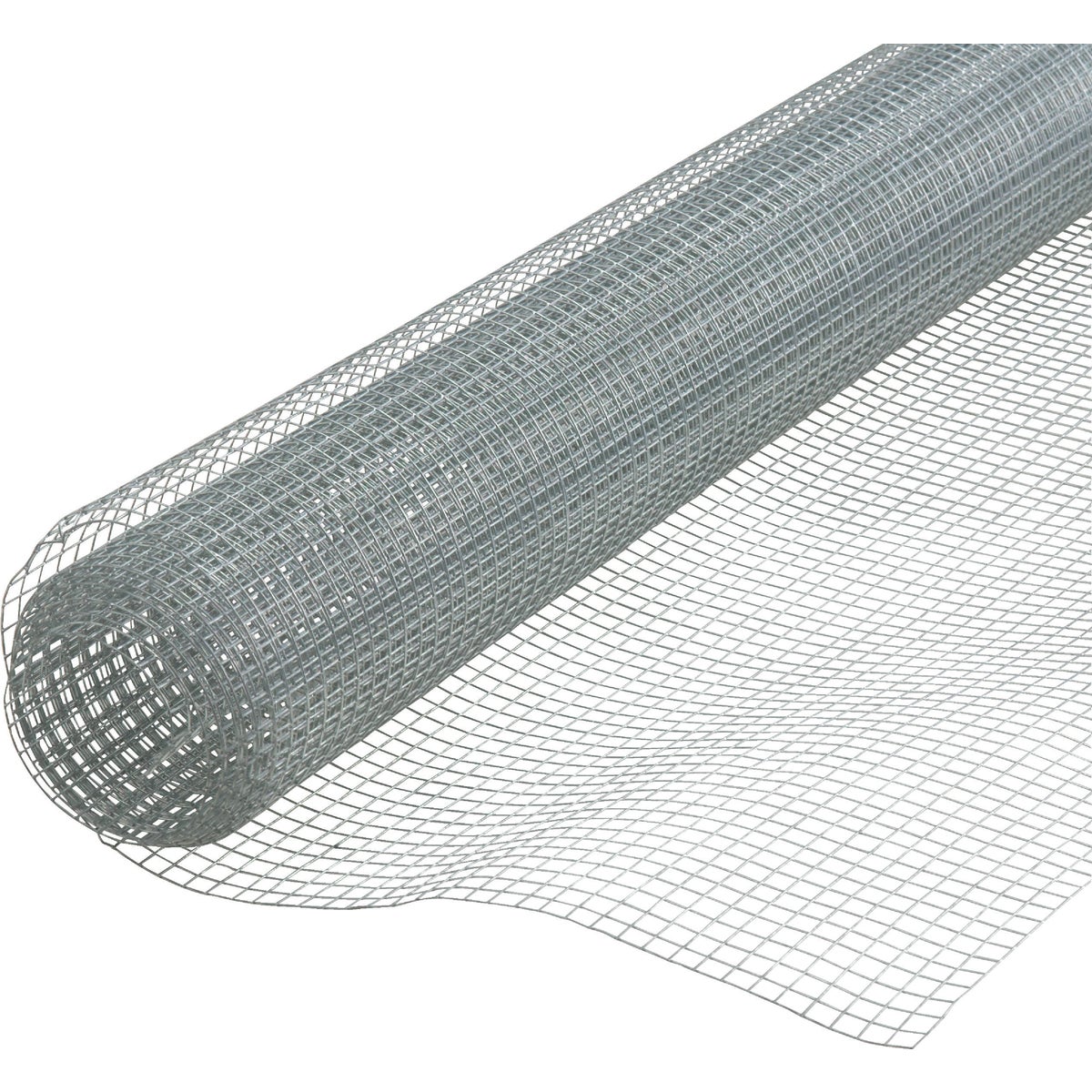
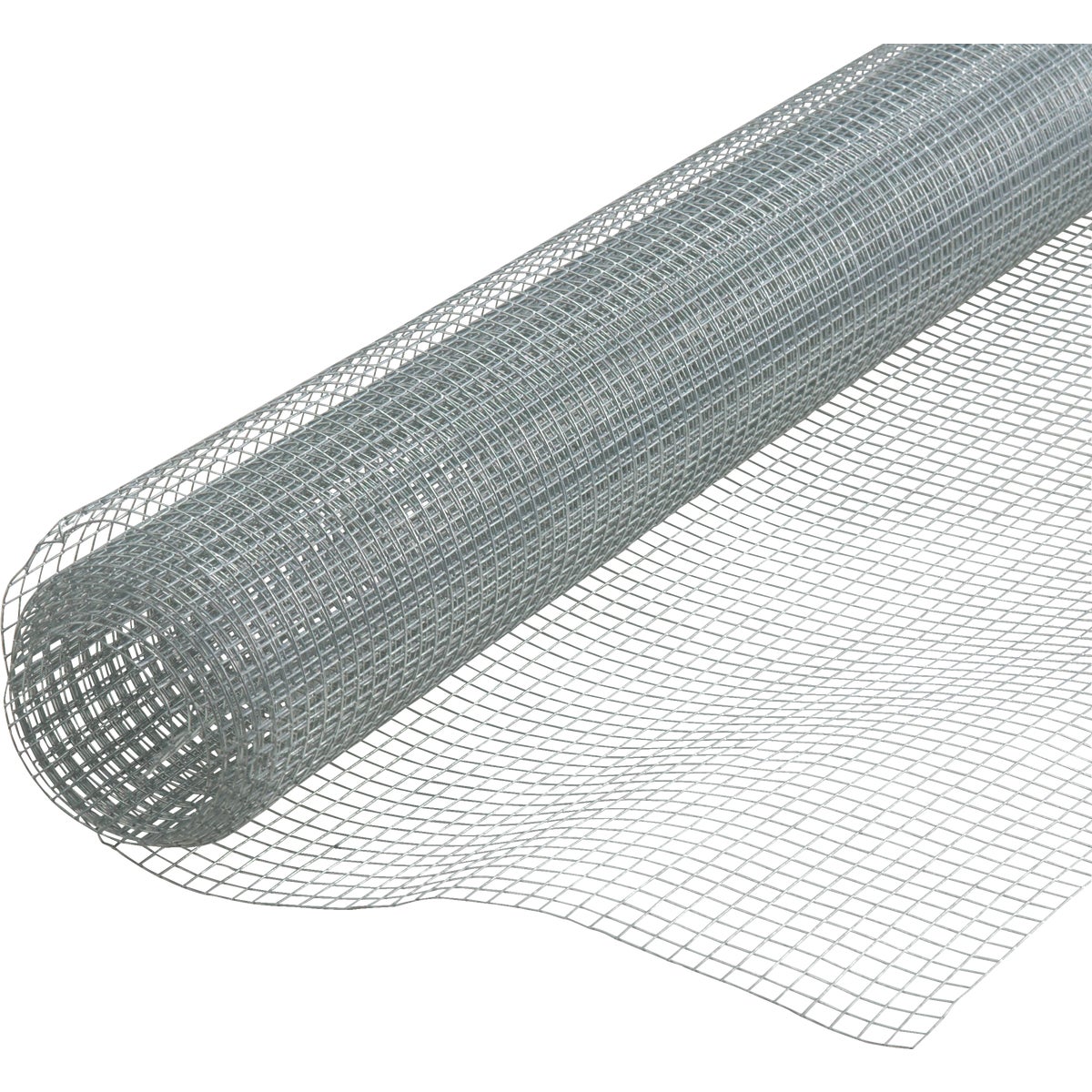
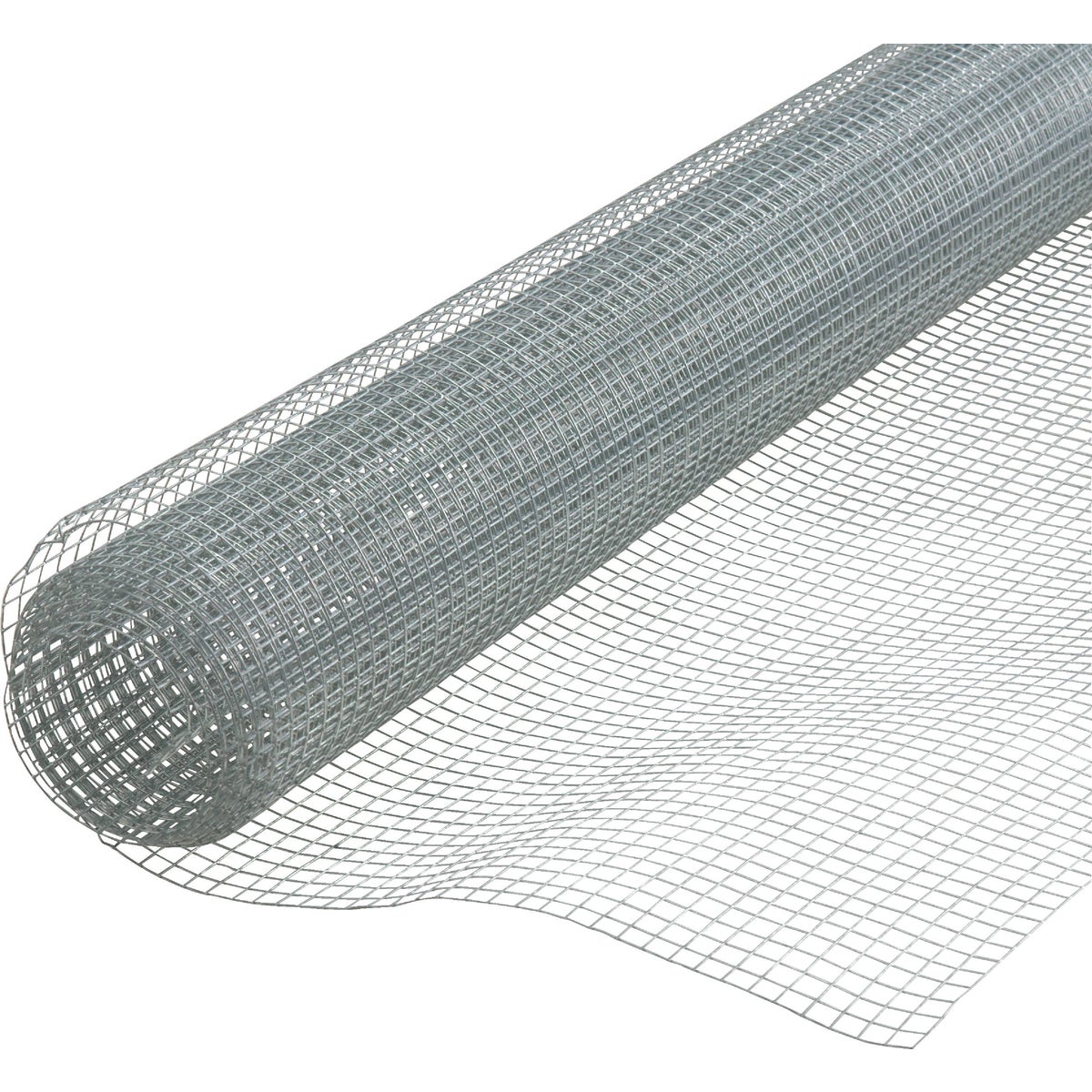
This is the section that decides whether you still have a flock next spring. Half-inch, 19-gauge hardware cloth over every opening a predator can reach — run walls, vents, windows, and an apron laid flat or buried around the perimeter against diggers. Quarter-inch keeps out snakes and rodents; eighth-inch is for the fine screening jobs. It costs more than chicken wire and it is the only part of a coop you should not economize on.
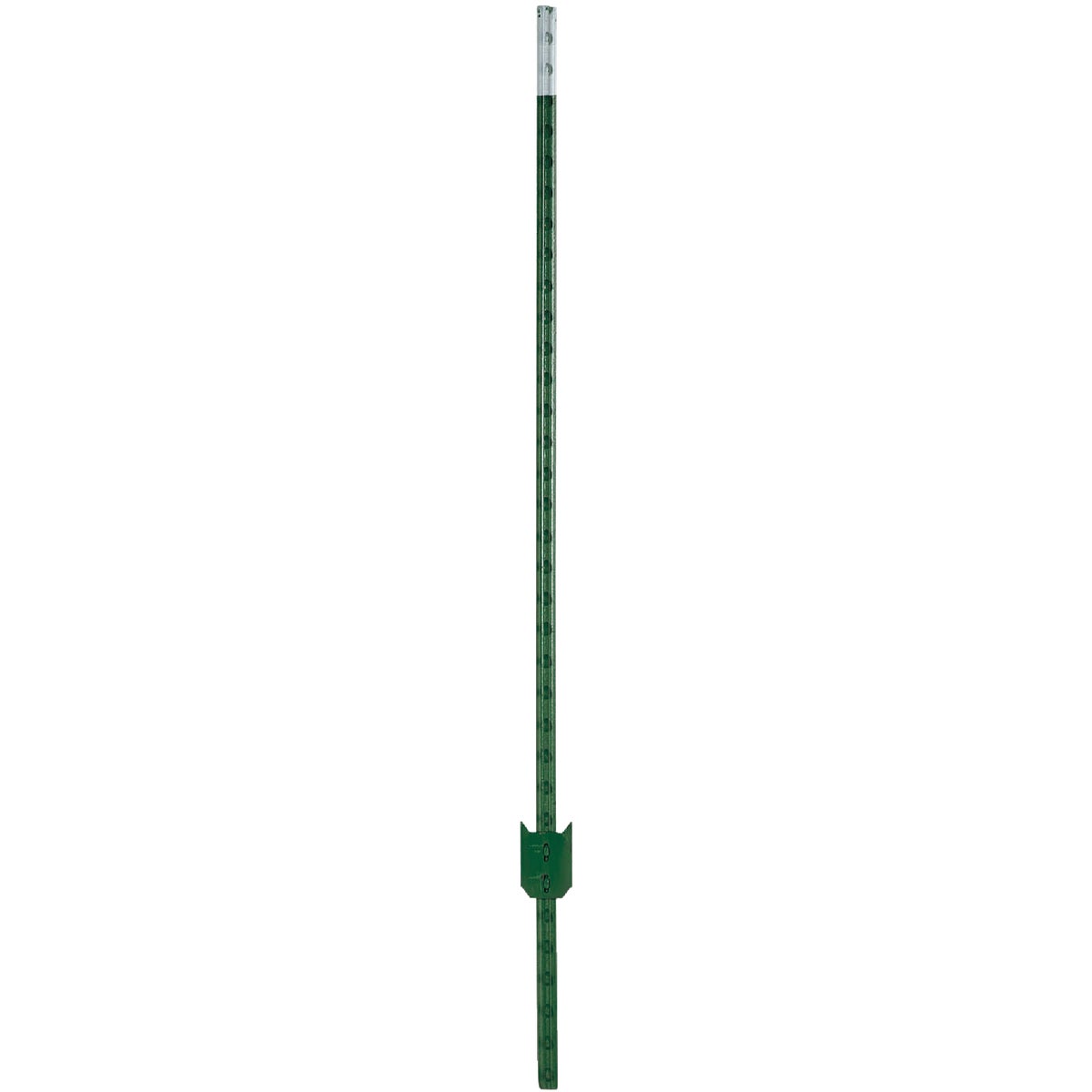
Run Fencing & Posts
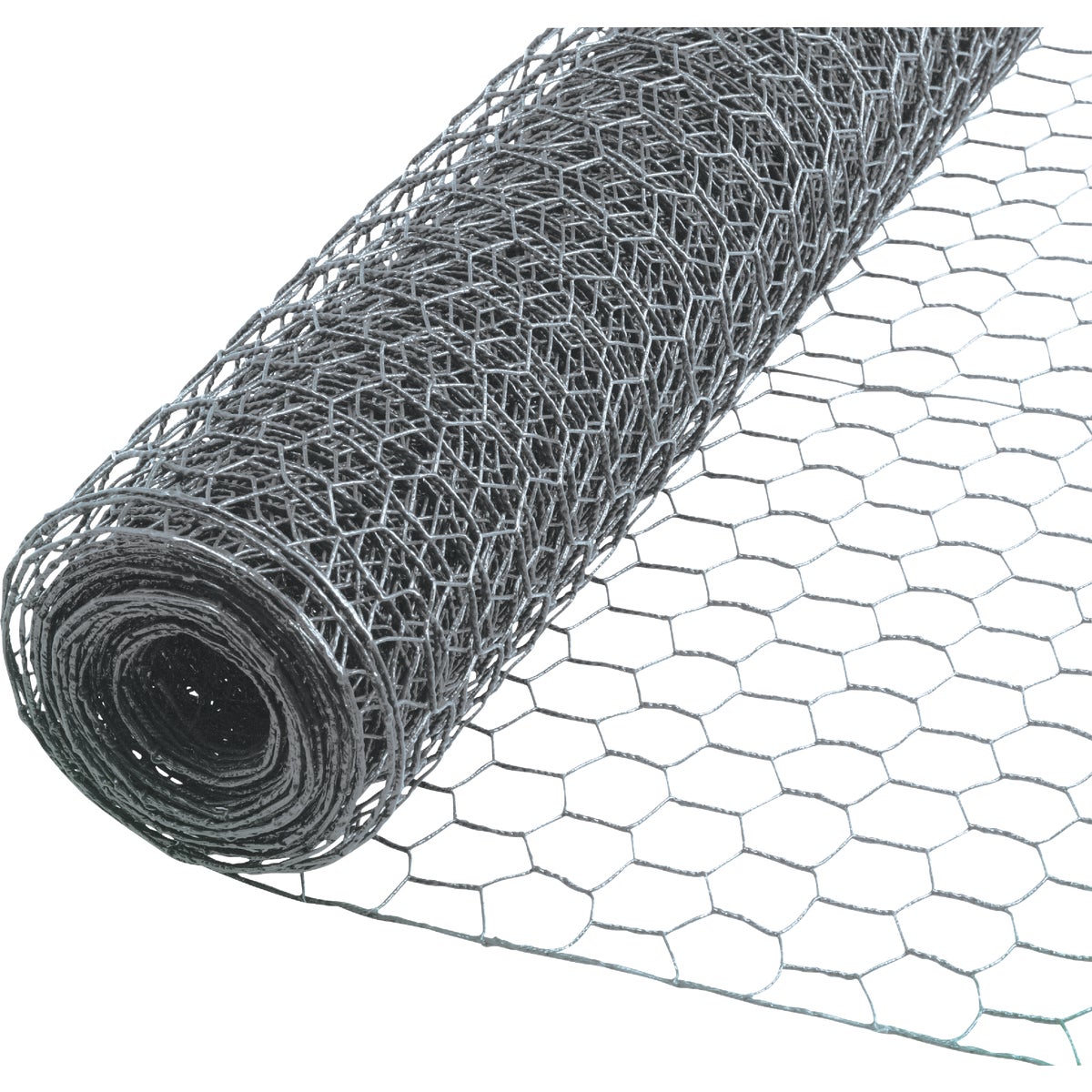
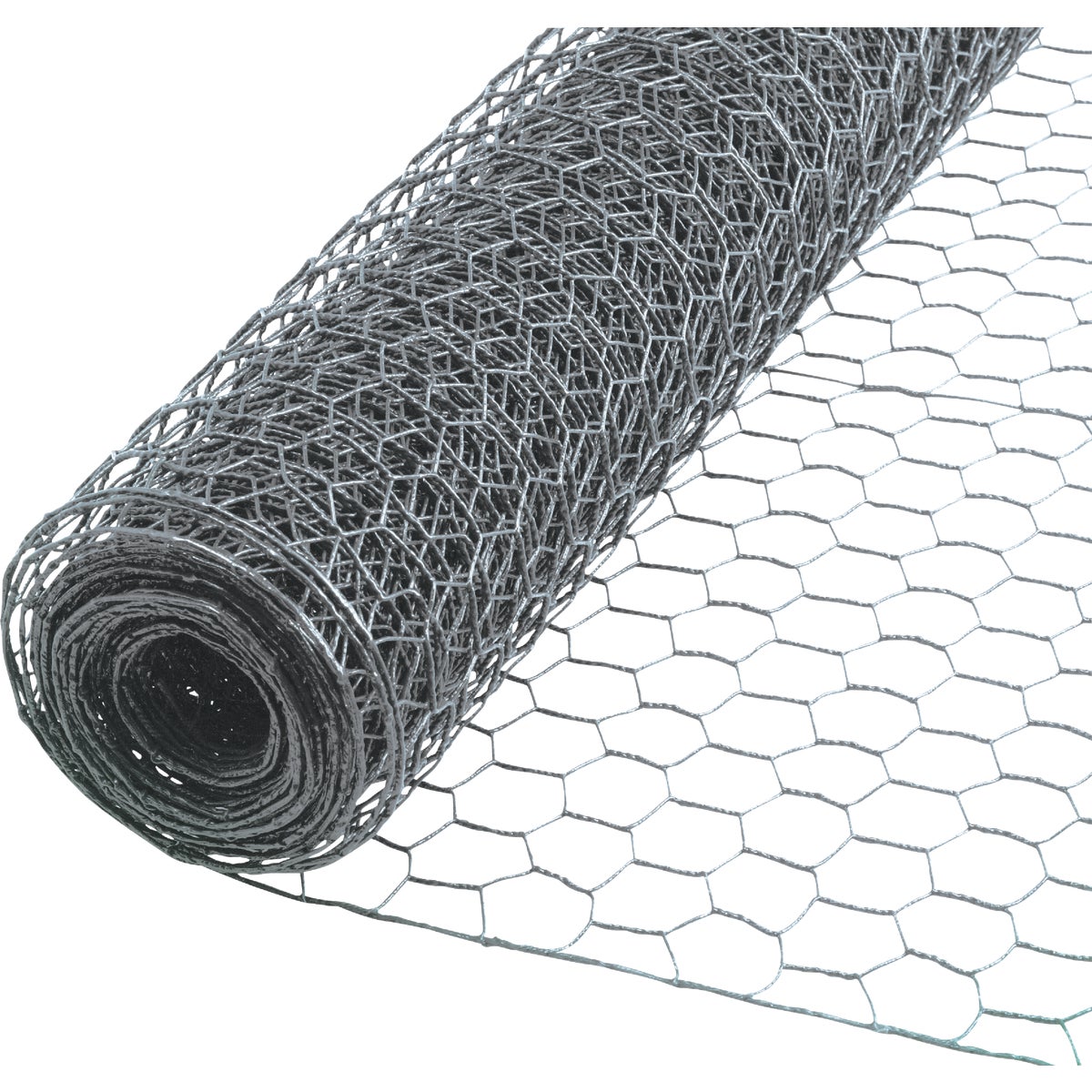
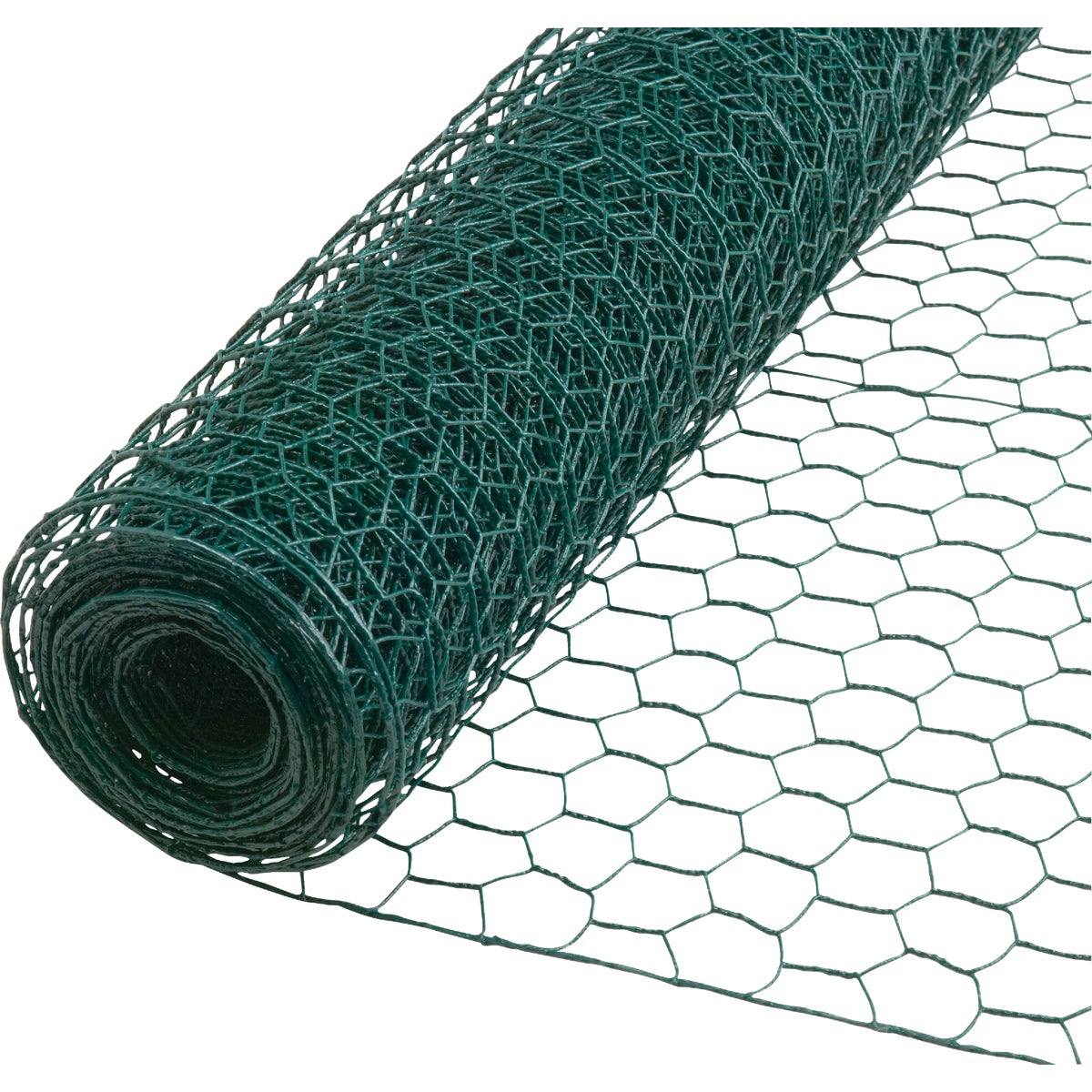
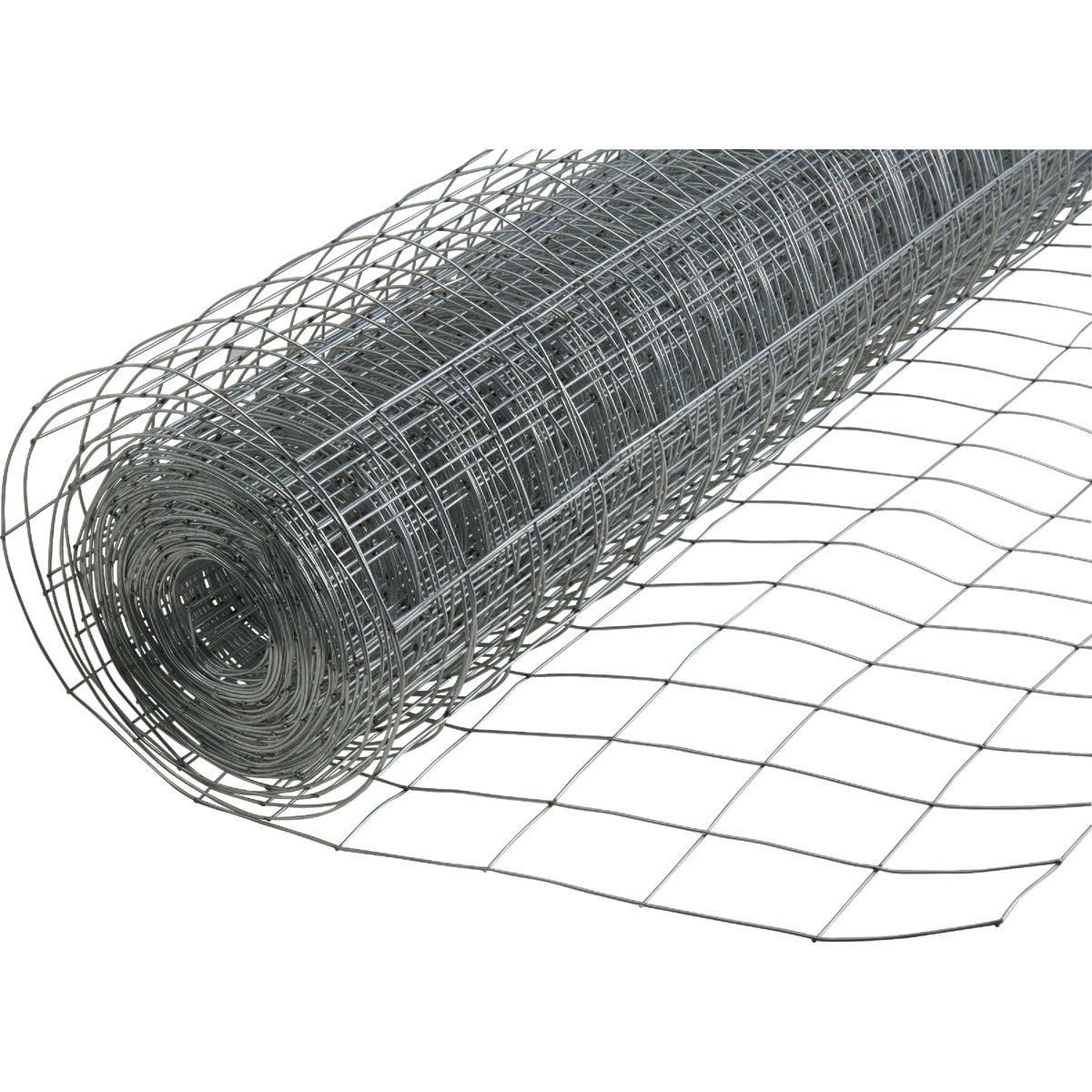
Once the predator barrier is handled, the rest of the run is about containment and space. Poultry netting and welded wire are fine here — cheap, light, and easy to work around a large area. Use them for the upper run, the perimeter and overhead cover; use hardware cloth for the bottom two or three feet where something can reach through.
Fastening Wire That Actually Holds
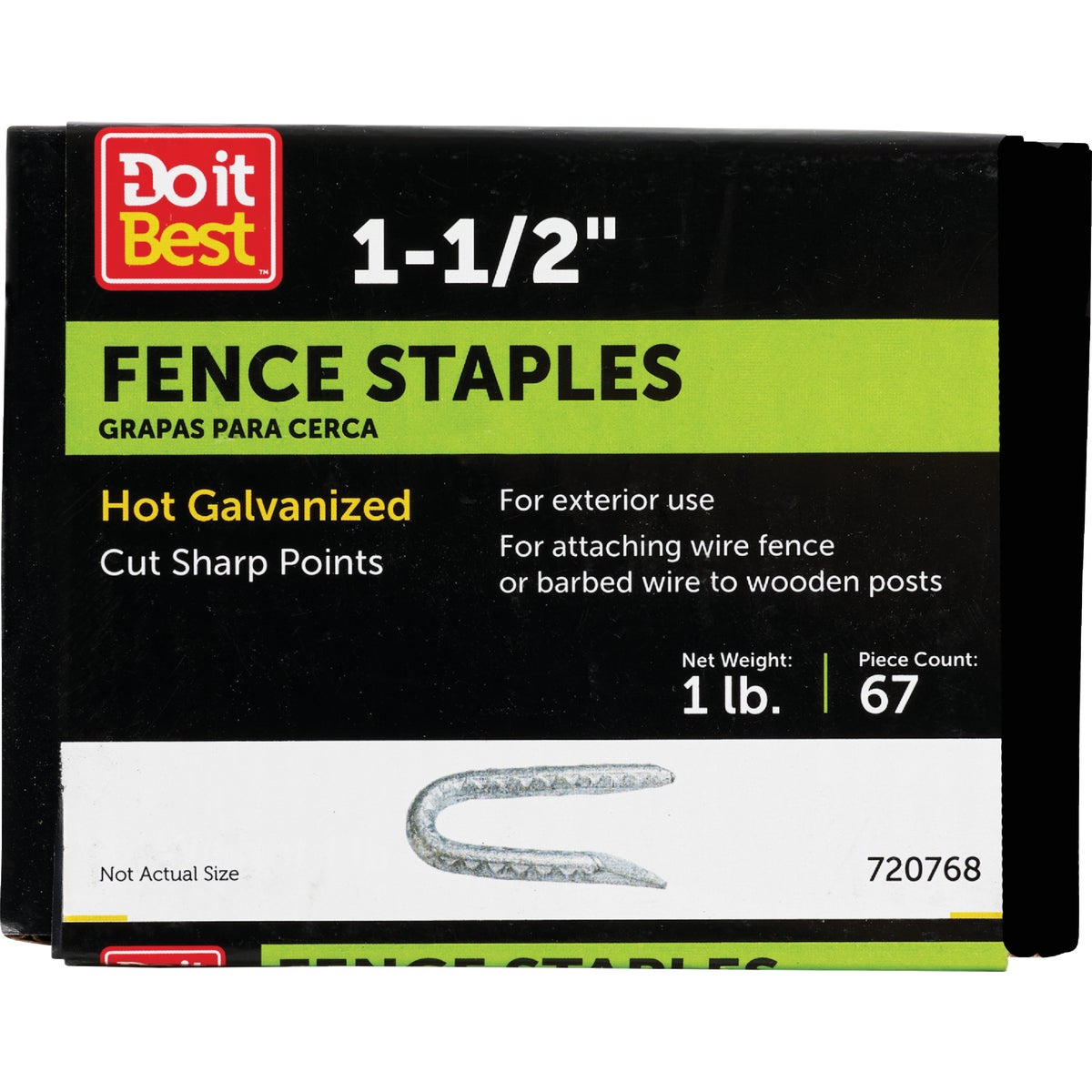
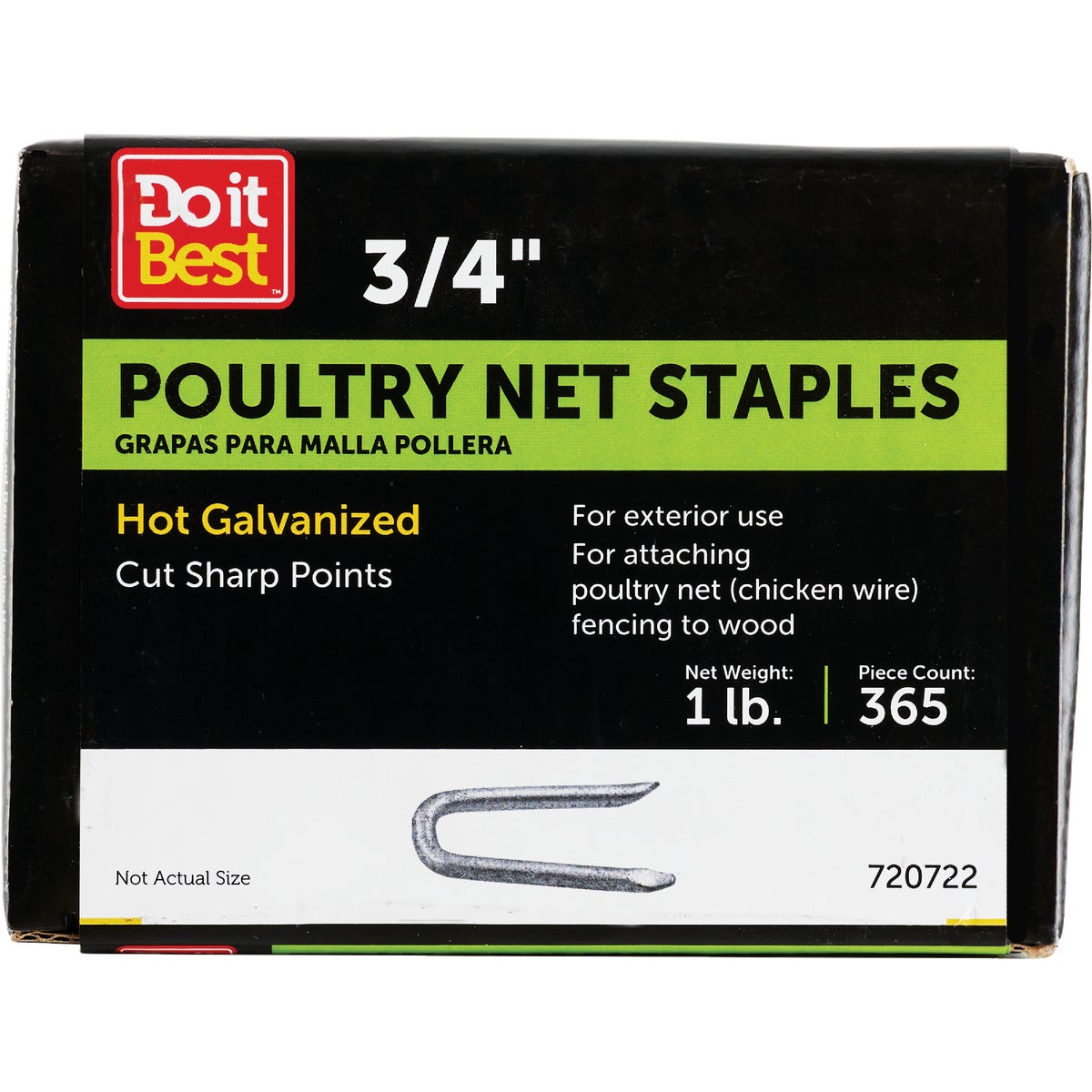
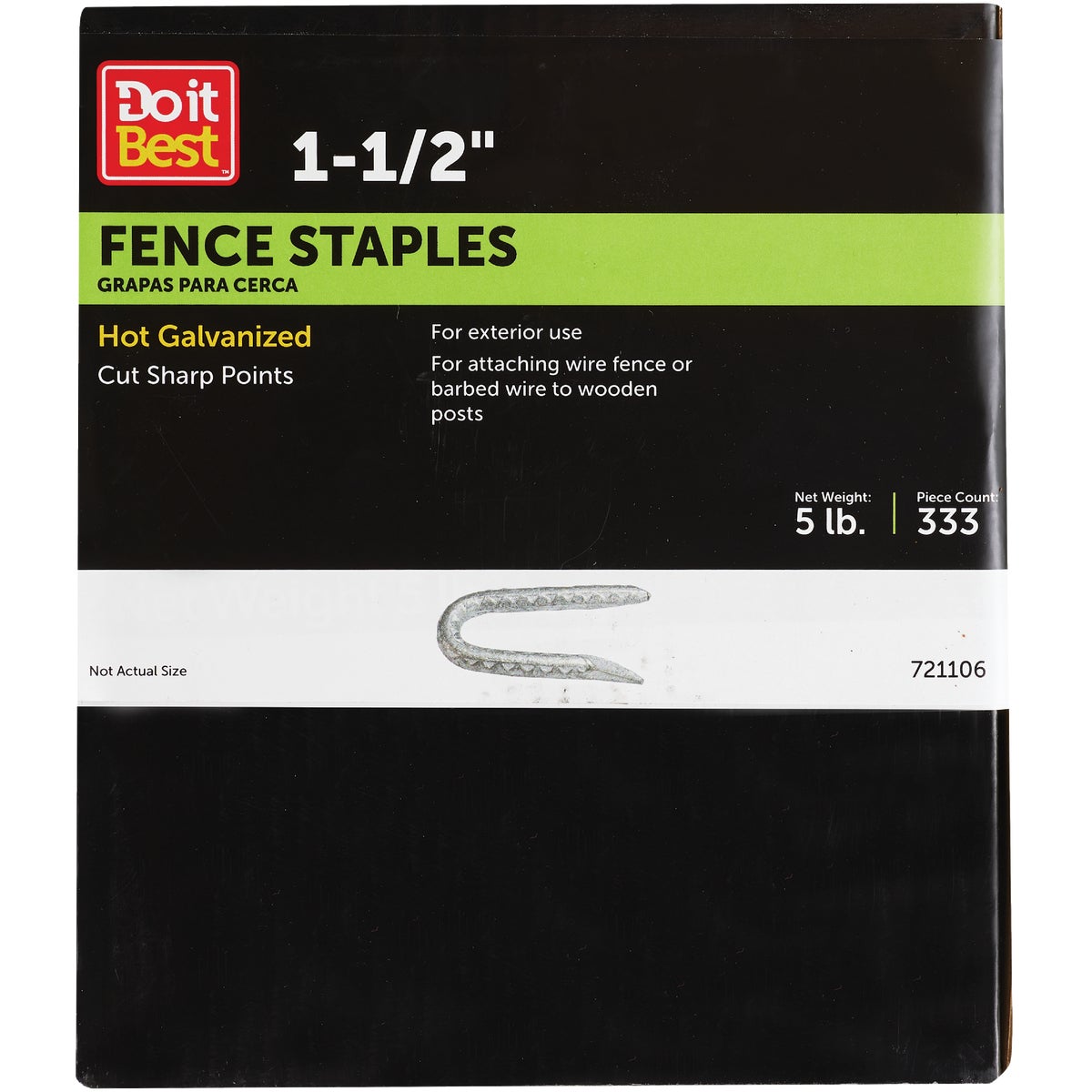
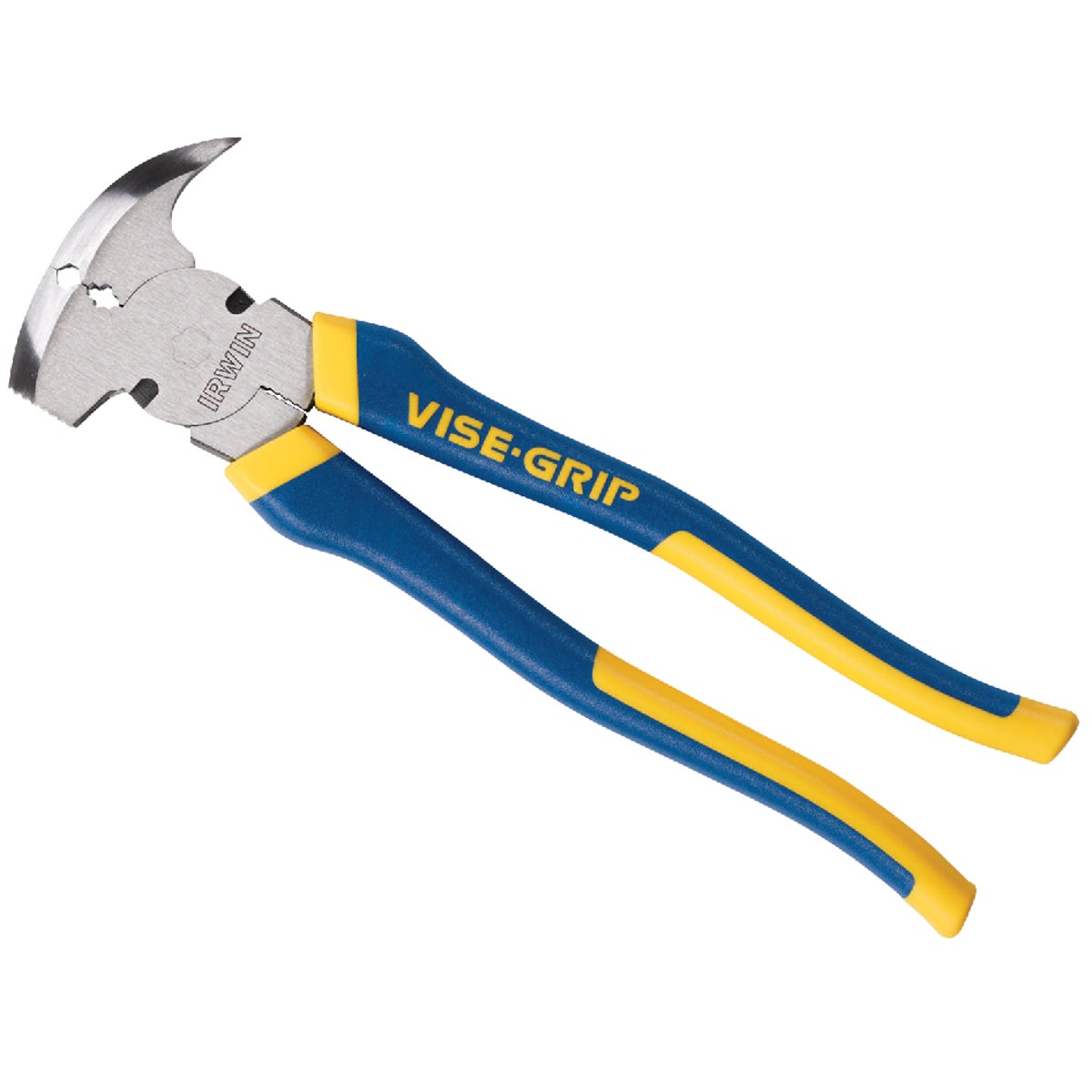
The most common coop failure is not the wire, it is what holds it. A pneumatic or hand staple gun leaves a staple a determined raccoon can peel out in a night. Galvanized fence staples driven with a hammer — or screws with washers — every few inches is what makes the barrier real. Galvanized also matters in this climate; plated fasteners in Florida humidity are rust within a season.
Raccoon-Proof Latches & Doors
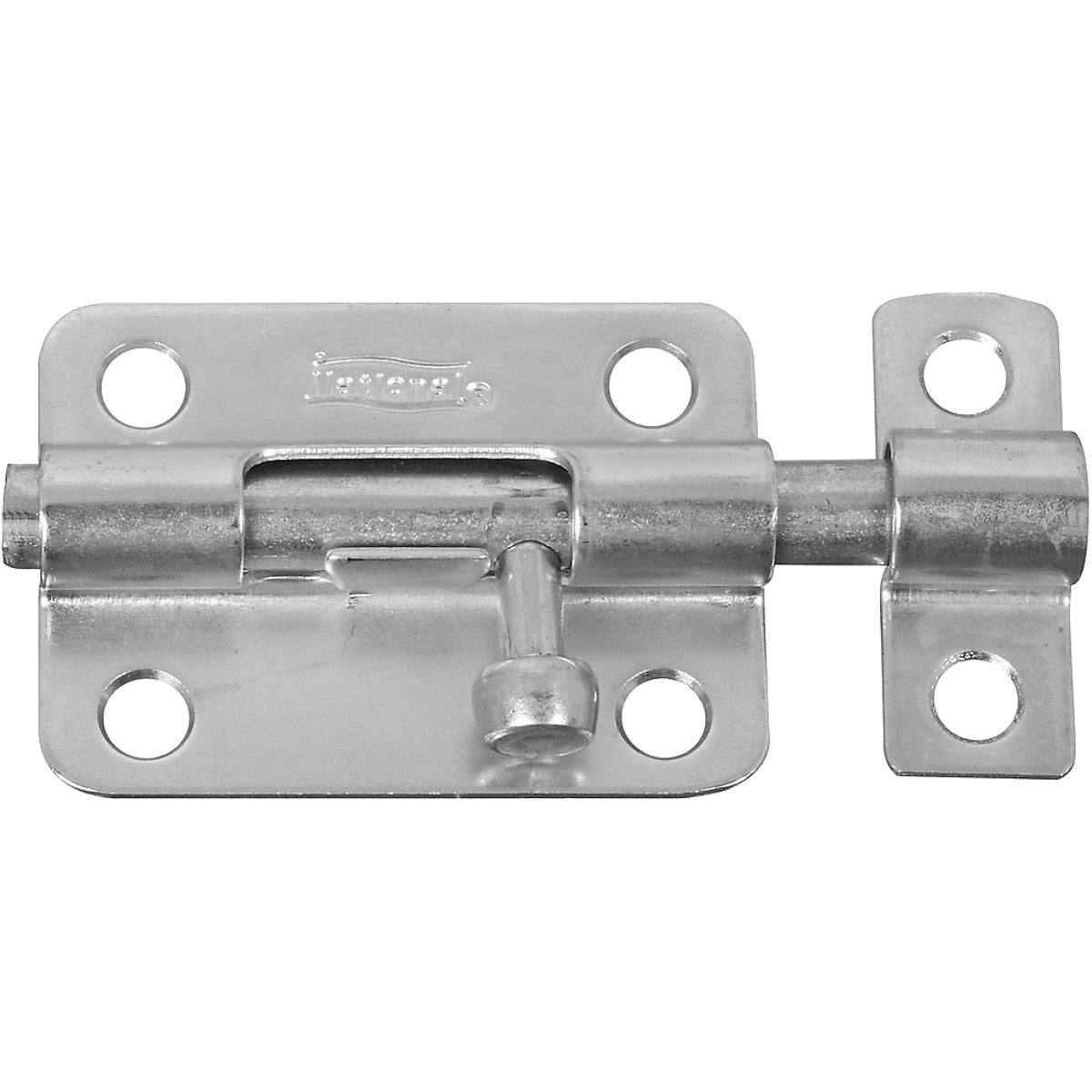
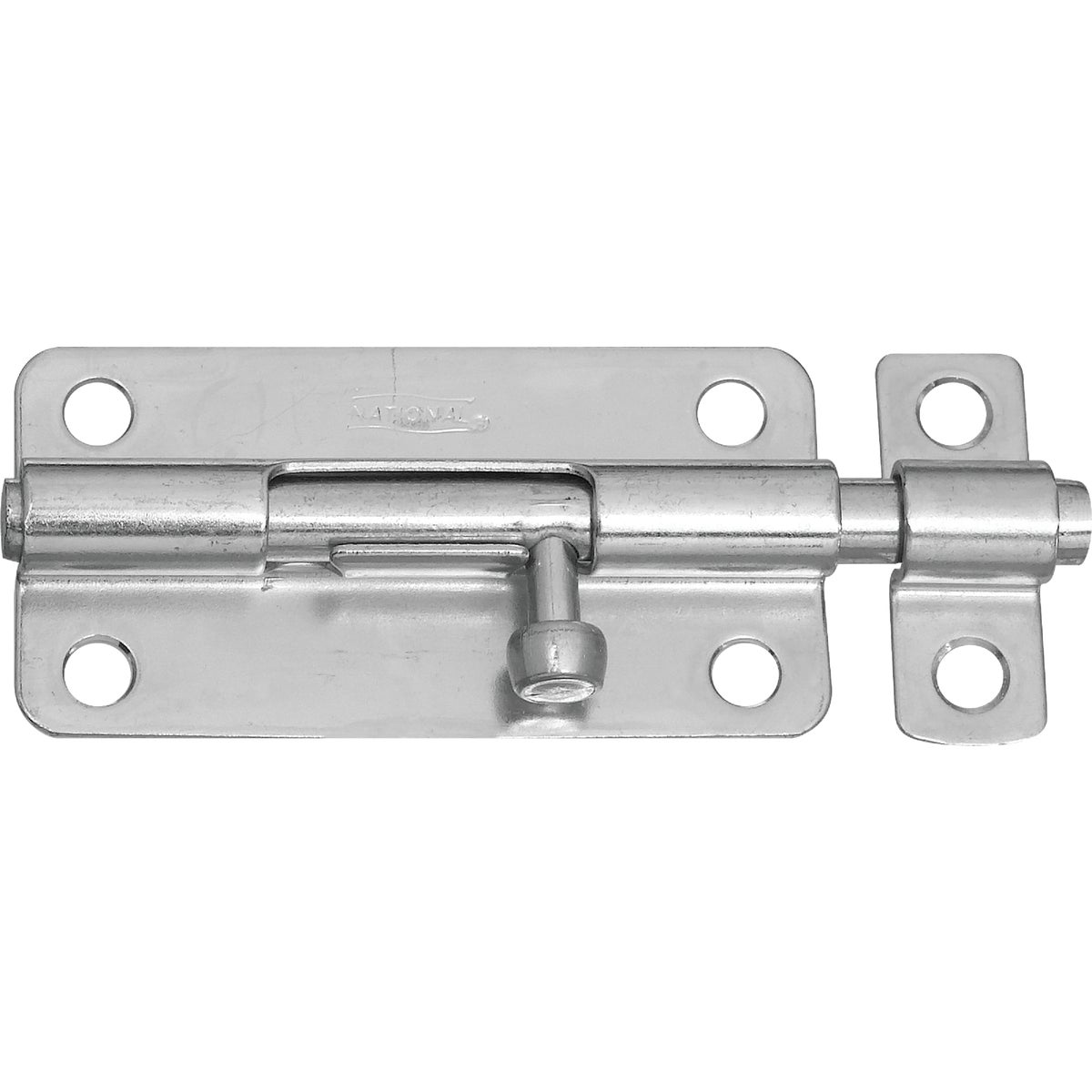
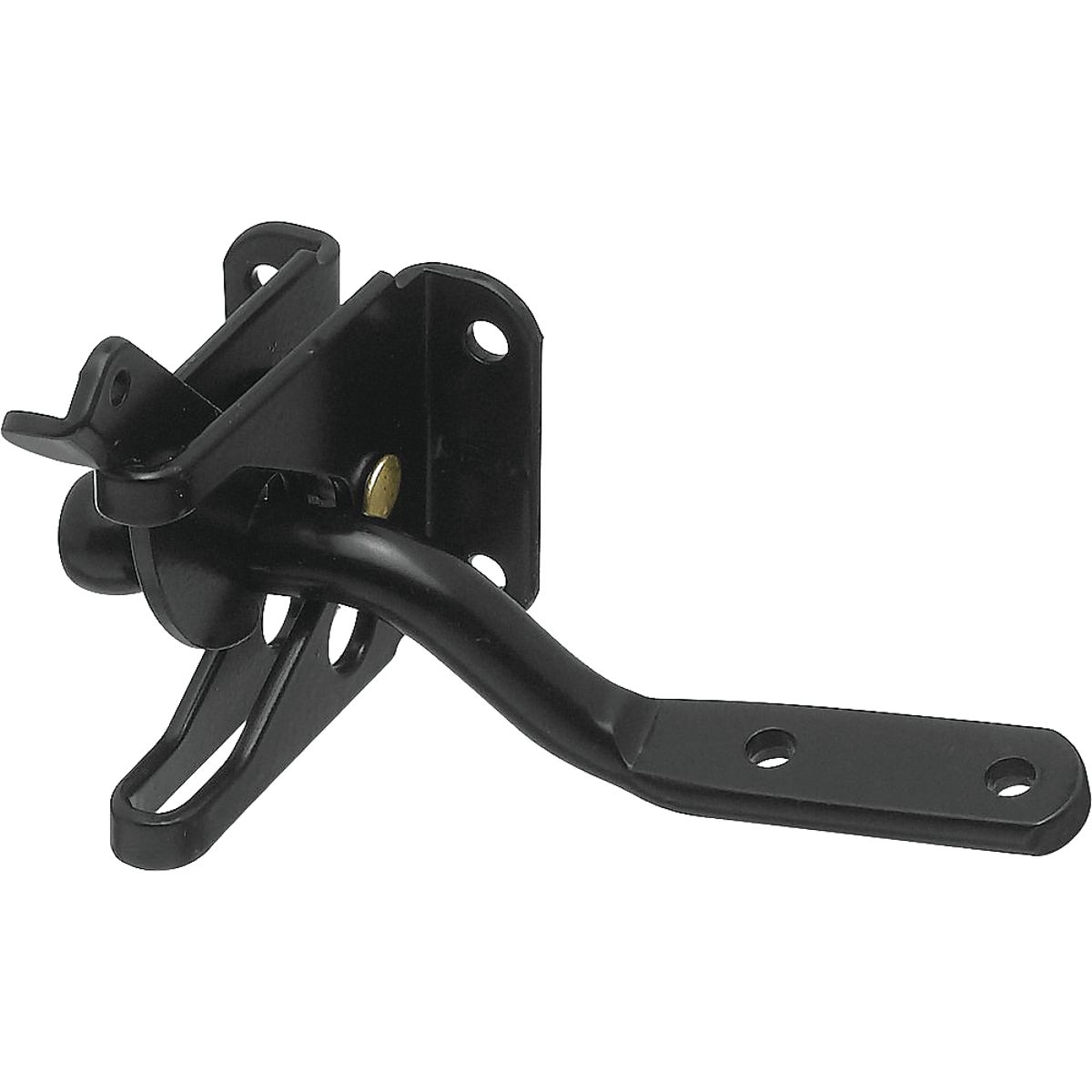
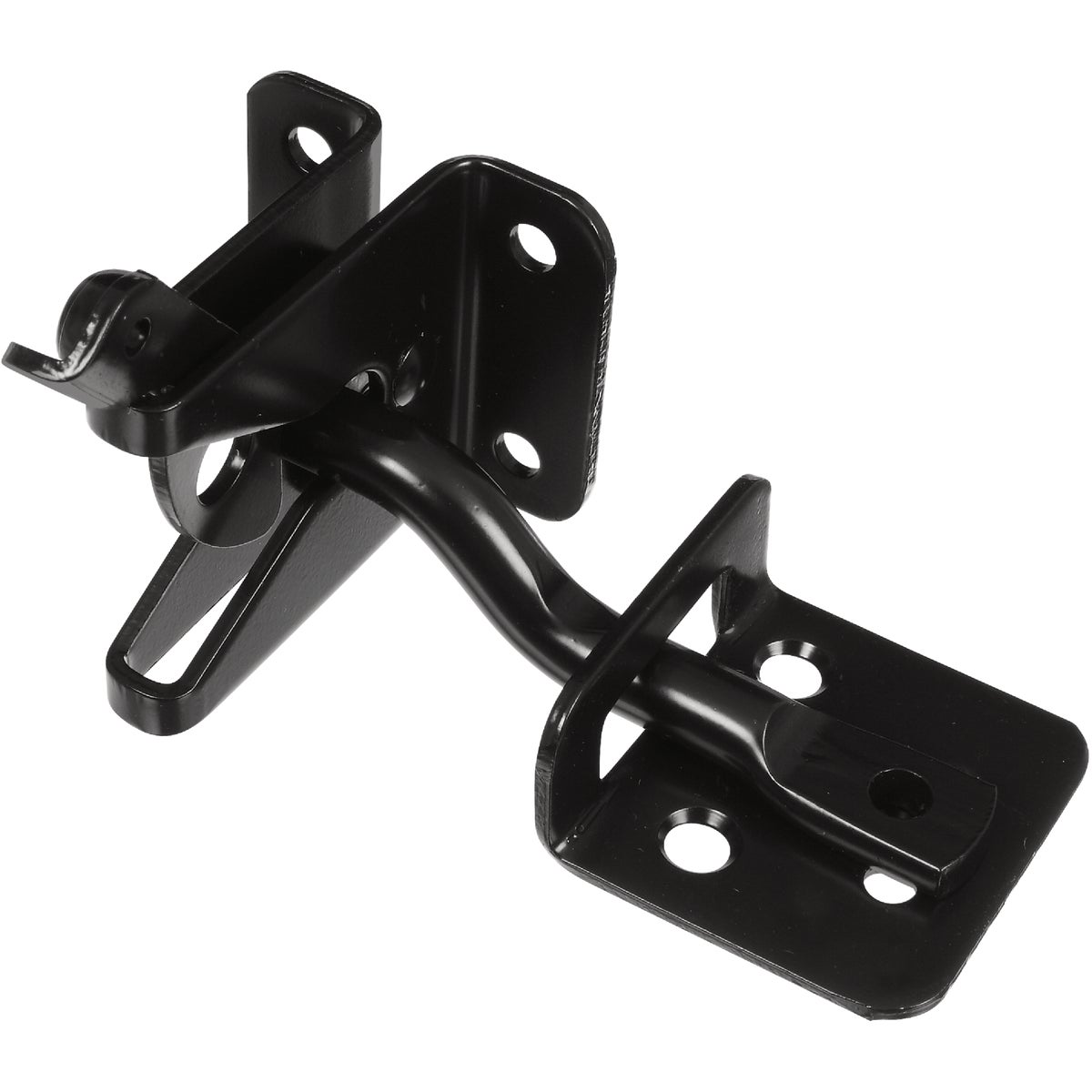
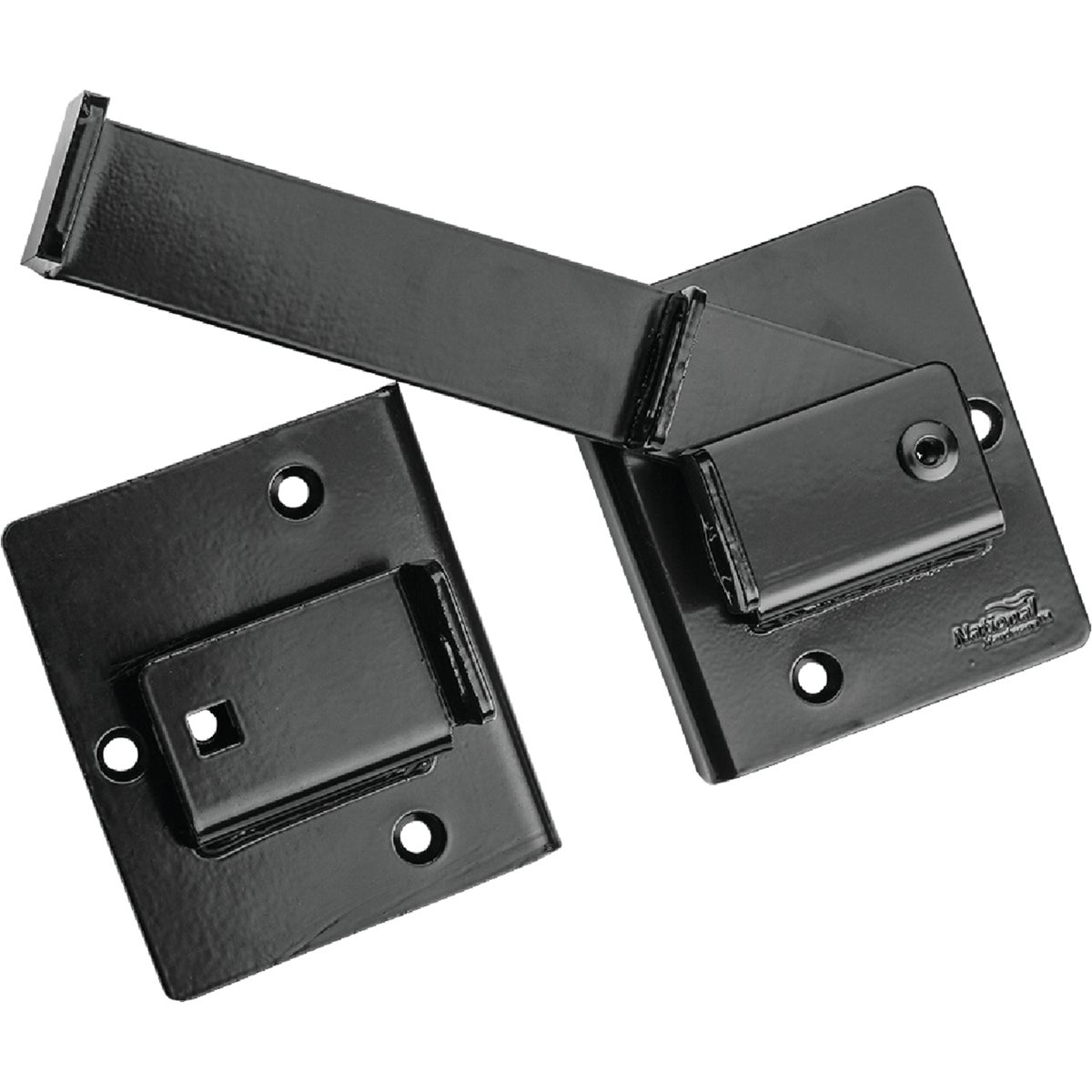
Raccoons have hands and patience. A simple hook-and-eye or a spring latch is a puzzle they solve, and people who have lost a flock to one always say the same thing: the door was closed. Use latches that need two separate motions, or a barrel bolt with a carabiner or clip through the hasp.
Water, Feed & Storage
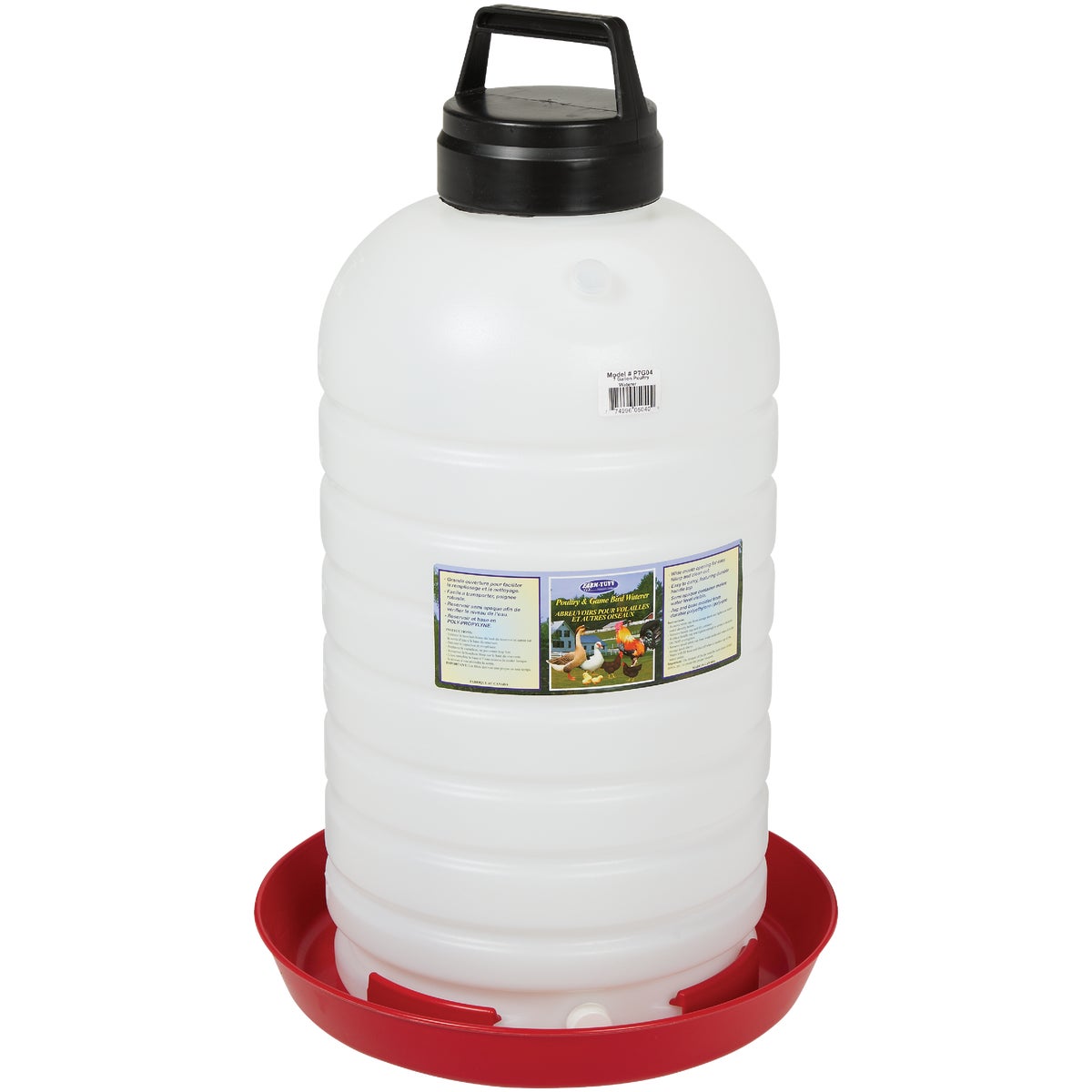
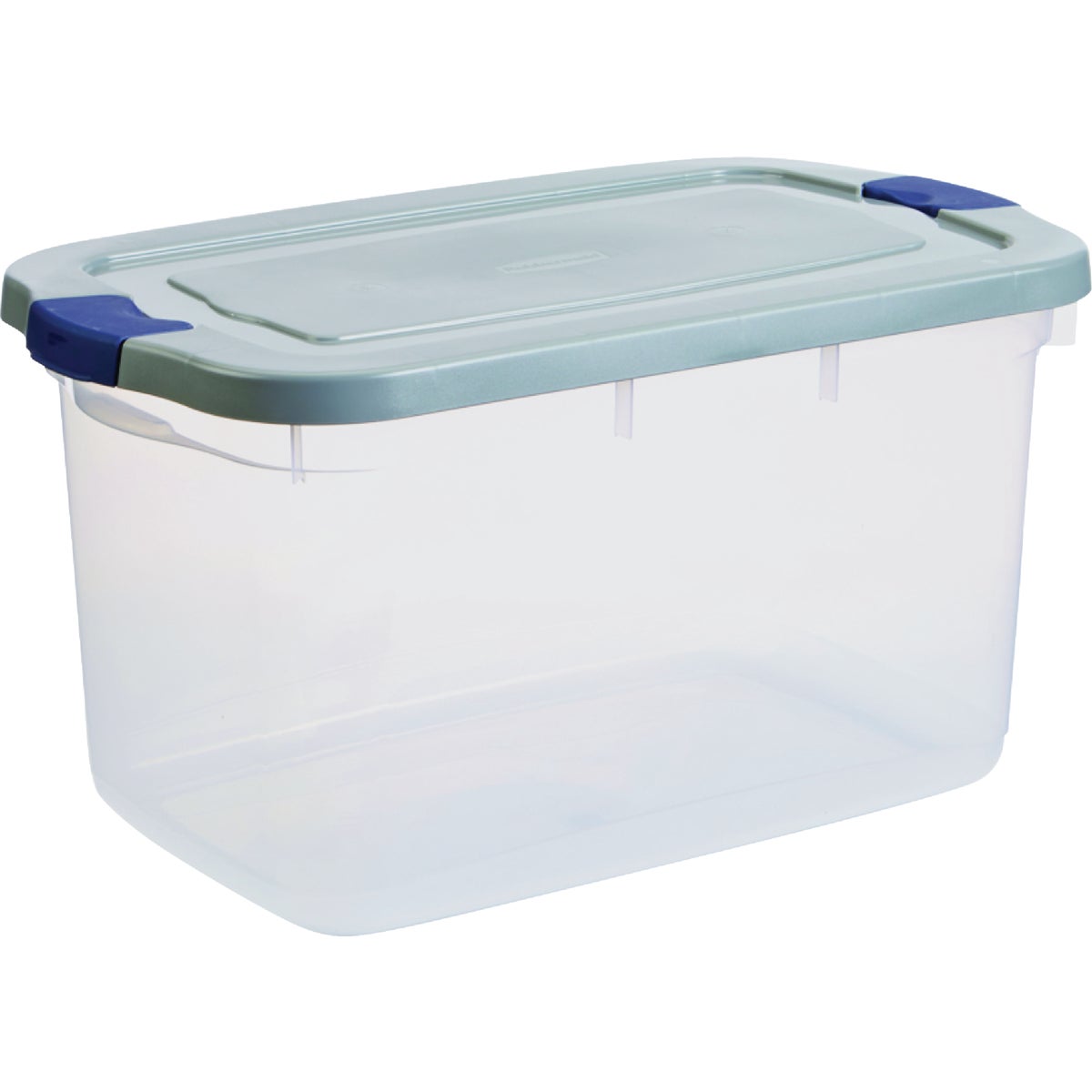
In Southwest Florida heat, water capacity is the daily constraint — birds drink far more than new keepers expect, and a small waterer in August is a twice-a-day chore. Feed needs to be sealed against rodents, which are also what attracts snakes.
Coop Cleaning & Safety
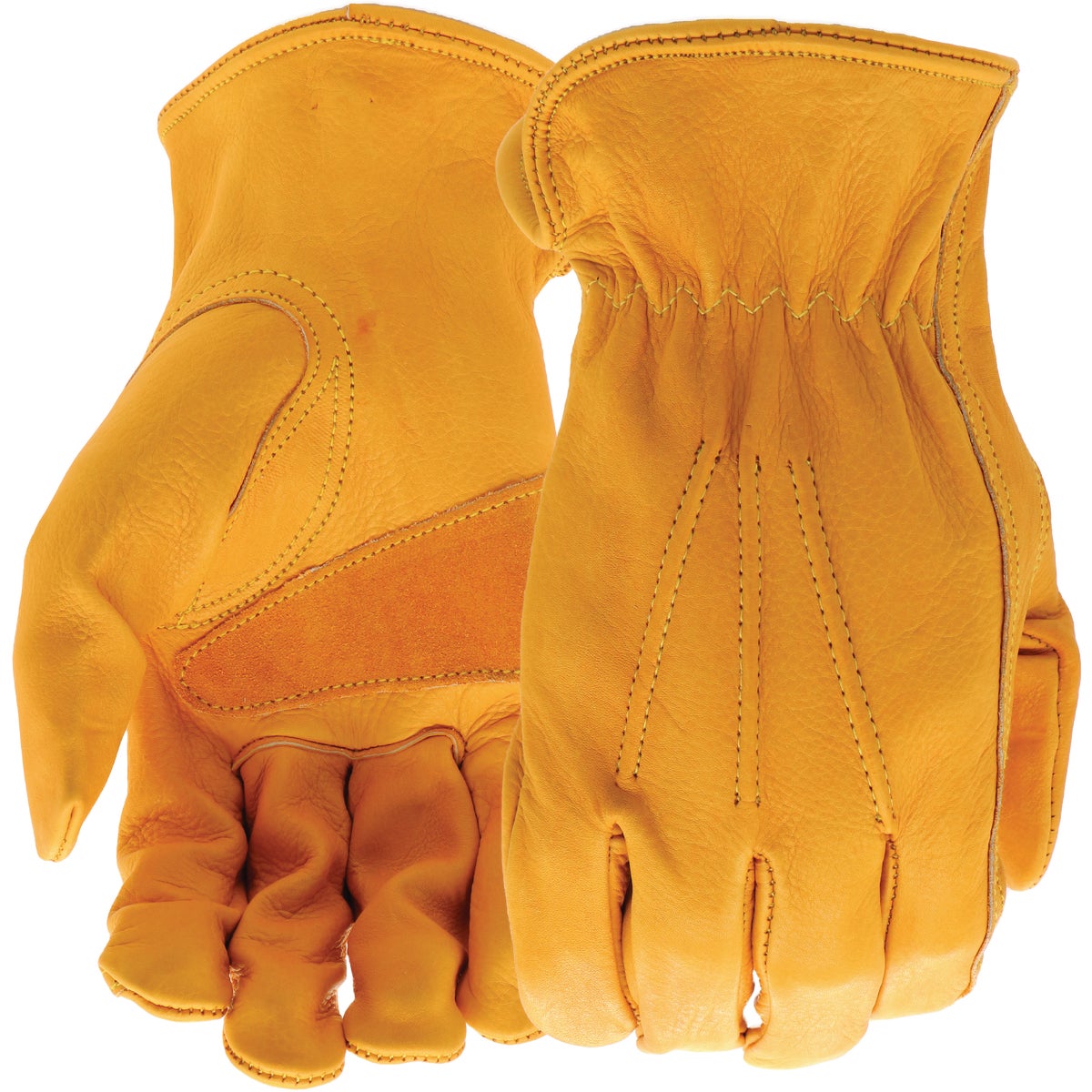
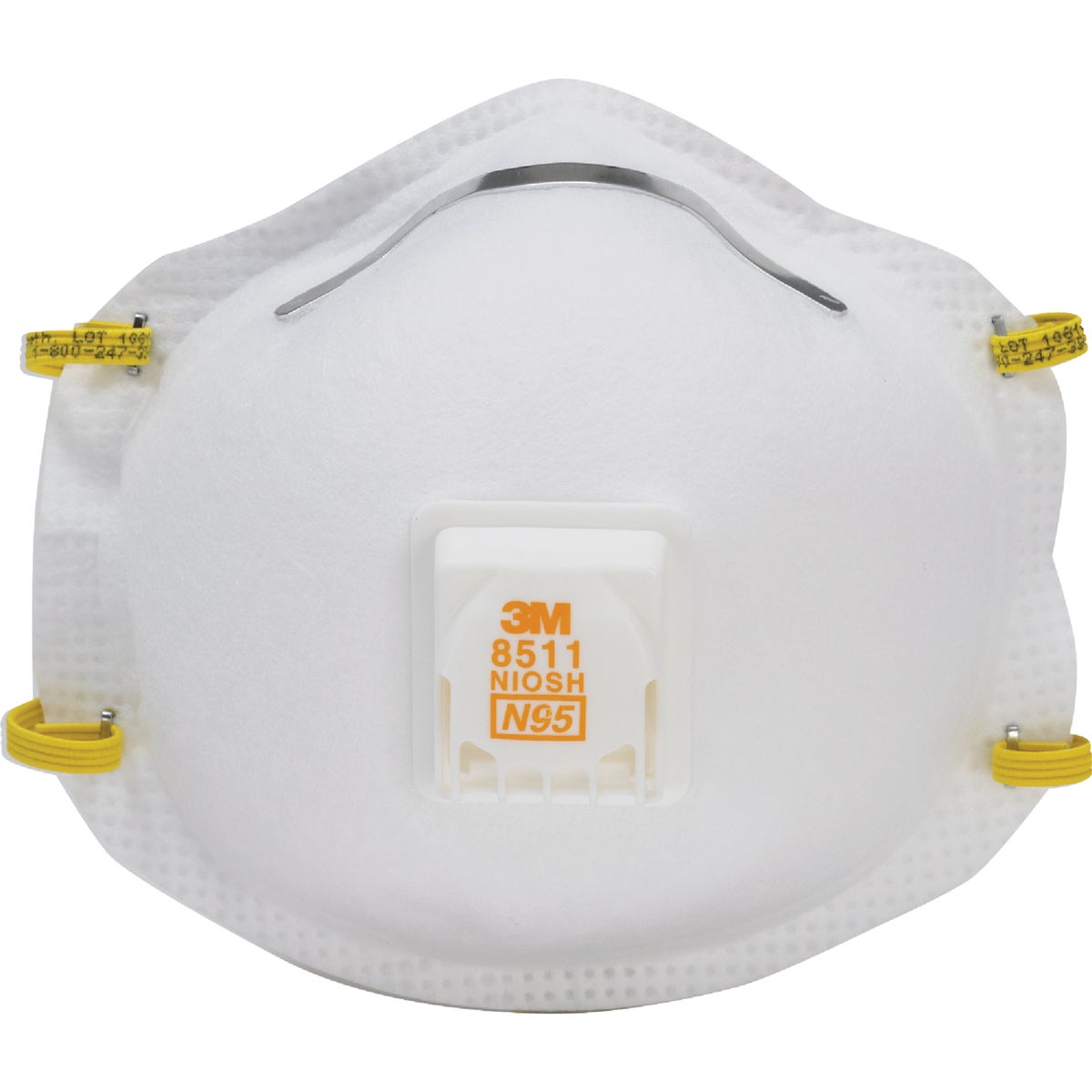
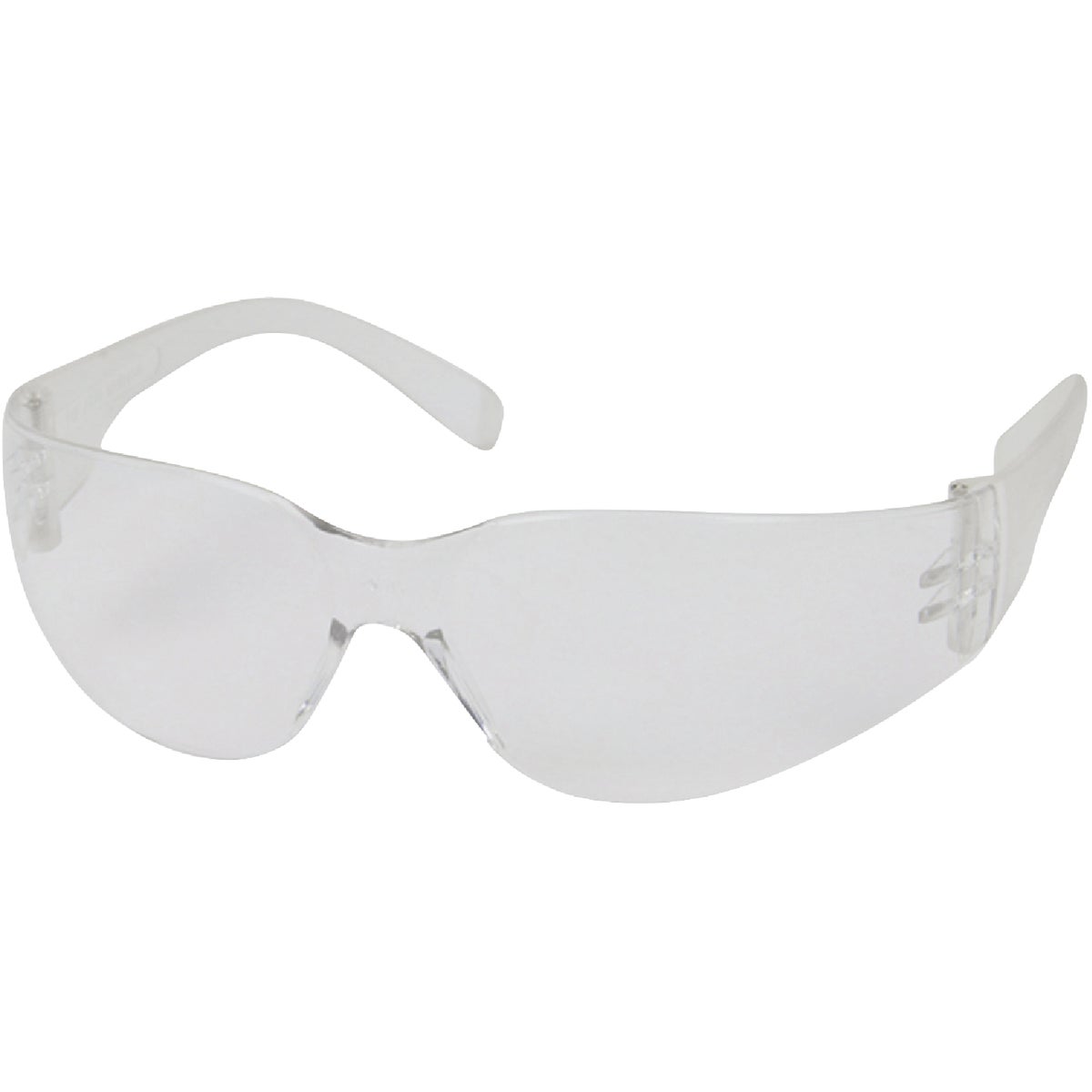
Cut hardware cloth has sharp ends everywhere, and a dry coop generates a lot of dust when you turn the bedding. Neither is a big deal with the right two or three items.
How to Predator-Proof a Chicken Coop
Nearly every backyard flock lost to a predator is lost through one of five gaps. In Southwest Florida the list is raccoons, rats and snakes, hawks, the occasional bobcat, and loose dogs — and the same five steps handle all of them.
Replace chicken wire with hardware cloth wherever something can reach
Chicken wire keeps chickens in; it does not keep predators out. A raccoon can tear hexagonal netting and reach straight through the openings. Use half-inch, 19-gauge hardware cloth on the bottom three feet of the run, on the coop itself, and on anything a predator can put a hand on. Netting is fine above that.
Lay a predator apron against diggers
Raccoons, dogs and bobcats dig at the base of a run rather than climbing it. Run hardware cloth 18 to 24 inches out from the perimeter, flat on the ground, and pin it down or bury it a few inches. They dig at the wall, hit wire, and give up — a buried vertical skirt works too but is much more digging for you.
Staple it with fence staples, not a staple gun
This is the step that quietly fails. Gun staples pull out; a raccoon has all night and both hands. Use hot-galvanized fence staples driven with a hammer every three to four inches, or screws with fender washers. Overlap seams by a few inches and fasten through both layers.
Screen every vent and gap larger than half an inch
Rats, snakes and weasels use openings you would not consider a way in. Cover vents, gable openings and the gaps under roof panels with hardware cloth — quarter-inch if rodents and snakes are the concern. Do not reduce ventilation to close gaps: in a Florida coop, airflow matters more than warmth, so screen the openings rather than blocking them.
Fit latches that need two motions
Raccoons open hook-and-eye latches and simple spring catches — this is well documented and people learn it the hard way. Use a barrel bolt with a carabiner or spring clip through the hasp, or any latch requiring two separate actions. Do every door: main door, pop door, nest box lid, and the run gate.
Backyard Chicken Questions, Answered
Chicken wire is thin hexagonal netting designed to keep chickens contained. Hardware cloth is a welded square mesh in a much heavier gauge, designed to keep things out. A raccoon can tear chicken wire open or simply reach through the openings and pull a bird through; it cannot do either with half-inch 19-gauge hardware cloth. Use hardware cloth anywhere a predator can reach — the bottom few feet of the run, the coop, every vent — and save the cheaper netting for upper walls and overhead cover.
Half-inch, 19-gauge is the standard and handles raccoons, opossums and most of what a Southwest Florida yard produces. Step down to quarter-inch where rats, mice and snakes are the concern — they get through half-inch easily, and in Florida they are a year-round problem that also brings snakes in after them. Eighth-inch is for fine vent screening. Do not go above half-inch anywhere a predator can reach.
Three things, all of which have to be right. Hardware cloth instead of chicken wire on every reachable opening. Fence staples driven with a hammer, or screws with washers, rather than a staple gun — raccoons peel gun staples out overnight. And latches that need two separate motions to open, because raccoons genuinely solve hook-and-eye and simple spring latches. A barrel bolt with a carabiner clipped through it costs a few dollars and settles the question.
You need a barrier, but an apron is easier than a trench and works as well. Run hardware cloth 18 to 24 inches straight out from the base of the run, lay it flat on the ground, and pin it with landscape staples or cover it with soil and sod. Diggers start at the wall, hit wire a few inches down, and quit. Burying a vertical skirt 12 inches deep also works and is considerably more digging — in Cape Coral sand the apron is the sensible option.
Shade, airflow and far more water than most new keepers expect. Heat kills more Southwest Florida backyard birds than cold ever will, so insulation is close to irrelevant here and ventilation is critical — screen your openings with hardware cloth rather than closing them. Size the waterer for a hot August rather than a mild January; a seven-gallon fountain is a reasonable small-flock minimum, and shade over at least part of the run is not optional.
Hot-galvanized fence staples driven with a hammer, every three to four inches, or screws with fender washers where you want it removable. Not a staple gun — that is the single most common reason a coop that looks predator-proof is not. Galvanized also matters in this climate: plated or bright fasteners in Florida humidity will be rust stains within a season and failed within a few.
The usual guidance is at least 8 to 10 square feet of run per bird, plus 2 to 4 square feet of coop floor per bird, and more of both is always better — crowded birds pick at each other. In Florida, count only shaded square footage as usable for most of the day. T-posts and welded wire are the cheap way to enclose a larger area than you think you need, which you will want within the first year.
No — no live birds, no feed, and no pre-built coops. What we stock is the build and predator-proofing side: hardware cloth in every mesh size, poultry netting, welded wire, T-posts, galvanized fence staples, fencing pliers, gate latches and barrel bolts, waterers and feed storage. If you are building or upgrading a coop, that is the whole materials list.
Family Hardware carries the list on this page at both stores, though on the larger wire rolls it is worth calling ahead. Cape Coral: 622 SE 47th Terrace — (239) 542-6365. Fort Myers: 13101 McGregor Blvd — (239) 933-1744. Open Mon–Sat 7 AM–6 PM and Sun 8 AM–3 PM. Order online for free in-store pickup, usually ready within 2 hours.
Related Guides
These overlap with this list more than you would expect — often the same shopper, and frequently the same aisle.
Pick It Up Today in Cape Coral or Fort Myers
Order online for free in-store pickup — usually ready within 2 hours — or just come in. Prices shown are our everyday shelf prices at both stores; stock on any single item is on its product page.
622 SE 47th Terrace, Cape Coral, FL 33904
Mon–Sat 7 AM–6 PM | Sun 8 AM–3 PM
Departments, services and directions for our Cape Coral store →
13101 McGregor Blvd, Fort Myers, FL 33919
Mon–Sat 7 AM–6 PM | Sun 8 AM–3 PM
Departments, services and directions for our Fort Myers store →
Free shipping on orders over $99 • Free in-store pickup • Online customer service: 877-755-2005
About Family Hardware
Store Locations
About Us
Hurricane Prep Guide
Hobby Supply Guides
Employment
Customer Service
Contact Us
Returns
Shipping & Tracking
Gift Card Balance
Rewards
Promotions
Credit Application
Tax Exempt Purchases
Terms of Service
Privacy Policy
Locations
Cape Coral
Fort Myers
All Store Locations
Grills
Grill Store — All Grills
Alfa Pizza Ovens
Big Green Egg
Napoleon
Challenger Designs
Delta Heat
Tagwood BBQ
Twin Eagles
Replacement Parts
Warranty
Services
All Services
Saw Blade Sharpening
Saw Blade Shop
Key Cutting
Screen Repair
Propane Exchange
Lamp Repair
Key Fob Batteries
Freud
Lamello P-System
Popular Tools Saw Blades
Diablo
Tenryu
© 2026 Family Hardware. Family Hardware and the Family Hardware logo are registered trademarks of Family Hardware Corporation. All rights reserved.