
Bicycle Repair Parts & Supplies
Tubes, tires, patch kits, chains, cables, pumps, lights and locks. Flat tires do not wait for a bike shop appointment, and Cape Coral is flat, hot and full of goat-head thorns — most of what goes wrong here is a tube or a chain.
Short answer
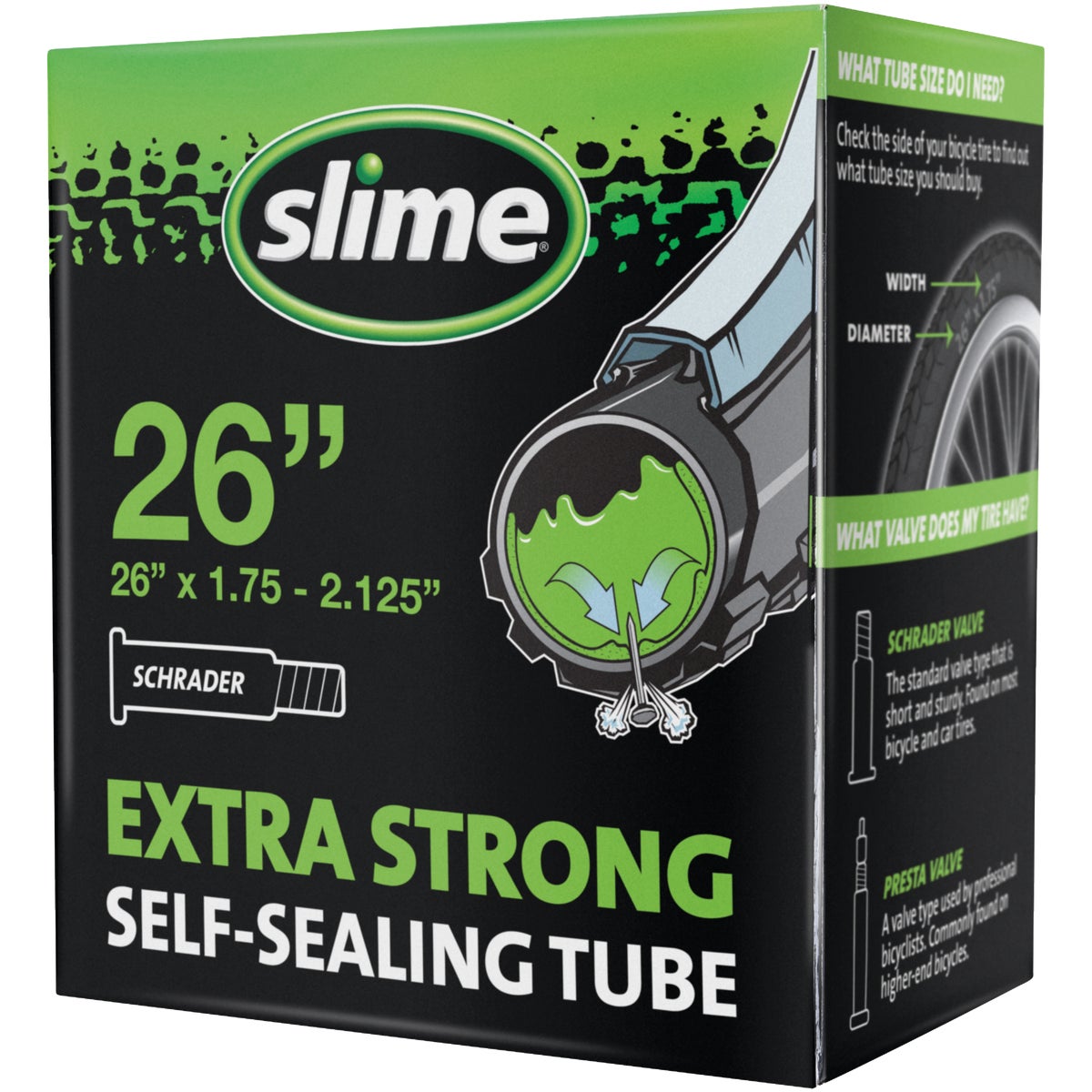
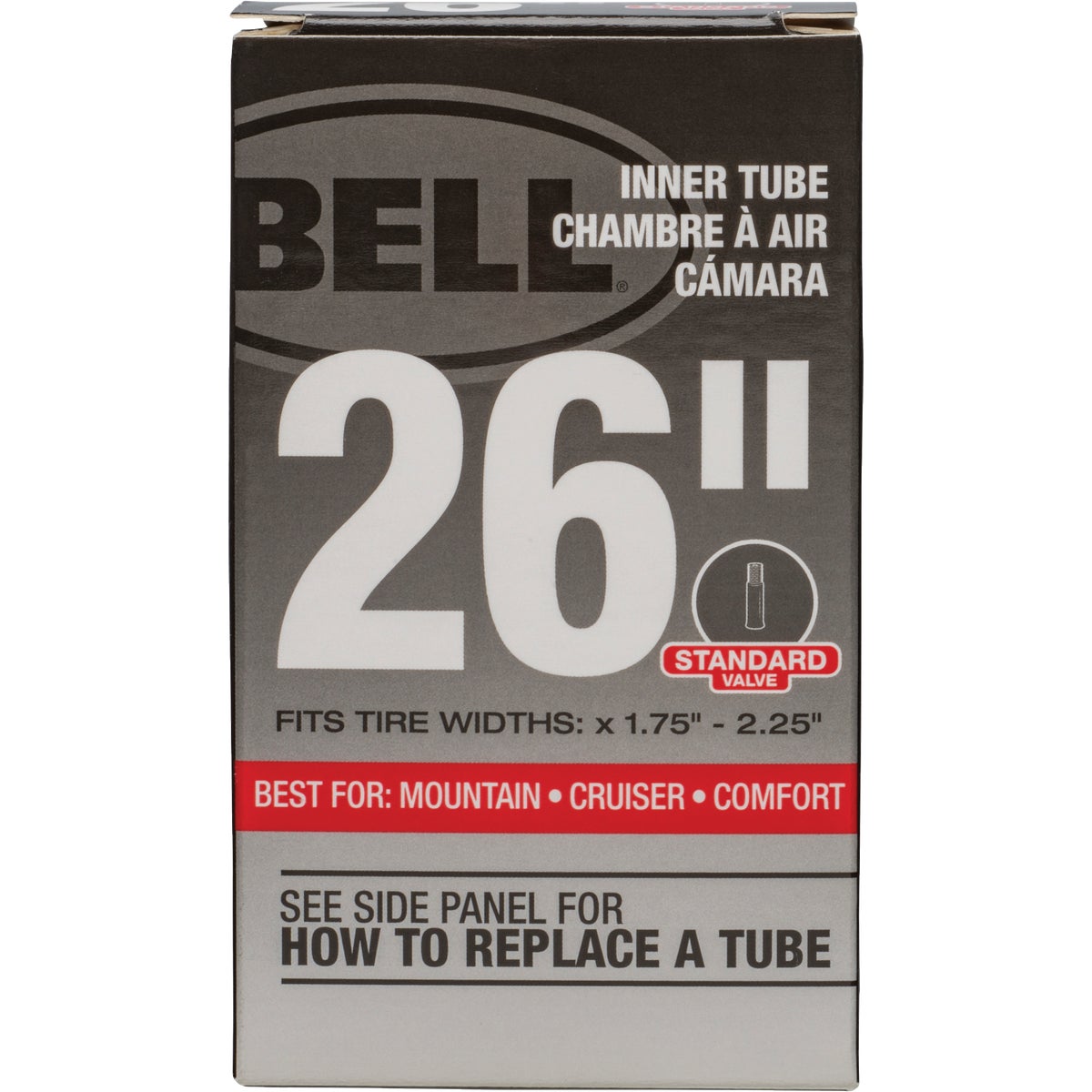
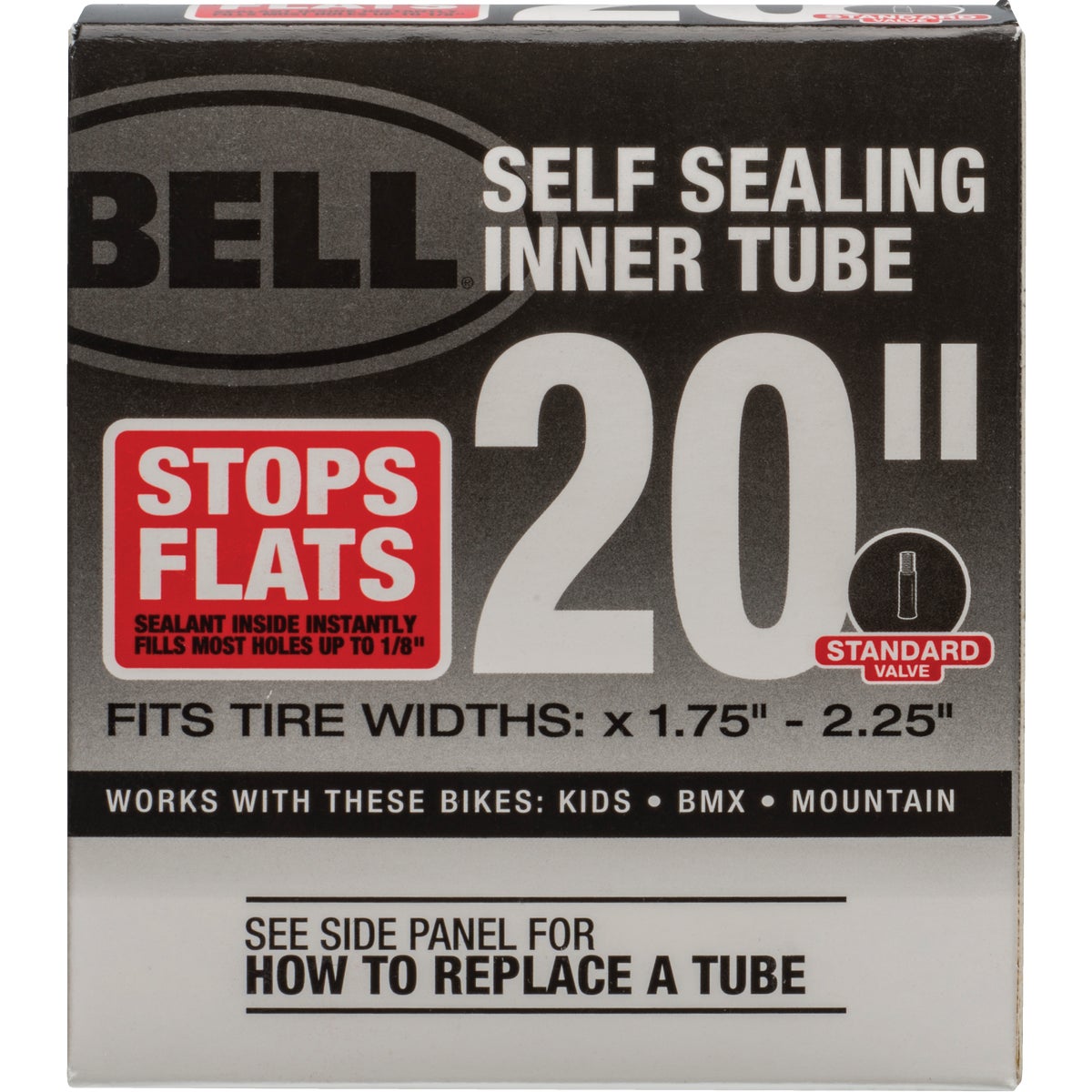
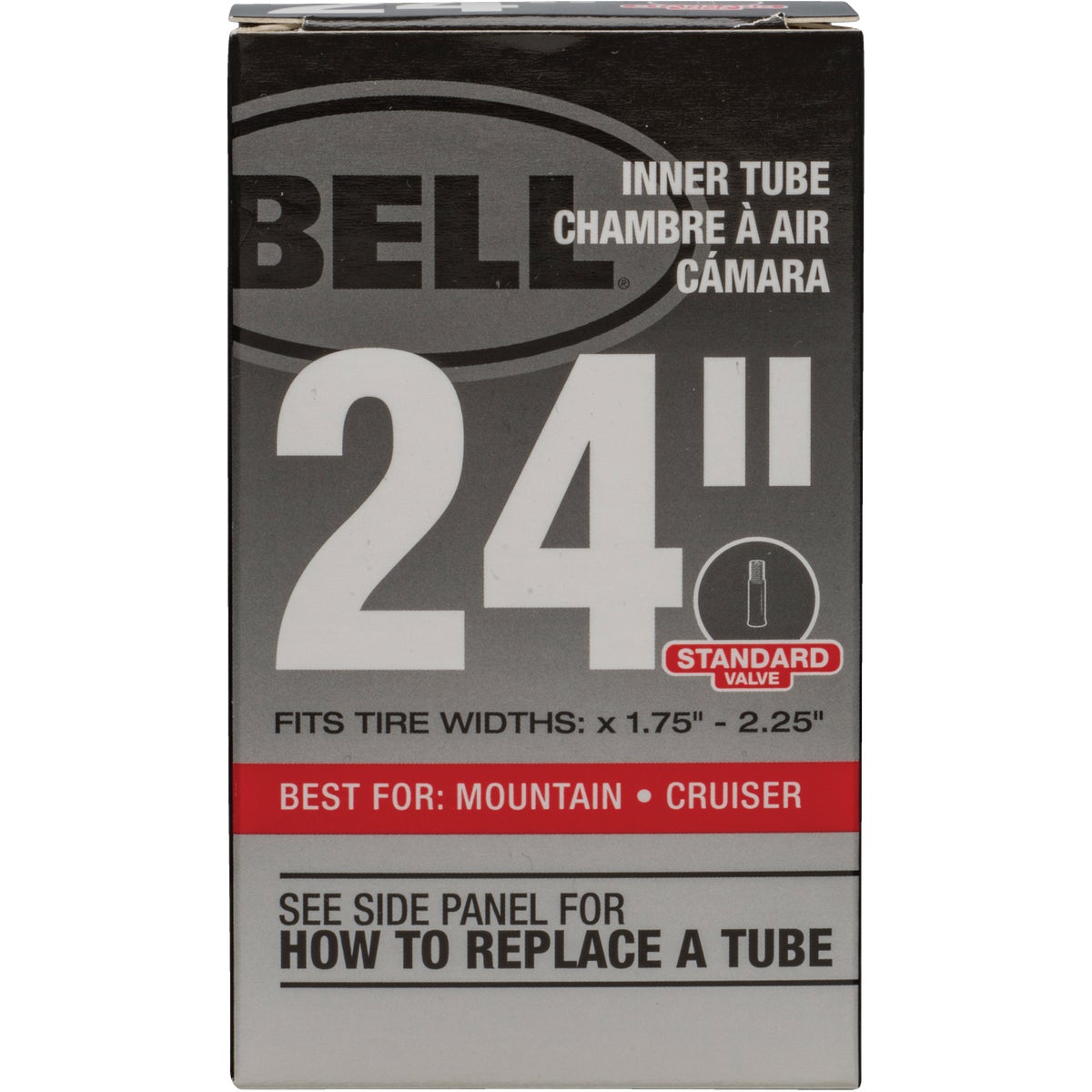
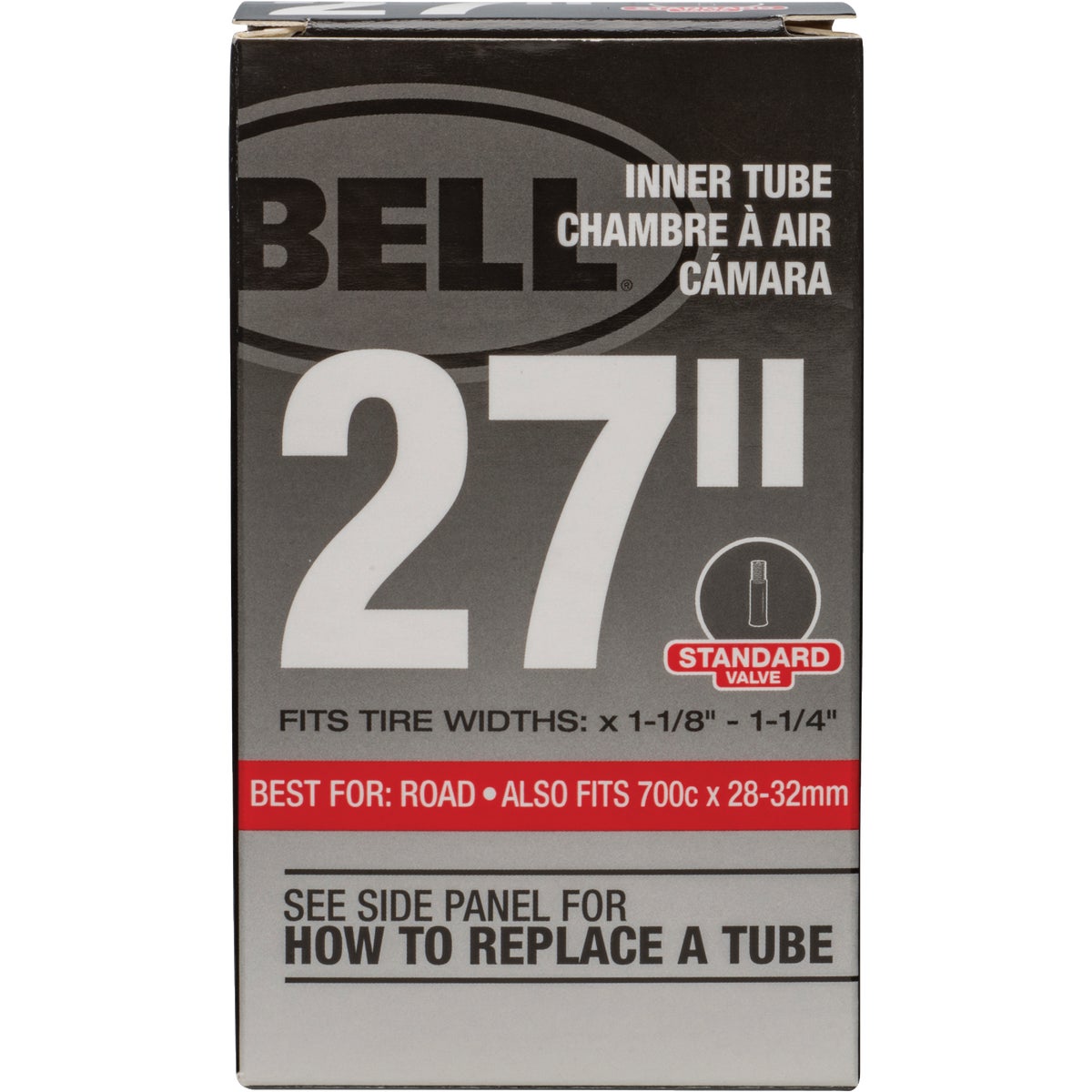
Nearly every bike problem is one of three things. A flat, which in Southwest Florida is usually a thorn rather than a pinch — check the inside of the tire with your fingers before fitting a new tube, because if the thorn is still in the casing the new tube goes flat too. A dry or stretched chain, which is what causes skipping under load and slow shifting, and which is a wear part rather than a repair. Or cables, which stretch and corrode and make brakes feel vague. Tube sizing is the thing people get wrong: read the sidewall of your existing tire, not the wheel, and match both the diameter and the width range. Self-sealing tubes cost a few dollars more and are worth it here specifically because of the thorns.
The Home Bike Kit
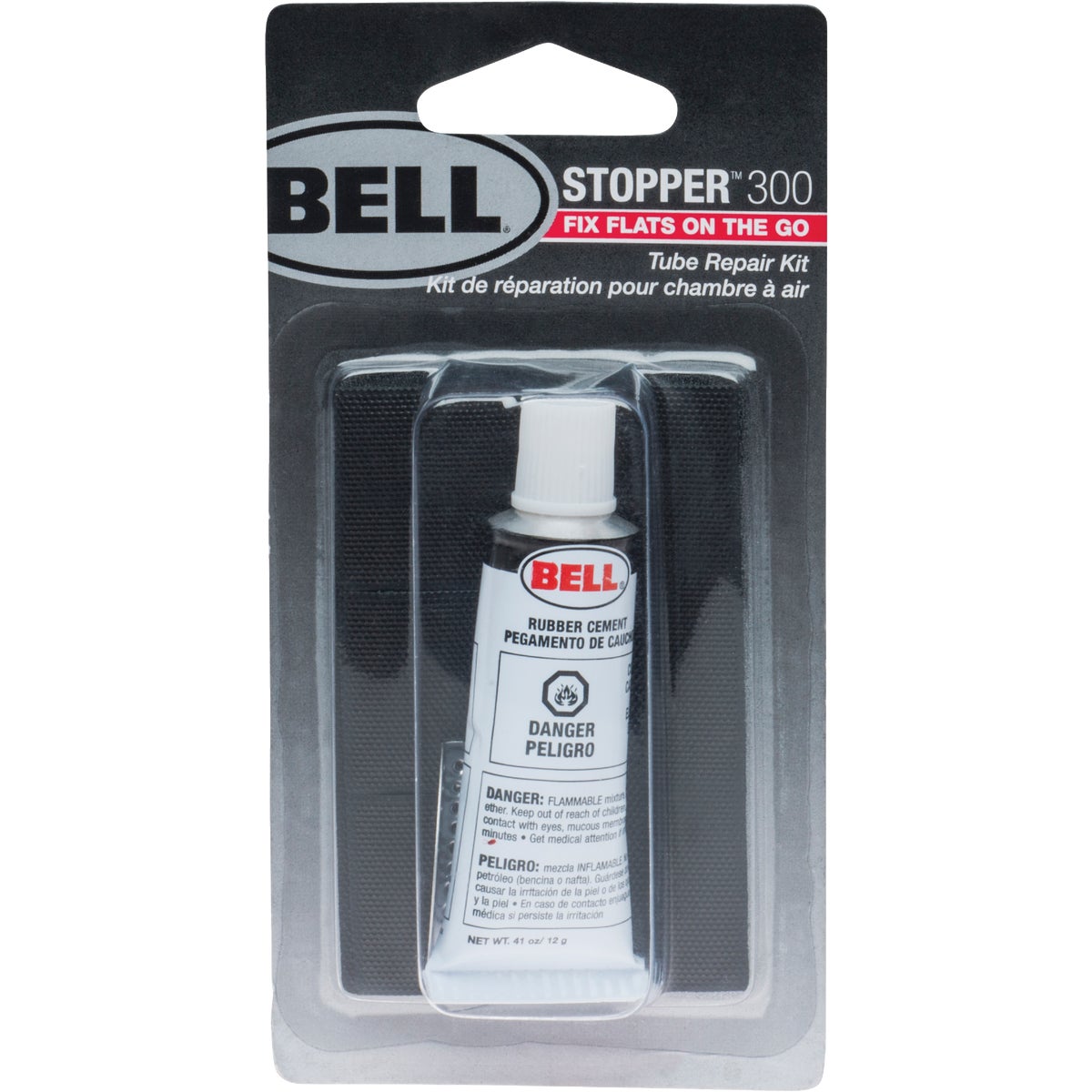
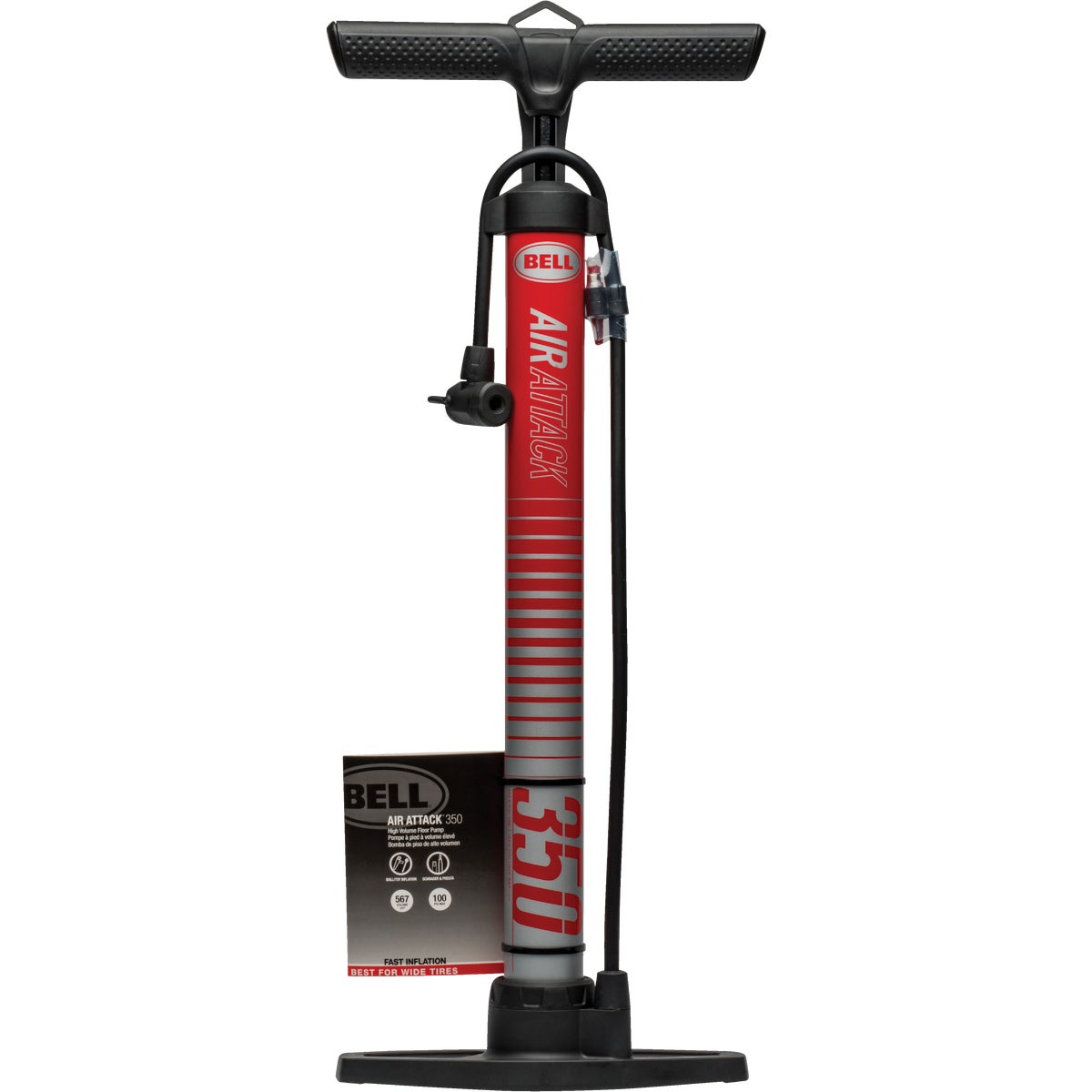
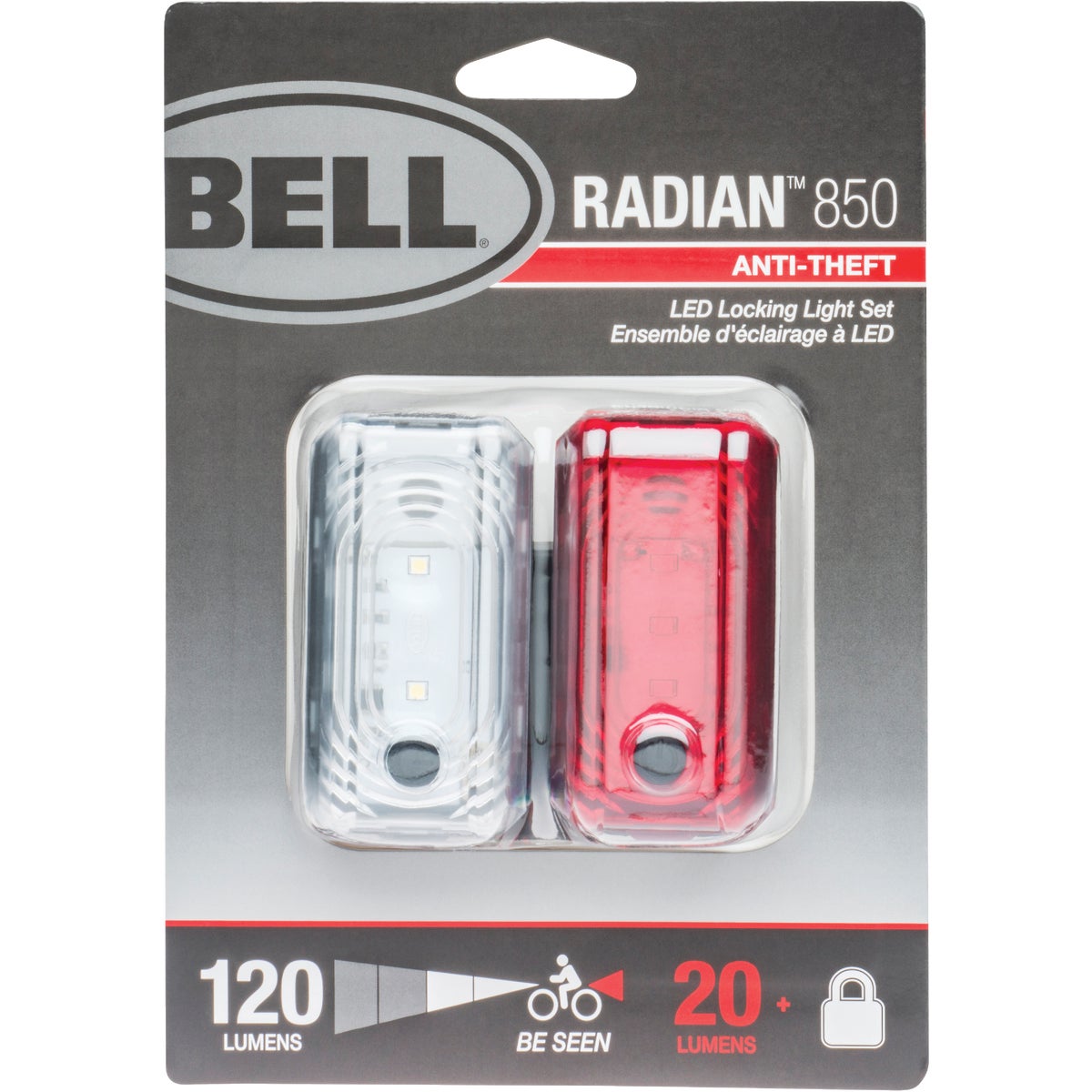
What handles the overwhelming majority of driveway repairs: a way to fix a flat, a way to inflate it properly, and a light so you are visible. These 5 items run about $75.35 all in.
Flats: Patches, Tubes & Sealant
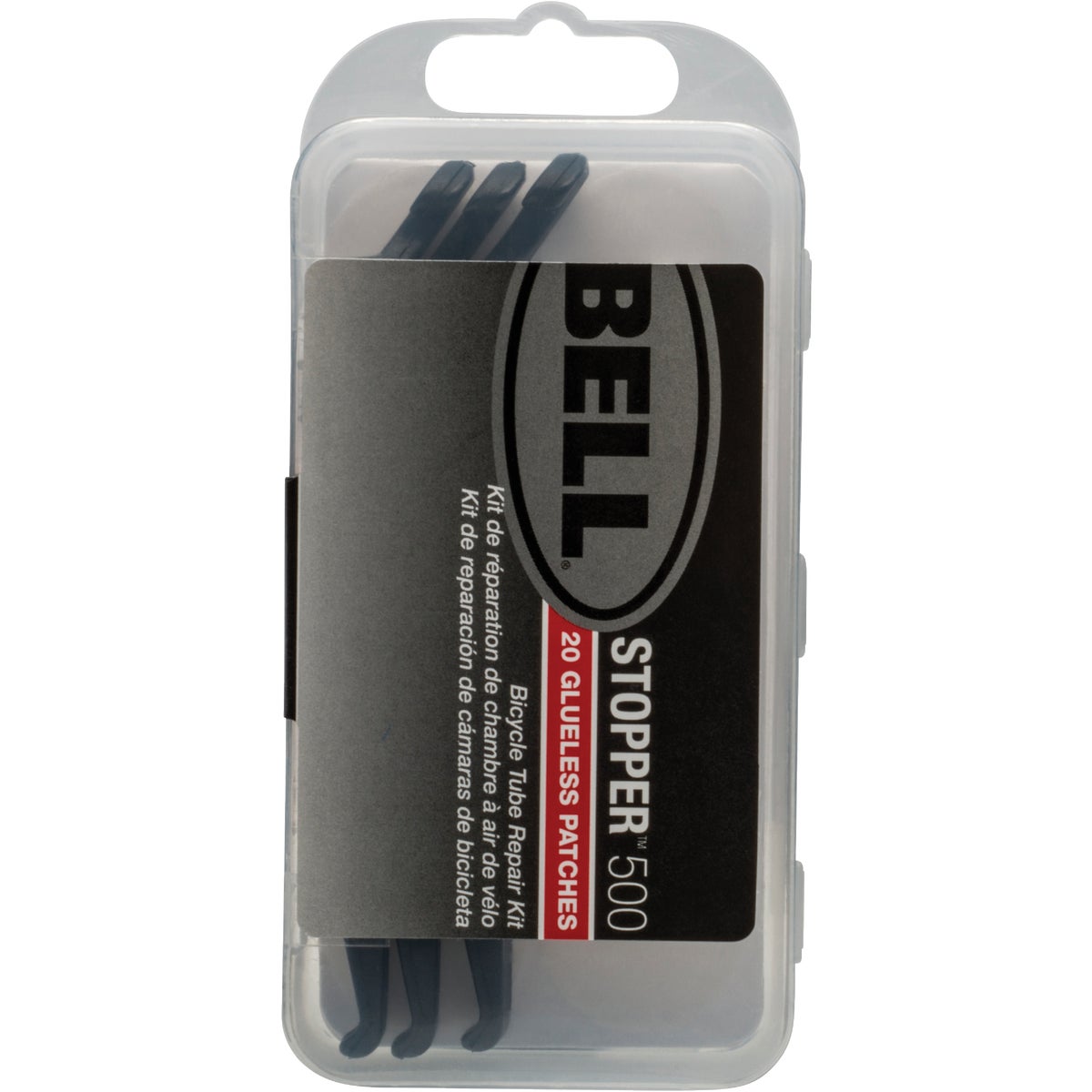
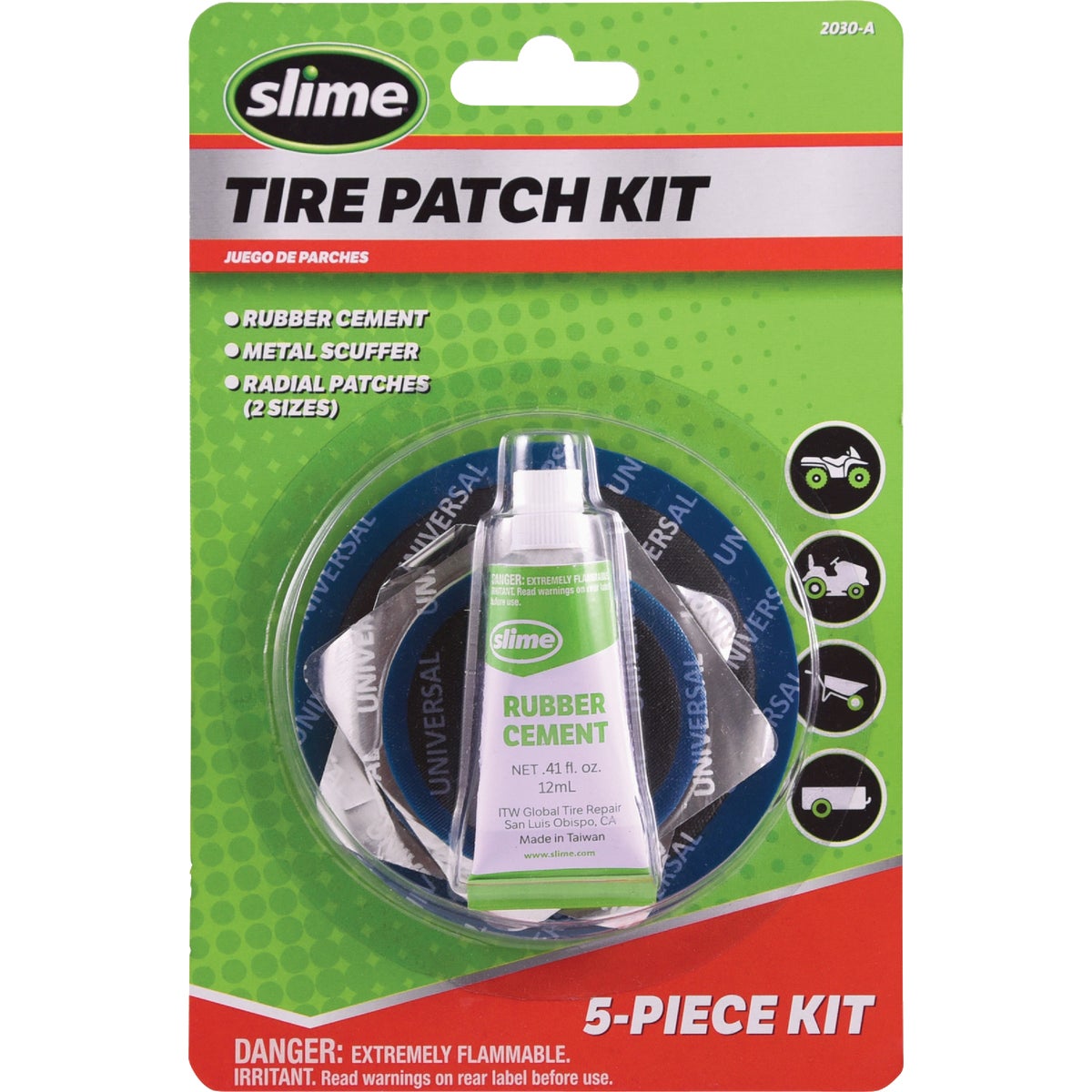
The most common repair by a wide margin, and the one to be able to do yourself. Patching a tube takes ten minutes and costs a dollar; a new tube takes five and costs eight. Carry a patch kit on the bike and keep spare tubes at home. In Southwest Florida the usual culprit is a thorn, so always find and remove the cause before fitting anything new.
Tires
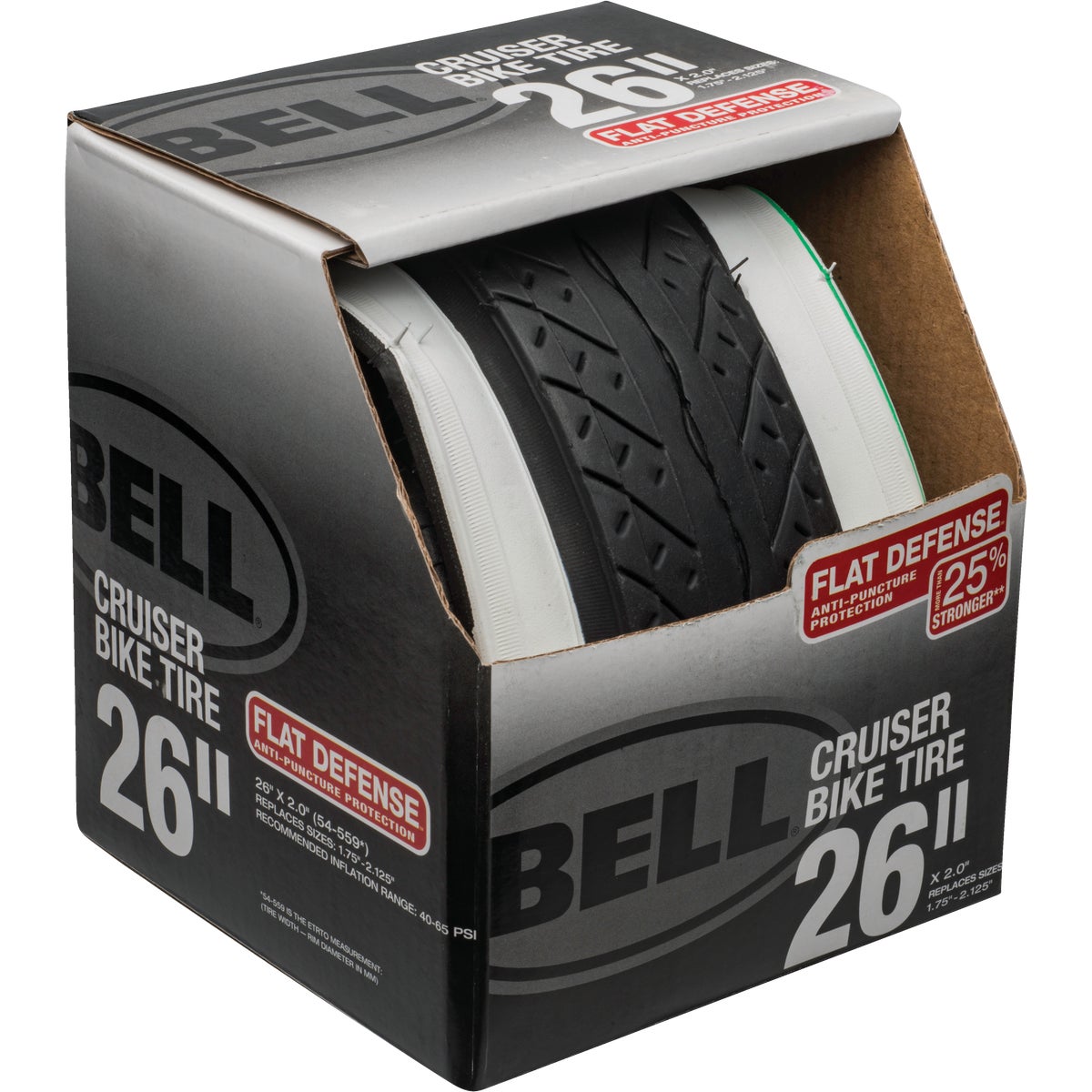
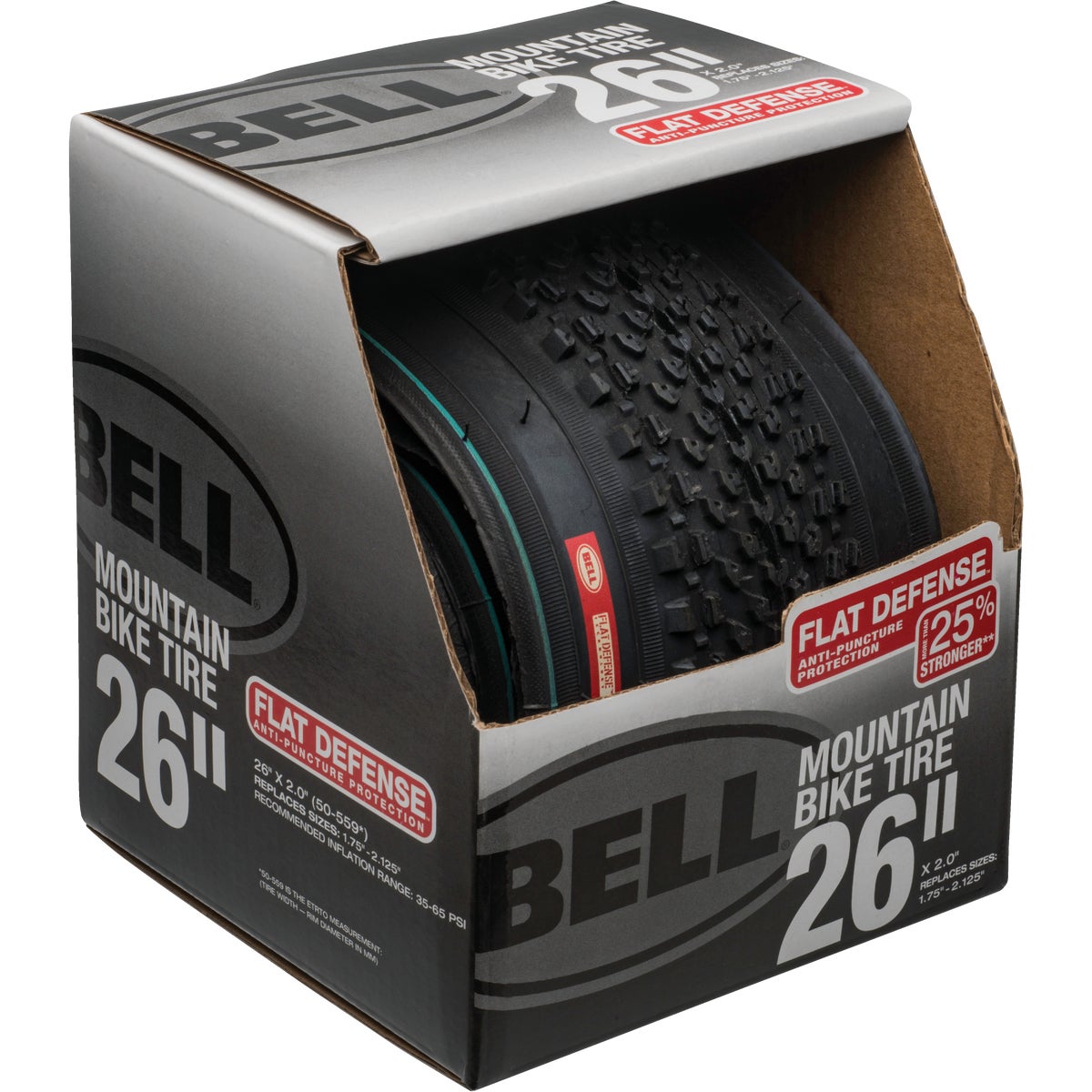
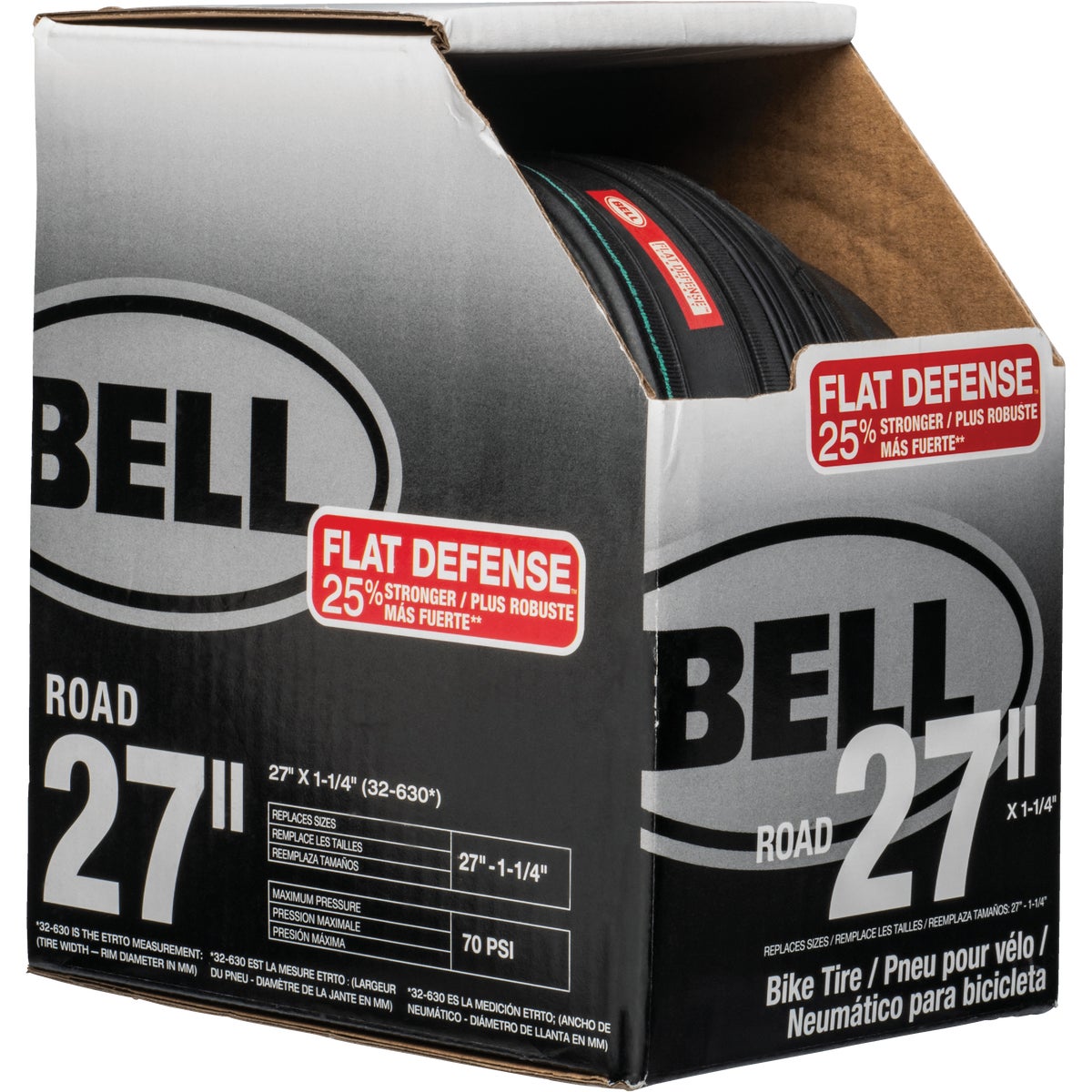
Tires are the other half of a flat problem. A worn tire with the casing showing will keep puncturing no matter how many tubes you fit, and flat-protection belts genuinely reduce thorn punctures. Match the size printed on the sidewall of what you have — 26 x 1.95, 27 x 1-1/4 and so on — not the wheel diameter alone.
Pumps & Inflation
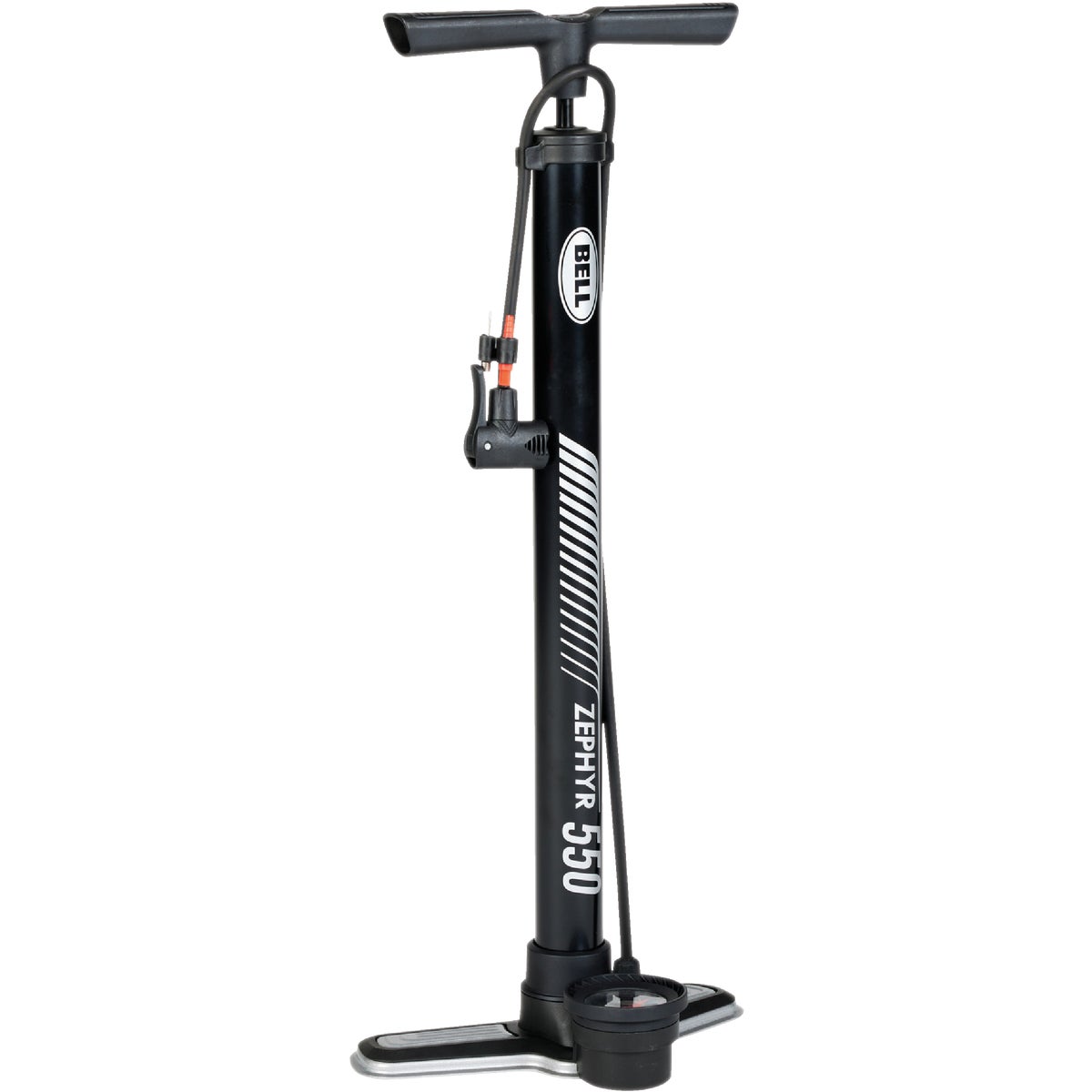
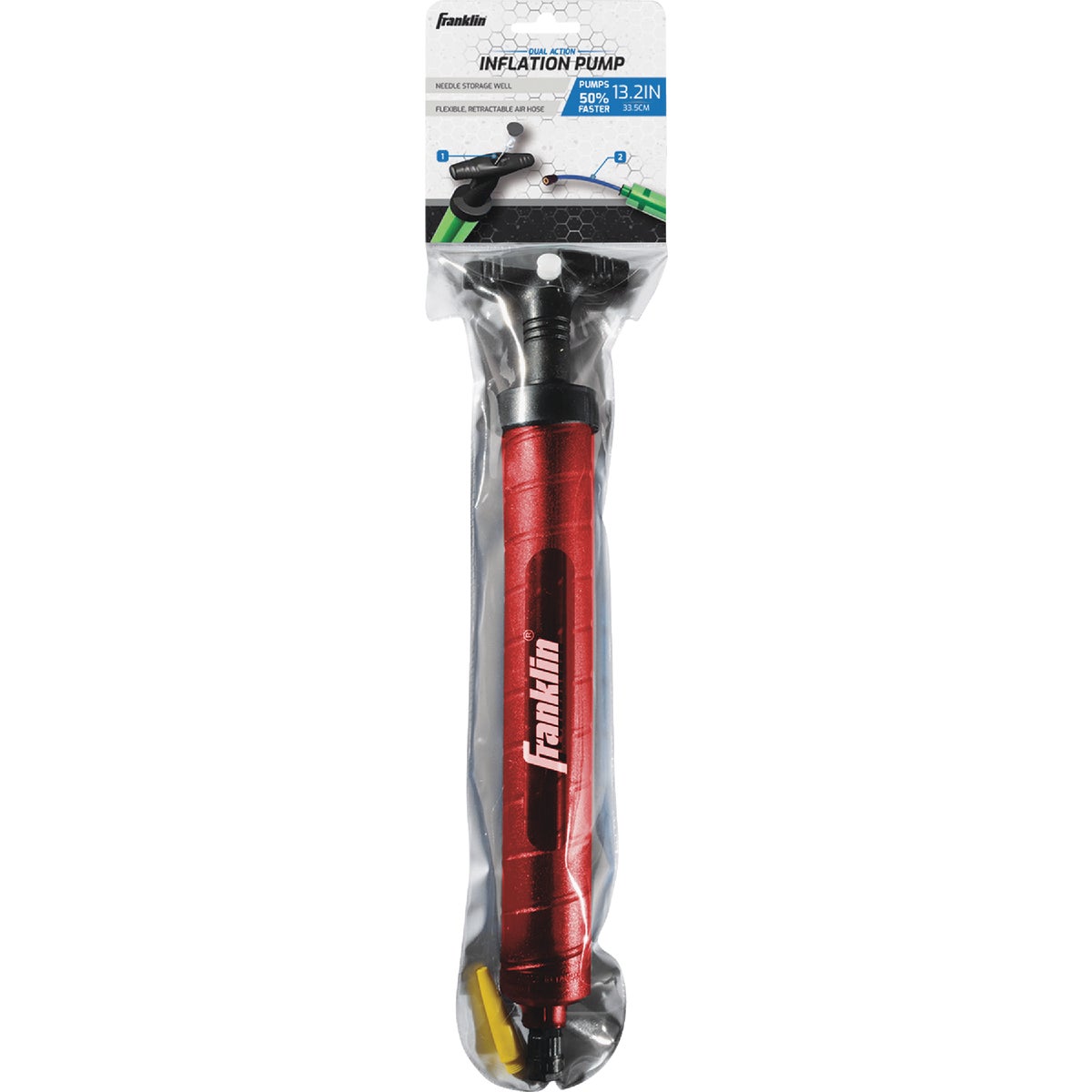
Underinflation causes more flats than anything else, because a soft tire lets the rim pinch the tube against a curb. A floor pump with a gauge is the single best purchase on this page: it takes thirty seconds a week and prevents most pinch flats outright. Check pressure weekly — Florida heat swings it more than you would expect.
Chains, Cables & Drivetrain
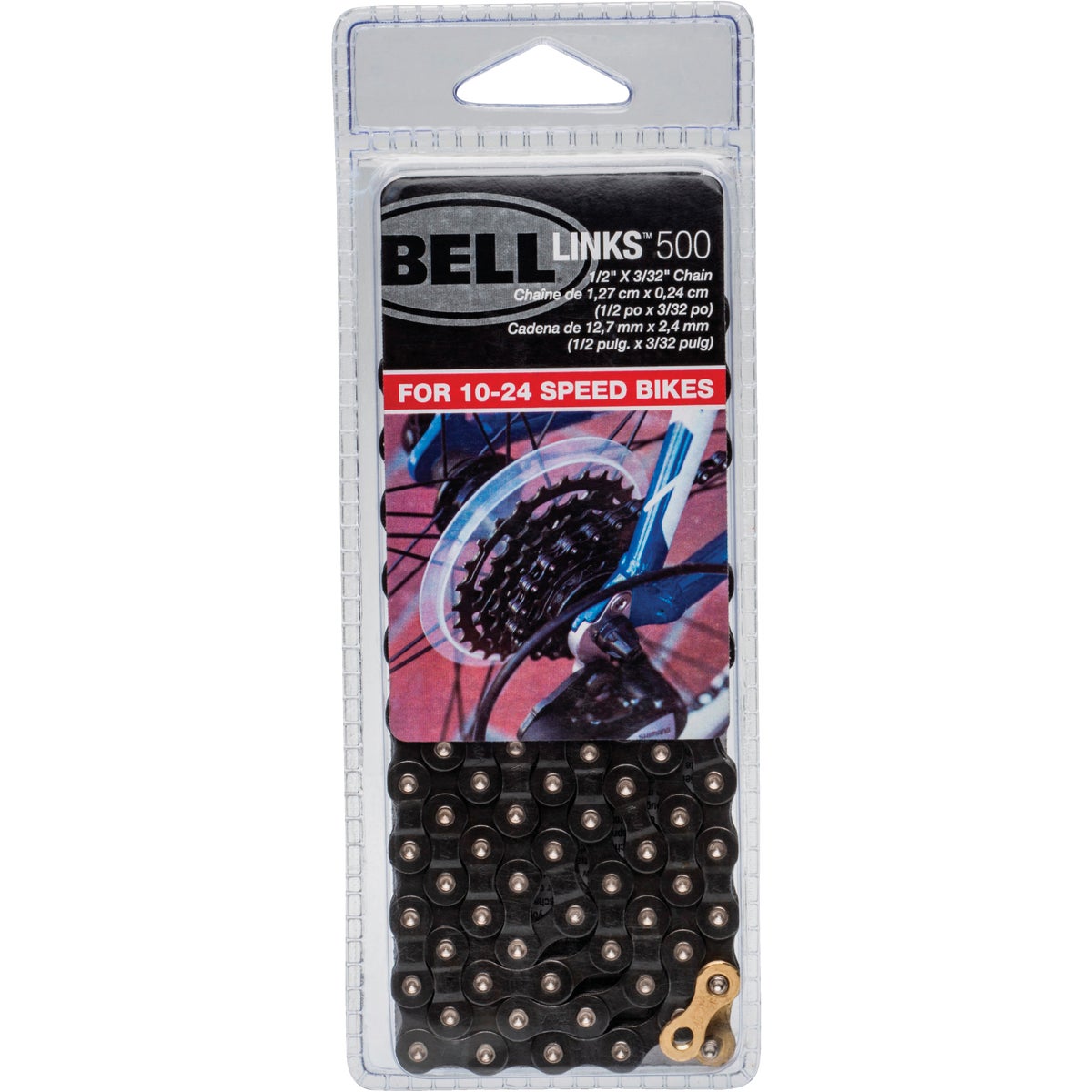
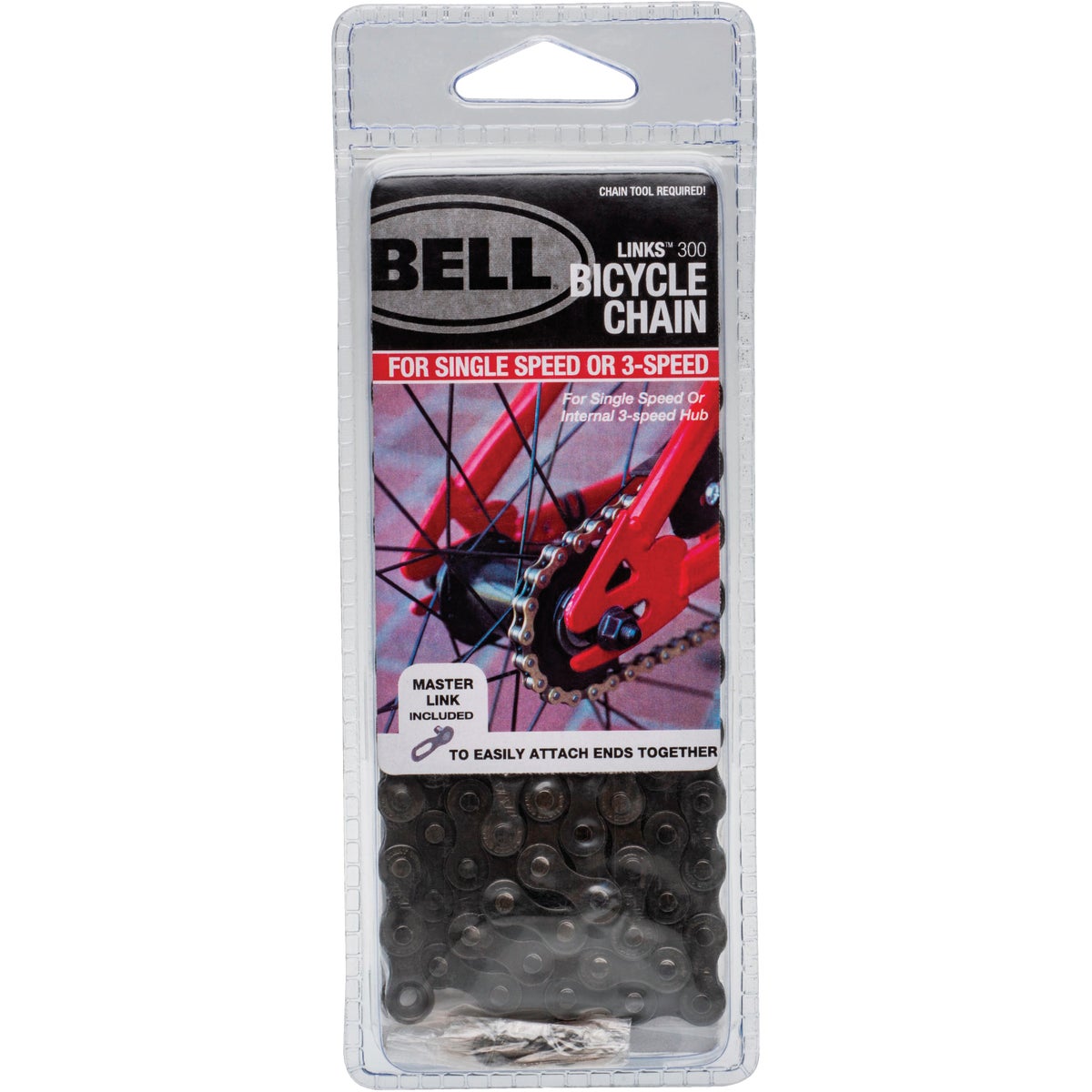
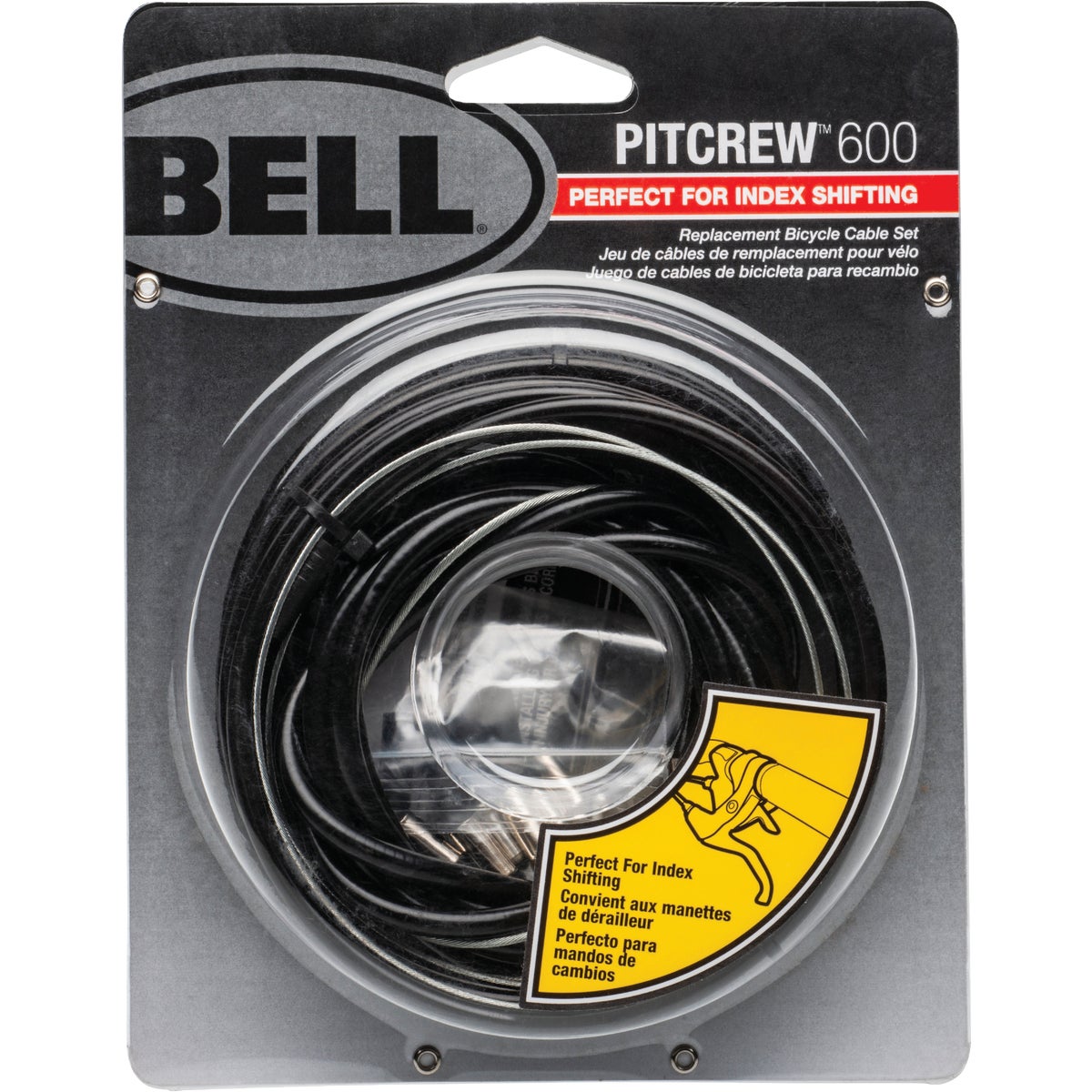
A chain is a wear item, not a permanent part. Skipping under load, slow or vague shifting, and a grinding noise on the climb are all chain and cable symptoms. Replacing a stretched chain before it wears the cassette is far cheaper than replacing both — and cables in our salt air corrode inside the housing where you cannot see it.
Tools & Comfort
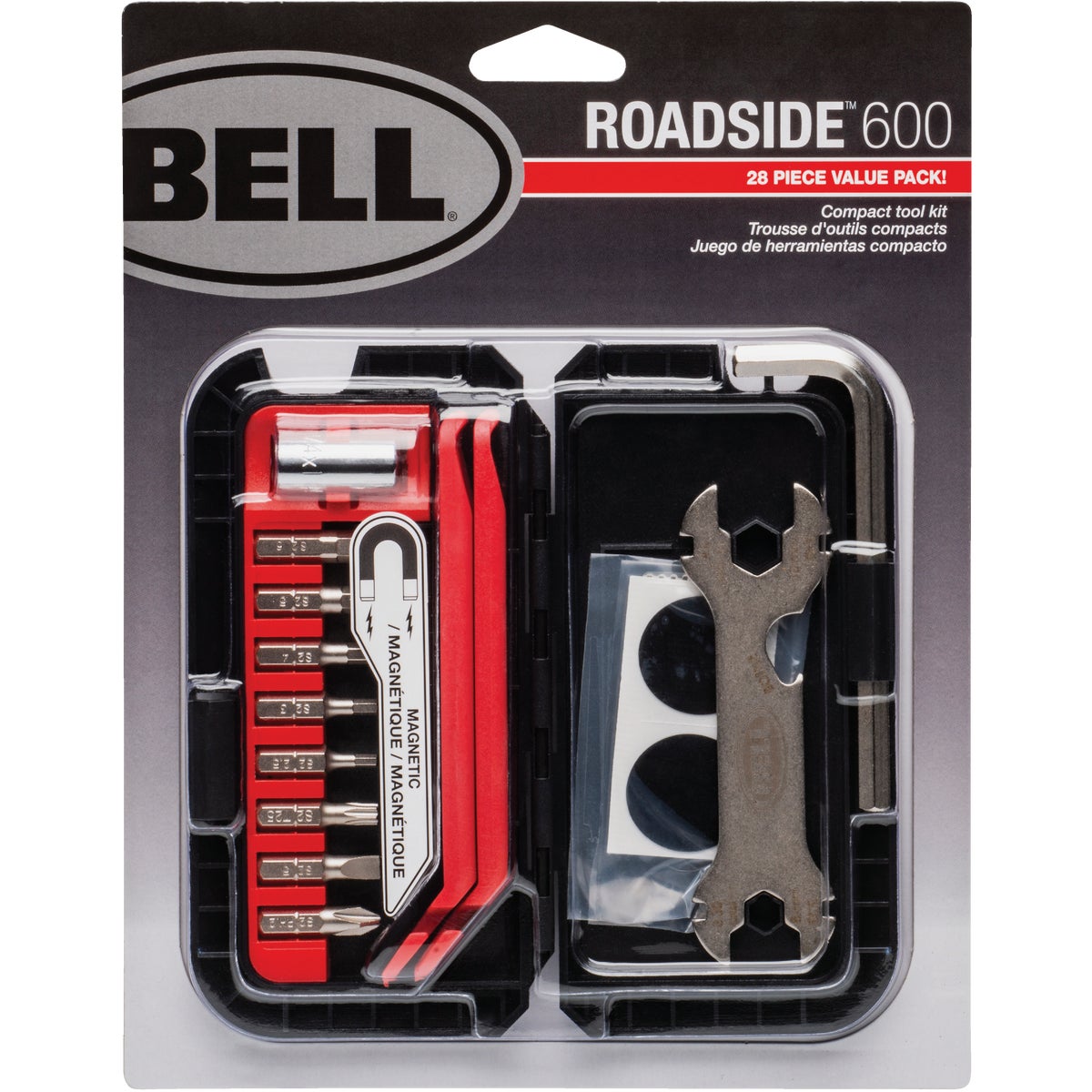
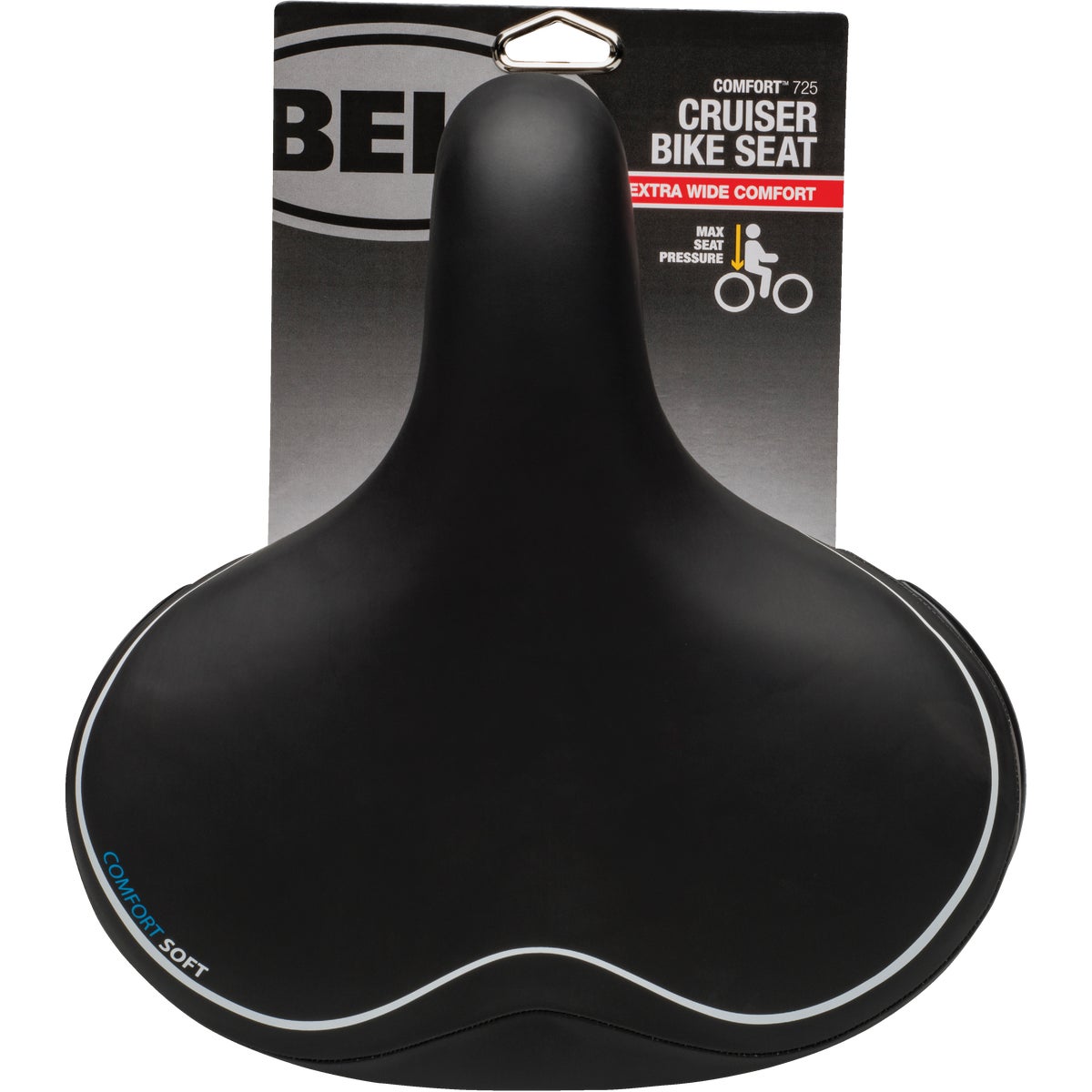
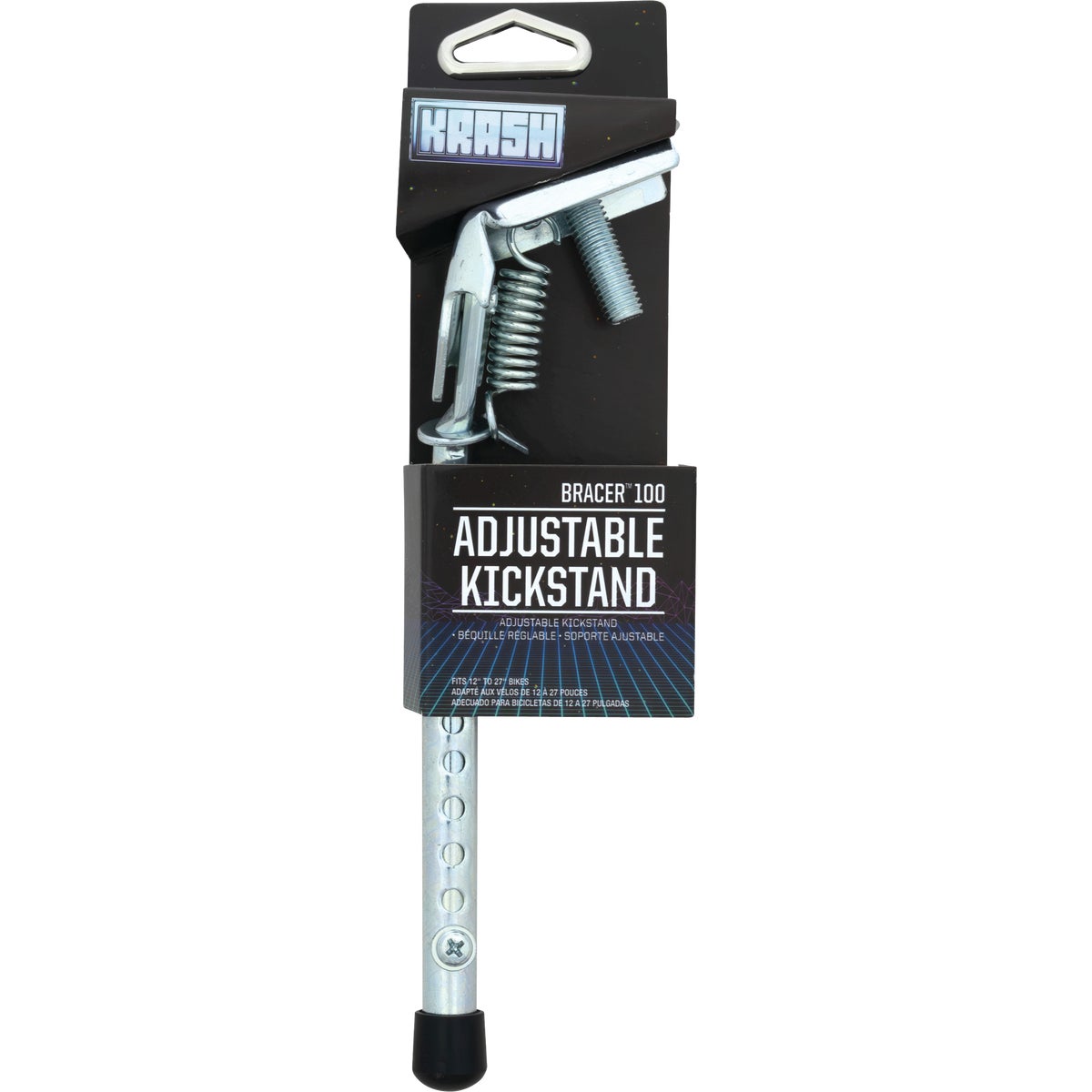
A small multi-tool covers roadside adjustments, and saddle comfort is worth more than most upgrades — most people who stop riding stop because of the seat, not the bike.

Lights, Mirrors & Helmets
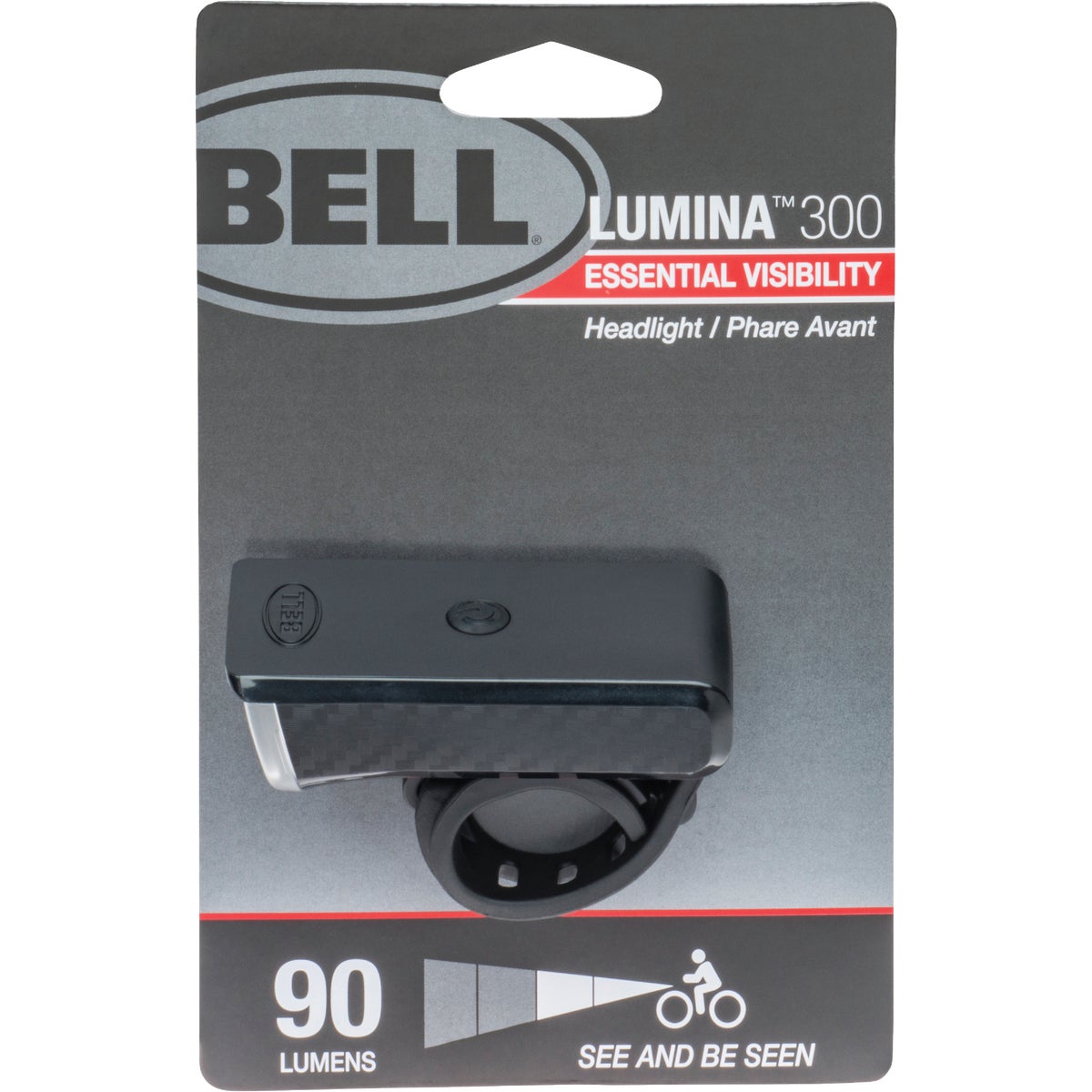
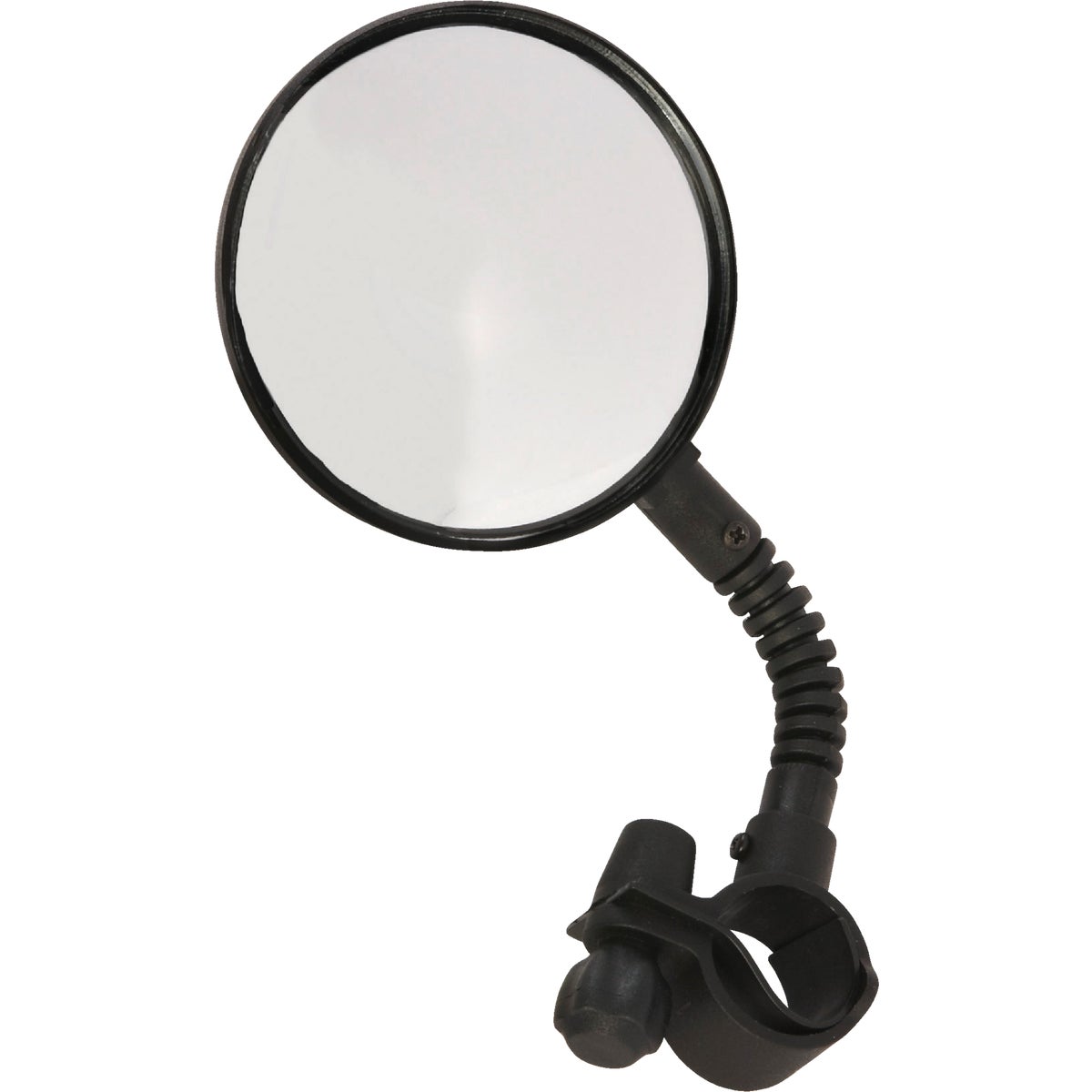
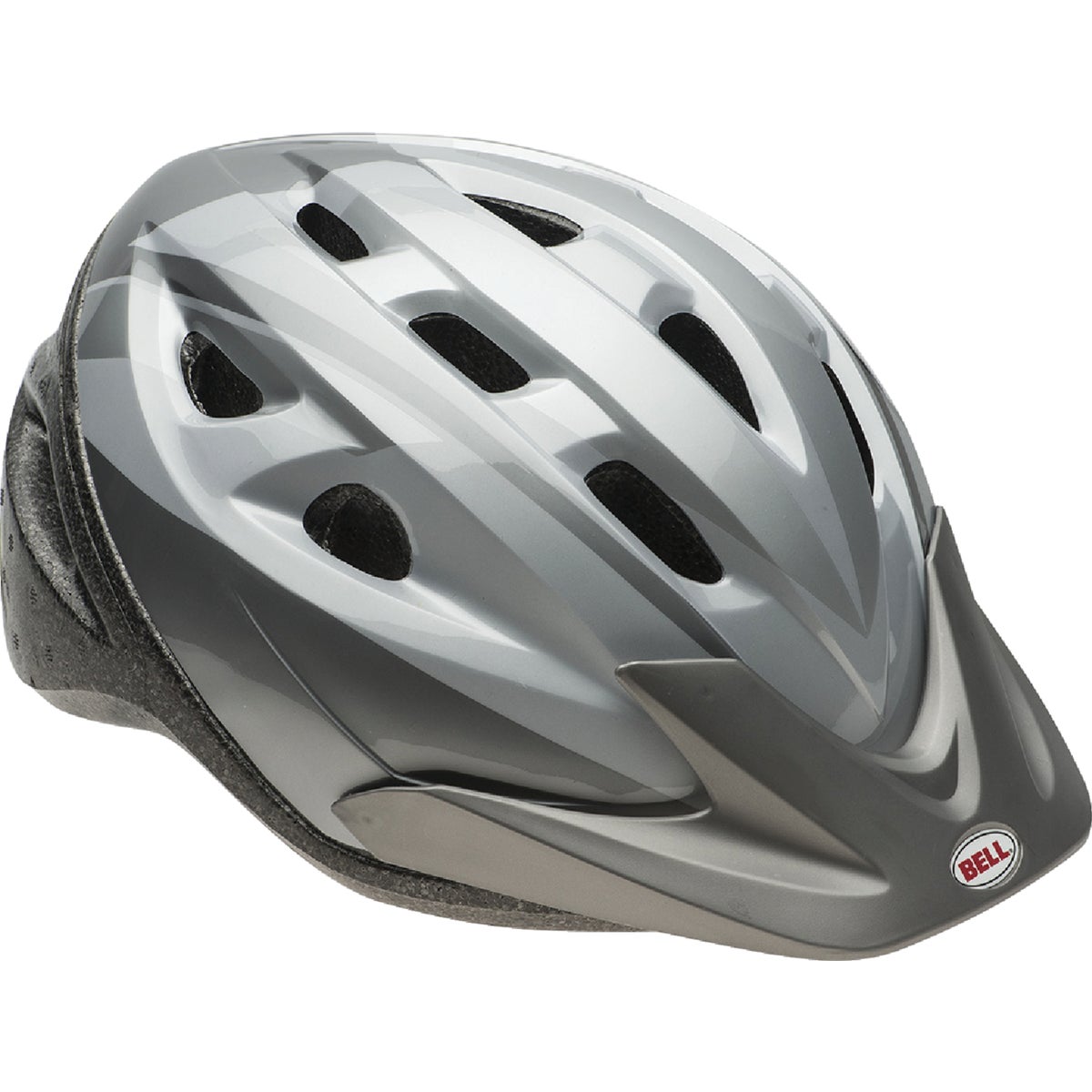
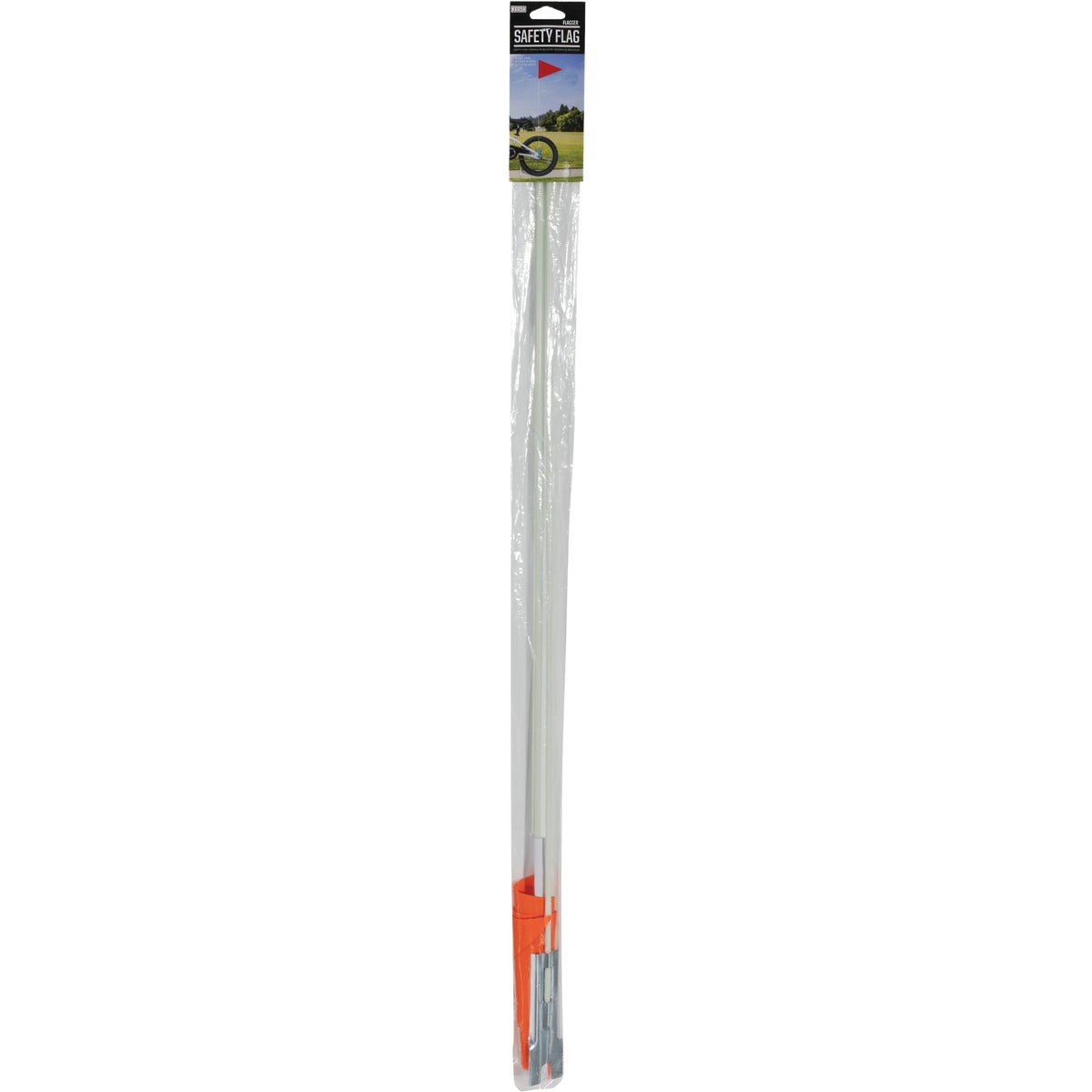
Florida is consistently among the most dangerous states in the country for cyclists, and Lee County is not an exception. Lights are required by law after dark here — a white front and a red rear — and being seen matters more than being able to see. Run lights in daylight too; drivers pick up a blinking light long before they register a bicycle.
Locks & Storage
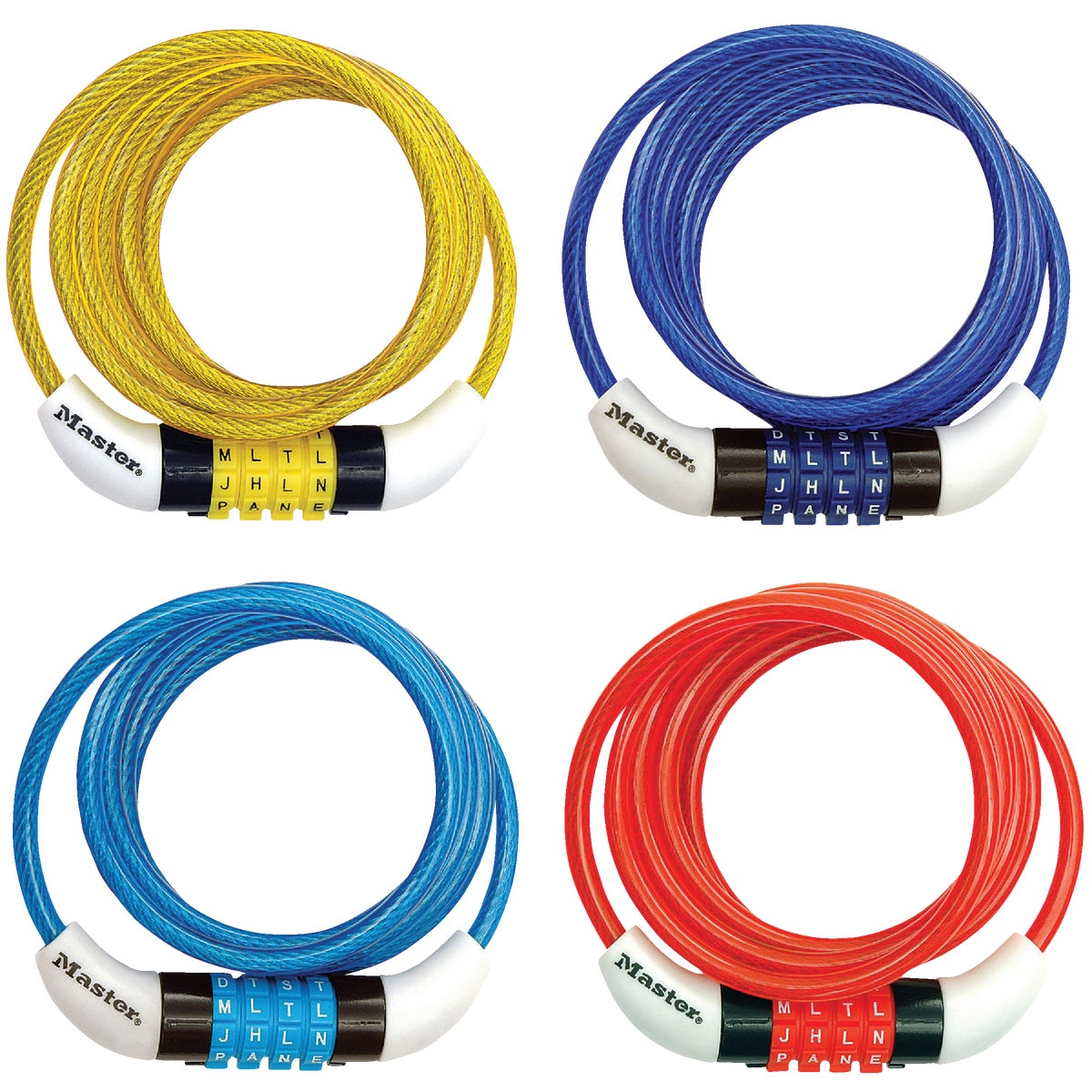
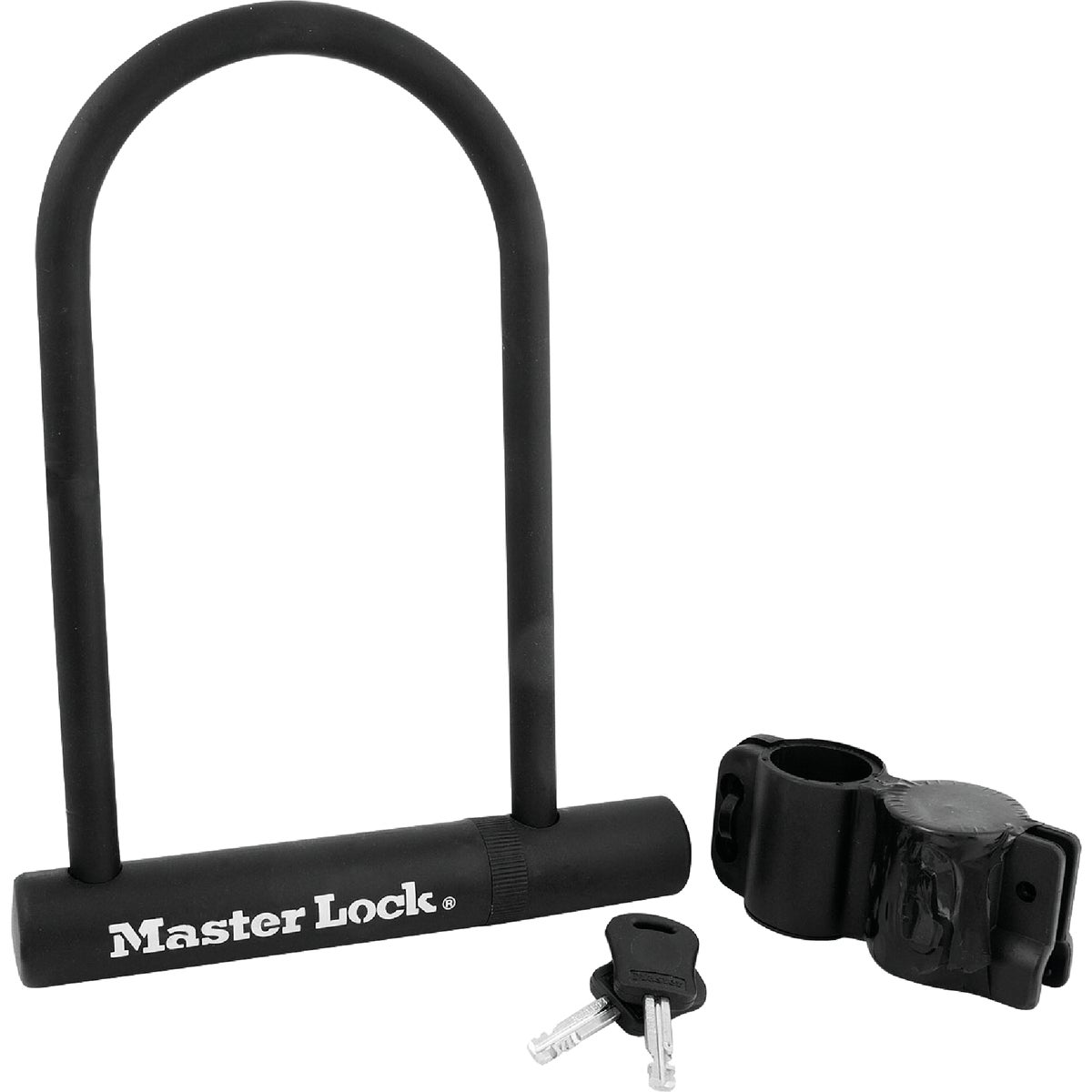
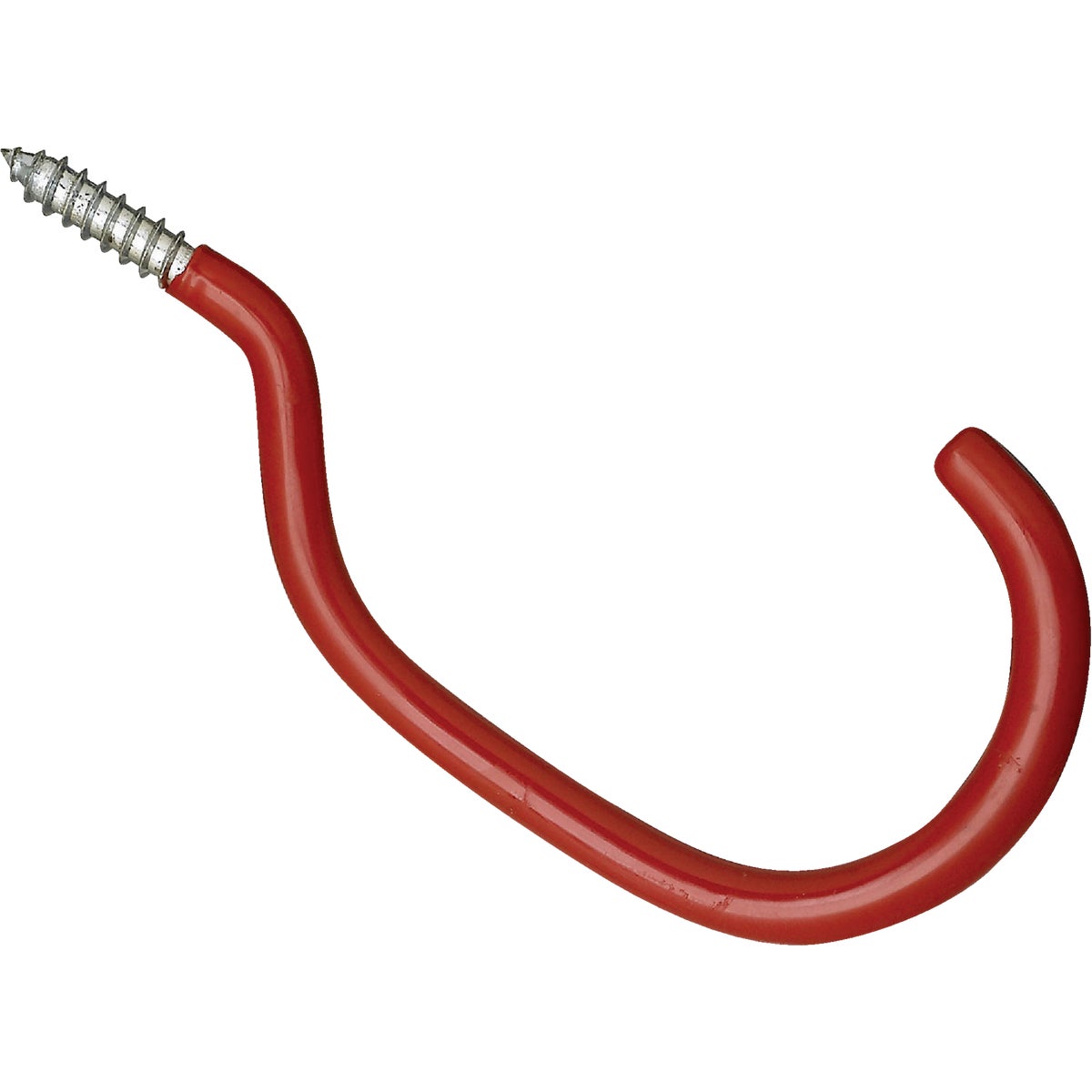
A lock is a deterrent, not a guarantee — its job is to make your bike a worse target than the next one. Store bikes inside where you can: salt air, humidity and afternoon rain rust a chain and seize cables faster here than almost anywhere.
How to Fix a Bike Flat Tire
A flat is a fifteen-minute driveway job. The one step people skip is step three, and skipping it is why a brand-new tube goes flat on the first ride.
Get the wheel and tube off
Release the brake, remove the wheel, and let out any remaining air. Work tire levers between the tire bead and the rim and lever one side off all the way round, then pull the tube out. Note which way round the tube sat — that is what lets you translate the puncture location to a spot on the tire.
Find the puncture
Inflate the tube and listen, or pass it close to your cheek to feel the escaping air. For a slow leak, submerge it and watch for bubbles. Mark the hole. Two holes side by side — a snake bite — means a pinch flat from underinflation or a hard curb hit, not a thorn, and the fix is more air pressure rather than a better tire.
Find what caused it — do not skip this
Line the tube up with the tire as it sat, and run a finger carefully around the inside of the casing at the matching spot. In Southwest Florida it is usually a goat-head thorn or a shell fragment, still embedded and still sharp. If you fit a new tube without removing it, you will be doing this again within a mile. Check the rim tape too — a shifted tape lets spoke ends puncture from the inside.
Patch it or replace it
To patch: rough the area with the sandpaper in the kit, apply a thin layer of cement, let it go tacky rather than staying wet, then press the patch firmly for a minute. Let it set before inflating. Or fit a new tube — put a little air in first so it holds its shape and does not twist or get pinched under the bead.
Seat the bead, inflate properly, and check pressure weekly
Work the tire back on by hand where you can and check all the way round that the tube is not pinched under the bead — that is the other way a new tube fails immediately. Inflate to the pressure printed on the tire sidewall, not by feel. Weekly pressure checks with a floor pump prevent most future pinch flats outright.
Bike Repair Questions, Answered
Read the sidewall of the tire already on the bike, not the wheel. It will show something like 26 x 1.95 or 27 x 1-1/4 — you need to match both the diameter and fall within the width range printed on the tube packaging. The most common mistake is confusing 27-inch with 700c: they look nearly identical and are not interchangeable. Also check your valve type, Schrader (car-style) or Presta (narrow), since the rim hole is drilled for one or the other.
Patch it, in most cases. A properly applied patch is a permanent repair — the cement chemically bonds the patch to the tube rather than merely sticking to it — and a twelve-patch kit costs less than a single new tube. Replace rather than patch when the hole is on a seam, at the valve base, or when the tube already carries several patches near each other. Carry a patch kit on the bike and keep spare tubes at home.
Almost always because the cause is still in the tire. Run a finger carefully around the inside of the casing at the spot matching the puncture — in Southwest Florida it is usually a goat-head thorn or shell fragment, still embedded. Other causes: a pinch under the bead when fitting, which shows as a blowout on first inflation; shifted rim tape letting spoke ends through from the inside; or chronic underinflation causing repeated pinch flats.
In this area, yes. Self-sealing tubes carry liquid sealant that plugs small punctures as they happen, and Southwest Florida flats are overwhelmingly small thorn punctures — exactly what sealant handles well. They cost a few dollars more and weigh slightly more, which matters to a racer and to nobody else. They will not save you from a sidewall gash or a large cut.
By wear, not by time — commonly every 1,000 to 3,000 miles depending on conditions and how well it is cleaned and lubricated. The reason to replace it early is economic: a stretched chain wears the cassette and chainrings to match itself, so riding it too long turns a cheap chain replacement into an expensive drivetrain replacement. Symptoms are skipping under hard pedaling, slow or vague shifting, and a visibly slack, grimy chain.
Whatever is printed on the tire sidewall — it will show a range, and that range is specific to that tire. Roughly speaking, cruiser and mountain tires run 30–50 psi and road tires 80–130 psi, but always use the sidewall figure. Check weekly with a gauge pump rather than by squeezing: tubes lose pressure gradually on their own, Florida heat swings it further, and underinflation is the single biggest cause of pinch flats.
Yes. Florida law requires a white front light and a red rear reflector or light when riding between sunset and sunrise. Practically, run lights during the day too, in blinking mode — drivers register a flashing light considerably sooner than they register a bicycle, and Florida consistently ranks among the worst states in the country for cyclist fatalities. Lee County roads with fast traffic and narrow shoulders make it worth more than the ten dollars it costs.
Store it inside, and keep the chain lubricated. Salt air and humidity here rust a chain and seize cables faster than in almost any other climate, and a bike left on a lanai or in an open carport deteriorates visibly within a season. A wall or ceiling hook in the garage costs a few dollars. Wipe the chain down and re-lubricate it after riding in the rain, and check cables periodically — they corrode inside the housing where you cannot see it.
We stock repair parts and accessories — tubes, tires, patch kits, chains, cables, pumps, lights, helmets, locks and storage hooks — rather than complete bicycles, and we do not have a service bench. For a tune-up, a wheel build or anything needing a repair stand, a local bike shop is the right call. For a Saturday-morning flat or a broken chain, this page is faster and cheaper.
Family Hardware stocks tubes, tires, patch kits, pumps, chains, cables, lights and locks at both stores. Cape Coral: 622 SE 47th Terrace — (239) 542-6365. Fort Myers: 13101 McGregor Blvd — (239) 933-1744. Open Mon–Sat 7 AM–6 PM and Sun 8 AM–3 PM, which covers a weekend morning when a bike shop may not be open. Bring the old tube or a photo of the tire sidewall and we can match the size.
Related Guides
These overlap with this list more than you would expect — often the same shopper, and frequently the same aisle.
Pick It Up Today in Cape Coral or Fort Myers
Order online for free in-store pickup — usually ready within 2 hours — or just come in. Prices shown are our everyday shelf prices at both stores; stock on any single item is on its product page.
622 SE 47th Terrace, Cape Coral, FL 33904
Mon–Sat 7 AM–6 PM | Sun 8 AM–3 PM
Departments, services and directions for our Cape Coral store →
13101 McGregor Blvd, Fort Myers, FL 33919
Mon–Sat 7 AM–6 PM | Sun 8 AM–3 PM
Departments, services and directions for our Fort Myers store →
Free shipping on orders over $99 • Free in-store pickup • Online customer service: 877-755-2005
About Family Hardware
Store Locations
About Us
Hurricane Prep Guide
Hobby Supply Guides
Employment
Customer Service
Contact Us
Returns
Shipping & Tracking
Gift Card Balance
Rewards
Promotions
Credit Application
Tax Exempt Purchases
Terms of Service
Privacy Policy
Locations
Cape Coral
Fort Myers
All Store Locations
Grills
Grill Store — All Grills
Alfa Pizza Ovens
Big Green Egg
Napoleon
Challenger Designs
Delta Heat
Tagwood BBQ
Twin Eagles
Replacement Parts
Warranty
Services
All Services
Saw Blade Sharpening
Saw Blade Shop
Key Cutting
Screen Repair
Propane Exchange
Lamp Repair
Key Fob Batteries
Freud
Lamello P-System
Popular Tools Saw Blades
Diablo
Tenryu
© 2026 Family Hardware. Family Hardware and the Family Hardware logo are registered trademarks of Family Hardware Corporation. All rights reserved.