
Cast Iron & Vintage Tool Restoration Supplies
Flea-market skillets and rusty hand planes come back with three things: something to dissolve the rust, something to cut what is left, and something to keep it from coming back. All of it is hardware-store stock, and none of it needs a wire wheel on everything.
Short answer
Rust removal has three routes and most people pick the wrong one first. Chelating rust remover — the soaking-bath type — is the right default: it dissolves only iron oxide, leaves sound metal, japanning and patina untouched, and needs no scrubbing, so it is the only safe choice for anything collectible. Abrasives (steel wool, wire wheels) cut fast but remove metal and finish along with the rust, which is fine on a shovel and destructive on a Stanley plane. Acids work but keep going if you forget them and leave a surface that flash-rusts within minutes. Whichever route you take, the job is not done until it is protected: oil for cast iron cooking surfaces, paste wax for tools, because bare stripped iron in Florida humidity will bloom orange in about a day.
The First Restoration Kit
Enough to bring one flea-market skillet or one rusty plane back: something to soak it in, something fine to cut with, and something to protect it afterward. These 7 items run about $78.83 all in.
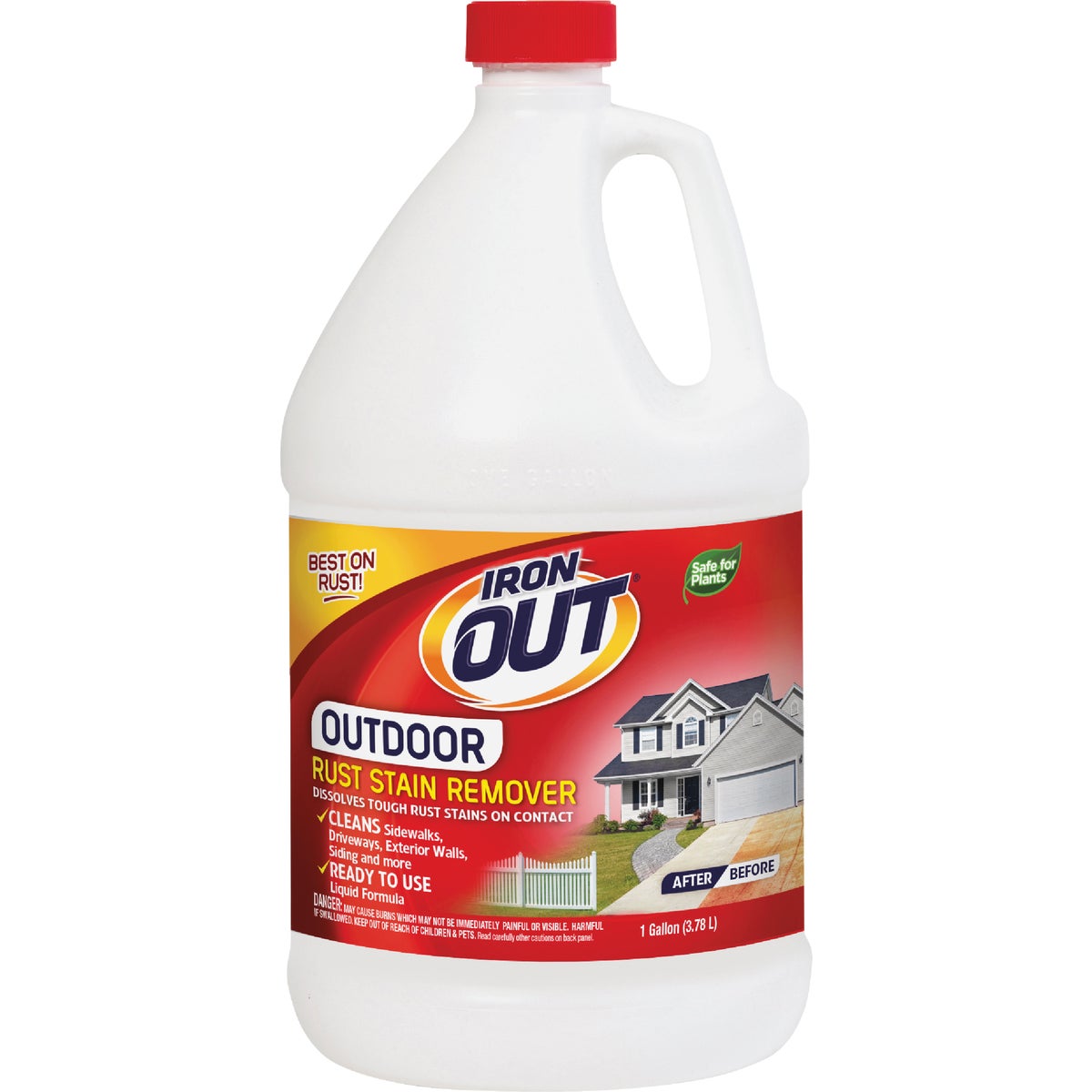
Chelating Rust Removers (Start Here)
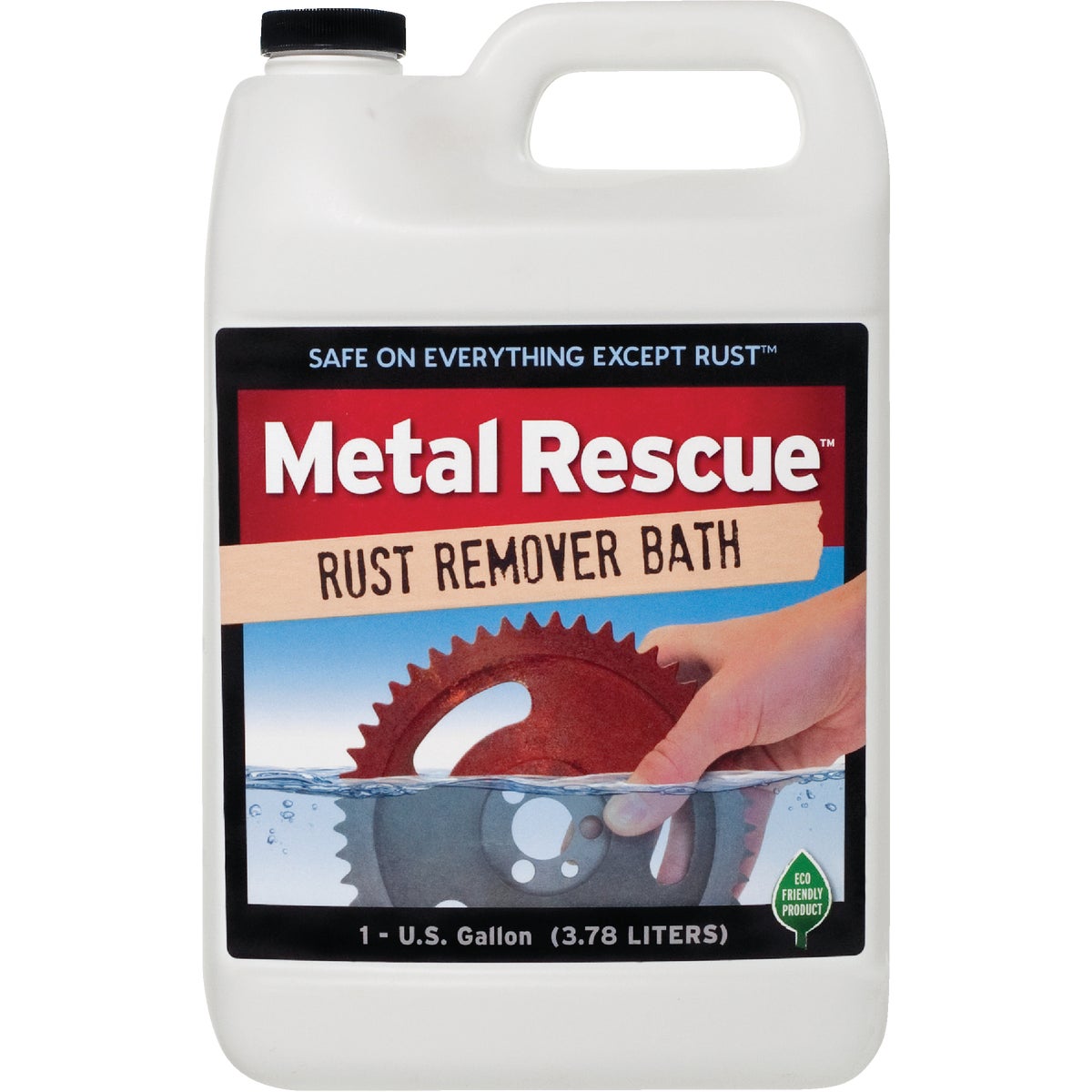
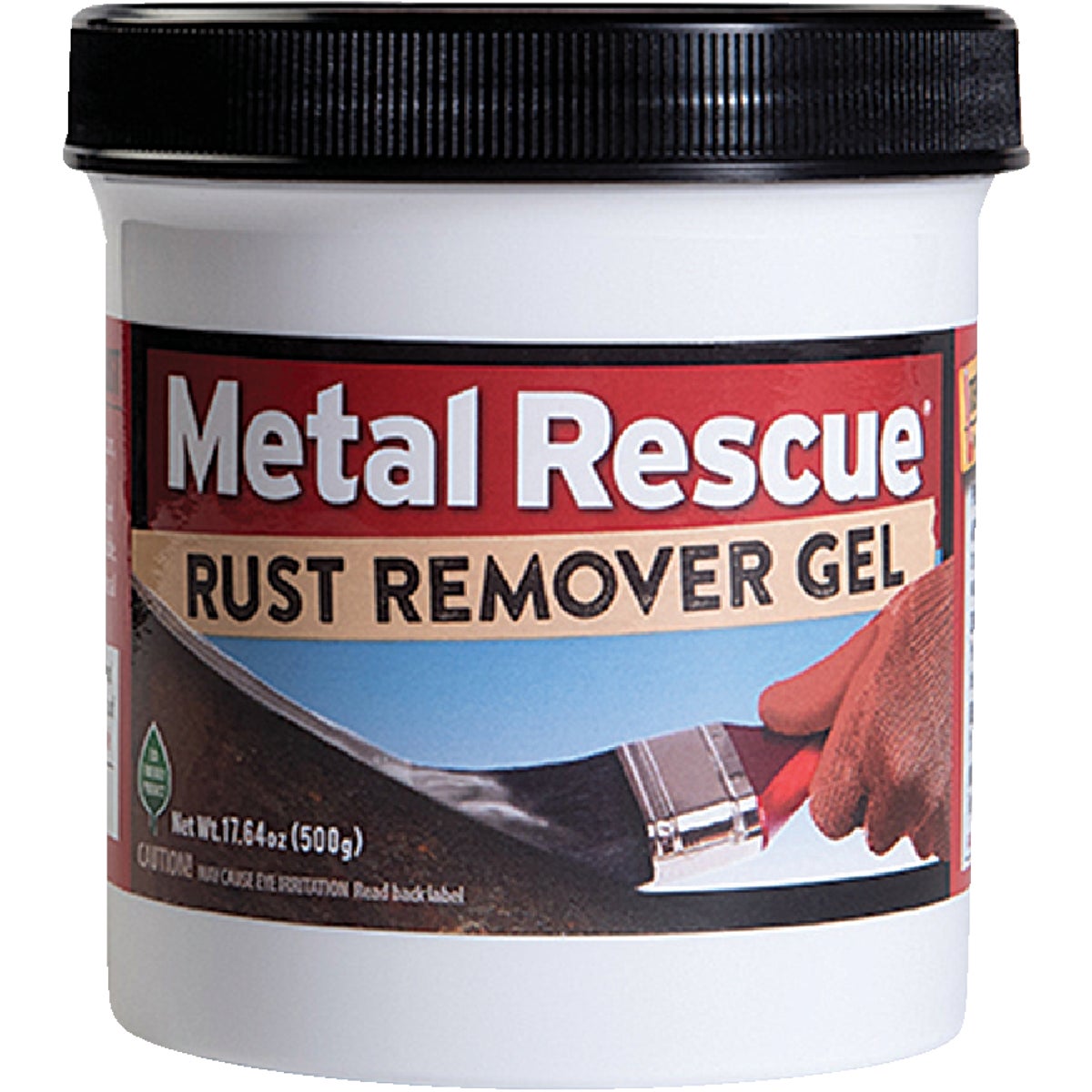
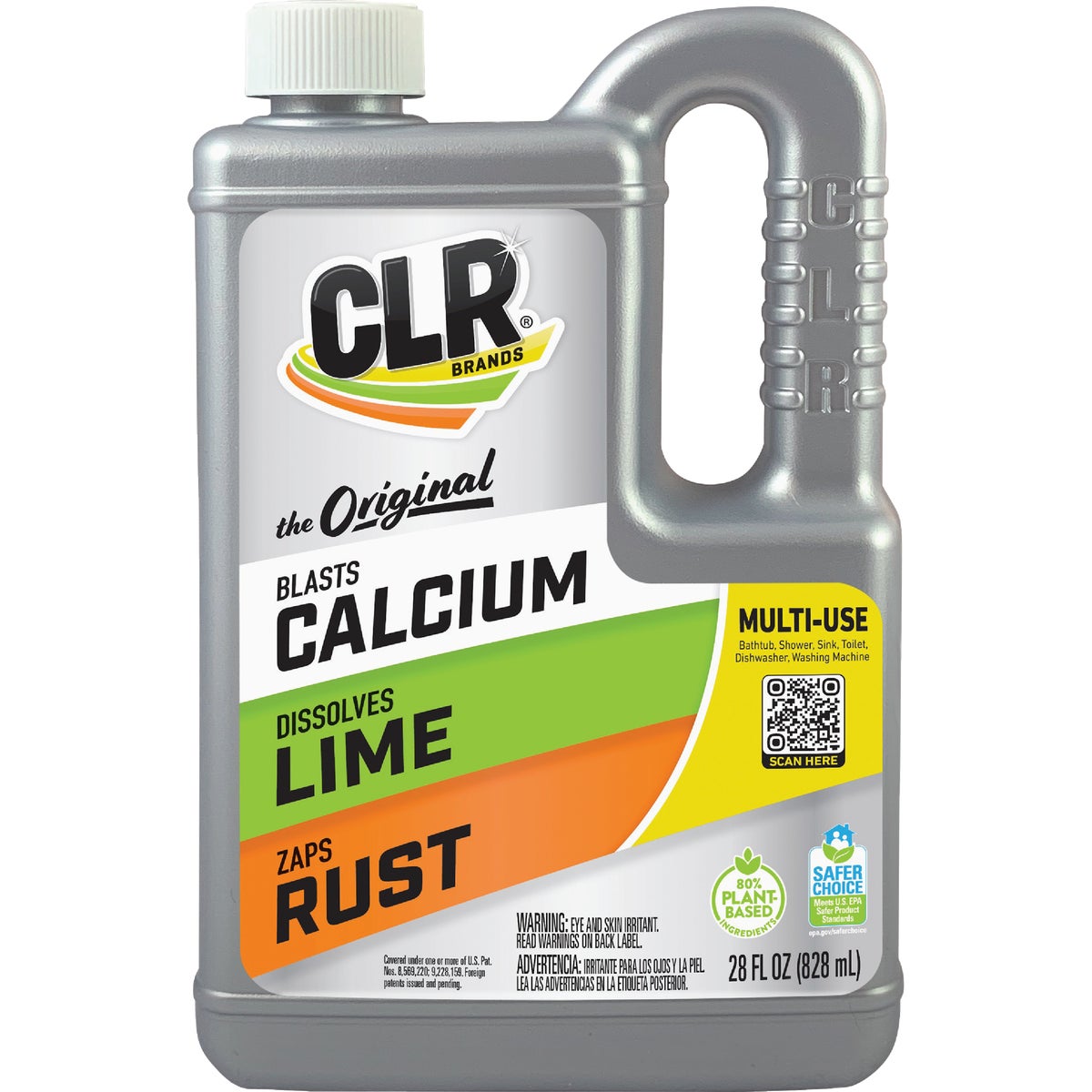
The safest and least skilled route. Chelating removers grab iron oxide and leave everything else — good steel, japanning, stamps and maker's marks — completely alone. You cannot over-do it, there is no scrubbing, and there is nothing to time carefully. For anything with collector value or crisp markings you want to keep, this is the only route that will not cost you the thing you are trying to save.
Cleansers & Surface Rust
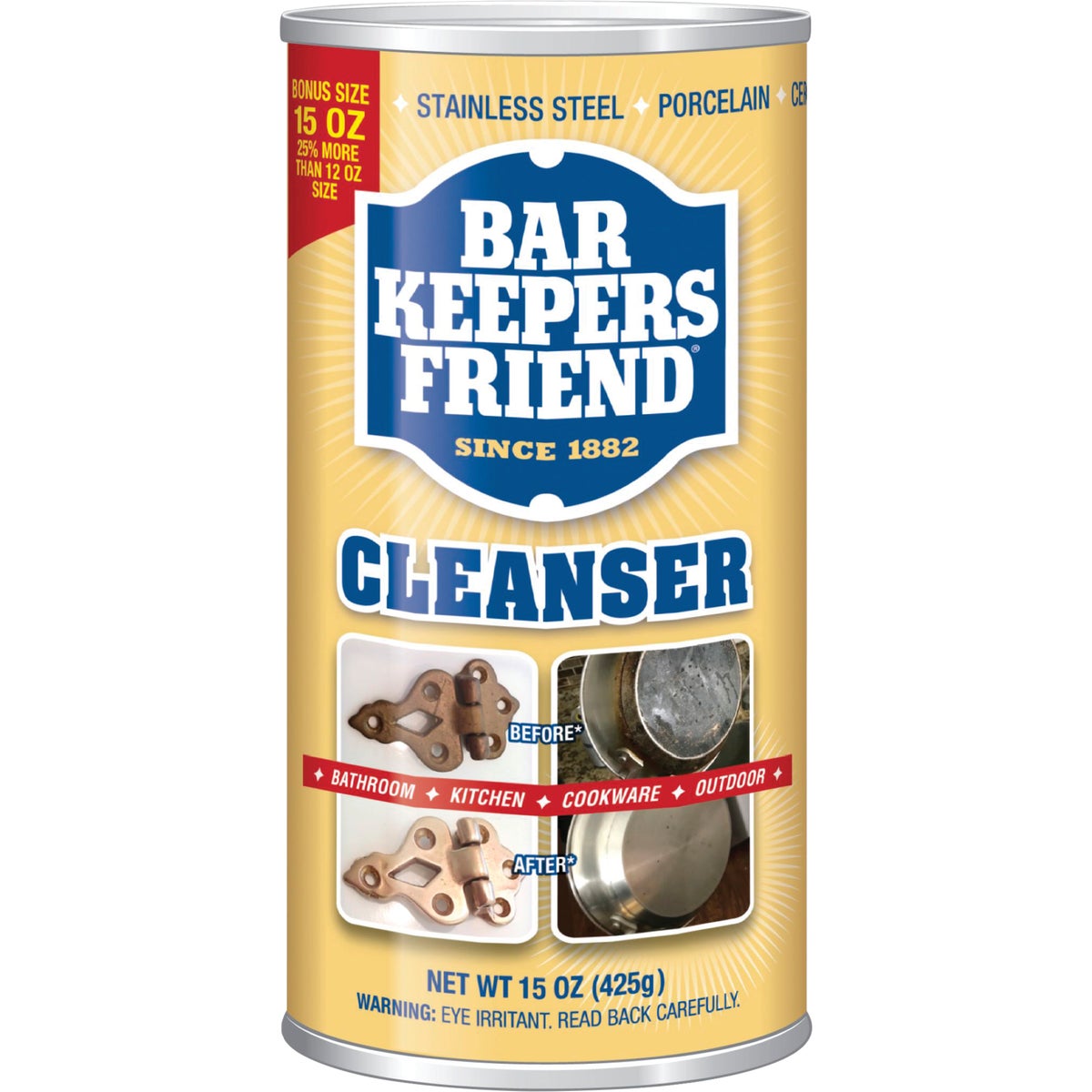
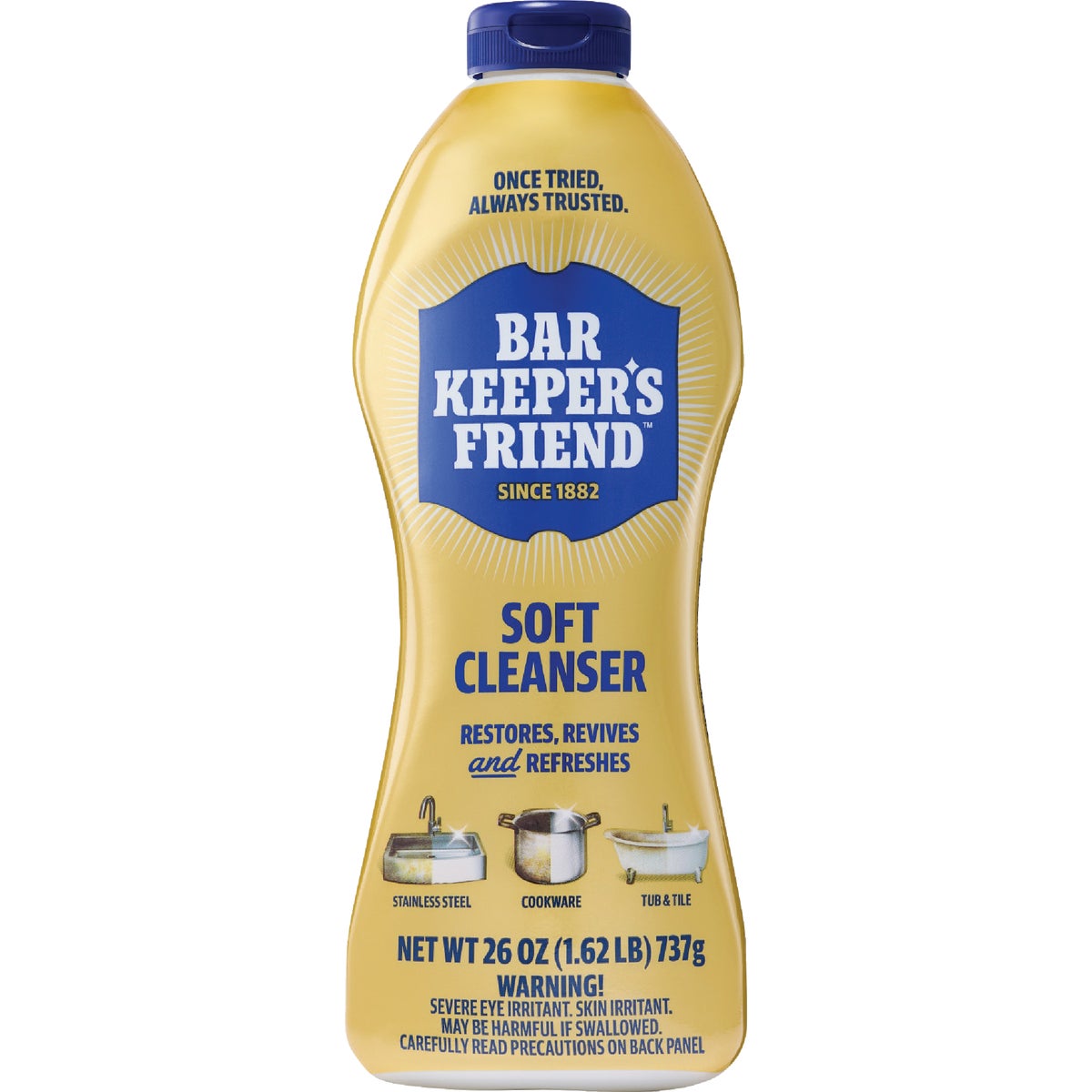
For light surface rust, cooked-on carbon and the mineral staining that sits on top of metal rather than in it. Oxalic-acid cleansers are the traditional answer for a cast iron skillet that is more crud than rust, and they work without stripping seasoning down to bare metal.
Steel Wool & Abrasives
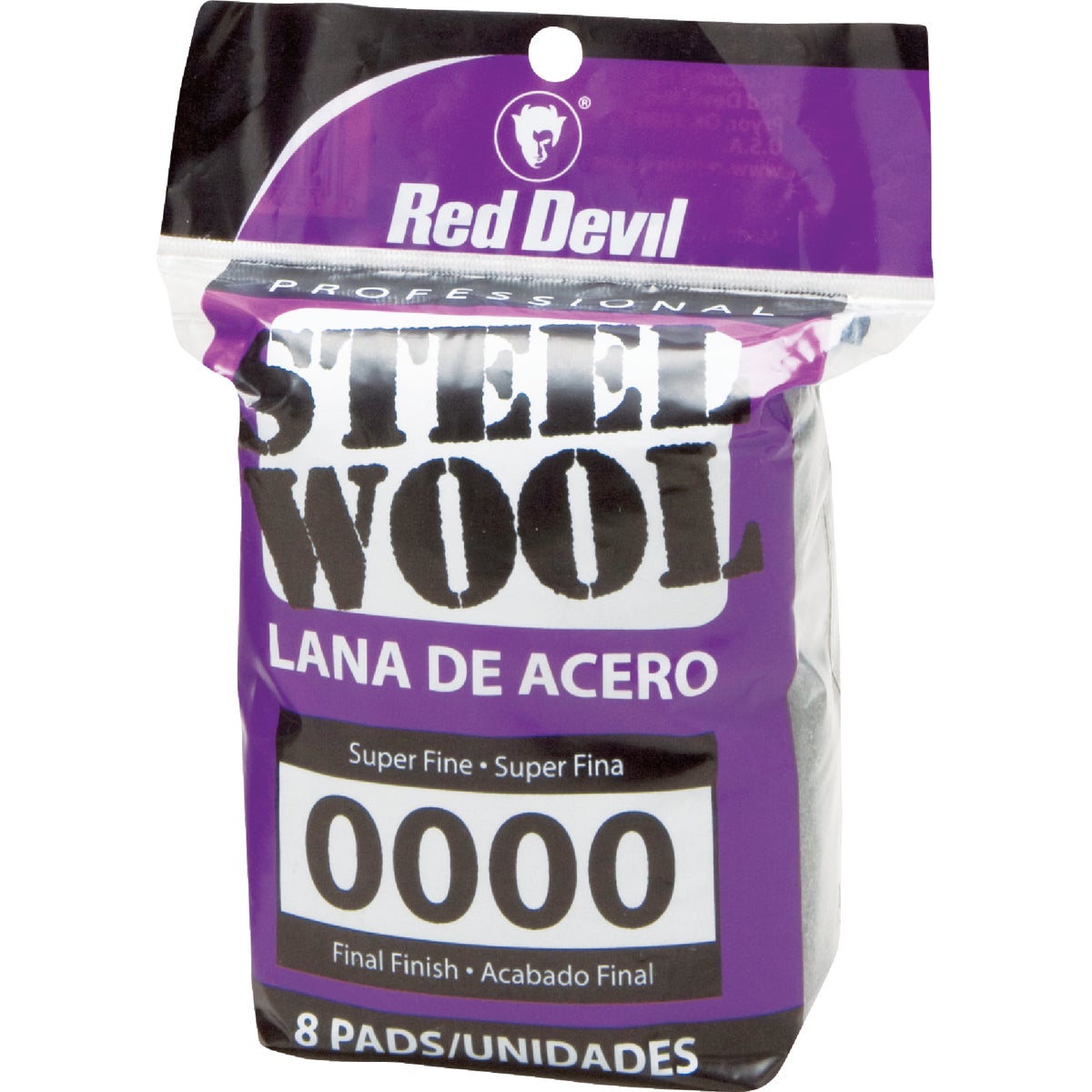
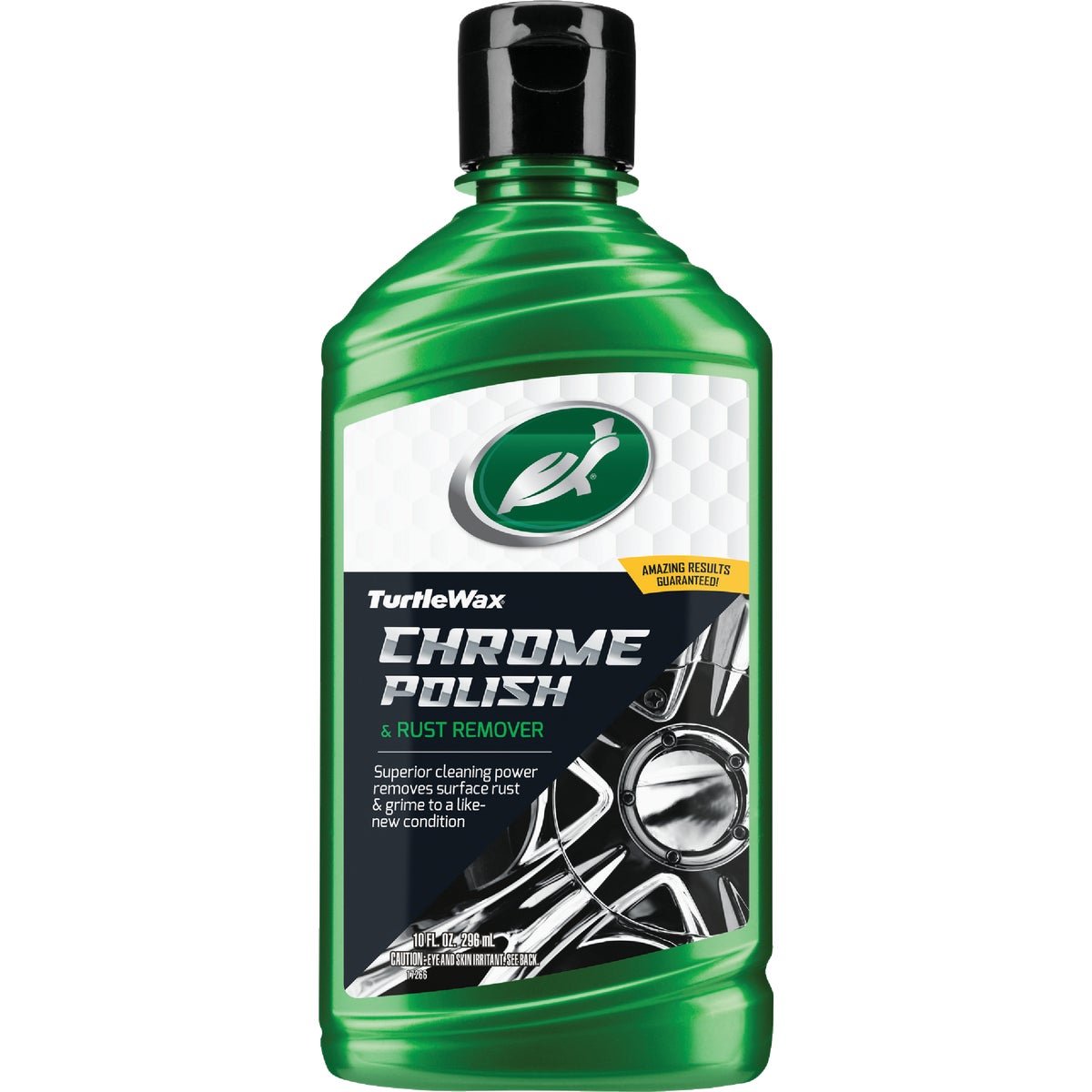
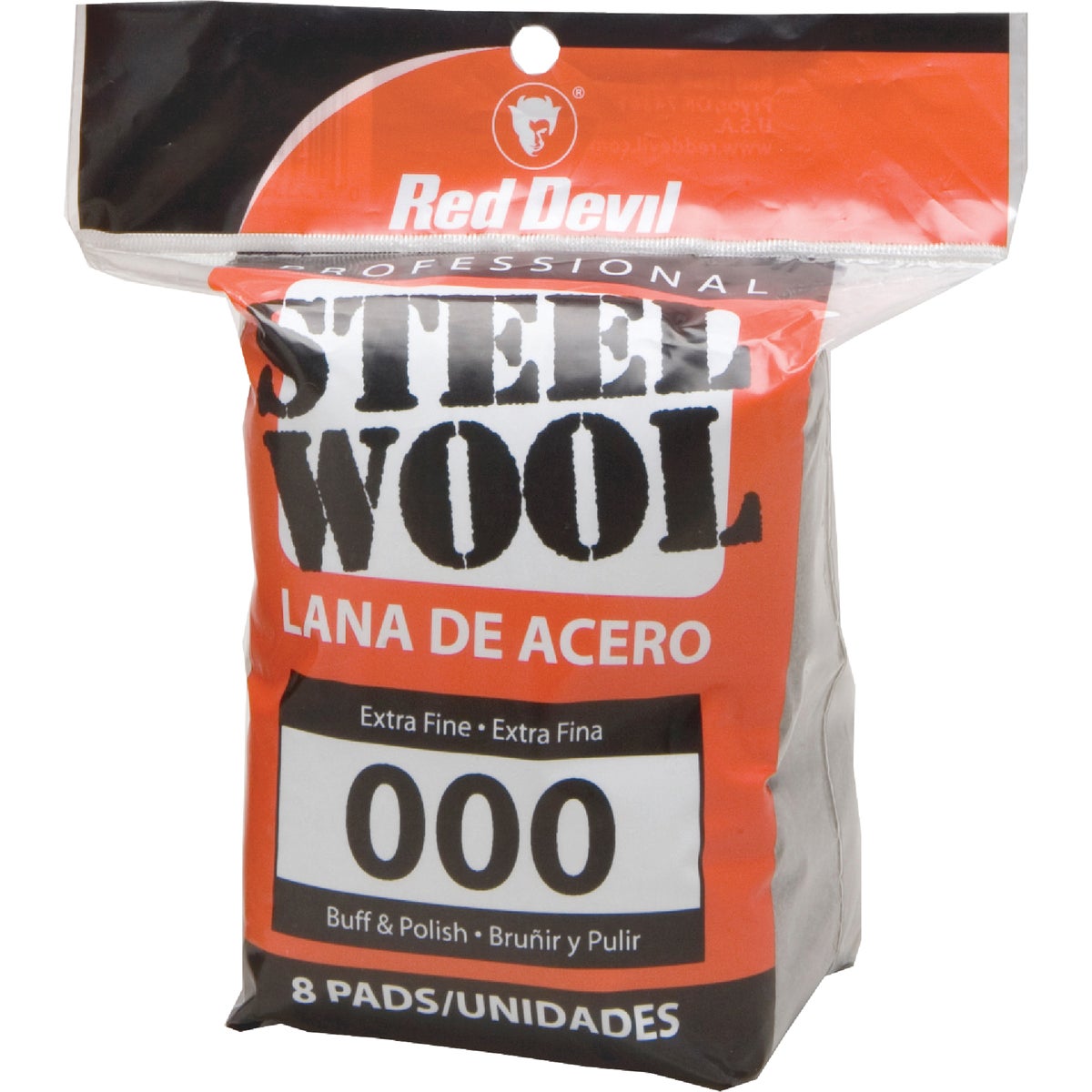
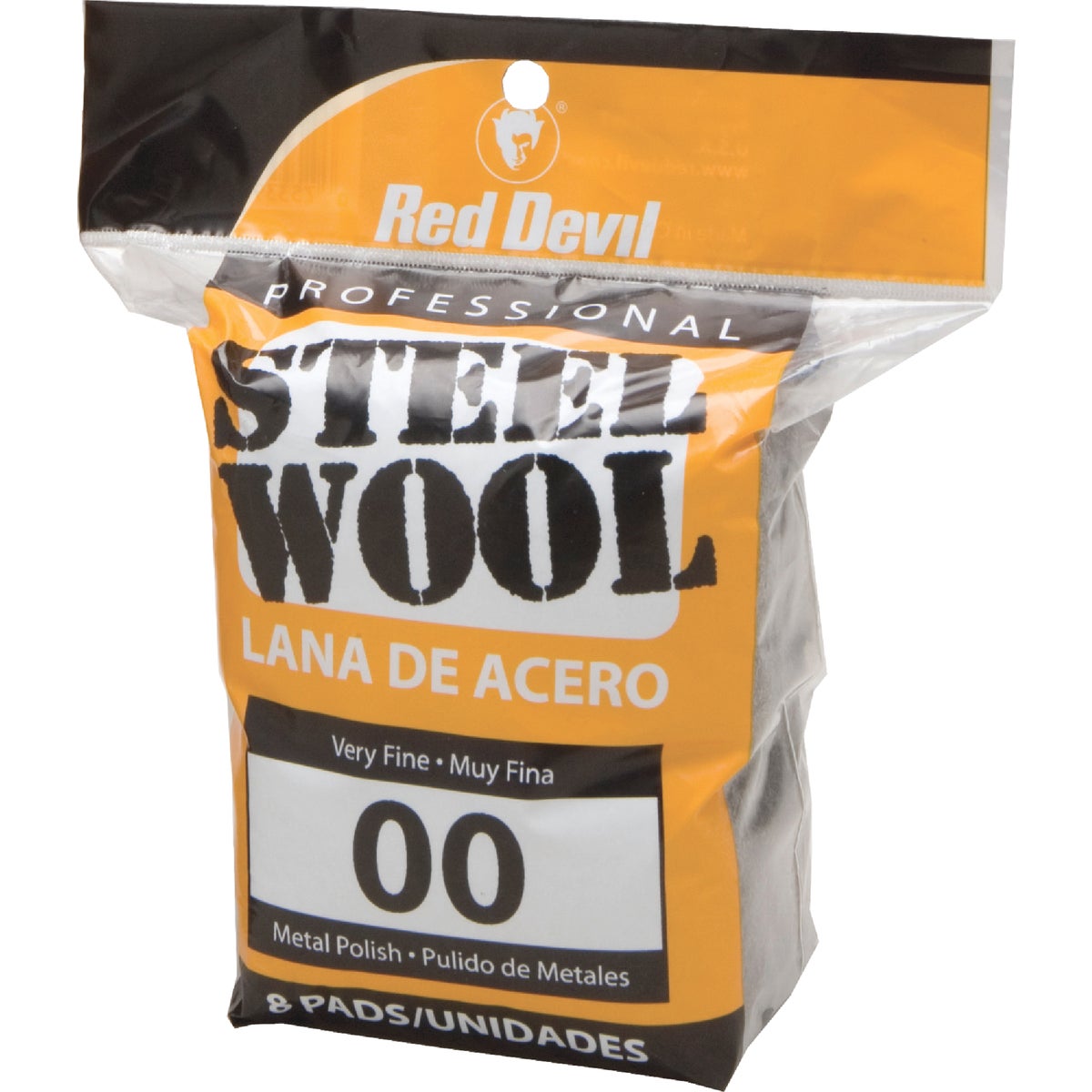
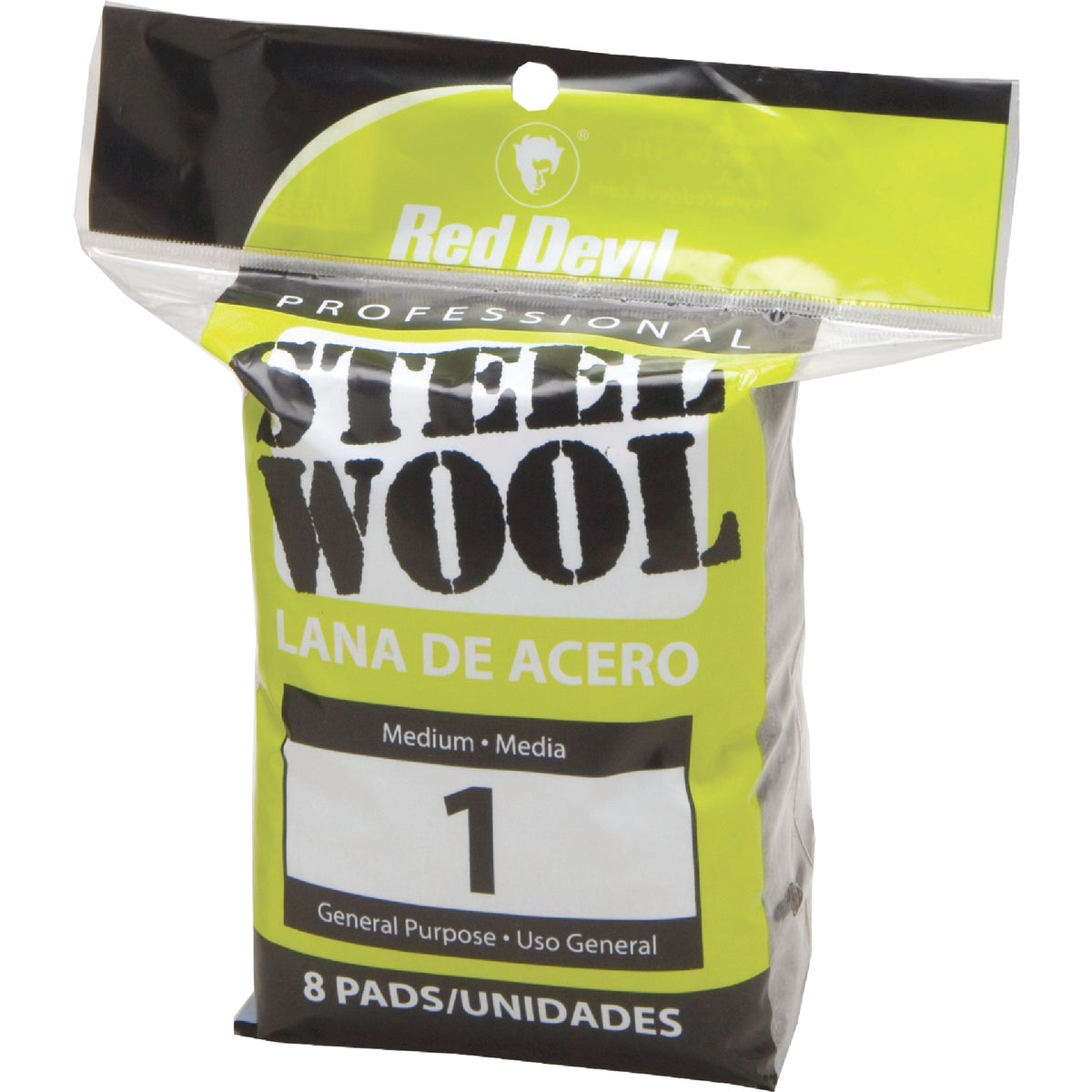
Grade matters more than effort. #0000 is finer than most sandpaper and will polish without scratching; #1 and #2 cut real rust but leave marks. Match the grade to the piece — the reflex to grab the coarsest thing available is what ruins collectible tools. Steel wool plus oil is the classic cast iron technique and it is gentler than it sounds.
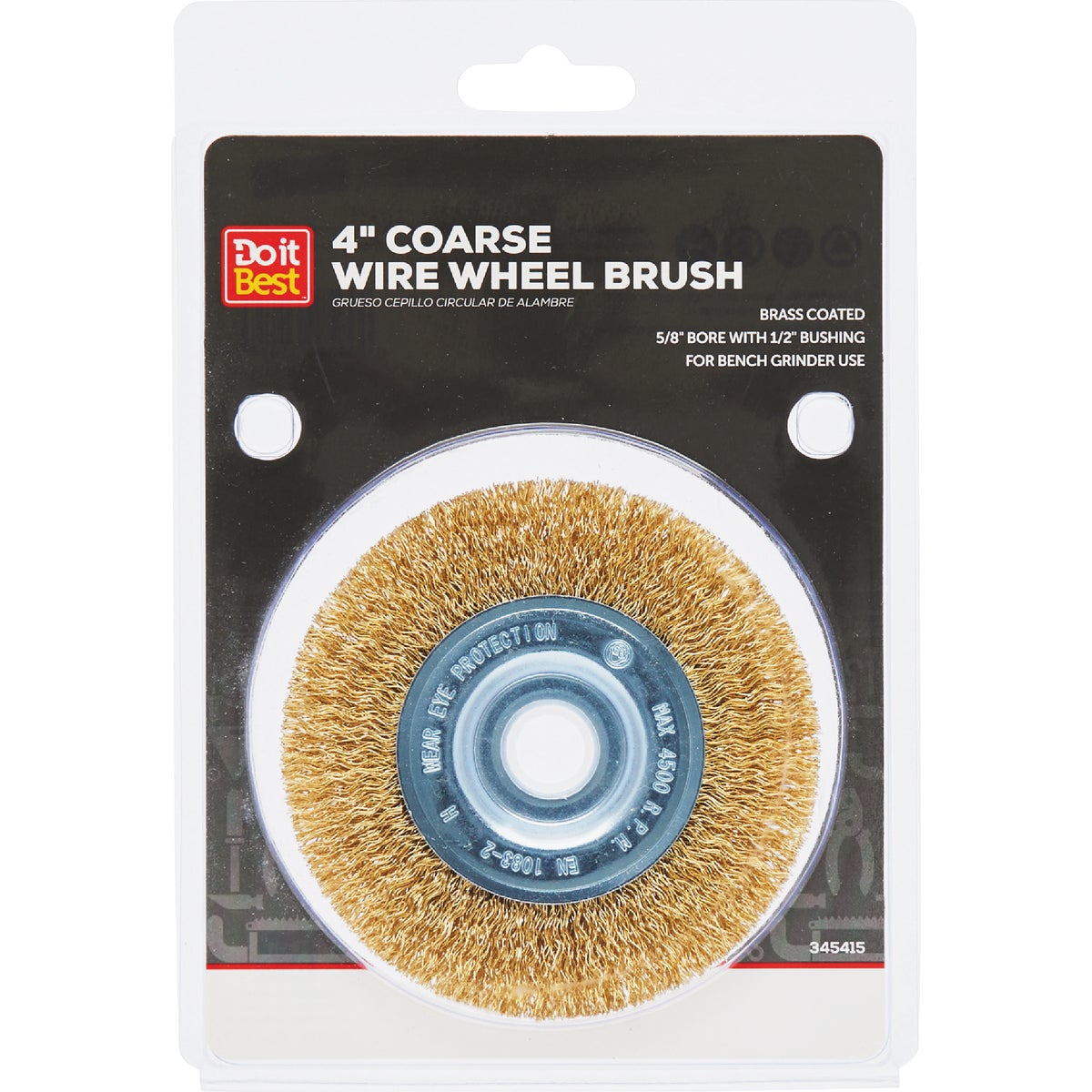
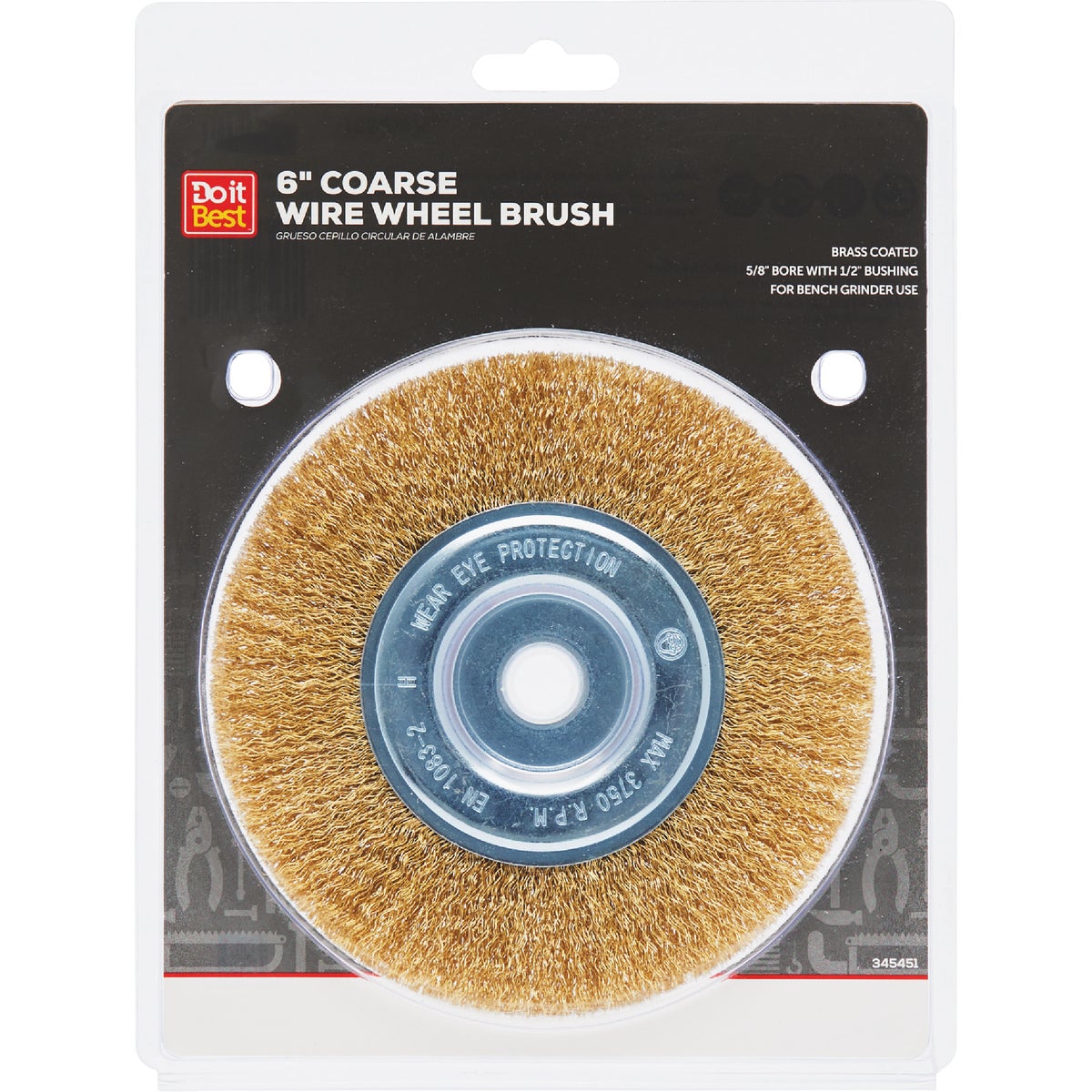
Wire Wheels & Power Removal
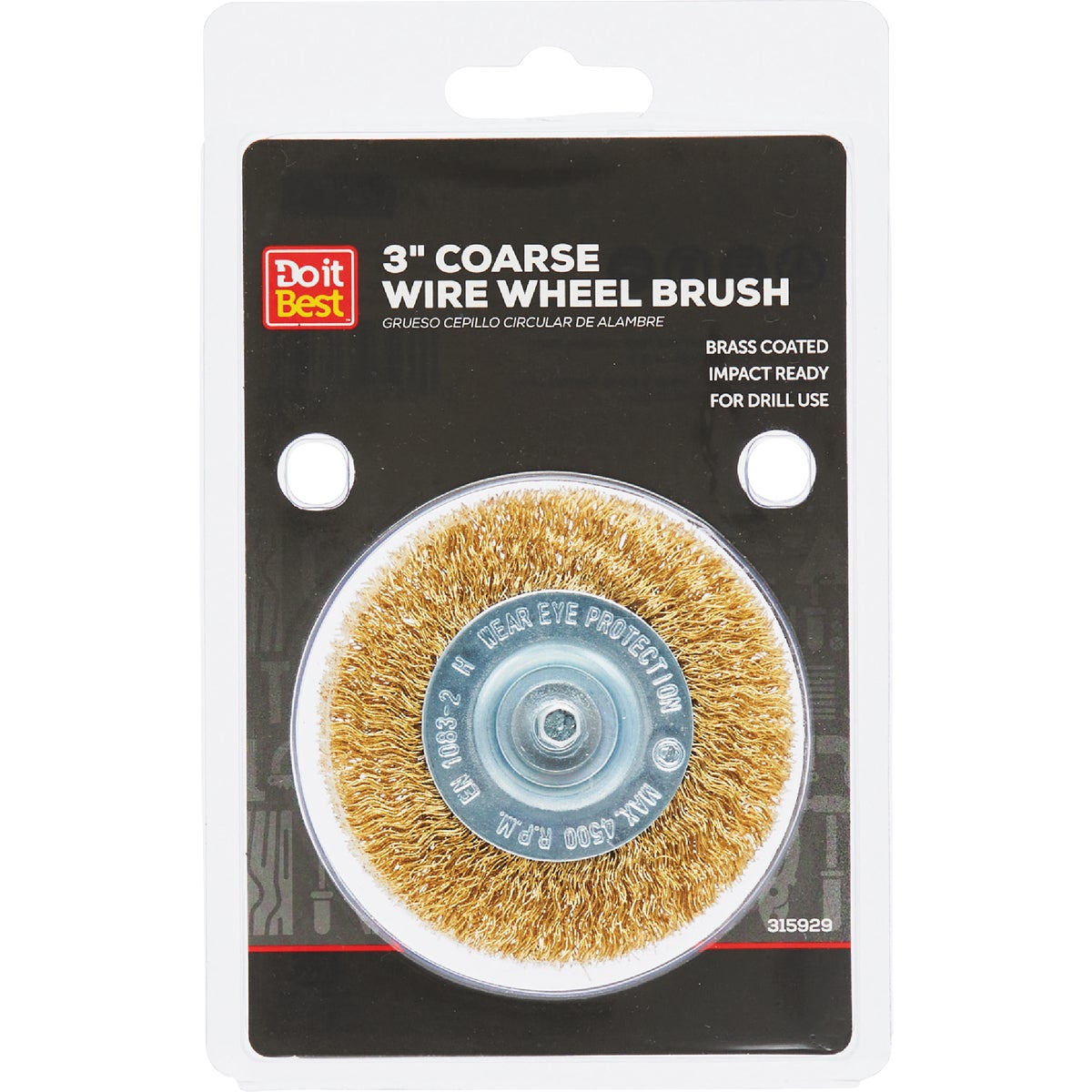
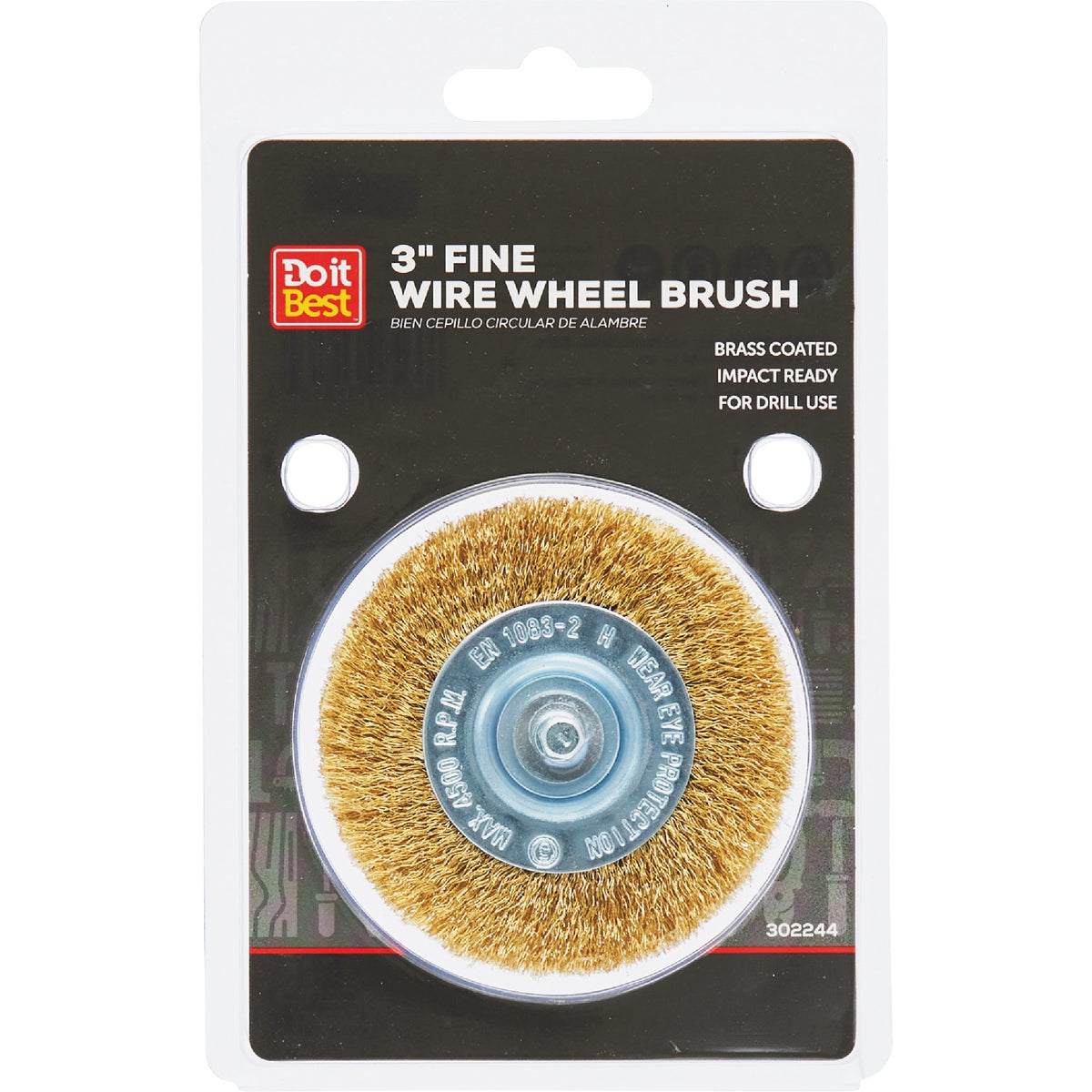
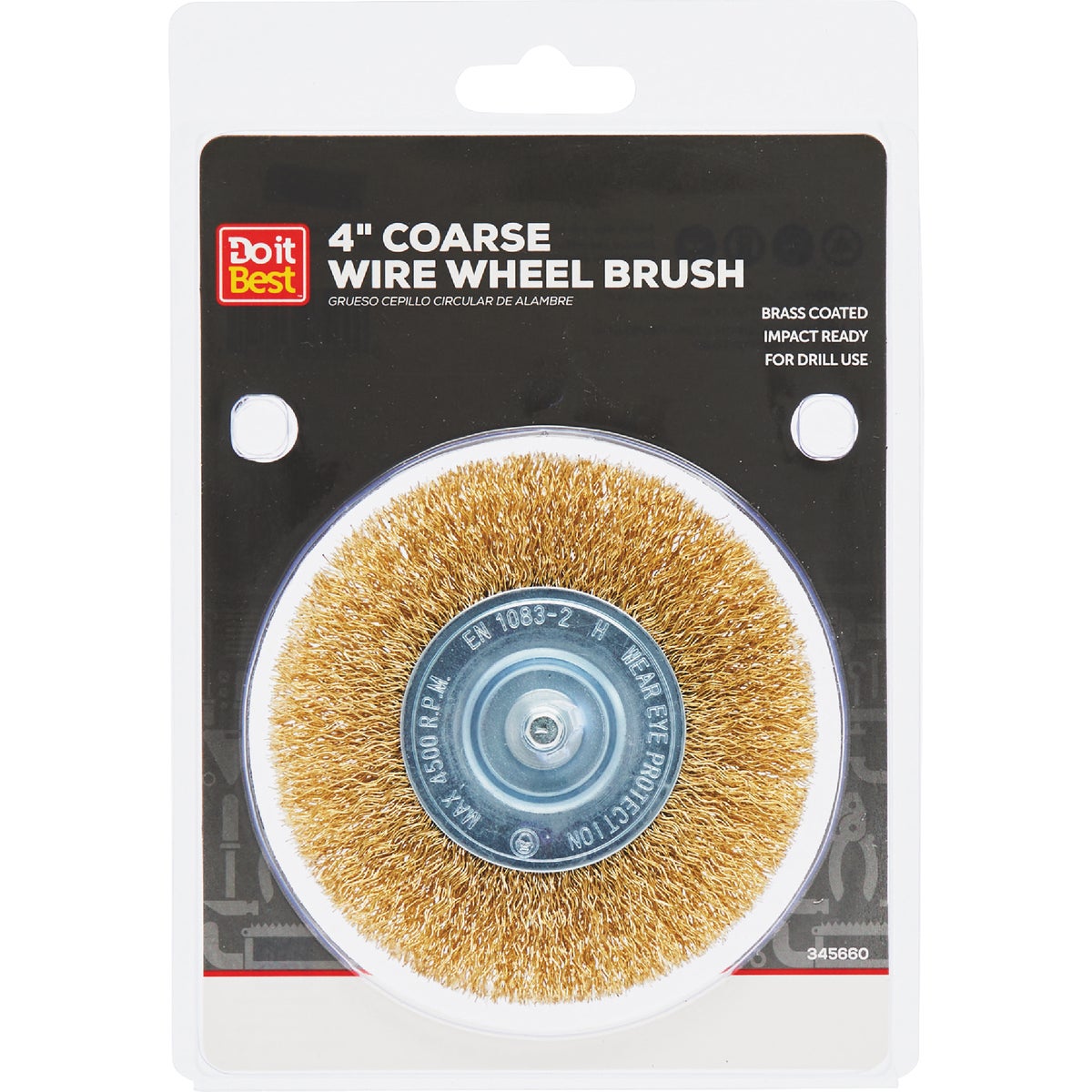
Fast, aggressive, and the right choice for structural iron, garden tools, brackets and anything where appearance is secondary to function. Understand the trade: a wire wheel removes rust, paint, japanning and a little of the surface with it, and it will round over a crisp edge or a stamped mark in seconds. Never use one on a piece you care about historically.
Degreasing & Prep
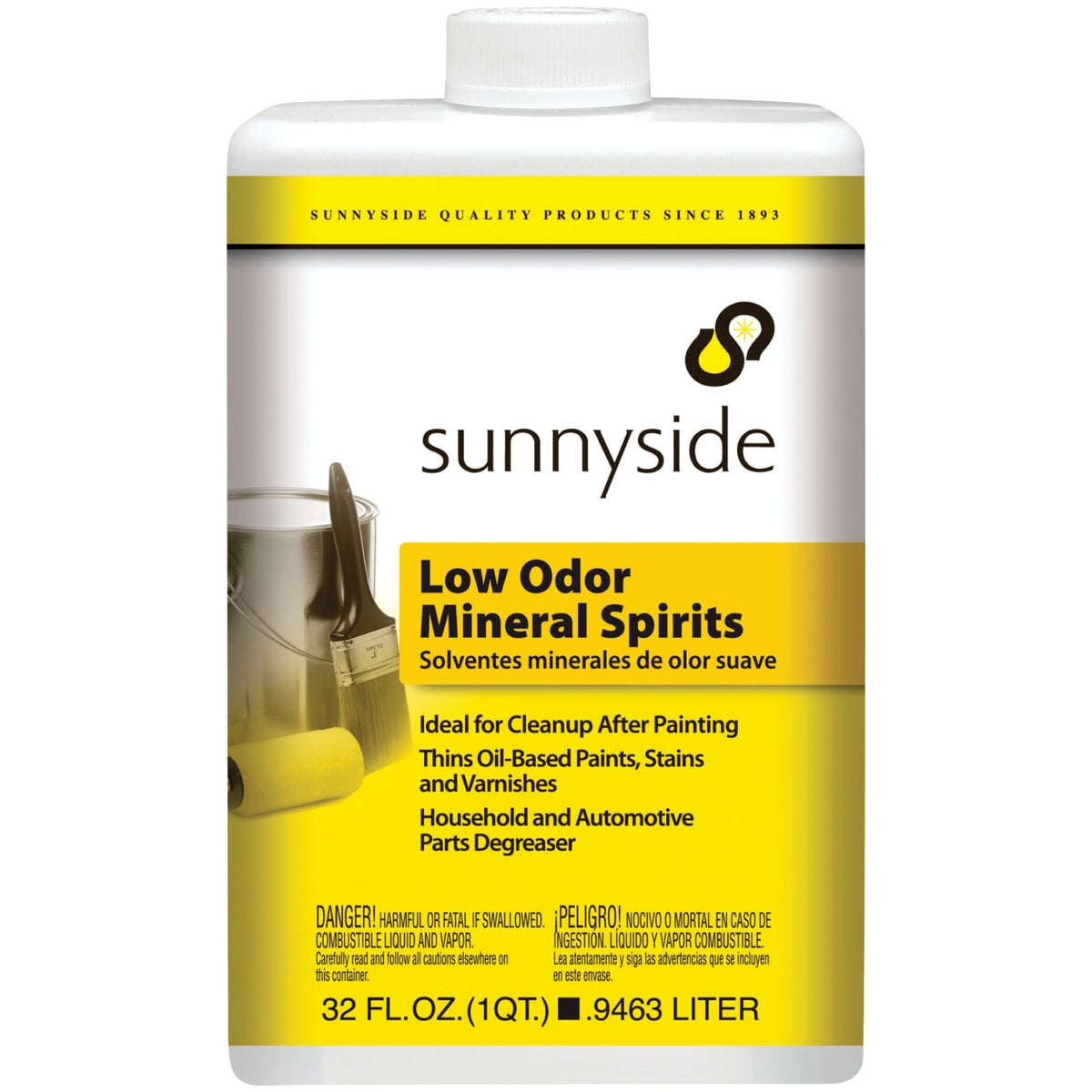
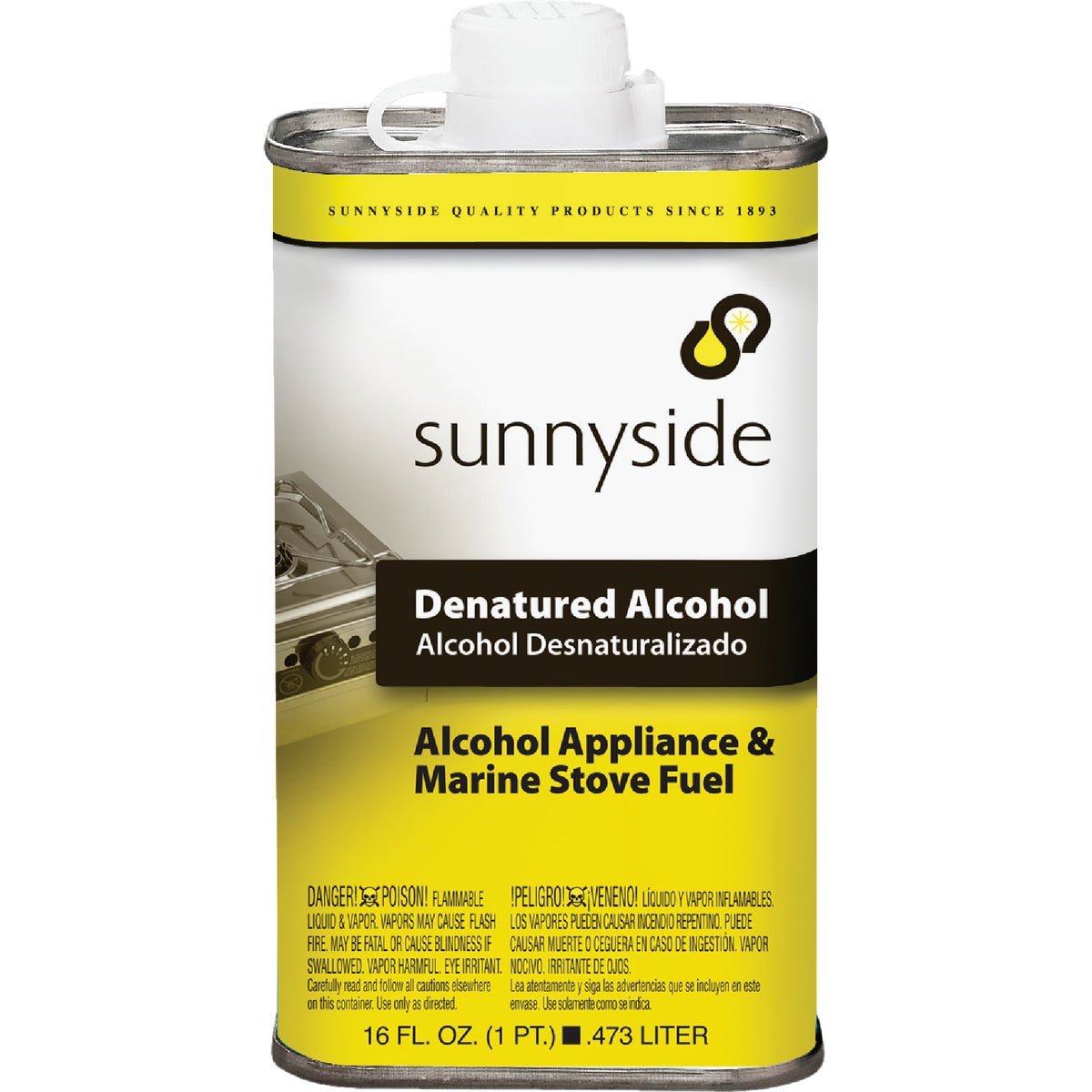
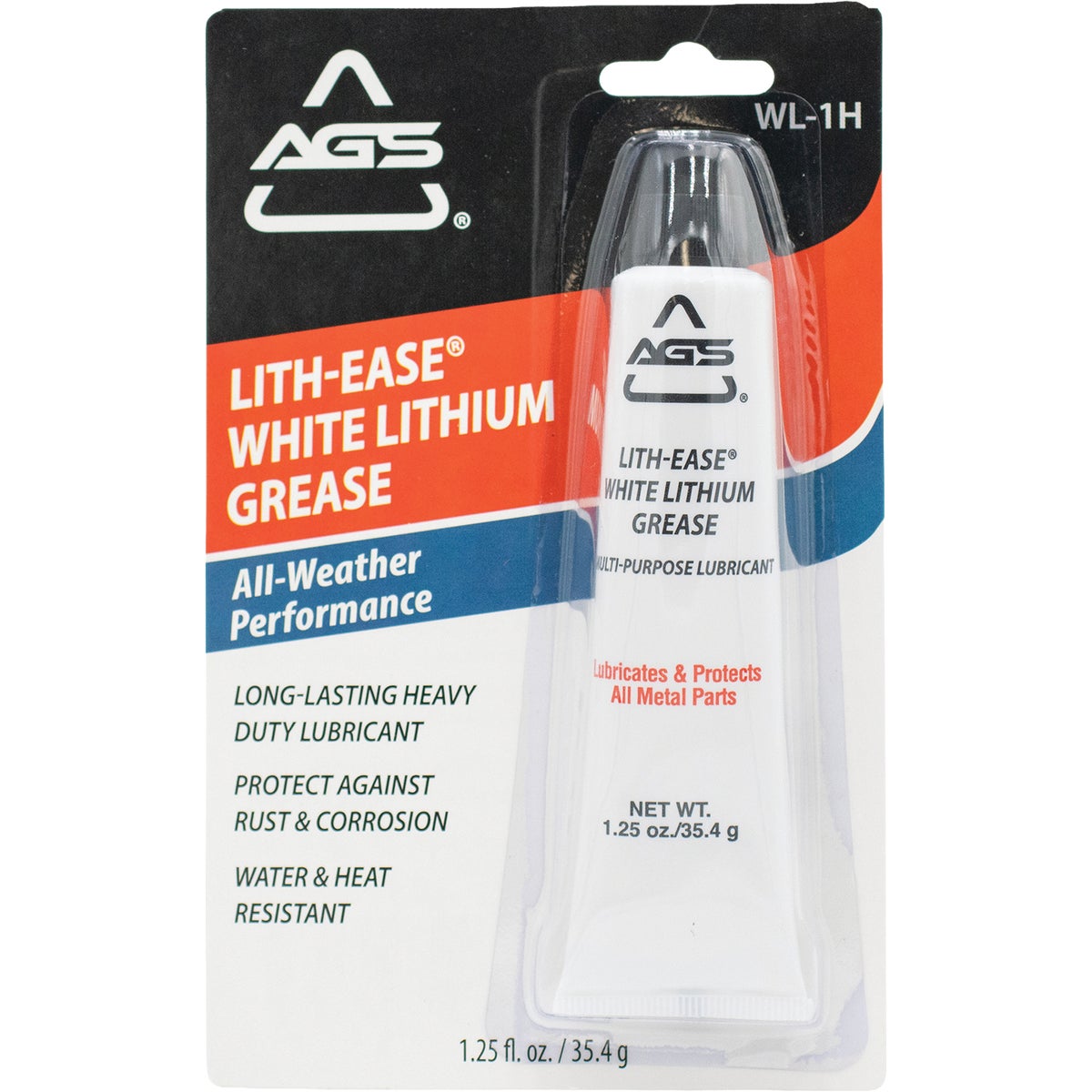
Everything old is greasy. Old oil, wax and shop grime have to come off before a rust remover can reach the metal — soaking a greasy tool just wastes the solution. Degrease first, always.
Protecting the Finish
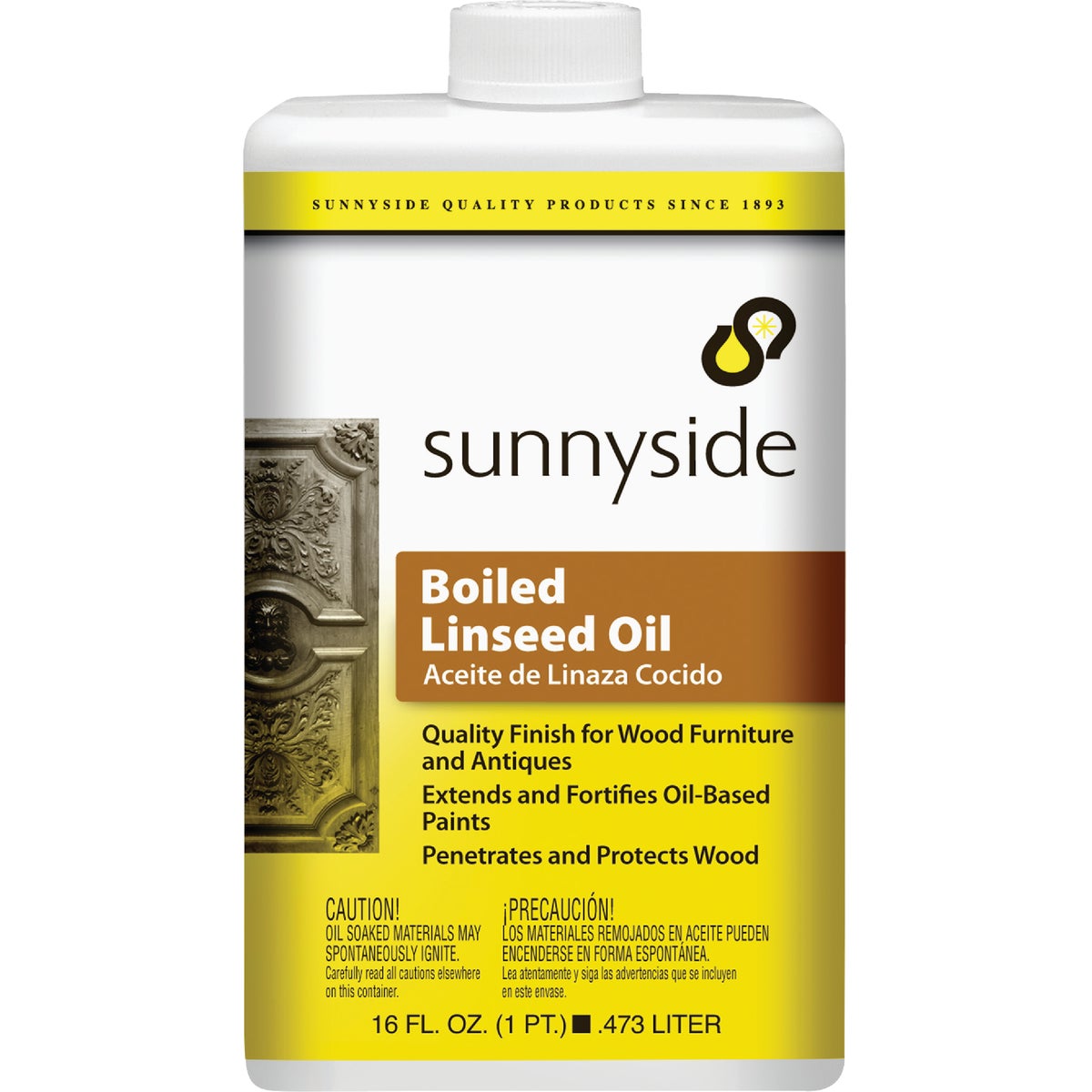
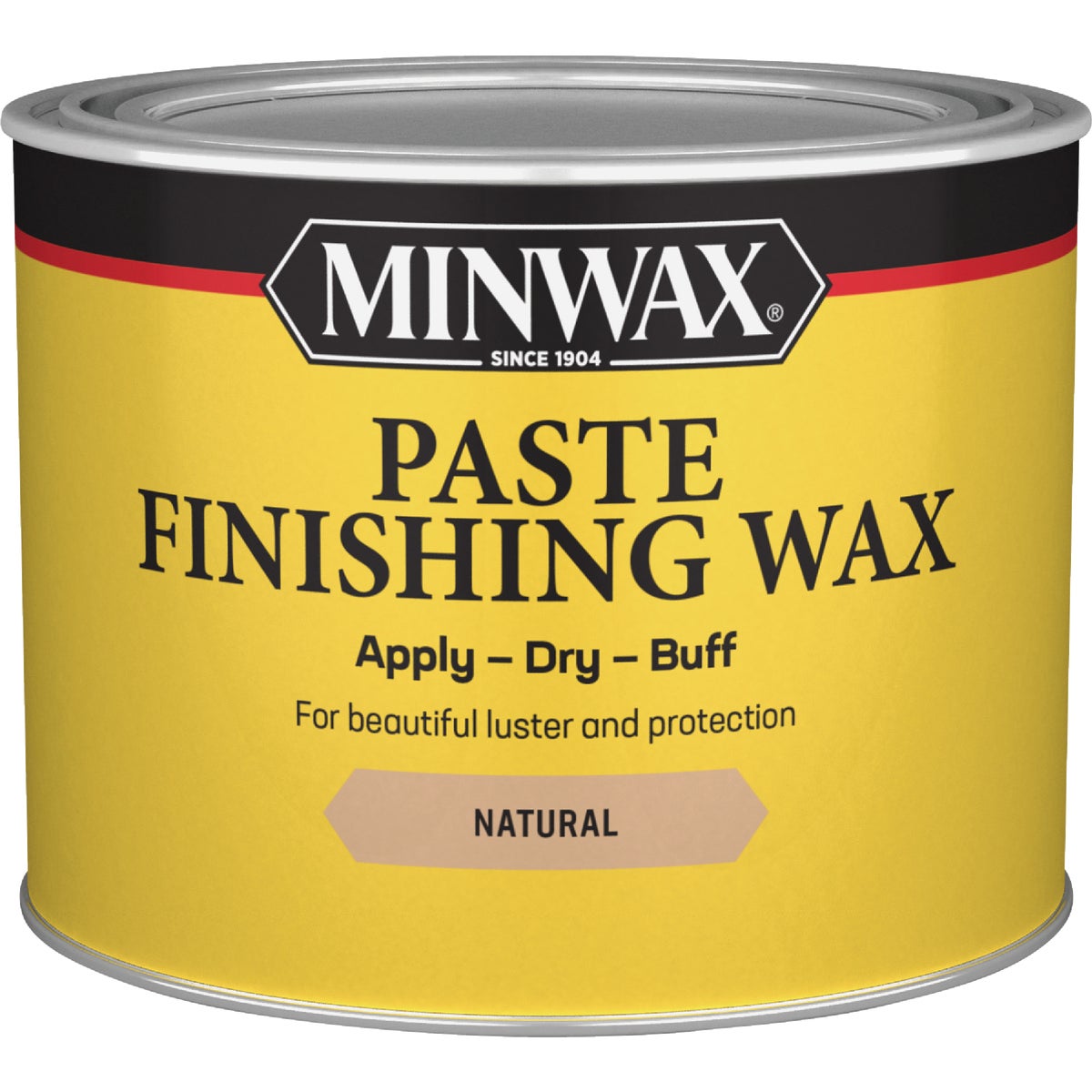
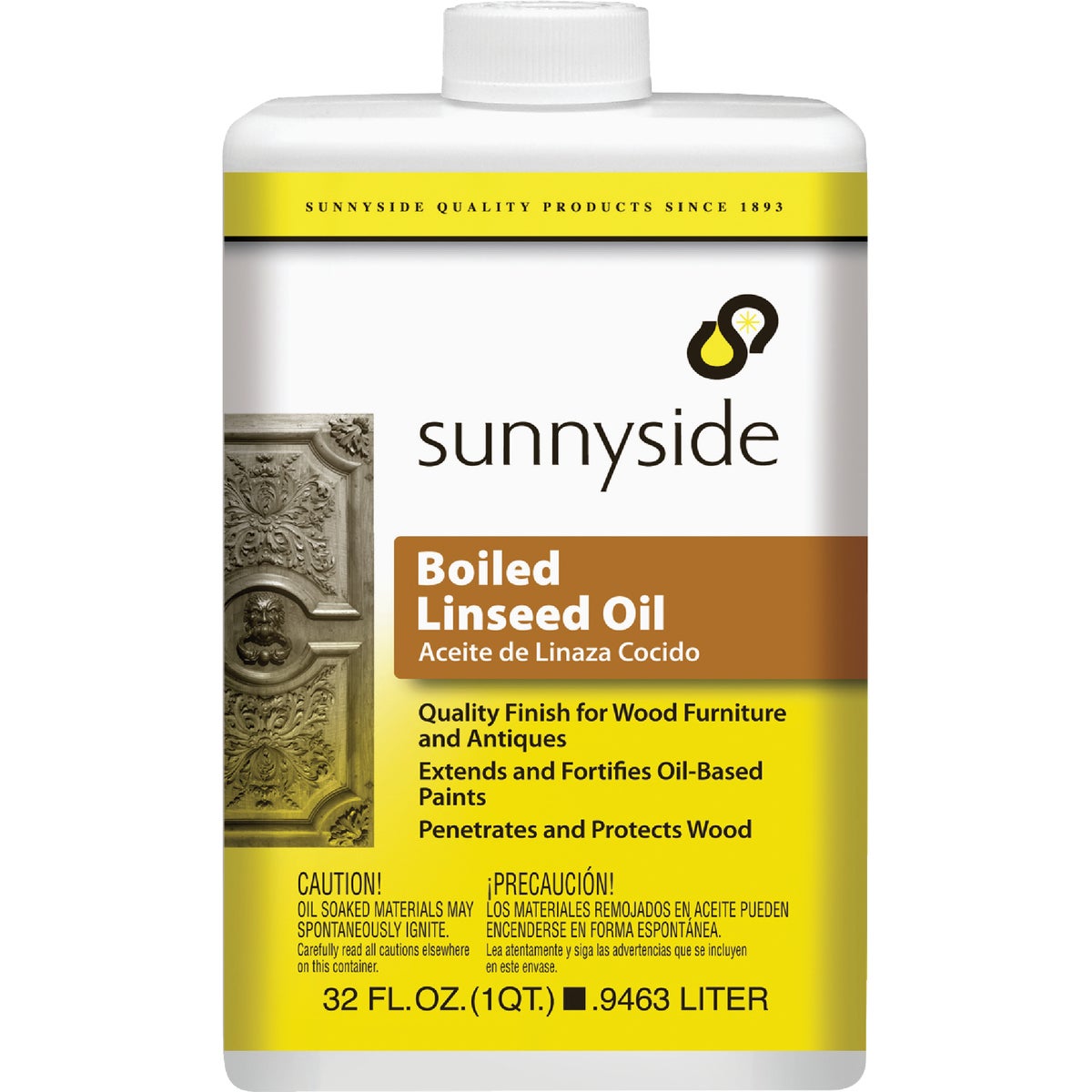
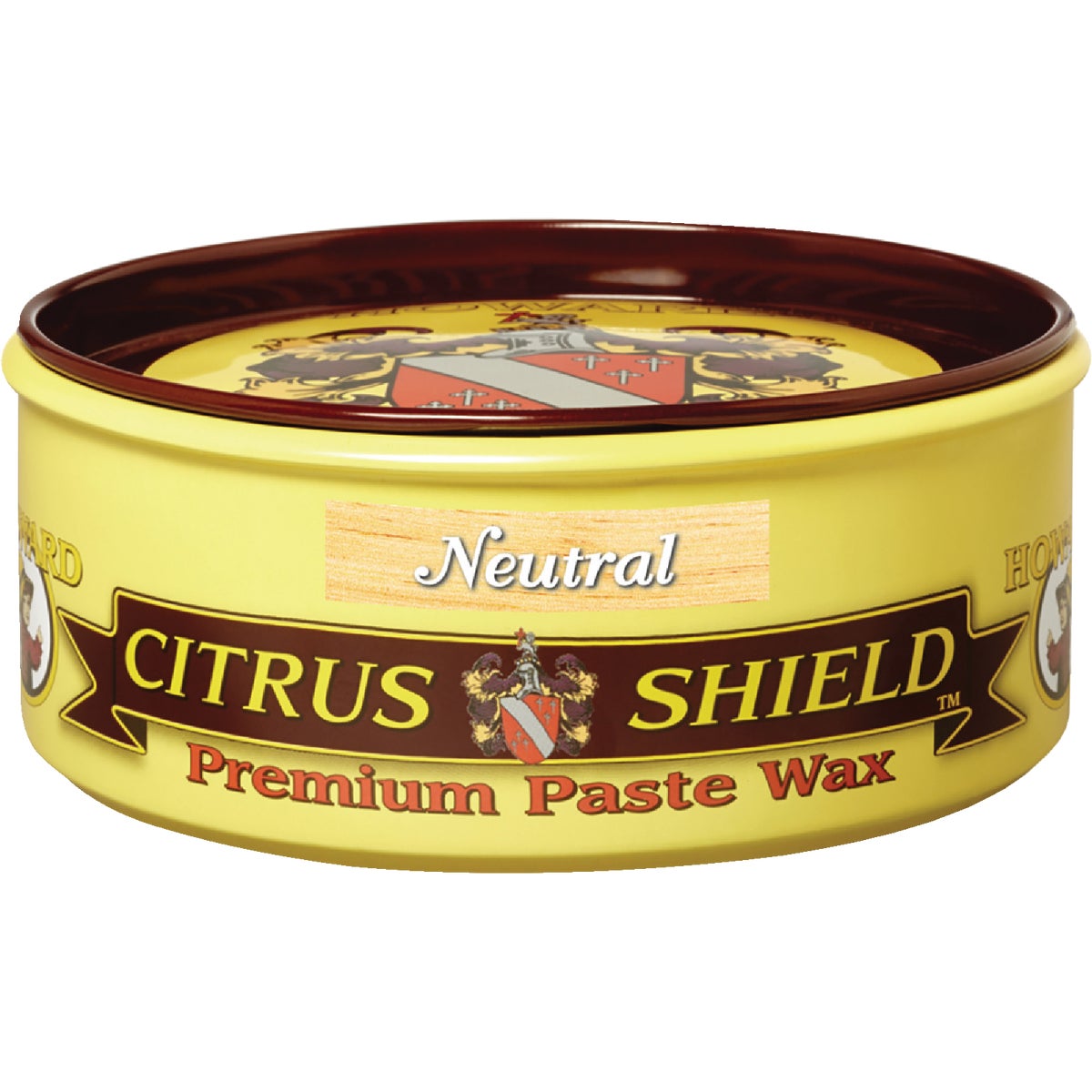
This is the step people skip, and in Florida you have about a day before you regret it. Freshly stripped iron is chemically bare and flash-rusts fast in our humidity. Oil for anything that will be cooked on; paste wax for tools, plane soles and machine tables; linseed oil for wooden handles, which are usually as dried out as the iron is rusty.
Safety
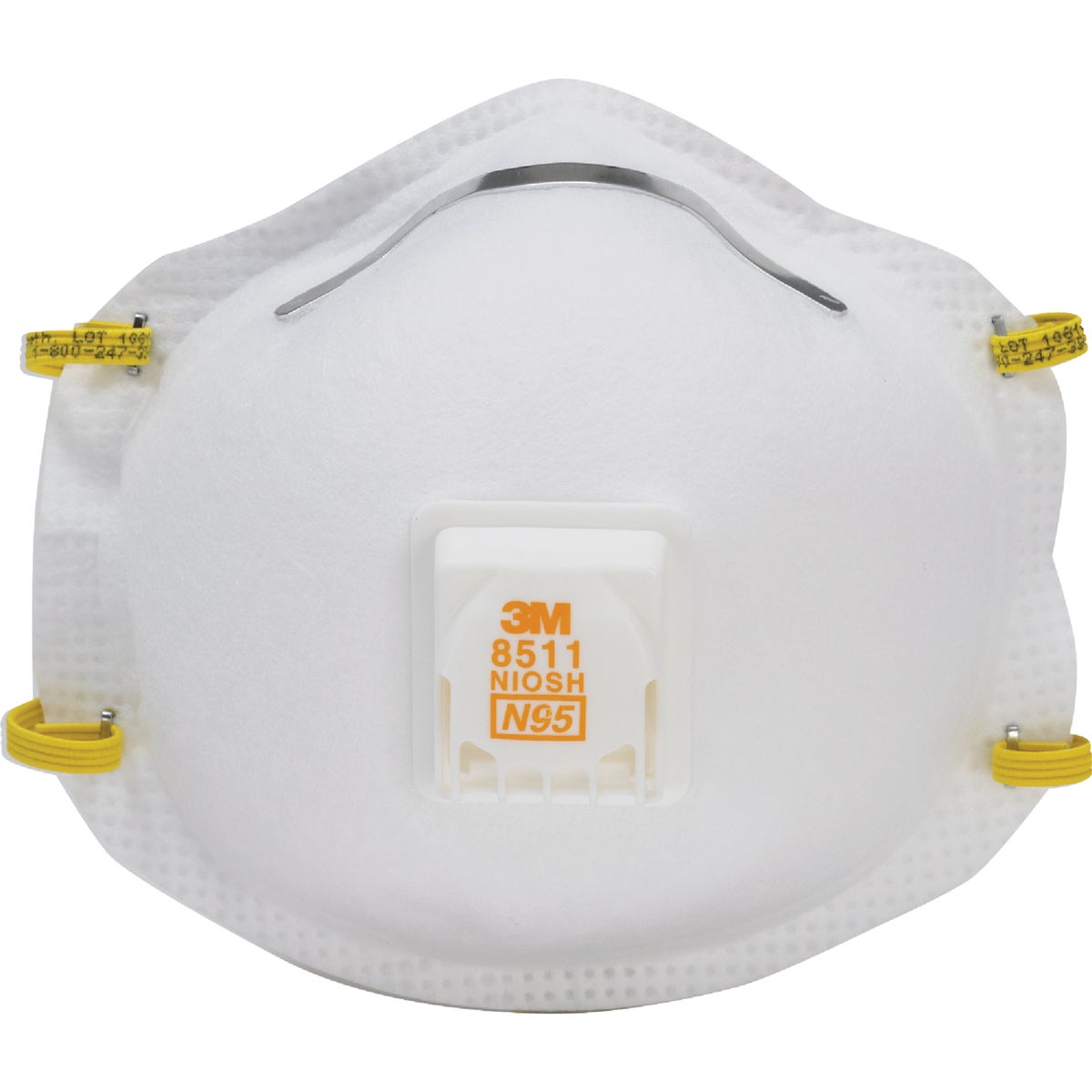
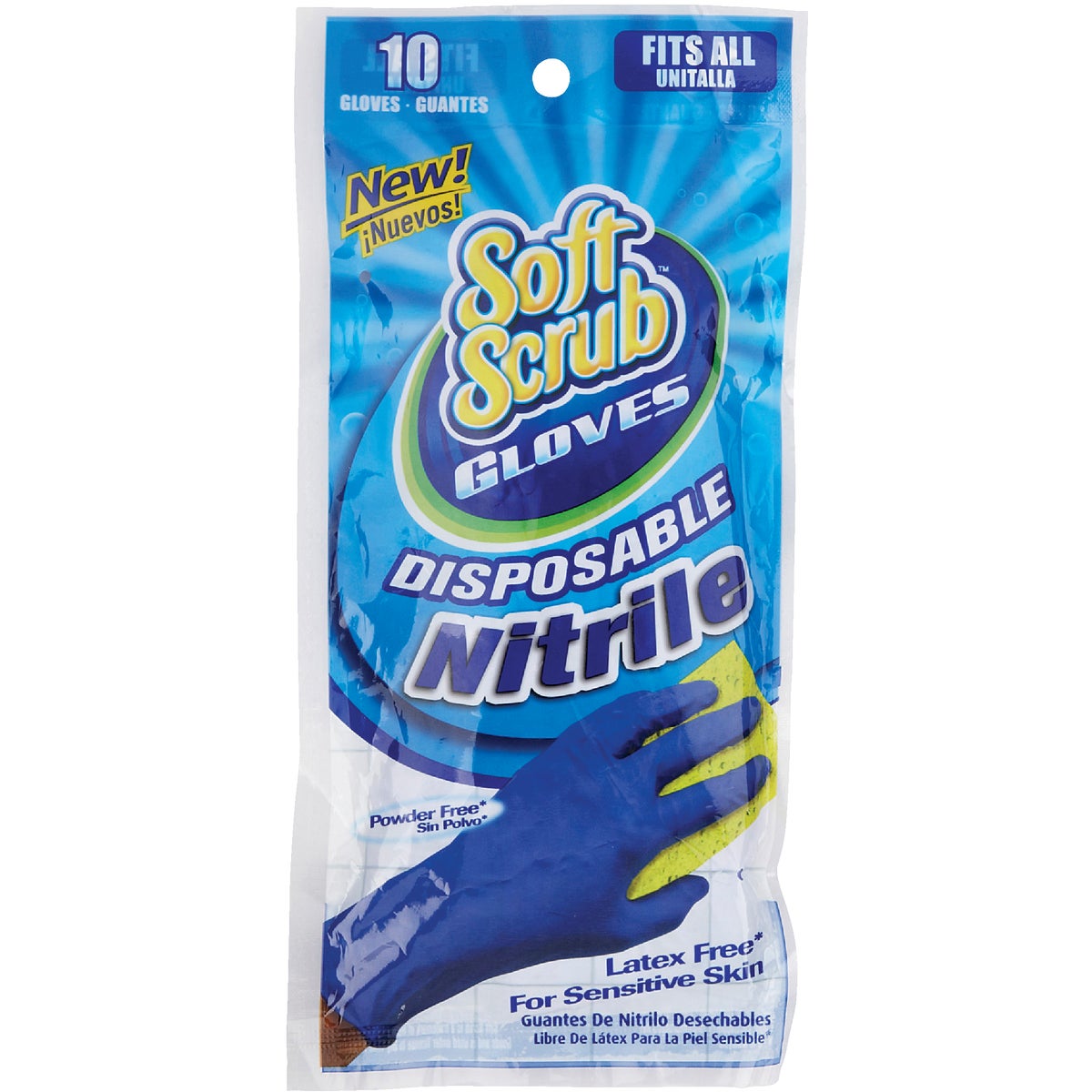
Wire wheels shed bristles at speed, rust dust is not something to breathe, and solvents and old finishes deserve ventilation and gloves.
How to Remove Rust From Cast Iron Without Ruining It
The mistake that costs people the piece is starting with a wire wheel. Rust dissolves chemically without touching sound metal, stamps or japanning — abrasives cannot tell the difference between rust and the thing underneath it.
Degrease before anything else
Old oil, wax and grime will block a rust remover from ever reaching the metal, so soaking a greasy piece just exhausts the solution. Wipe or scrub with mineral spirits first and let it flash off. On a cast iron skillet with heavy carbon buildup, an oxalic-acid cleanser handles this stage on its own.
Soak in a chelating rust remover, not acid
A chelating bath grabs iron oxide and ignores everything else — good steel, japanning, patina and maker's marks all survive. There is no timing to get wrong and no way to over-do it, which is exactly why it is the right choice for anything collectible. Acids keep working if you forget them, and abrasives take the finish off with the rust.
Scrub with the finest grade that works
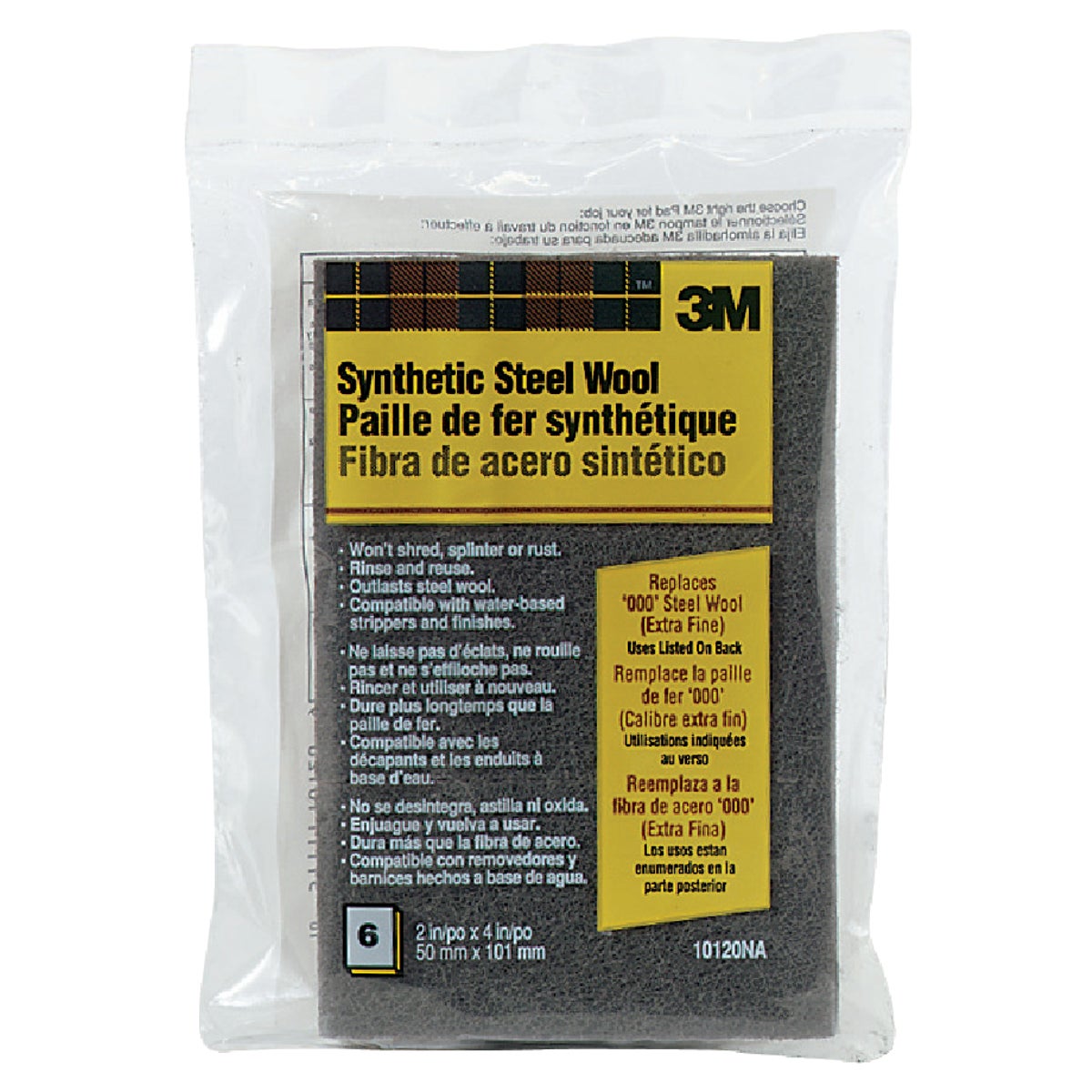
After soaking, most rust wipes off. For what remains, start at #0000 steel wool with a little oil and step coarser only if it genuinely is not cutting. Reaching straight for #2 or a wire wheel is what rounds over crisp edges and erases stamped markings. Synthetic pads avoid leaving steel fibers embedded in cast iron, which rust later and speckle the surface.
Neutralize, rinse and dry completely — immediately
Rinse, then dry fully and fast. Bare stripped iron flash-rusts within minutes in humid air, and in Southwest Florida it can bloom orange while you are still cleaning up. A hair dryer or a low oven is not overkill. Do not leave it on the bench to air dry.
Protect it or you will do this again
For cookware, oil and re-season: thin coat of oil, wipe back until it looks dry, bake past the oil's smoke point, repeat a few times. For tools, machine tables and plane soles, paste wax — it blocks moisture and makes a plane glide better. For wooden handles, boiled linseed oil in thin coats, and lay the used rags flat outdoors to dry, because bunched linseed rags can genuinely self-ignite.
Rust Removal & Restoration Questions, Answered
For most flea-market skillets, degrease with an oxalic-acid cleanser, then soak in a chelating rust remover, then scrub with #0000 steel wool or a synthetic pad. Chelating removers dissolve only iron oxide, so the pan comes out with its surface and any remaining seasoning intact. Rinse, dry immediately and completely, then re-season with thin coats of oil baked past the smoke point. Avoid wire wheels on cookware — they leave a surface that seasons unevenly.
For anything you care about, yes, and it is not close. A chelating bath dissolves iron oxide and leaves sound metal, japanning, patina and stamped markings completely untouched, with no scrubbing and no risk of over-doing it. A wire wheel removes rust, finish and a little of the surface all at once, and it will round over a crisp edge or erase a maker's mark in seconds. Use the wheel on shovels, brackets and structural iron; use the bath on planes, chisels and collectible pieces.
Start at the finest and move coarser only if you must. #0000 is finer than most sandpaper — it polishes and lifts light rust without scratching. #000 and #00 are gentle general-purpose grades. #1 and #2 genuinely cut rust but leave visible marks, which is fine on a garden tool and destructive on a hand plane. Using oil with steel wool cuts better and reduces scratching. On cast iron, consider synthetic pads: real steel wool leaves fibers embedded in the surface that rust later and speckle the finish.
It works, but it is the riskiest common method. Vinegar is an acid and it does not stop at the rust — leave a piece too long and it will etch and pit the sound metal underneath, which is irreversible. It also leaves a surface that flash-rusts almost immediately, so you have to neutralize, rinse and dry the moment it comes out. A chelating rust remover costs more per gallon but cannot damage the piece and needs no timing or babysitting.
Paste wax, and apply it the same day you strip the piece. Freshly cleaned iron is chemically bare and in Southwest Florida humidity it will bloom orange within about a day. Wax the sole of every plane, the surface of every machine table, and the metal of anything stored in an unconditioned garage. For cookware, oil and seasoning do the same job. A dehumidifier or desiccant in a closed tool chest is the other half of the answer here.
Wooden handles, which on a vintage tool are usually as dried out as the iron is rusty. Thin coats wiped back and allowed to cure feed the wood and bring the grain back without leaving a film. One genuine warning: rags soaked in boiled linseed oil generate heat as they cure and can spontaneously combust if bunched up in a trash can. Lay them flat outdoors to dry completely, or soak them in water before disposal. This is a real fire cause, not a myth.
Not if you use a chelating bath. It reacts only with iron oxide, so japanning, factory paint, patina and stamped maker's marks all survive the process — that is the whole reason collectors use it. Abrasives and acids both will damage those things: a wire wheel erases a stamp in seconds, and acid etches the surface around it. If the piece has any collector value, soak it.
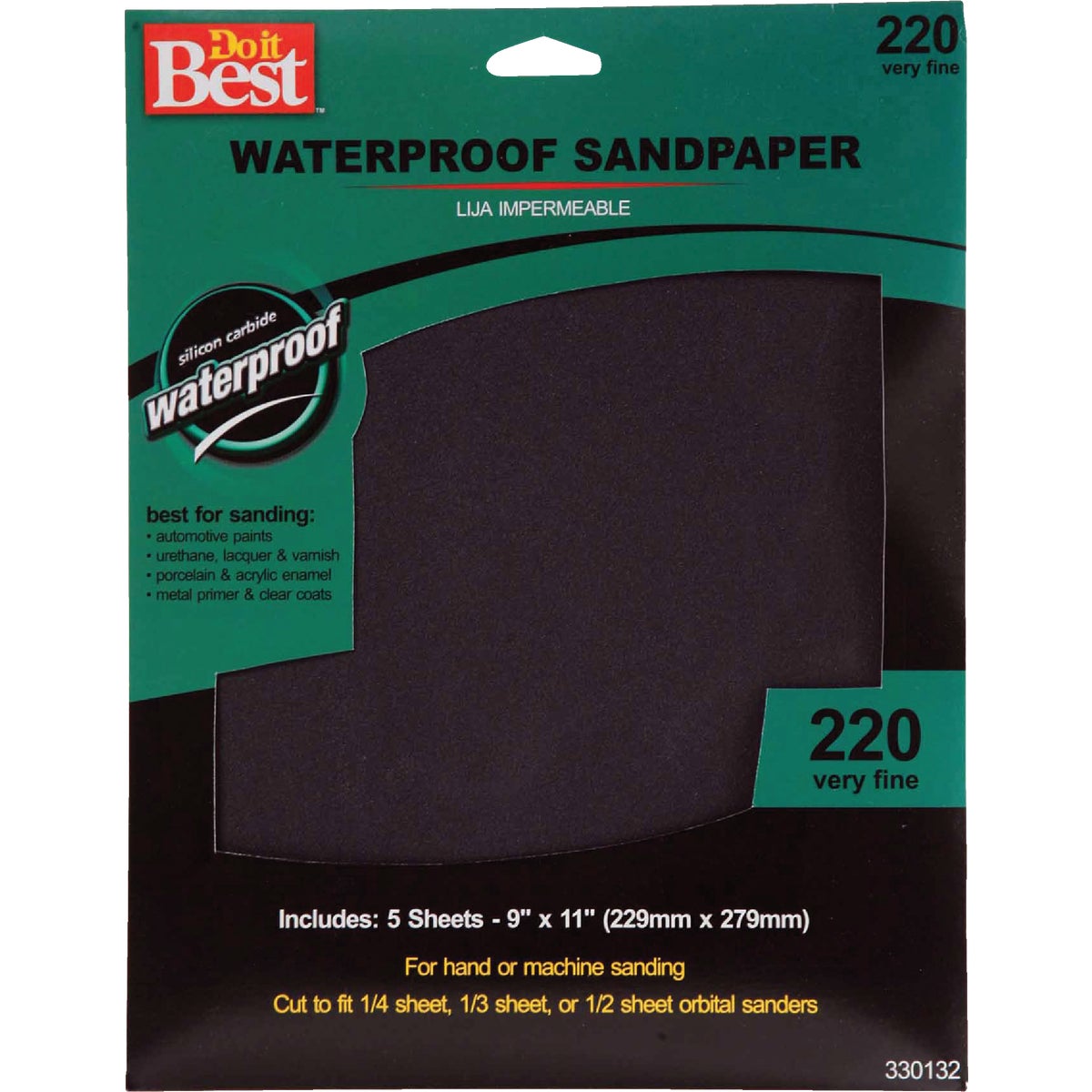
After the rust is off, work through wet sandpaper on a genuinely flat reference surface — a piece of float glass or a granite tile. Mark the sole with a marker, sand until the marker is gone everywhere, and work up through the grits. Keep the blade retracted but the plane assembled and tensioned as it would be in use, because the body flexes slightly under blade pressure. Finish with paste wax, which both protects it and makes it glide.
No — we do not sell vintage tools, antique cast iron, restoration tanks or electrolysis equipment. What we stock is the consumable side: chelating rust removers, cleansers, every grade of steel wool, wire wheels for drill and bench grinder, mineral spirits and denatured alcohol, boiled linseed oil, paste wax and the safety gear. If you bought the piece at a flea market, this is the aisle that brings it back.
Family Hardware carries the full list on this page at both stores. Cape Coral: 622 SE 47th Terrace — (239) 542-6365. Fort Myers: 13101 McGregor Blvd — (239) 933-1744. Open Mon–Sat 7 AM–6 PM and Sun 8 AM–3 PM. Order online for free in-store pickup, usually ready within 2 hours, or ship anywhere in the continental US with free shipping over $99.
Related Guides
These overlap with this list more than you would expect — often the same shopper, and frequently the same aisle.
Pick It Up Today in Cape Coral or Fort Myers
Order online for free in-store pickup — usually ready within 2 hours — or just come in. Prices shown are our everyday shelf prices at both stores; stock on any single item is on its product page.
622 SE 47th Terrace, Cape Coral, FL 33904
Mon–Sat 7 AM–6 PM | Sun 8 AM–3 PM
Departments, services and directions for our Cape Coral store →
13101 McGregor Blvd, Fort Myers, FL 33919
Mon–Sat 7 AM–6 PM | Sun 8 AM–3 PM
Departments, services and directions for our Fort Myers store →
Free shipping on orders over $99 • Free in-store pickup • Online customer service: 877-755-2005
About Family Hardware
Store Locations
About Us
Hurricane Prep Guide
Hobby Supply Guides
Employment
Customer Service
Contact Us
Returns
Shipping & Tracking
Gift Card Balance
Rewards
Promotions
Credit Application
Tax Exempt Purchases
Terms of Service
Privacy Policy
Locations
Cape Coral
Fort Myers
All Store Locations
Grills
Grill Store — All Grills
Alfa Pizza Ovens
Big Green Egg
Napoleon
Challenger Designs
Delta Heat
Tagwood BBQ
Twin Eagles
Replacement Parts
Warranty
Services
All Services
Saw Blade Sharpening
Saw Blade Shop
Key Cutting
Screen Repair
Propane Exchange
Lamp Repair
Key Fob Batteries
Freud
Lamello P-System
Popular Tools Saw Blades
Diablo
Tenryu
© 2026 Family Hardware. Family Hardware and the Family Hardware logo are registered trademarks of Family Hardware Corporation. All rights reserved.