
3D Printing Supplies at the Hardware Store
Everything a 3D printing hobbyist needs that isn't the printer — build-plate cleaner, print-removal tools, cutters, sanding and finishing supplies, glue, metric hex keys, filament storage and print-room safety gear. Most of it is the same product a hobby retailer sells at a markup with “3D printing” on the package.
Short answer
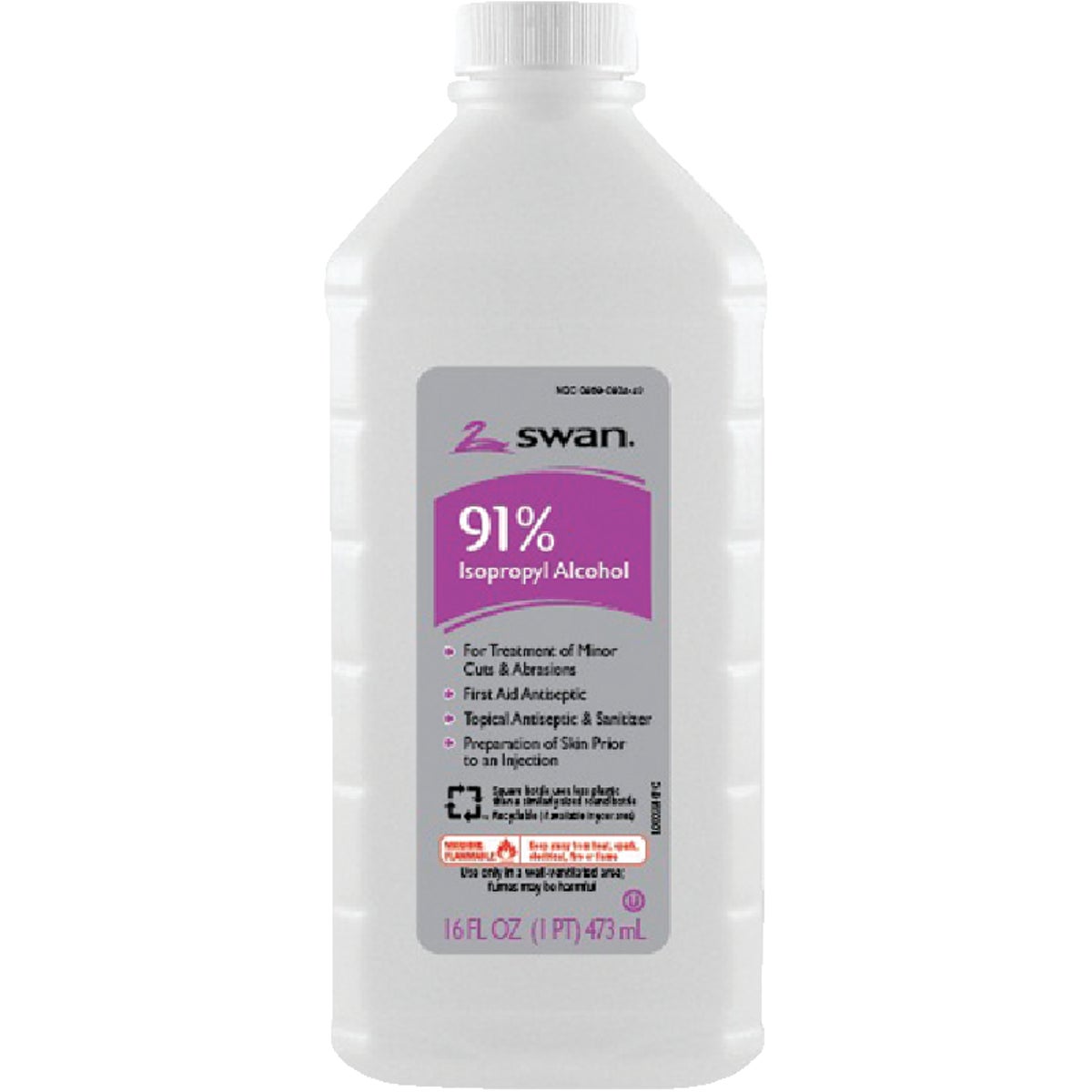
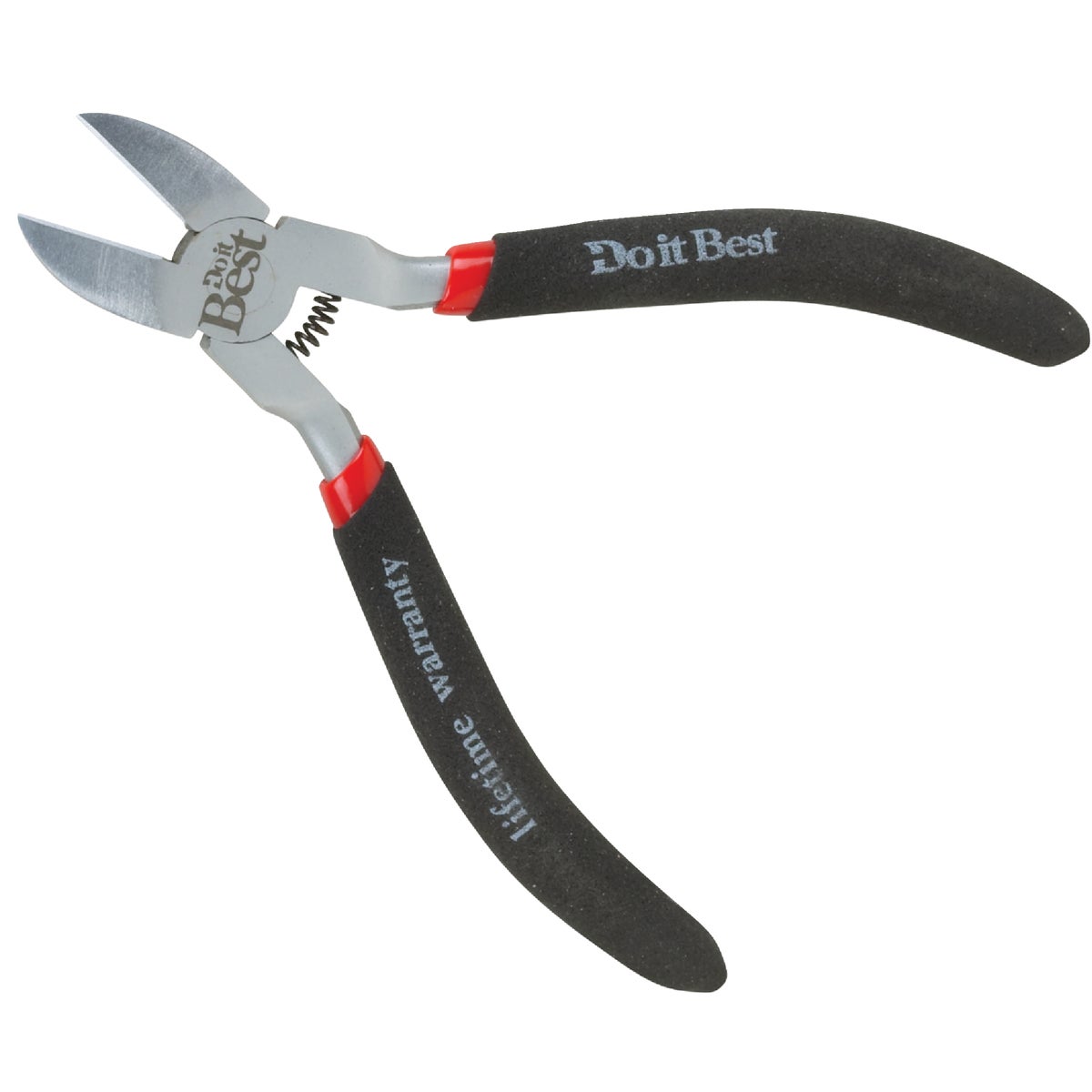
A hardware store cannot sell you a printer or filament — we don't stock either, and we'd rather say so up front. What we do stock is the rest of the print room. The five things almost every new printer owner buys within a month are 91% isopropyl alcohol for the build plate, a thin plastic putty knife for popping prints loose, a small pair of flush-ish diagonal cutters for supports, super glue gel for multi-part prints, and a real metric hex key set to replace the soft ones in the printer's box. Add a fire extinguisher if the printer runs unattended. Everything below is grouped by the job it does, not the aisle it lives in.
The Print Room Starter Kit
If you just unboxed a printer, start here. These cover the plate, the parts coming off it, and the printer itself — and they solve the problems that make people give up in the first month. These 8 items run about $73.20 all in.
Build Plate Prep & Adhesion
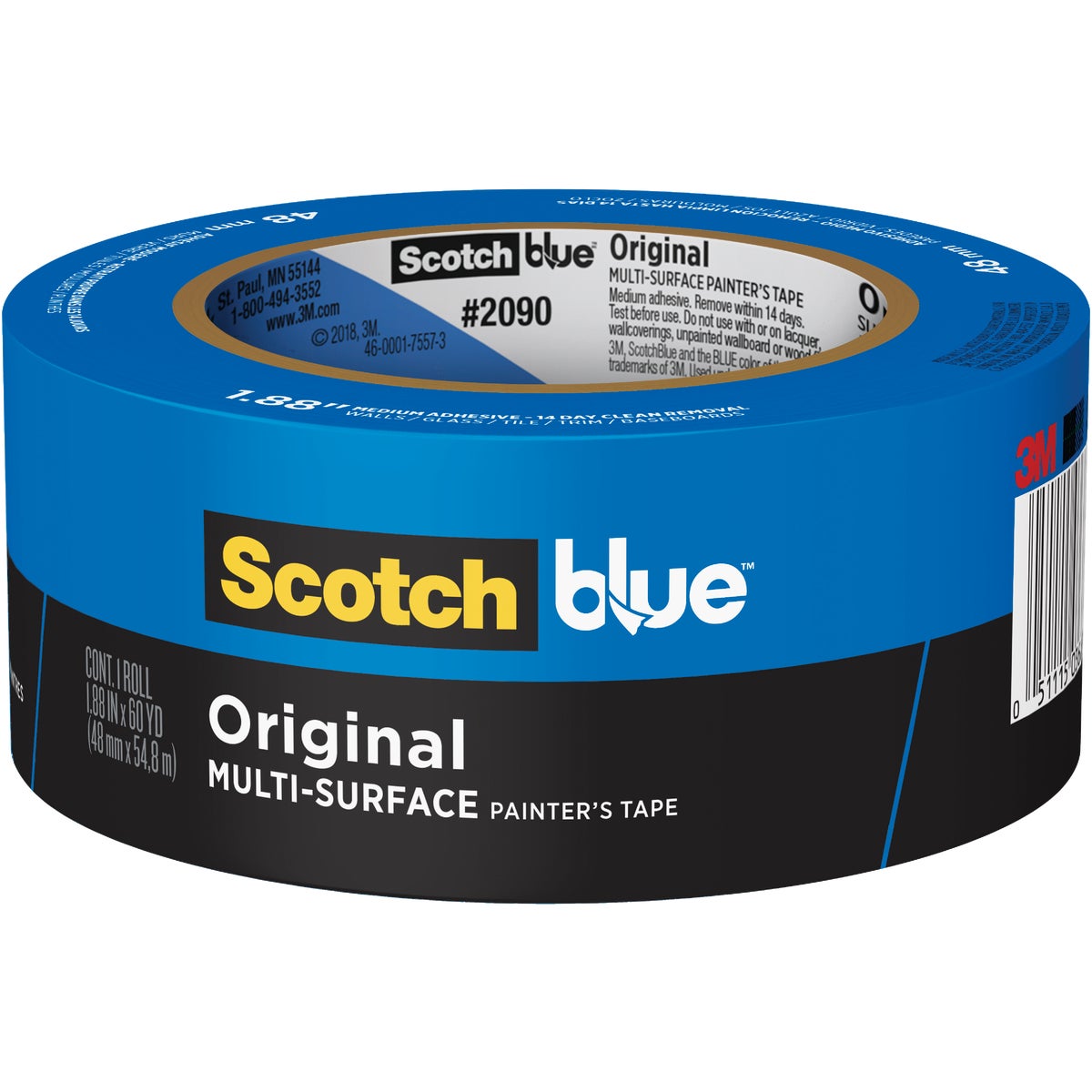
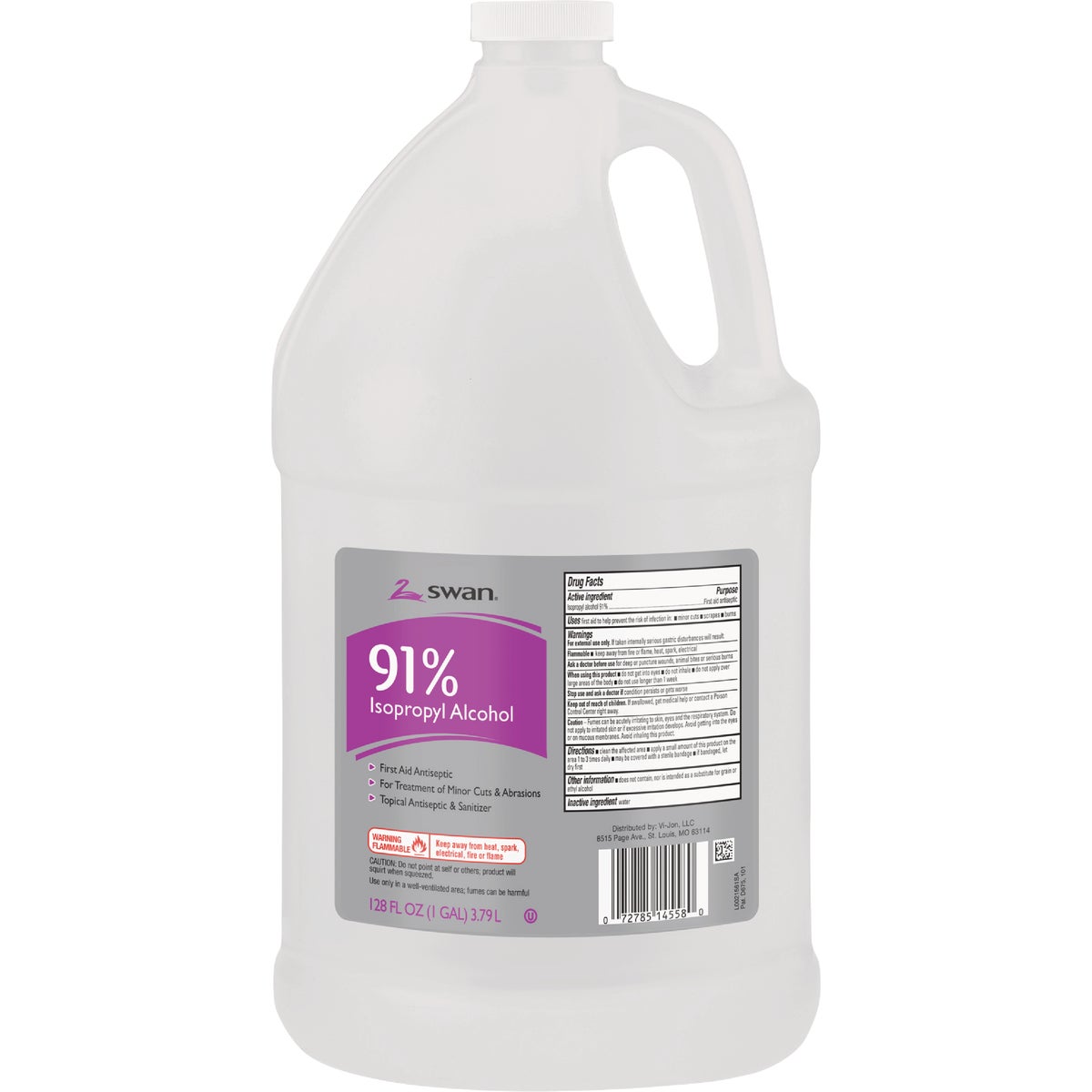
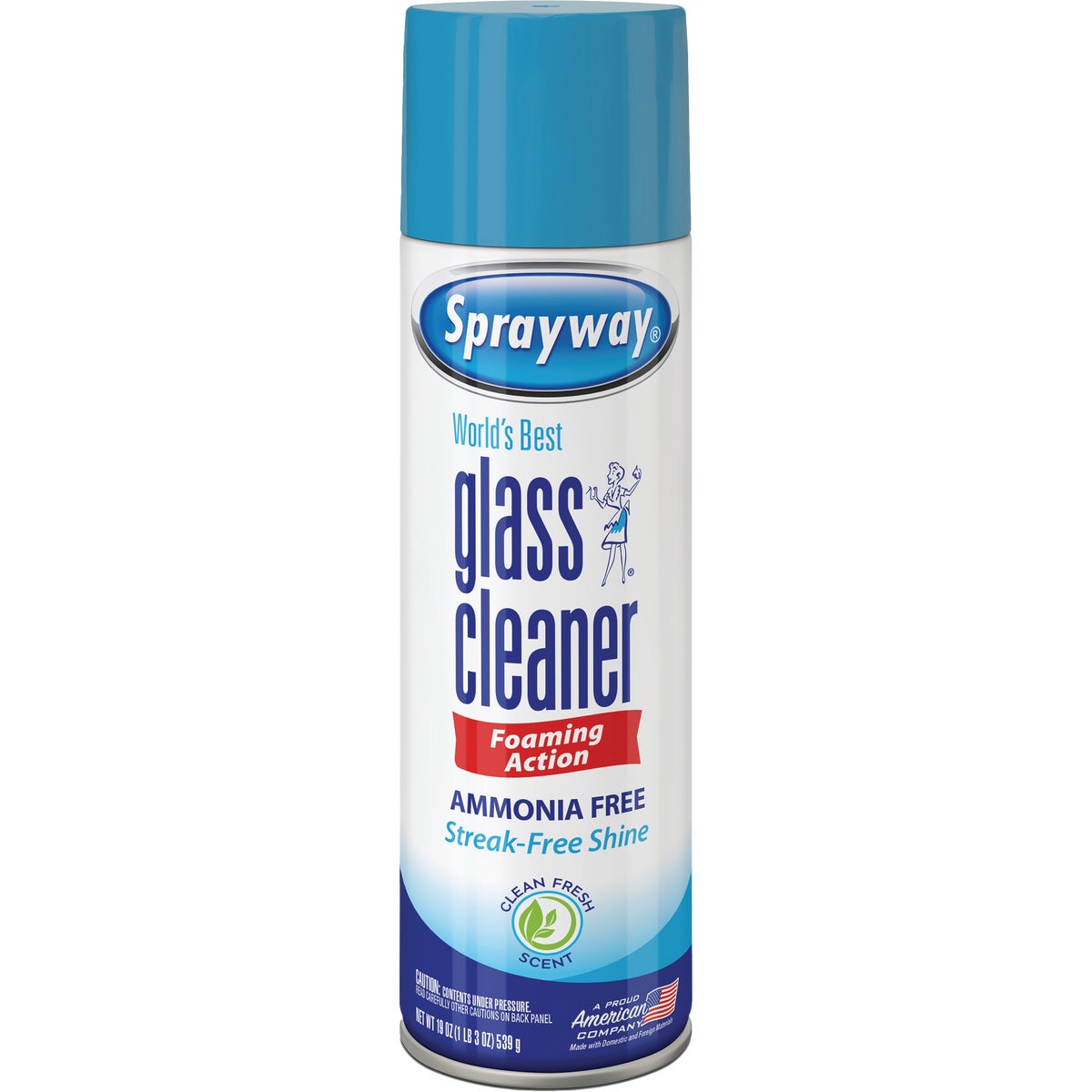
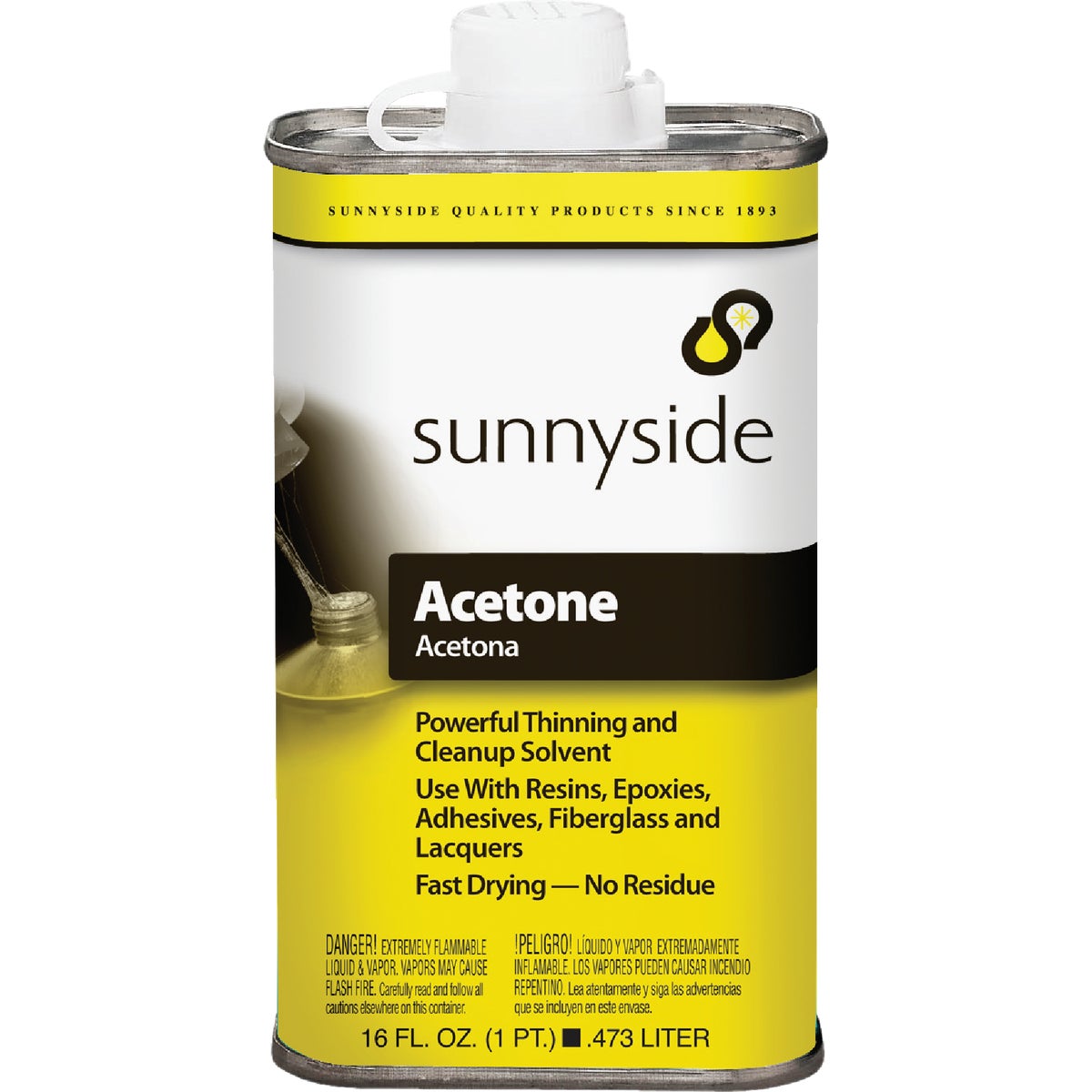
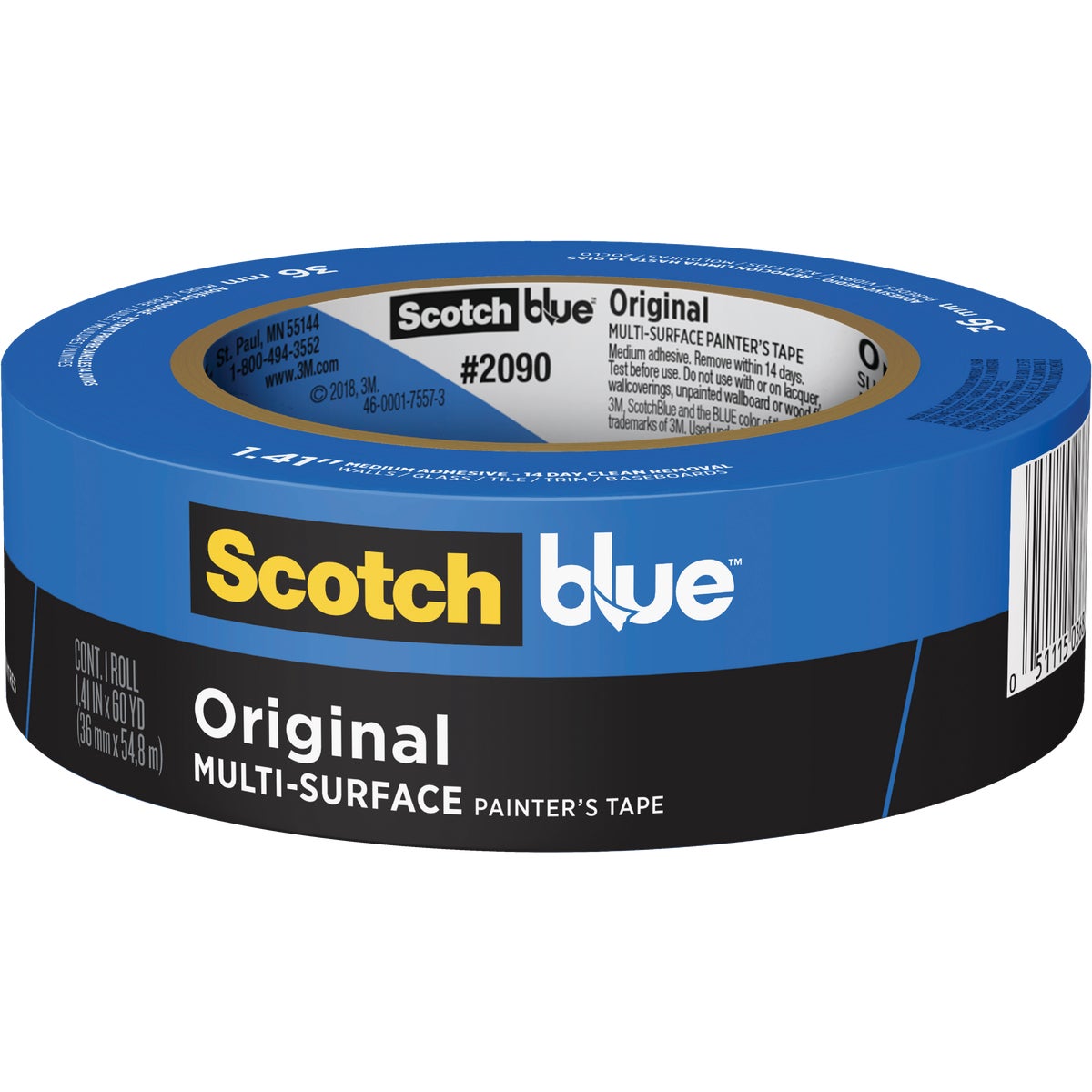
Almost every "my print won't stick" problem is a dirty plate, not a bad profile. Fingerprints leave oil, and oil is what releases a first layer. Alcohol between prints, a deeper clean when adhesion gets flaky, and tape when you want a surface the plate itself will not give you.
Getting Prints Off the Plate
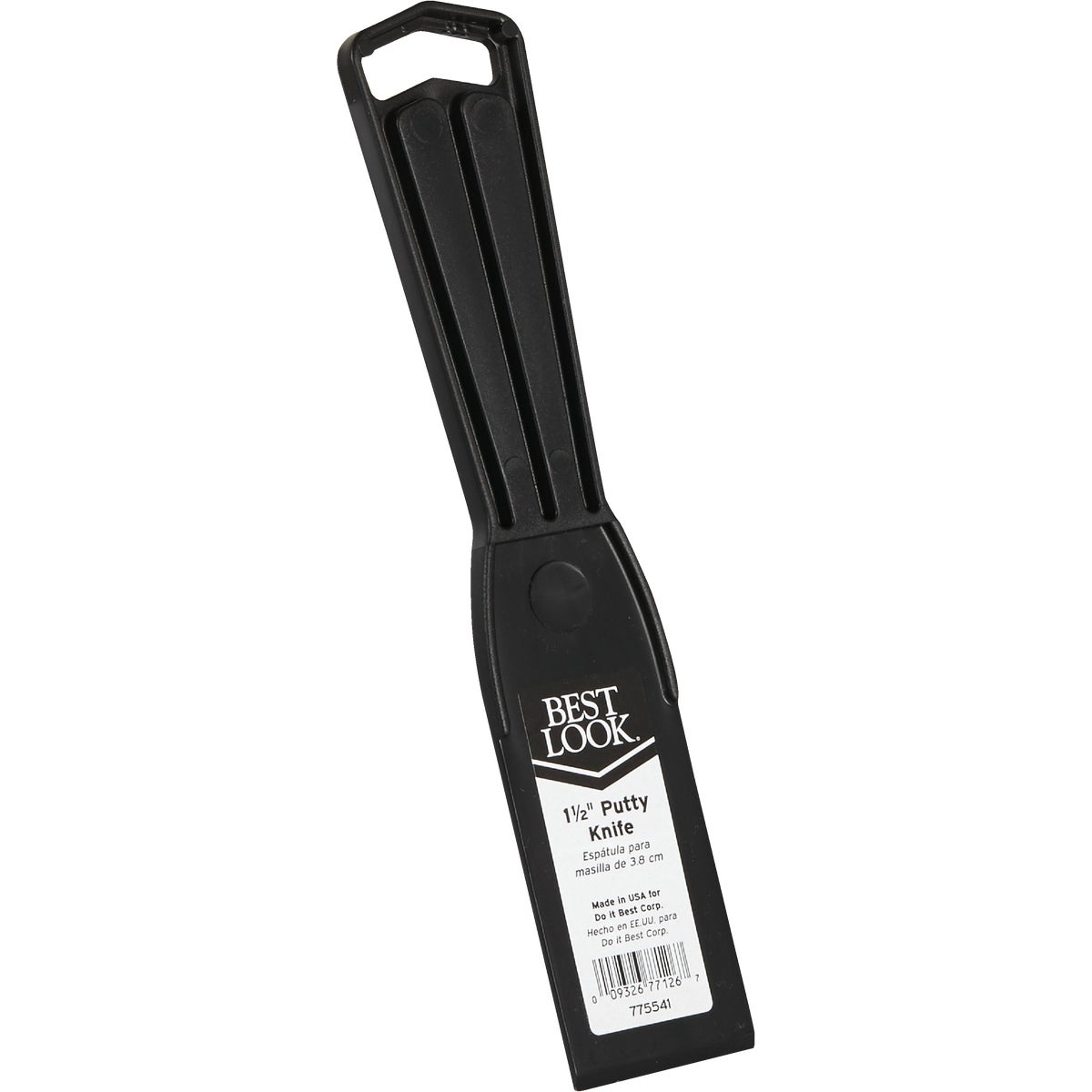
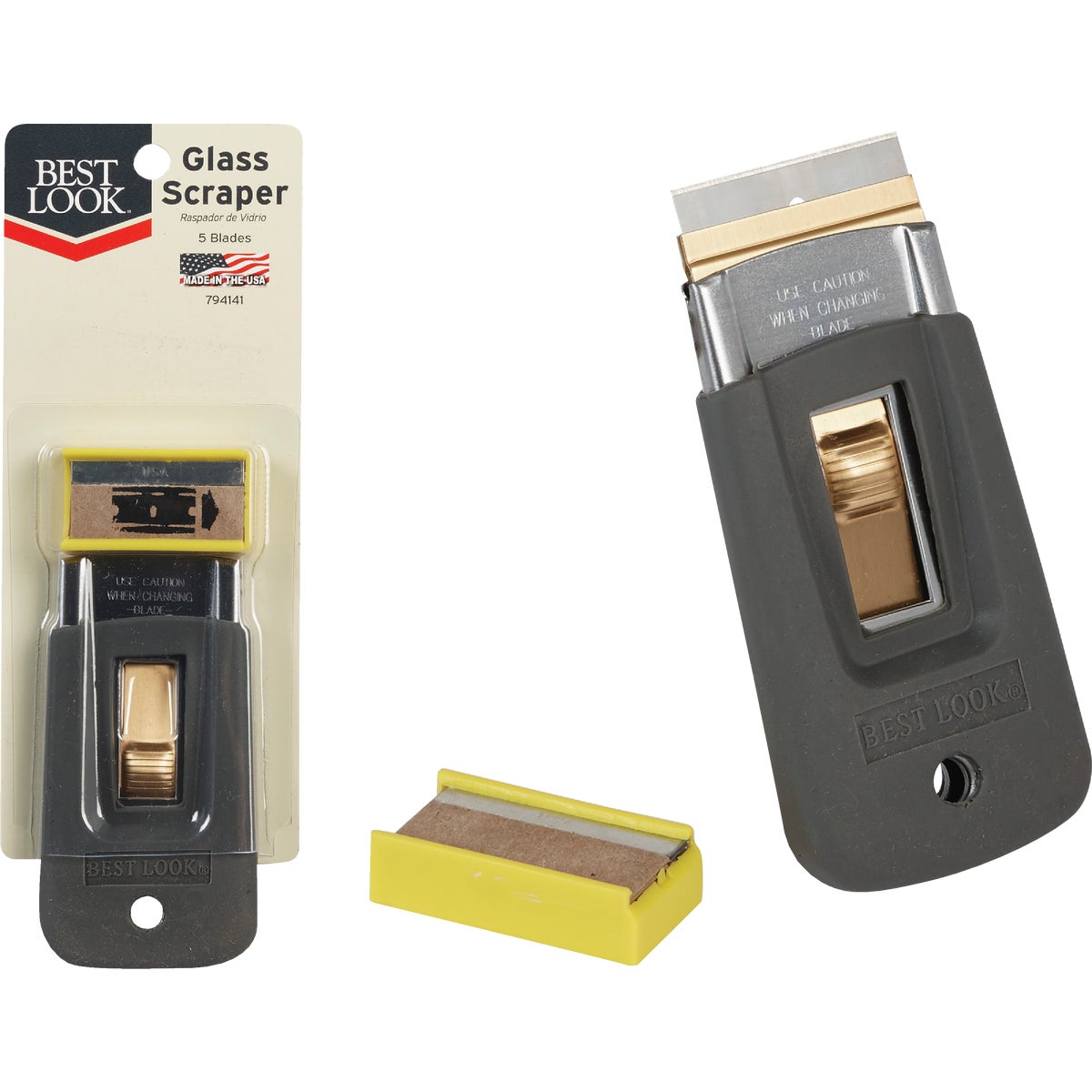
A flex plate handles most parts. For the wide, flat, stubborn ones — and for anyone still printing to glass or a fixed bed — a thin, springy blade you can slide under a corner beats prying with whatever is on the bench.
Support Removal & Cleanup
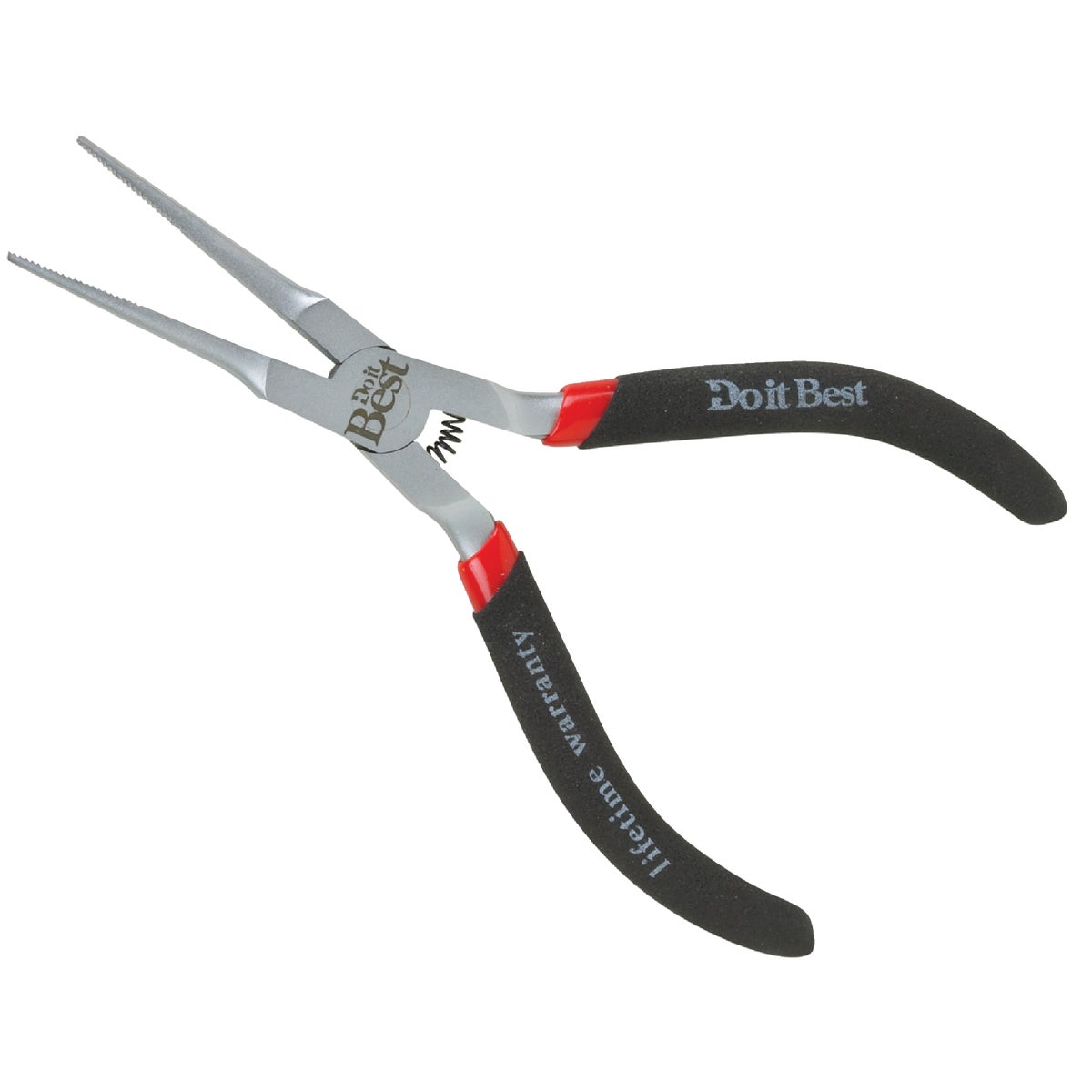
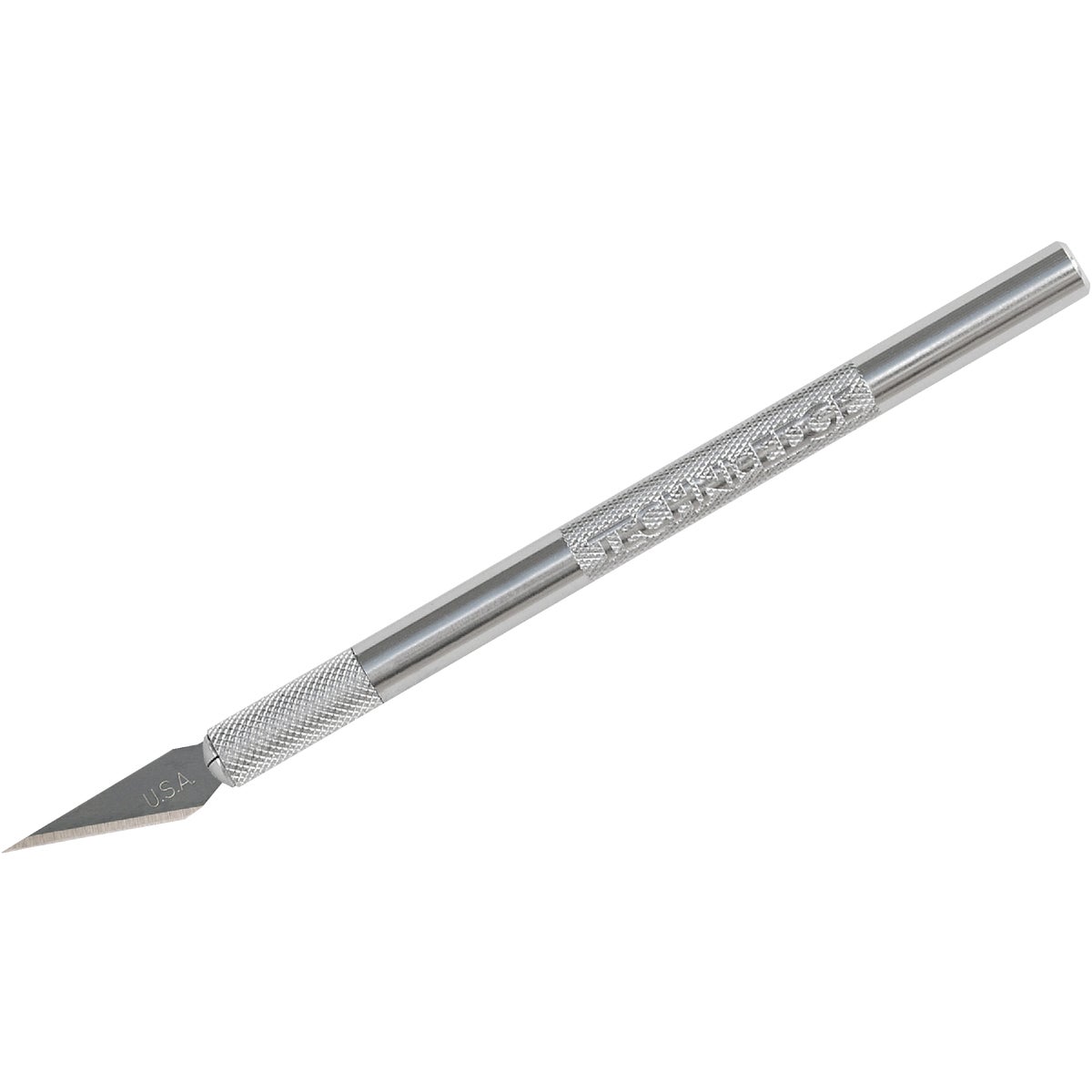
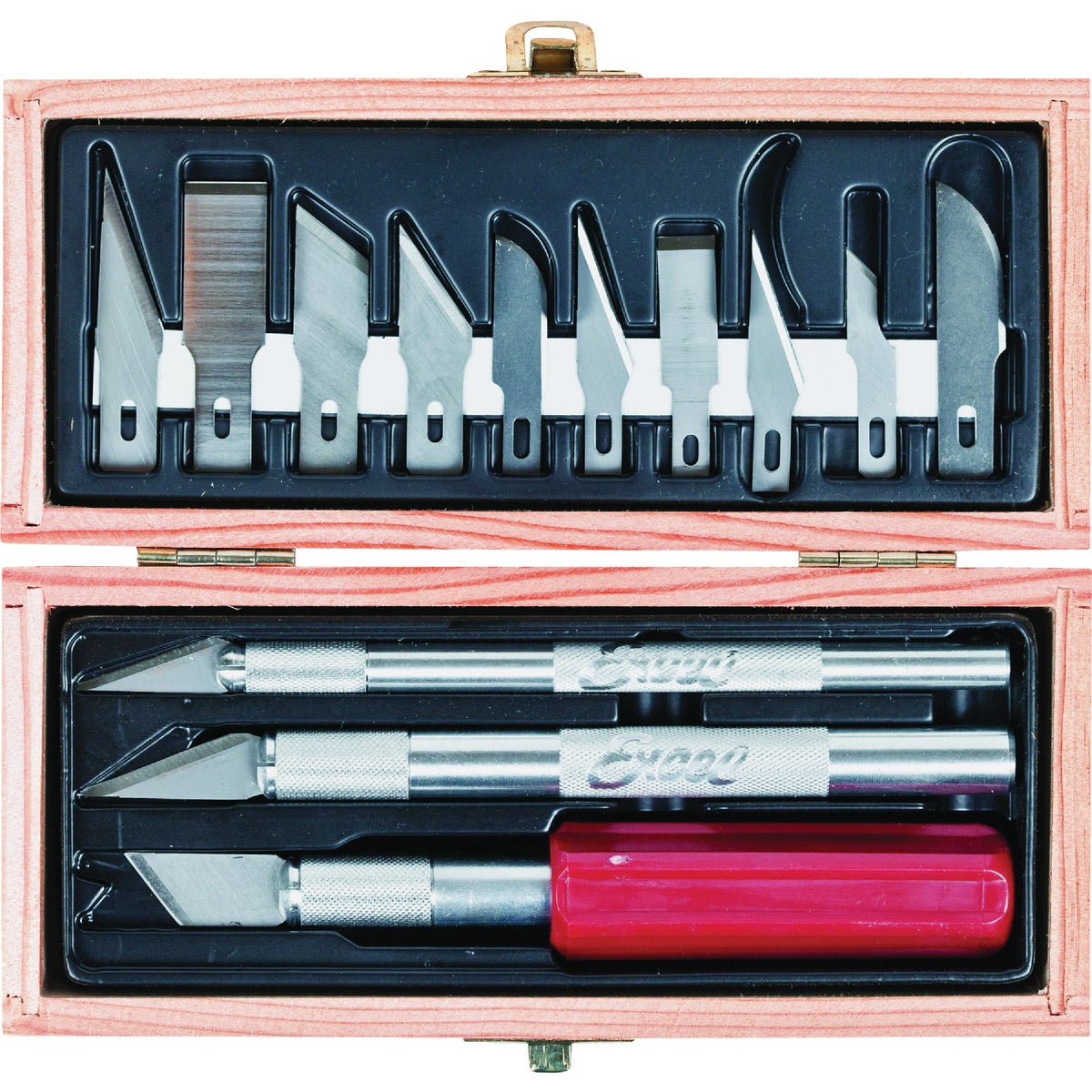
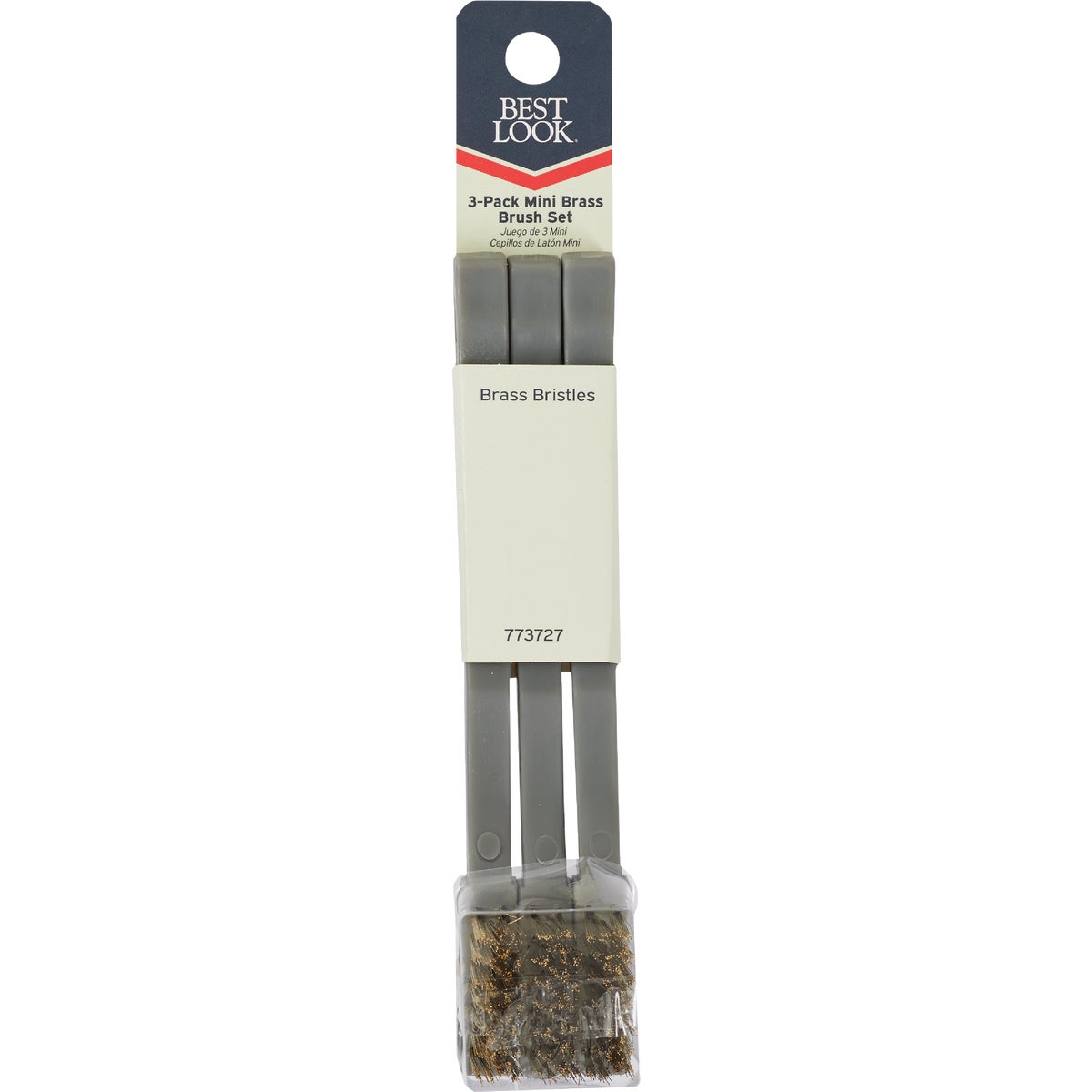
The five minutes after a print comes off decide how it looks. Cutters for the support interface, a fresh blade for elephant-foot and seams, files for holes that printed a hair undersized, and enough light to actually see the layer you are cutting.
Sanding, Filling & Painting
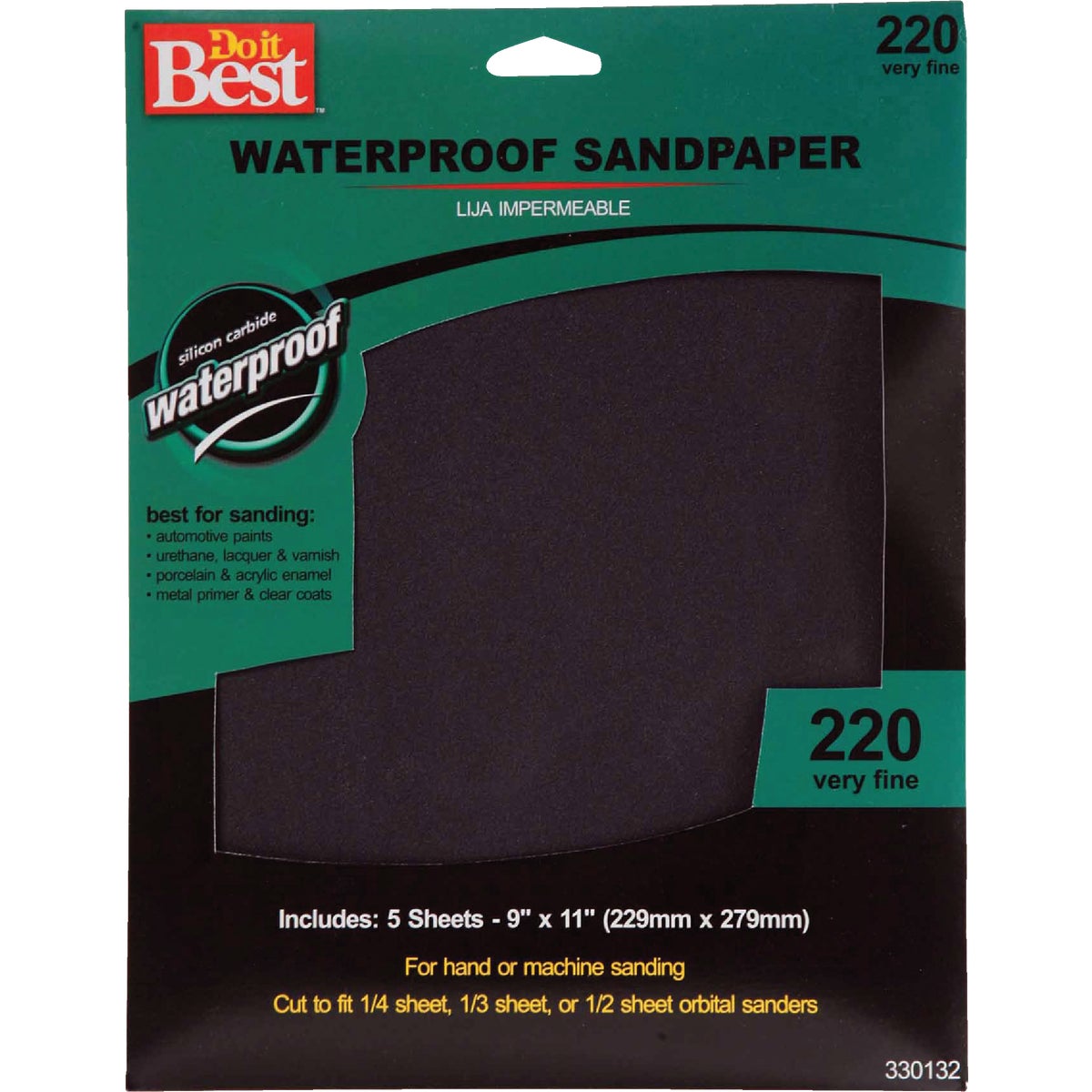
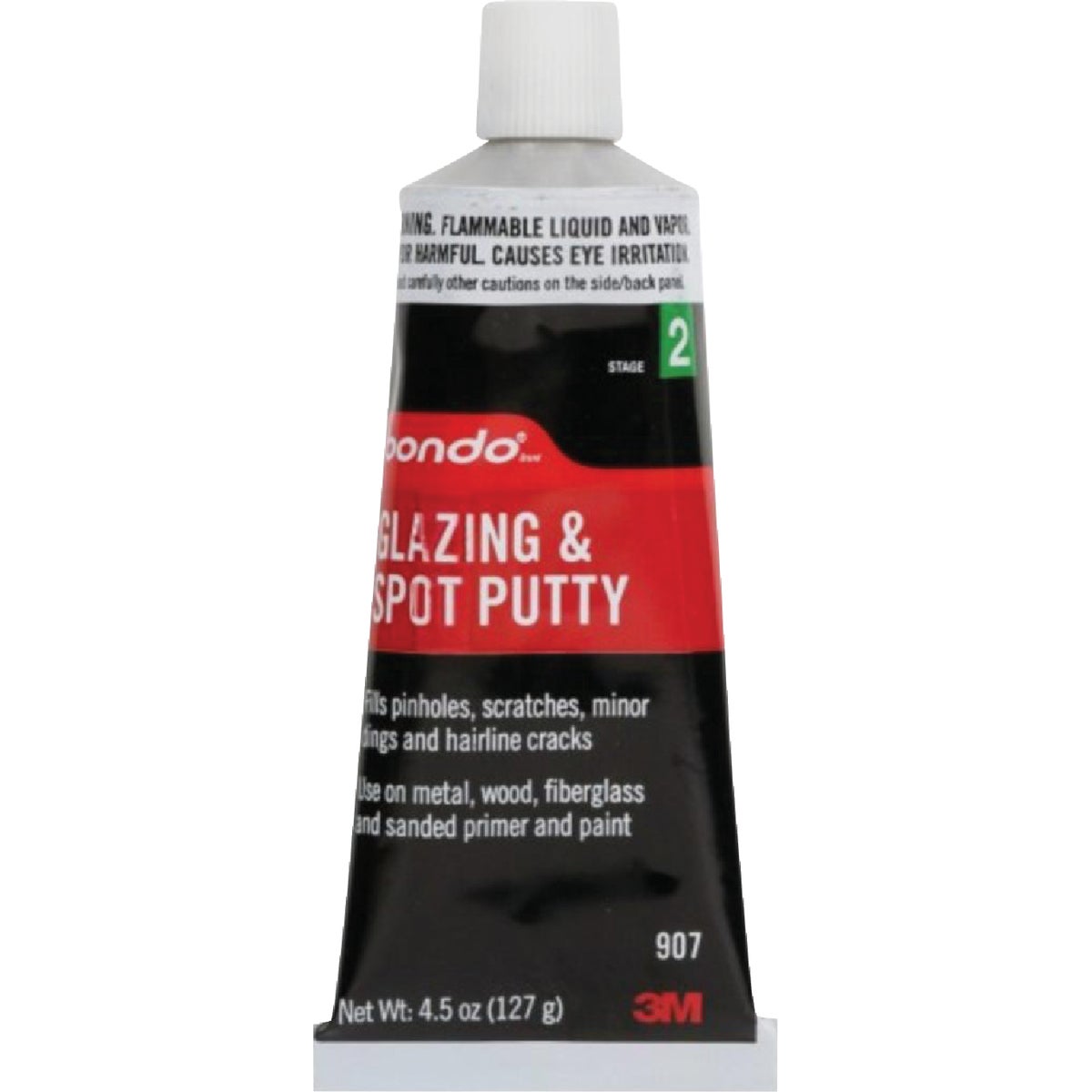
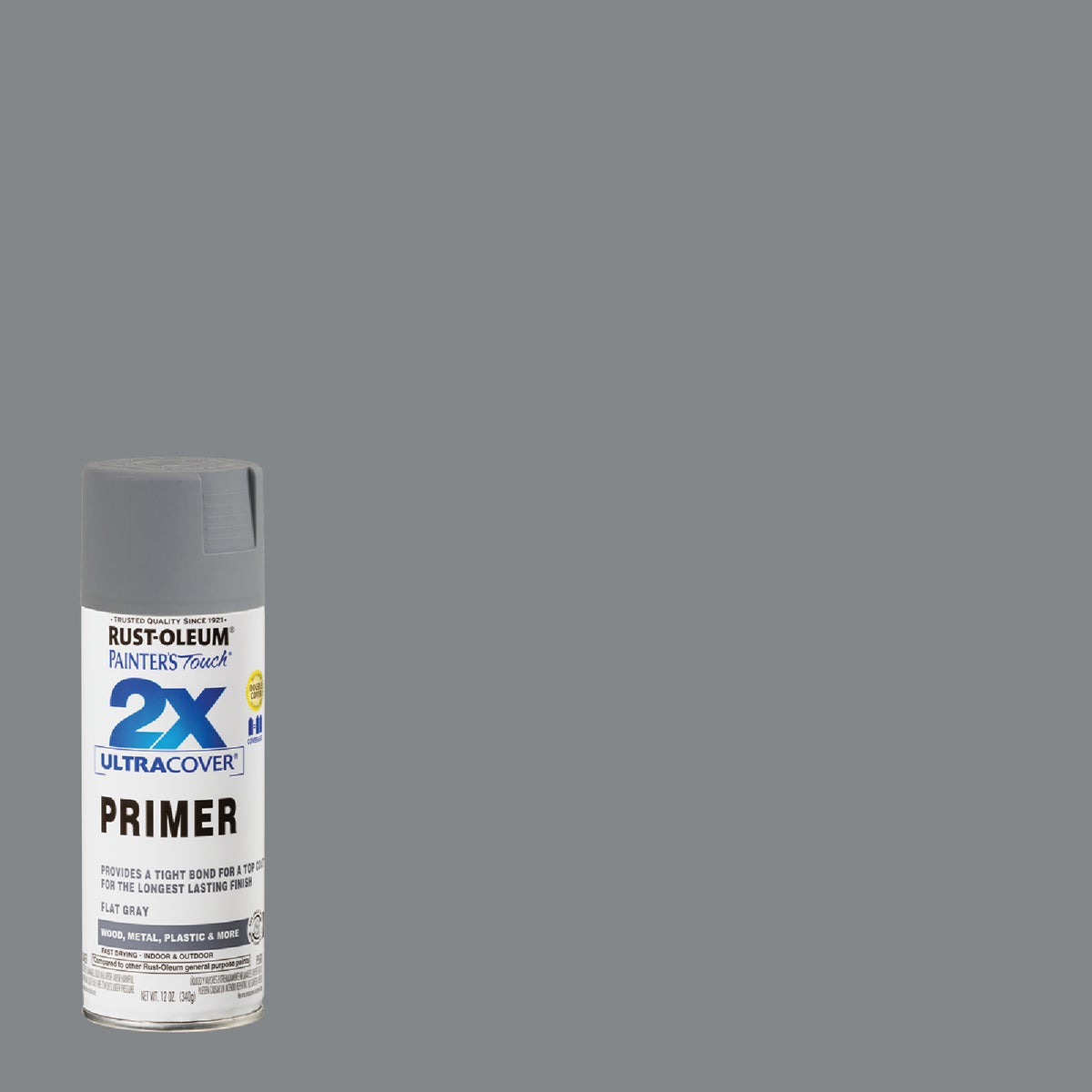
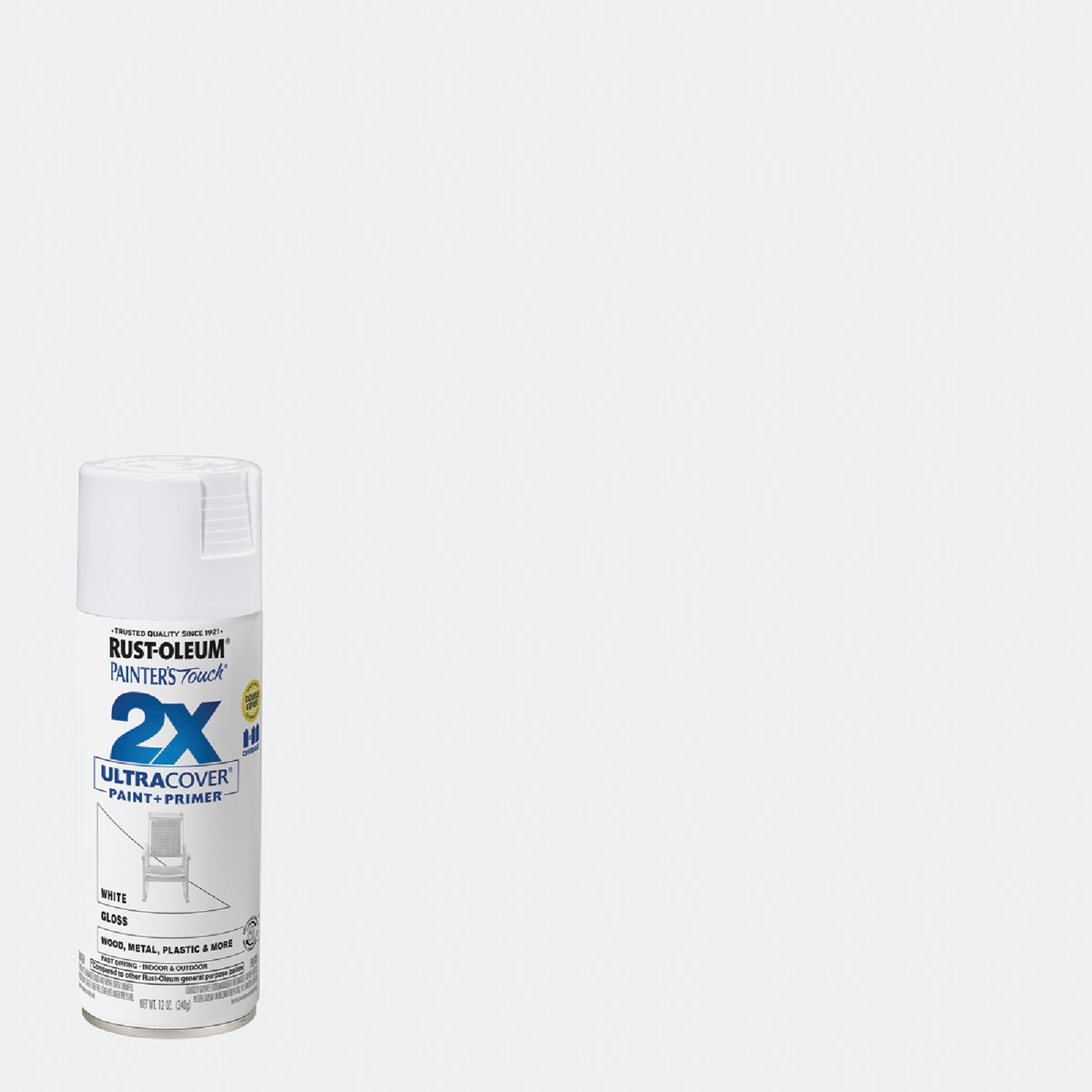
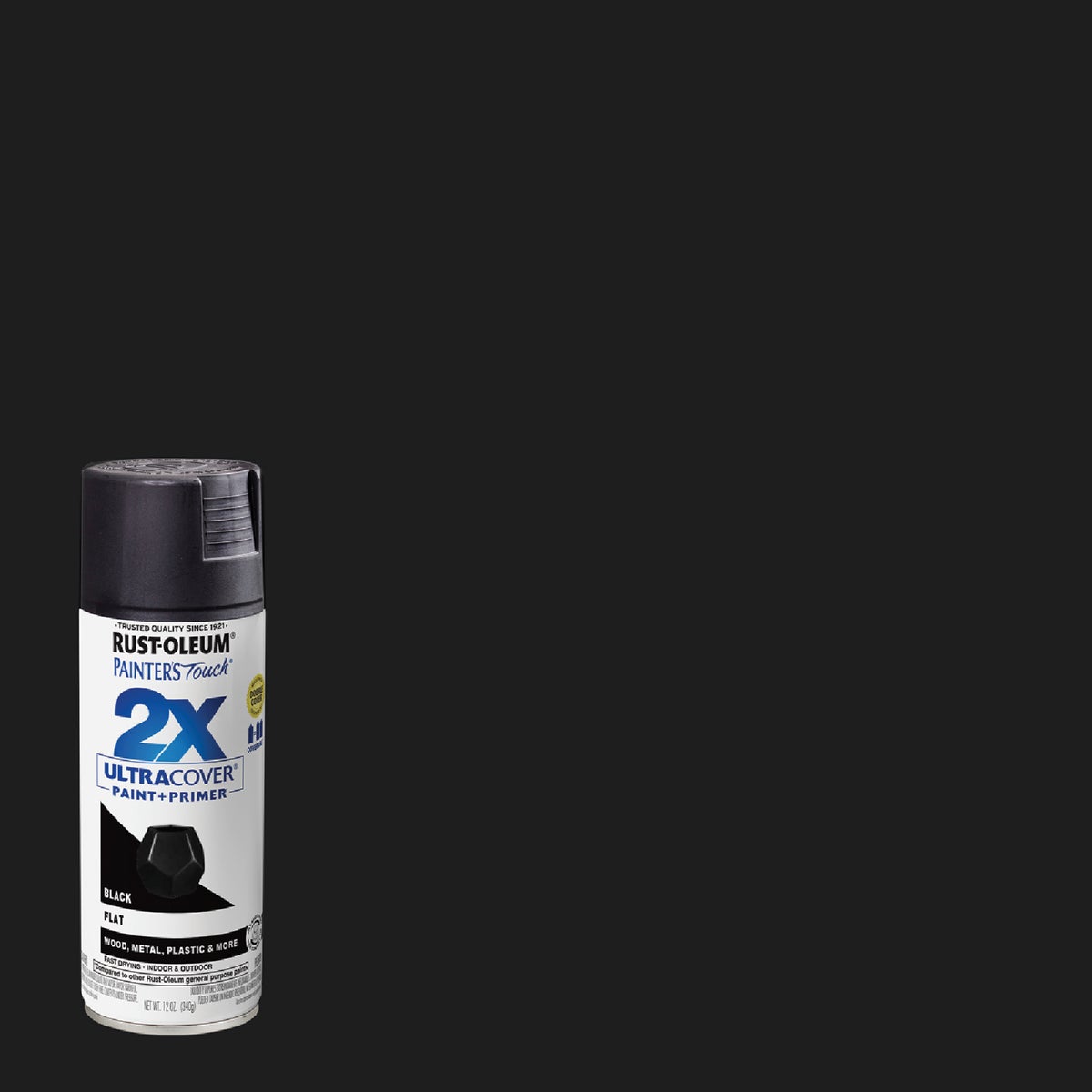
Layer lines do not sand out — they fill in. Knock the peaks down dry, fill the valleys with spot putty, prime to see what you missed, then wet sand and paint. This is a body-shop process, and a hardware store is exactly where the body-shop aisle lives.
Gluing & Assembly
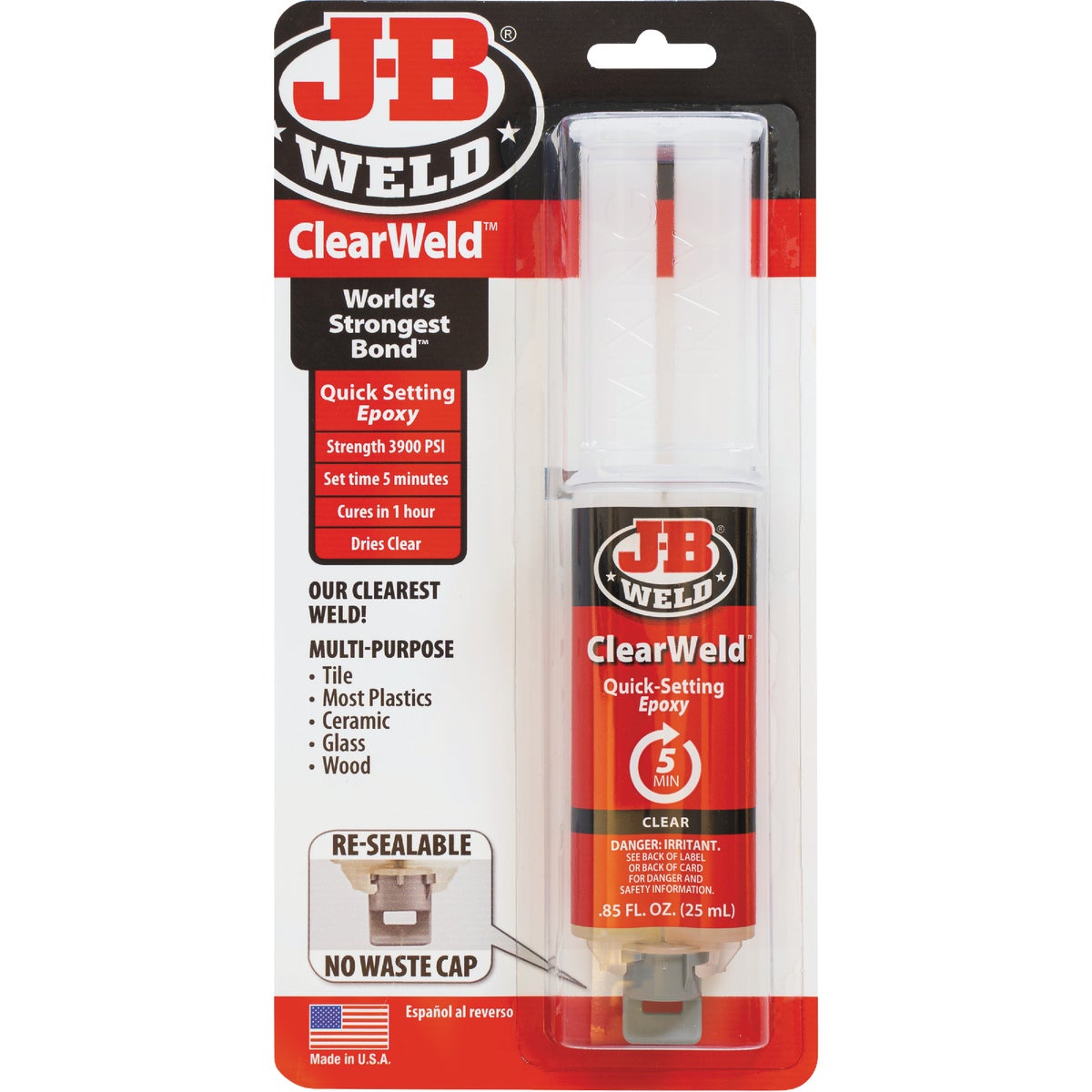
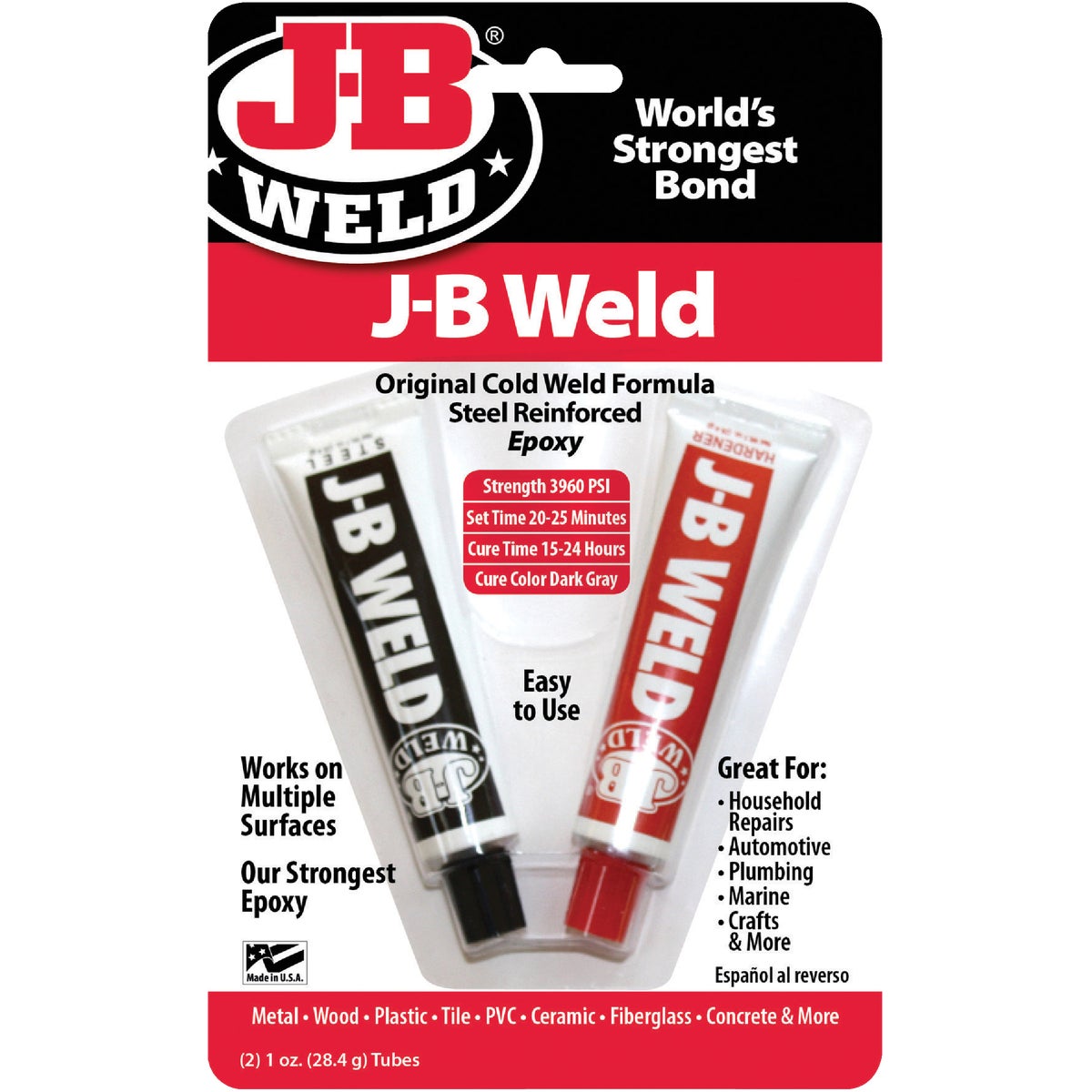
Multi-part prints, snapped supports, and anything bigger than the build volume all end at the same shelf. Cyanoacrylate gel for tight seams that need to set now, two-part epoxy for load-bearing joints and gap filling.
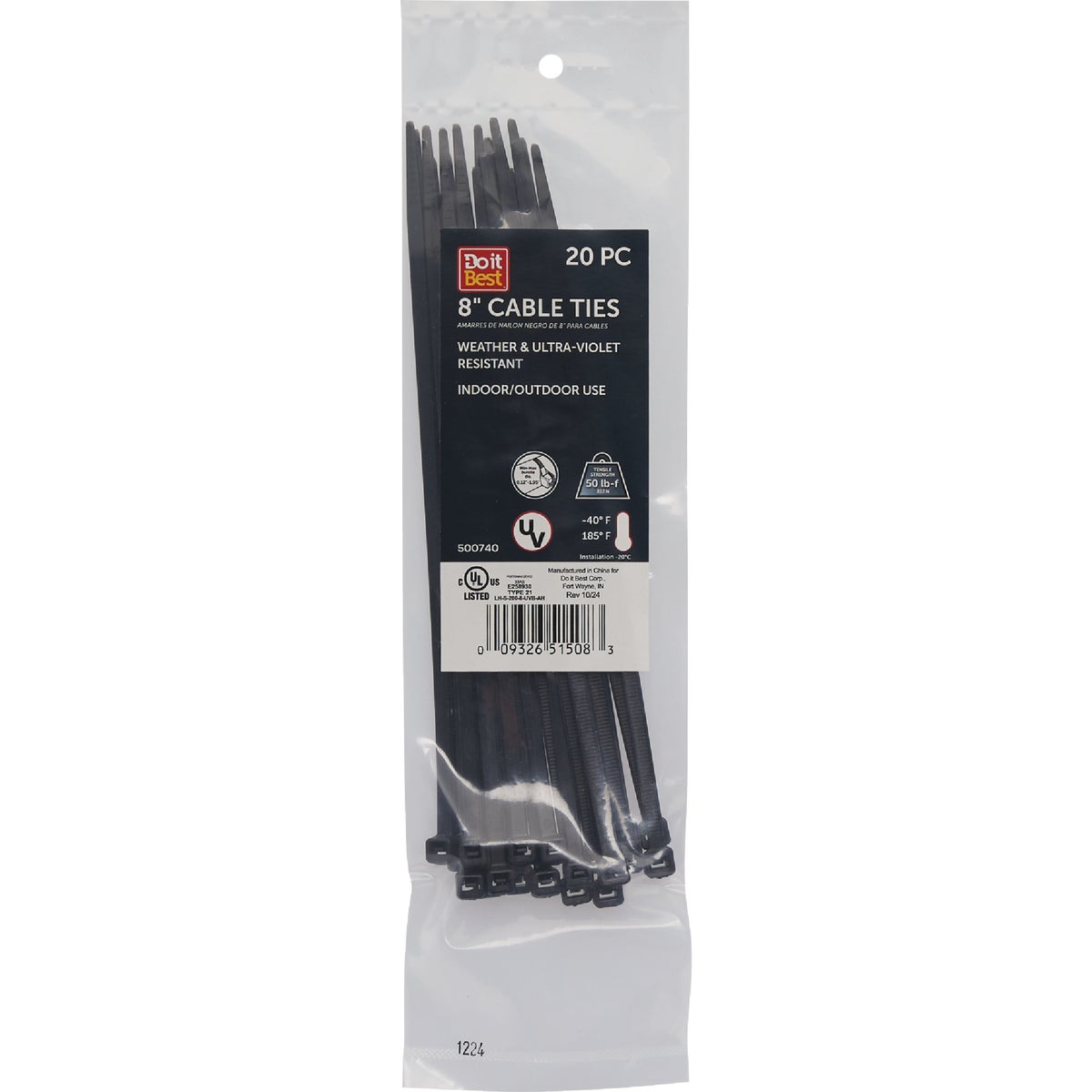
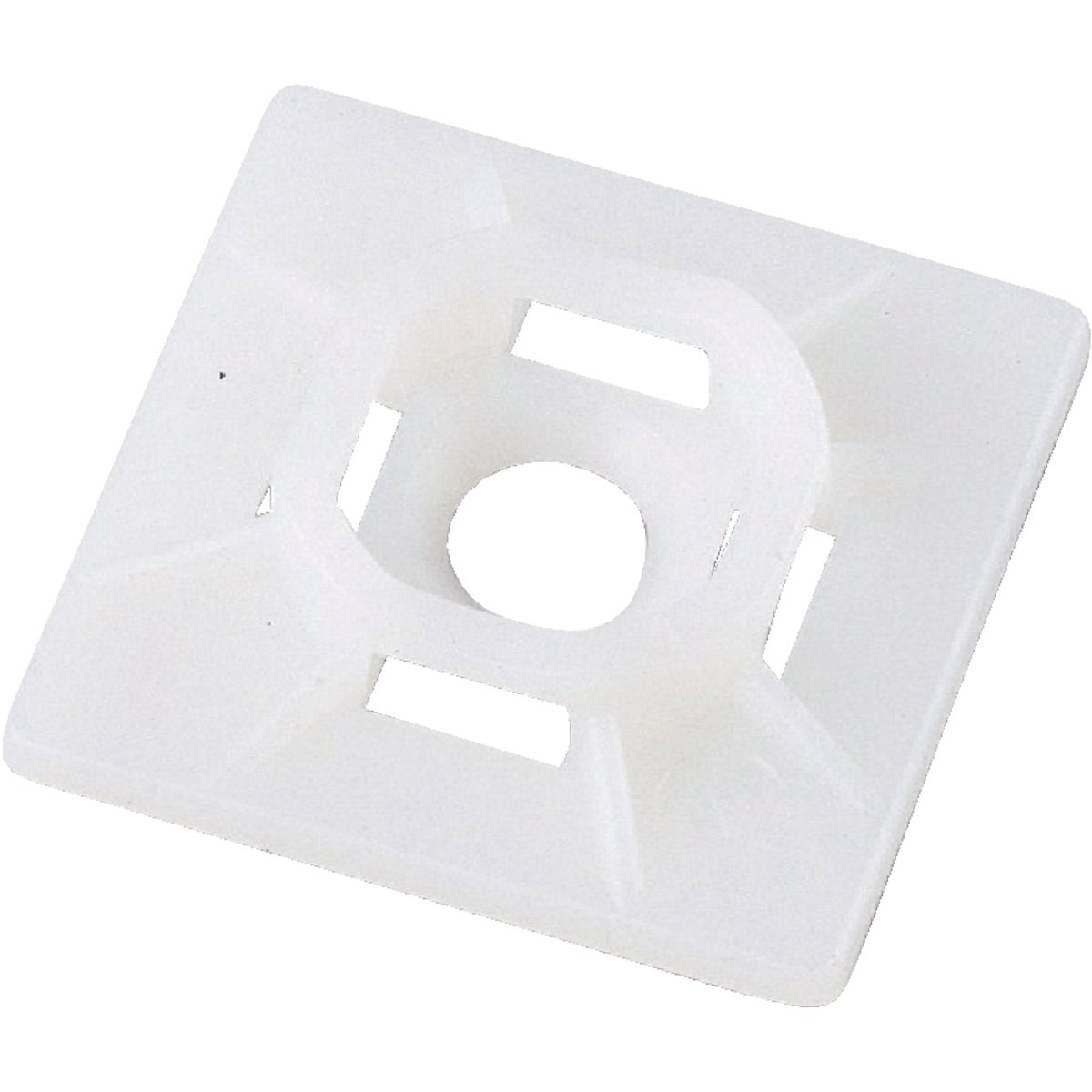
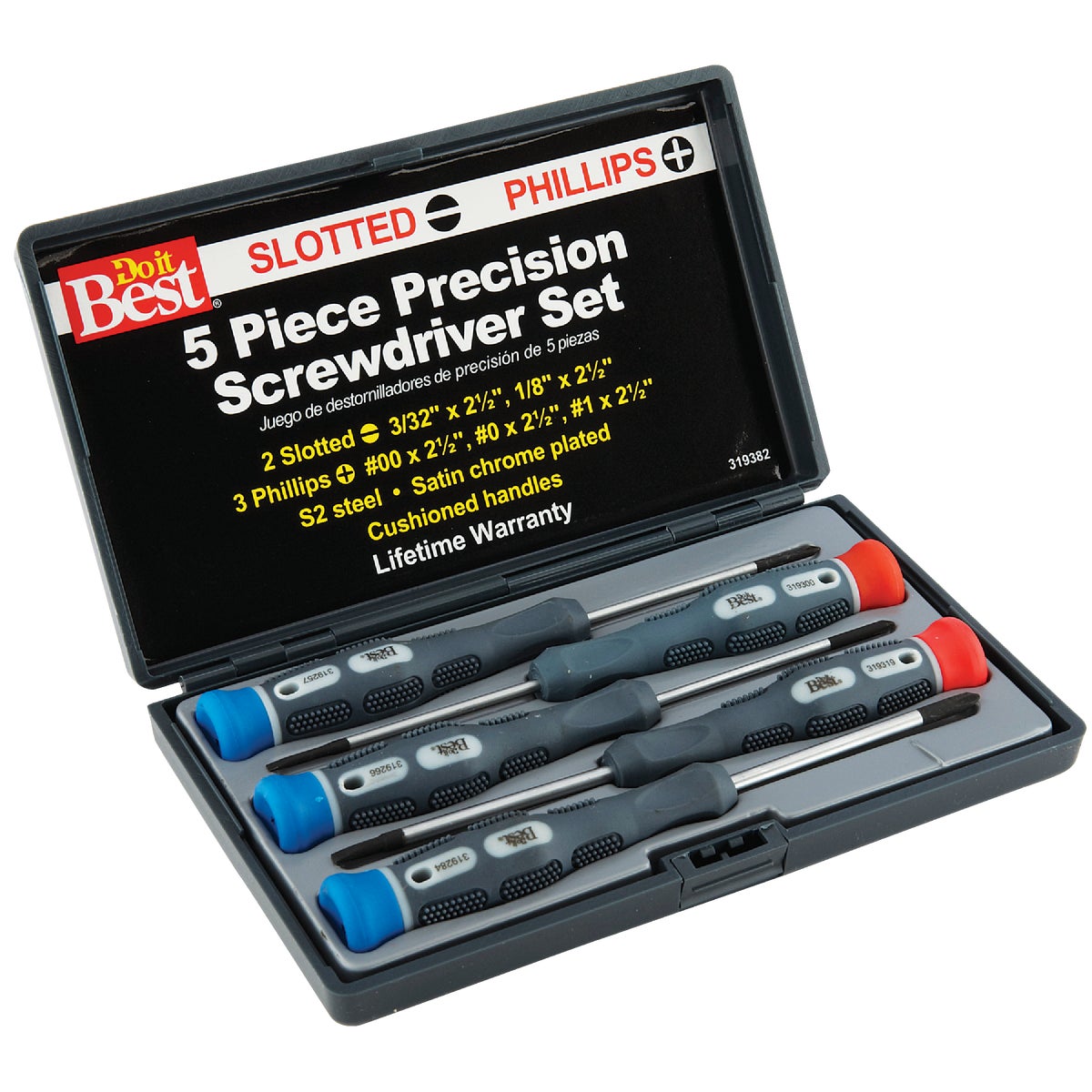
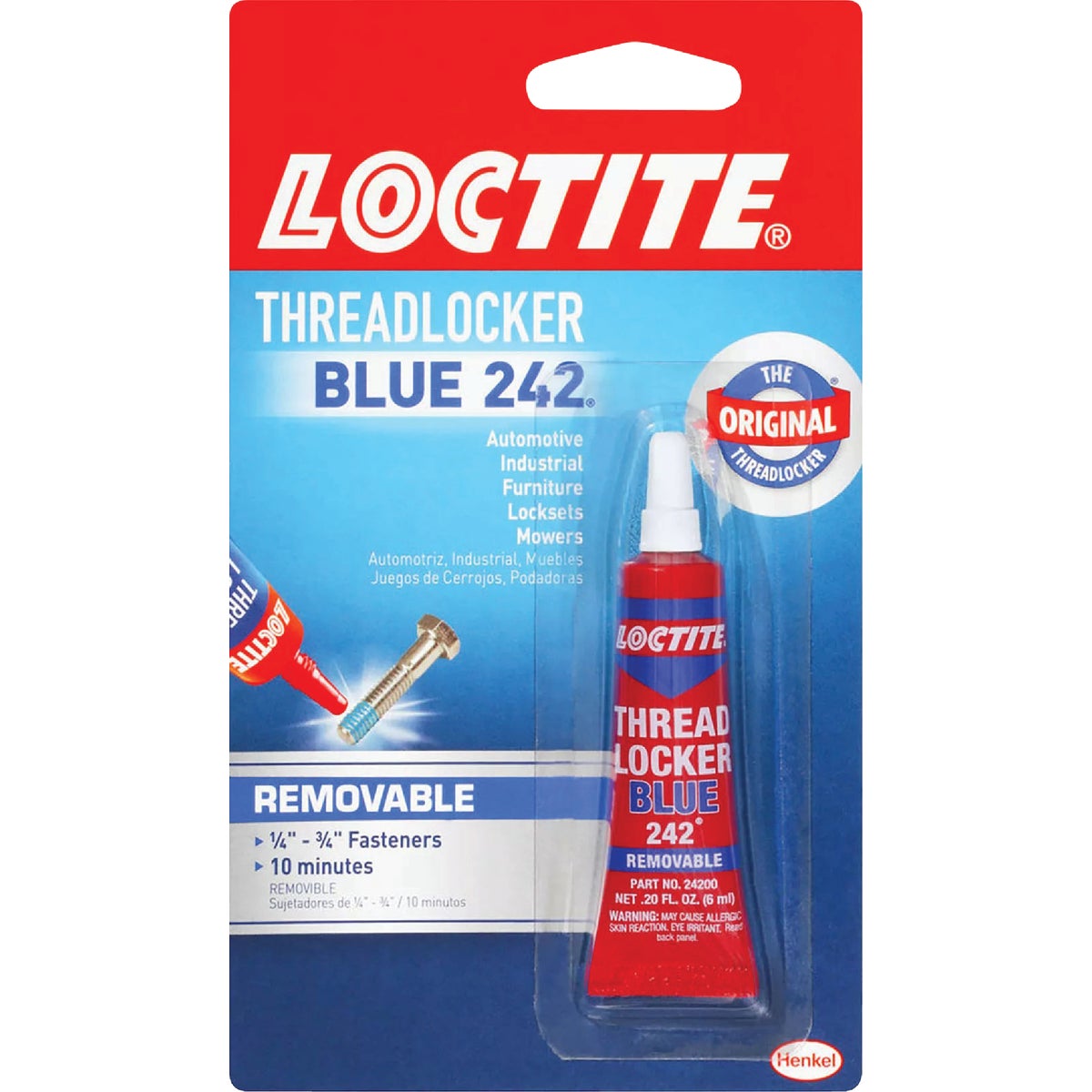
Printer Maintenance & Tuning
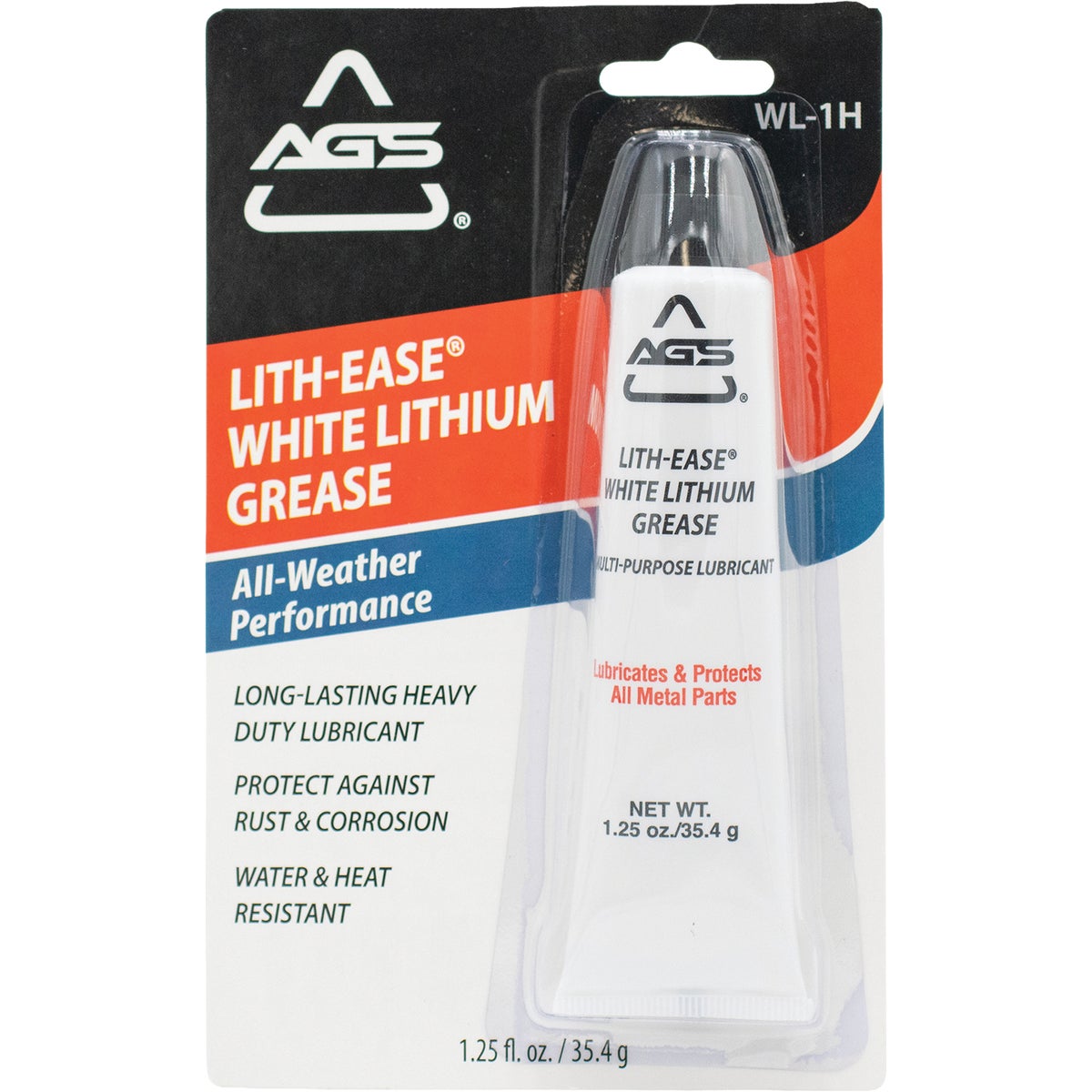
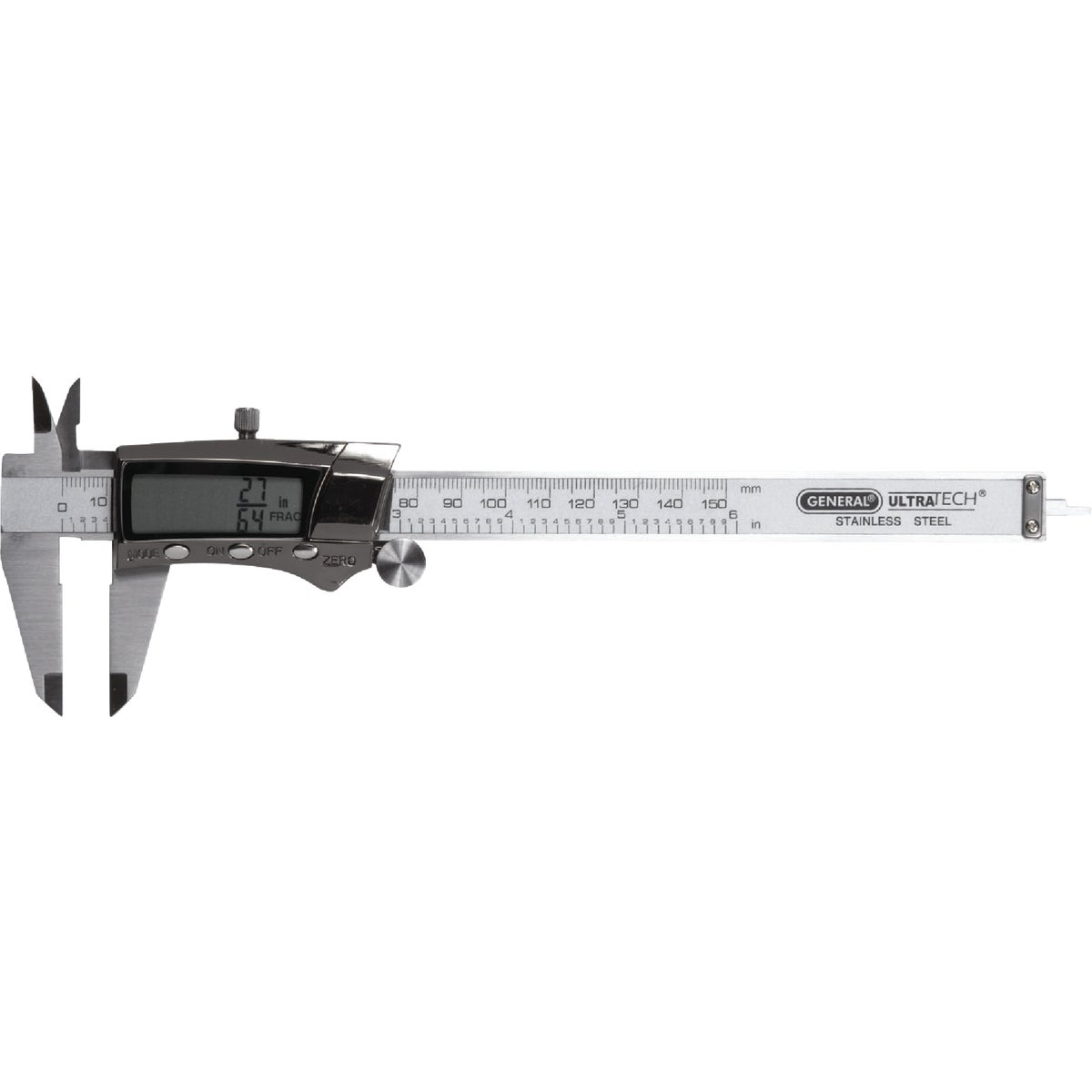
Printers are machines that vibrate for 40 hours at a stretch. Bolts back out, lead screws dry up, and the hex keys in the box are soft enough to round out on the second belt tension. This is the shelf that keeps a printer printing.
Filament Storage & Drying
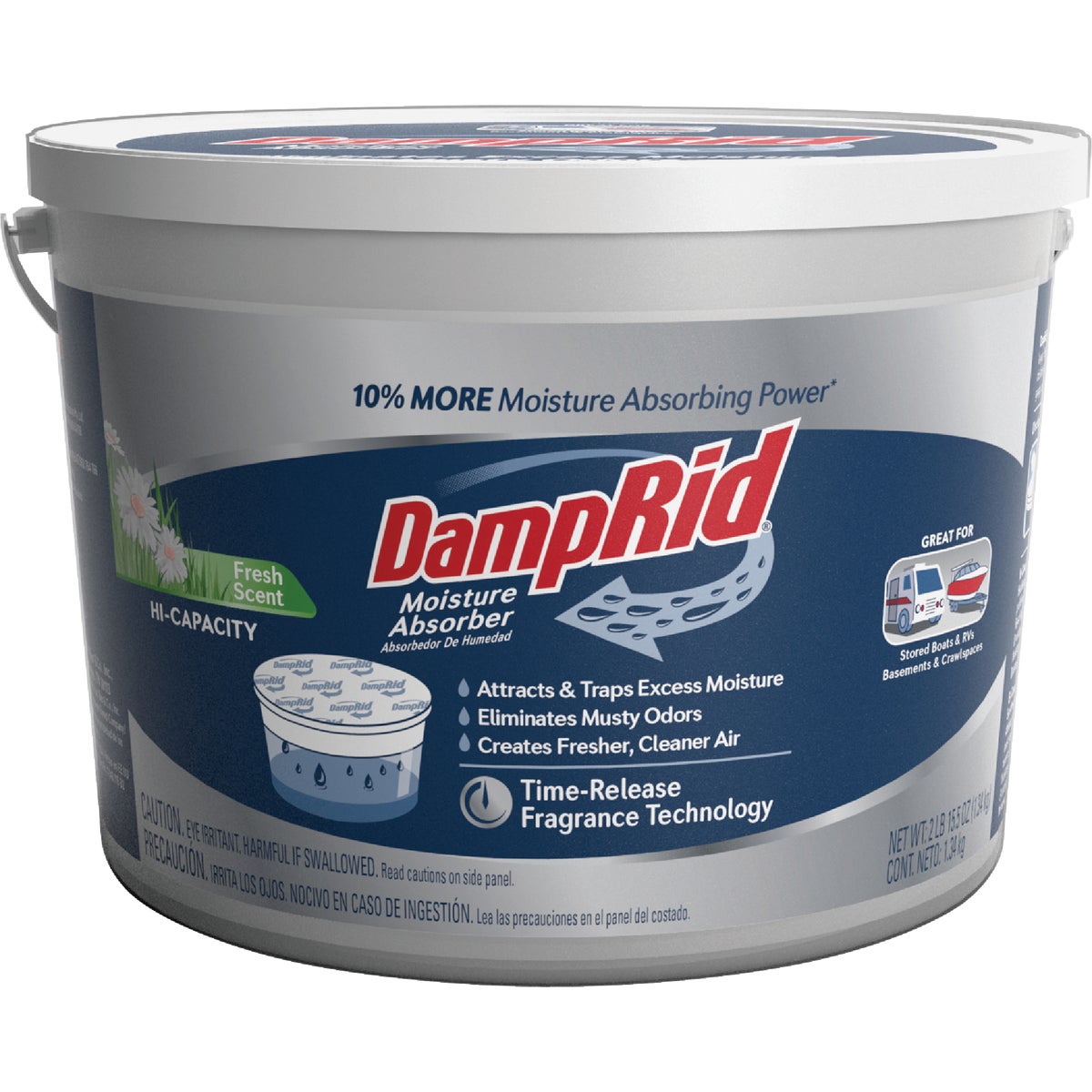
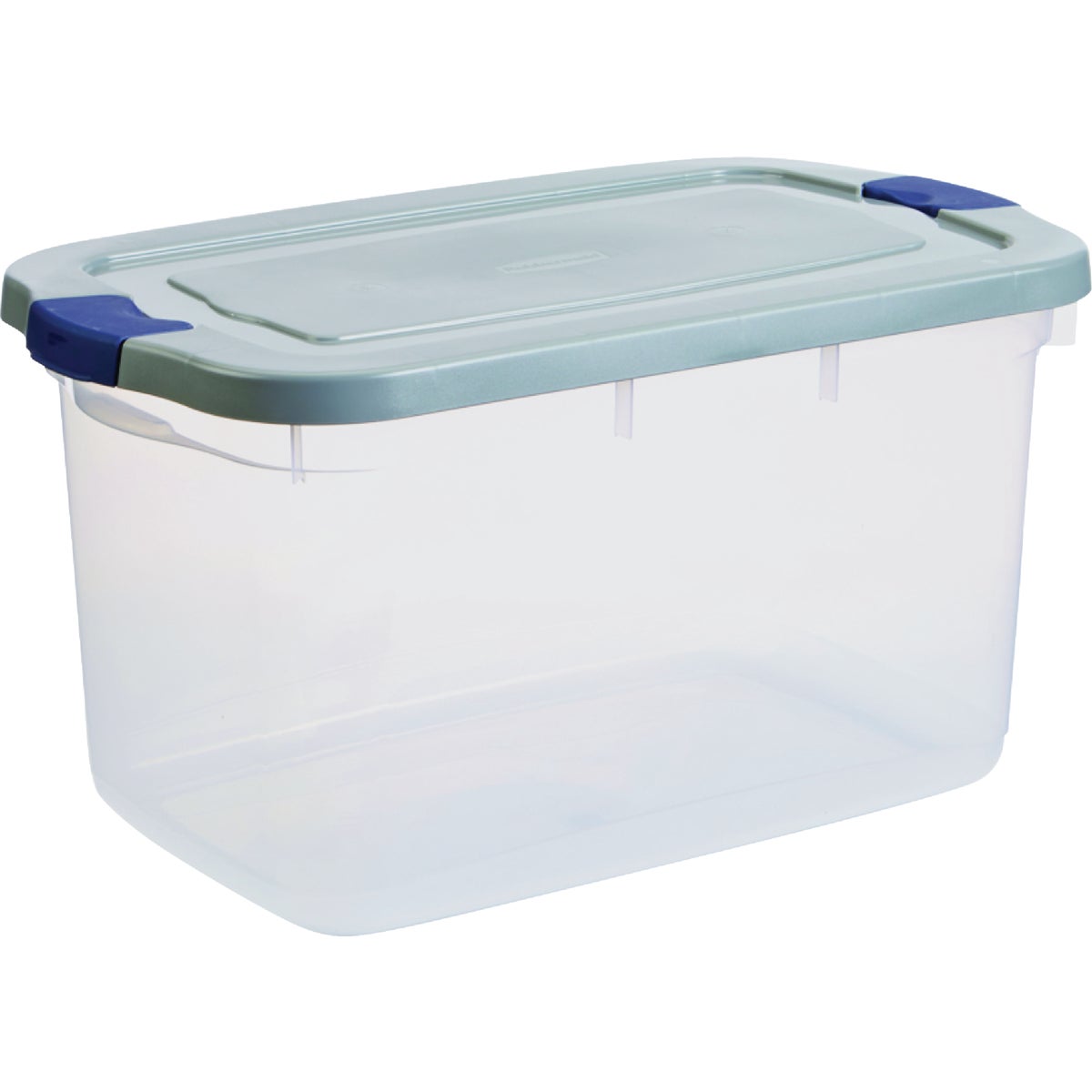
Southwest Florida humidity is the quiet reason a spool that printed beautifully in March pops and strings in August. PLA is forgiving; PETG, nylon, and TPU are not. A sealed tote with a desiccant in it is the cheap version of a $60 dry box, and it works.
Safety & Bench Setup
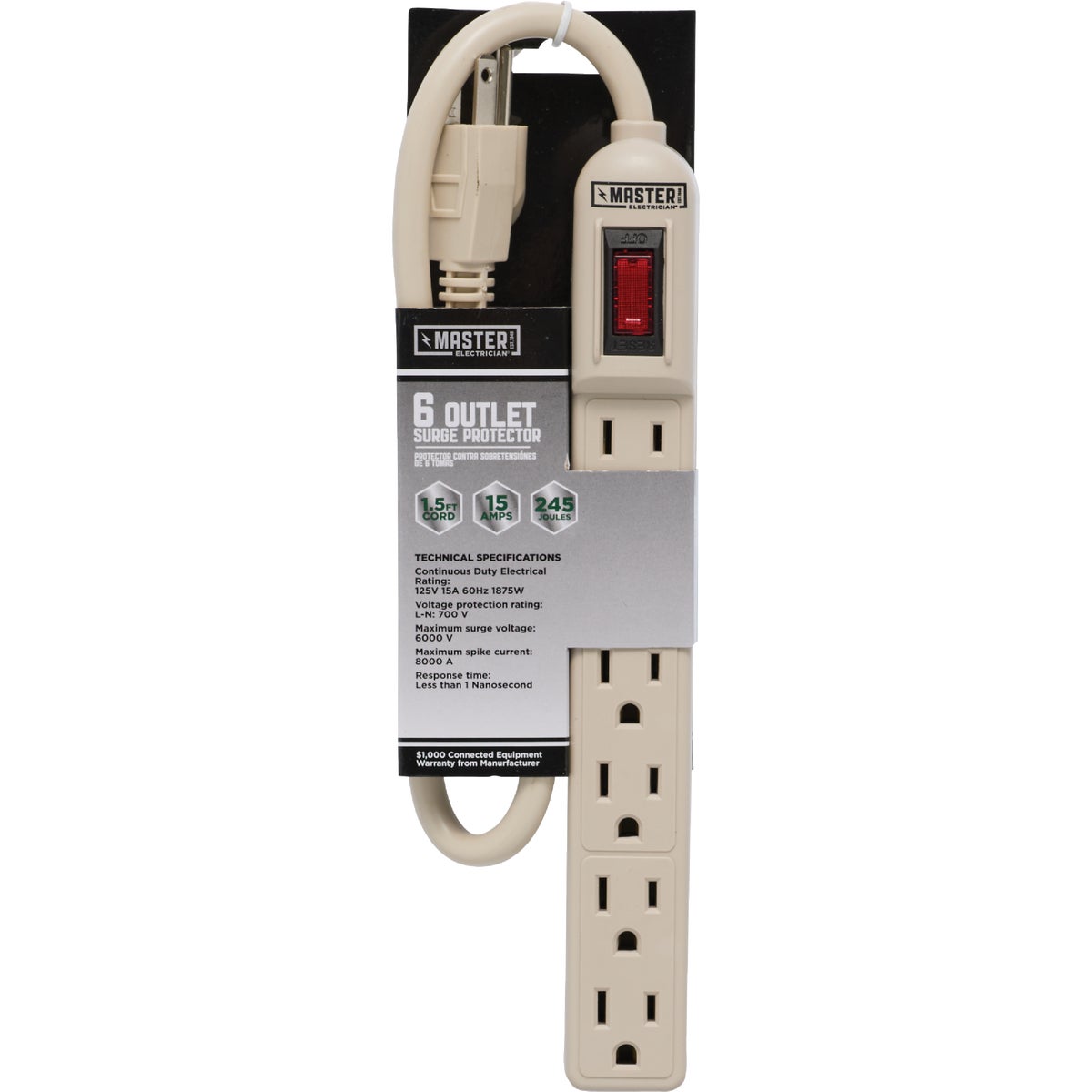
A 3D printer is a heater that runs unattended for hours, often overnight. Nothing else on this page matters as much as the two items at the top of this section.
How to Clean a 3D Printer Build Plate
The five-minute routine that fixes most first-layer problems. If prints have started lifting at the corners, do this before you touch a single slicer setting.
Take the plate off and let it cool
Remove the flexible or magnetic build plate from the printer and let it drop to room temperature. Alcohol flashes off a hot bed before it can lift anything, and a hot plate is how people burn a hand cleaning one.
Wipe with 91% isopropyl alcohol
Put 91% isopropyl alcohol on a clean paper towel or lint-free cloth — not on the plate — and wipe the whole surface in one direction. This removes the finger oil that causes most first-layer adhesion failures. Use 91% or higher; 70% is almost a third water and dries to a film.
Deep-clean with warm water and dish soap when alcohol stops working
Every few weeks, wash a smooth PEI or glass plate in the sink with warm water and a drop of dish soap, scrub gently with a soft sponge, rinse and dry completely. Soap lifts the oil film that alcohol only spreads around.
Use acetone on smooth PEI only when it is truly glazed
If adhesion is still poor, wipe smooth PEI with acetone on a towel to strip the polymer haze. Do this sparingly and with ventilation. Acetone will not touch PLA or PETG residue and should be kept away from painted, textured-powder-coated, or unknown coated surfaces.
Handle the clean plate by its edges
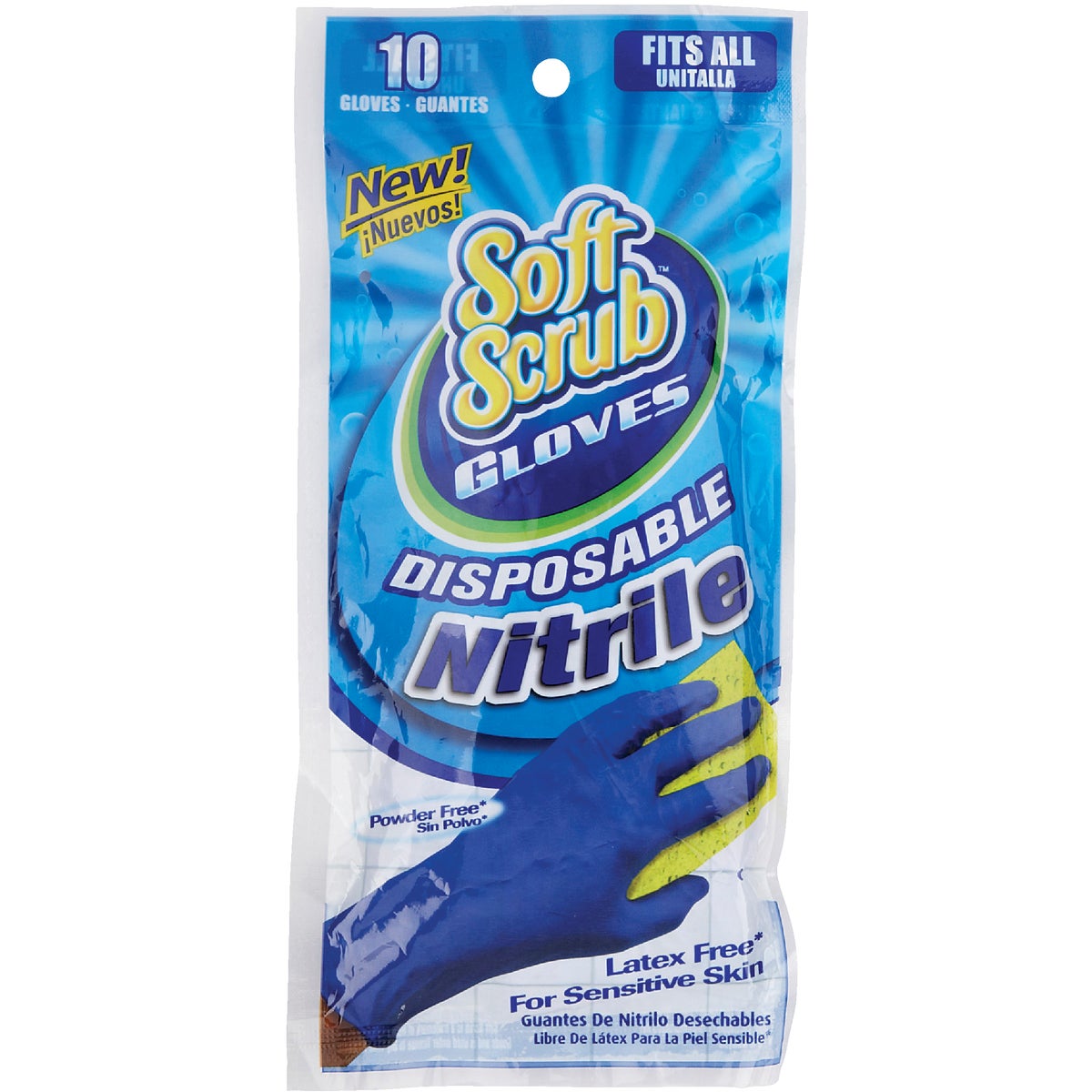
Once clean, only touch the plate at the edges or wear nitrile gloves. One fingerprint in the middle of the plate undoes the whole job — which is why gloves live in most print rooms.
3D Printing Supply Questions, Answered
91% isopropyl alcohol on a paper towel is the standard between-print wipe — it removes the finger oil that causes most first-layer adhesion failures. Every few weeks, wash a smooth PEI or glass plate with warm water and dish soap, which lifts the oil film alcohol only spreads around. Acetone is the last resort for smooth PEI that has genuinely glazed over. Always let the plate cool first, and handle it by the edges afterward.
91% or higher. 70% isopropyl alcohol is nearly a third water, so it evaporates slowly and leaves a residue film on the plate — the opposite of what you want before a first layer. 91% flashes off clean and is what most printer manufacturers specify. 99% is marginally better and dries fastest, but 91% is what is realistically on a shelf and it works.
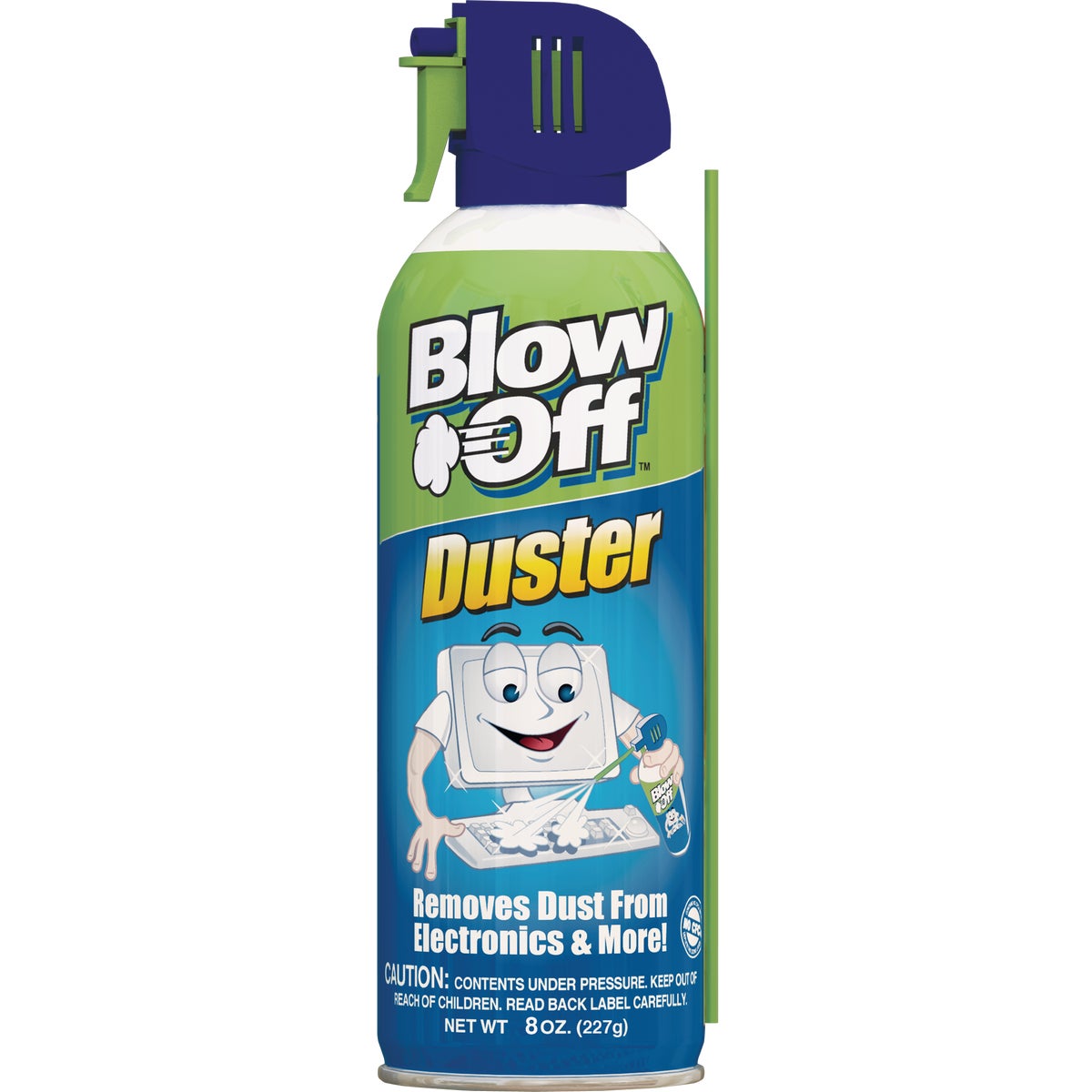
For a light dusting, yes — spray the towel rather than the plate and wipe it down. But glass cleaner does not cut oil the way alcohol does, so it is a quick refresh between prints, not a replacement for an isopropyl wipe or a soap-and-water wash. Never spray anything onto a hot bed or into the printer electronics below it.
Let the plate cool completely first — most parts release on their own as the plate contracts. If it is still stuck, flex a removable plate; on a fixed bed, slide a thin plastic putty knife under one corner at a low angle and push, do not lever. A 1-1/2 inch plastic putty knife is the right tool because it will not gouge PEI or chip glass the way a steel scraper or a screwdriver will. For a large flat part that has suctioned down, a razor scraper started at a corner will break the seal.
Yes, for PLA. Masked blue tape gives PLA a matte surface to grip and the part lifts off with the tape, which is why it was the original 3D printing bed surface and still works on glass beds and older printers. Apply it in overlapping strips with no wrinkles and wipe it with alcohol before printing. It is less useful for PETG, which can grip tape hard enough to tear it. Blue tape is also the best masking line you will get when you paint the finished print.
Cyanoacrylate (super glue) gel is the standard for joining printed parts — gel rather than liquid, because it stays in the seam instead of wicking across the face of the part and it fills the small gap a printed joint always has. For joints that carry load, survive drops, or bond a print to metal, use a two-part epoxy instead: it gives you working time and much higher strength. Clear epoxy is the choice for transparent PETG.
Layer lines do not sand out, they fill in. Start with a 180-grit sanding sponge to knock the peaks down — a sponge conforms to curves where a flat block would flatten them. Move to 220. Squeegee glazing and spot putty into whatever valleys remain, let it dry, and sand flush. Then shoot flat gray primer: primer turns the part one matte color so every remaining flaw shows. Fill, sand, and prime again as needed, then wet sand with waterproof paper before the color coat.
Yes, for anything you want to look finished. Primer gives paint something to bite on, and flat gray primer is a diagnostic tool as much as a coating — it collapses the print into one matte surface so layer lines, sanding scratches and filler edges become visible before you waste color coats on them. Filler primer is thicker still and helps bury fine lines on its own.
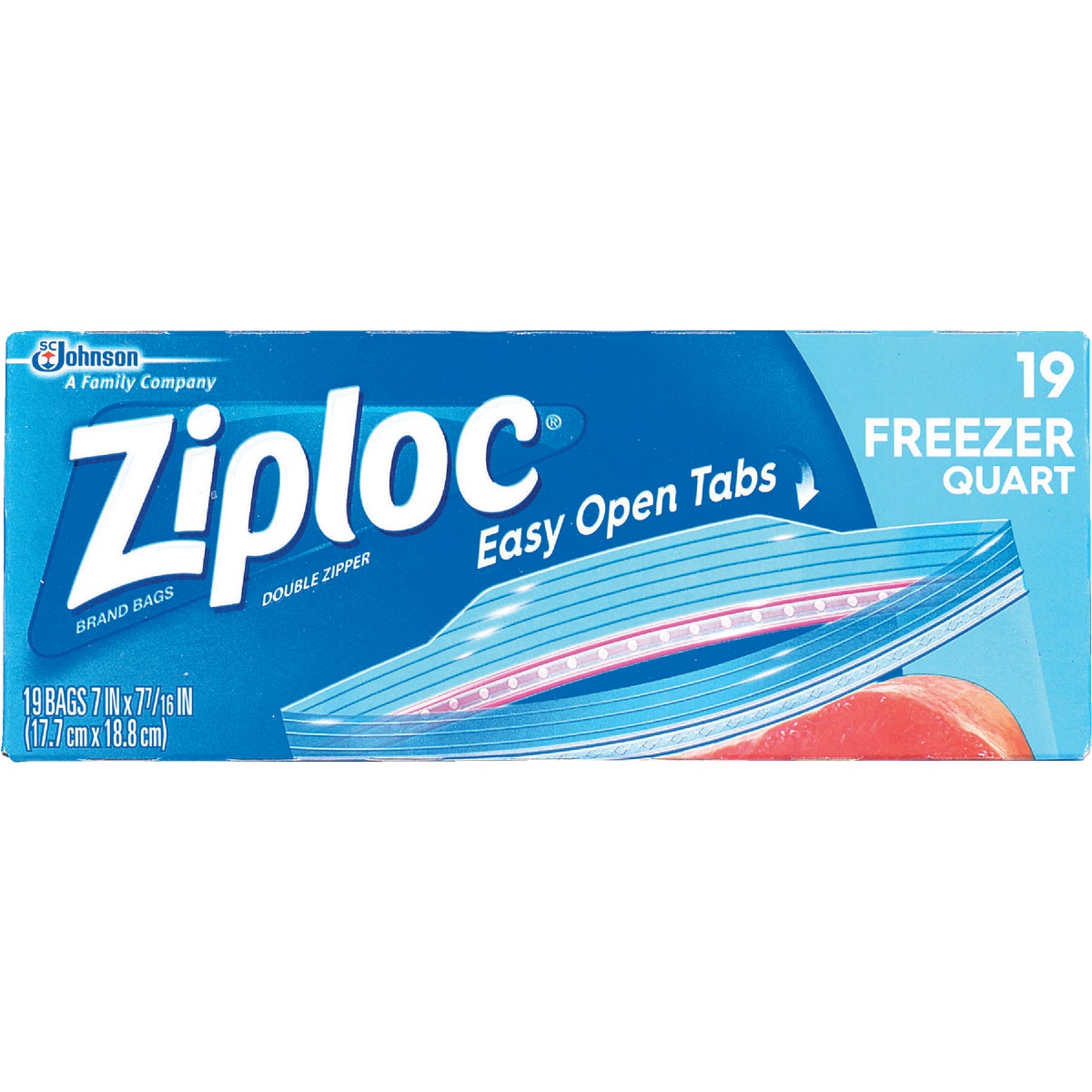
Seal it with a desiccant. A large clear storage tote with a container of calcium chloride moisture absorber holds four to six spools and pulls the humidity out of the air around them — the cheap version of a commercial dry box, and in Southwest Florida it is the difference between clean walls and popping, stringy prints. For a single spool you will not touch for a while, a freezer bag with the air squeezed out and the desiccant packet the spool shipped with is enough. PLA is fairly forgiving; PETG, nylon and TPU absorb moisture fast.
Acetone vapor smoothing works on ABS and ASA. It does essentially nothing to PLA or PETG, which are the filaments most hobbyists print — for those, sanding and filling is the route to a smooth surface. Acetone is highly flammable and needs real ventilation, never an open flame or a hot printer nearby. On build plates, acetone is a deep-clean for smooth PEI, used sparingly.
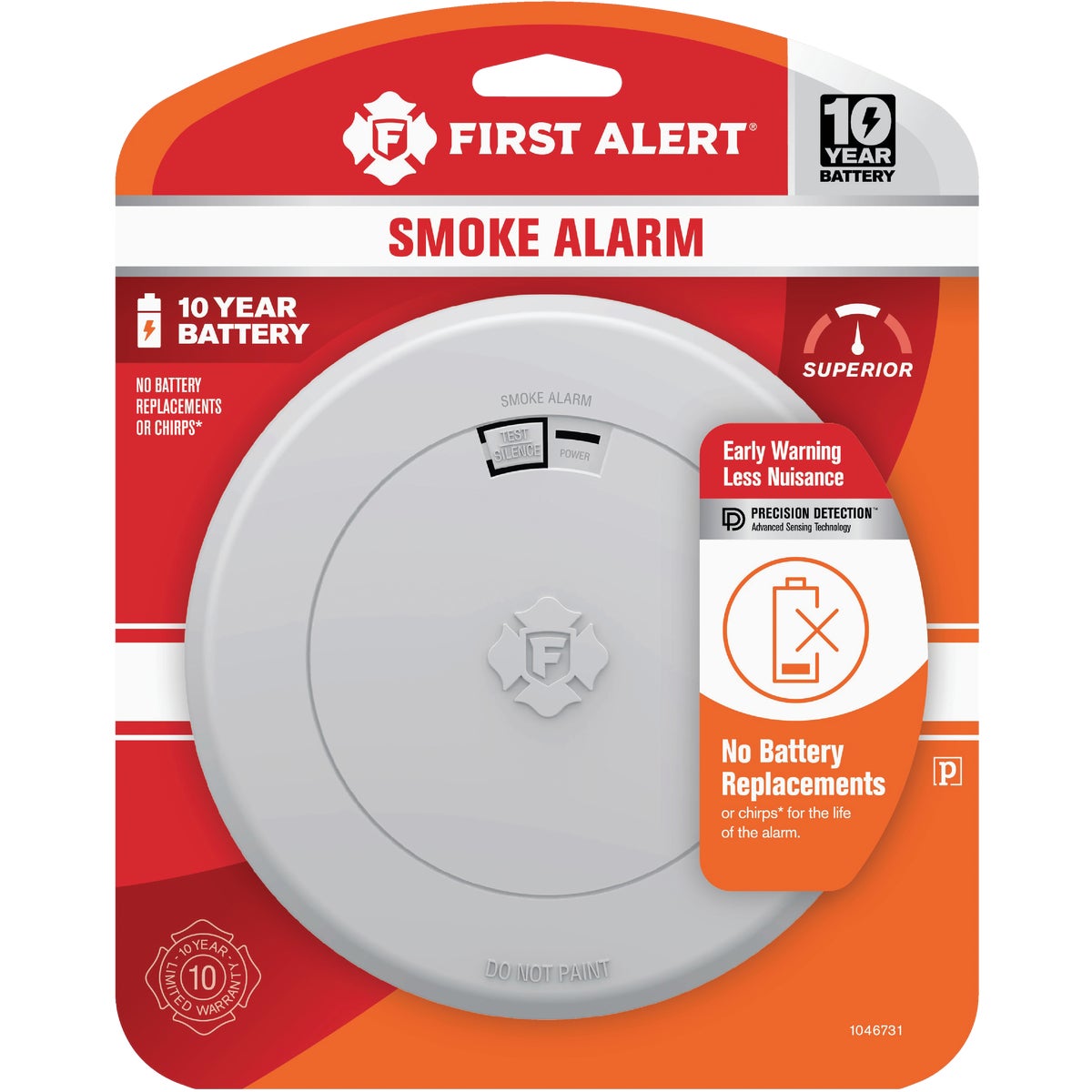
It is the most sensible thing on this page. A 3D printer is a 200–300 °C heater running unattended for hours next to a spool of plastic, and thermal-runaway fires, while rare, are the reason every printer manufacturer tells you not to run one unsupervised. Keep a 1-A:10-B:C extinguisher within reach of the bench — that rating covers ordinary combustibles, flammable liquids and live electrical — and put a photoelectric smoke alarm in the same room, not just the hallway.
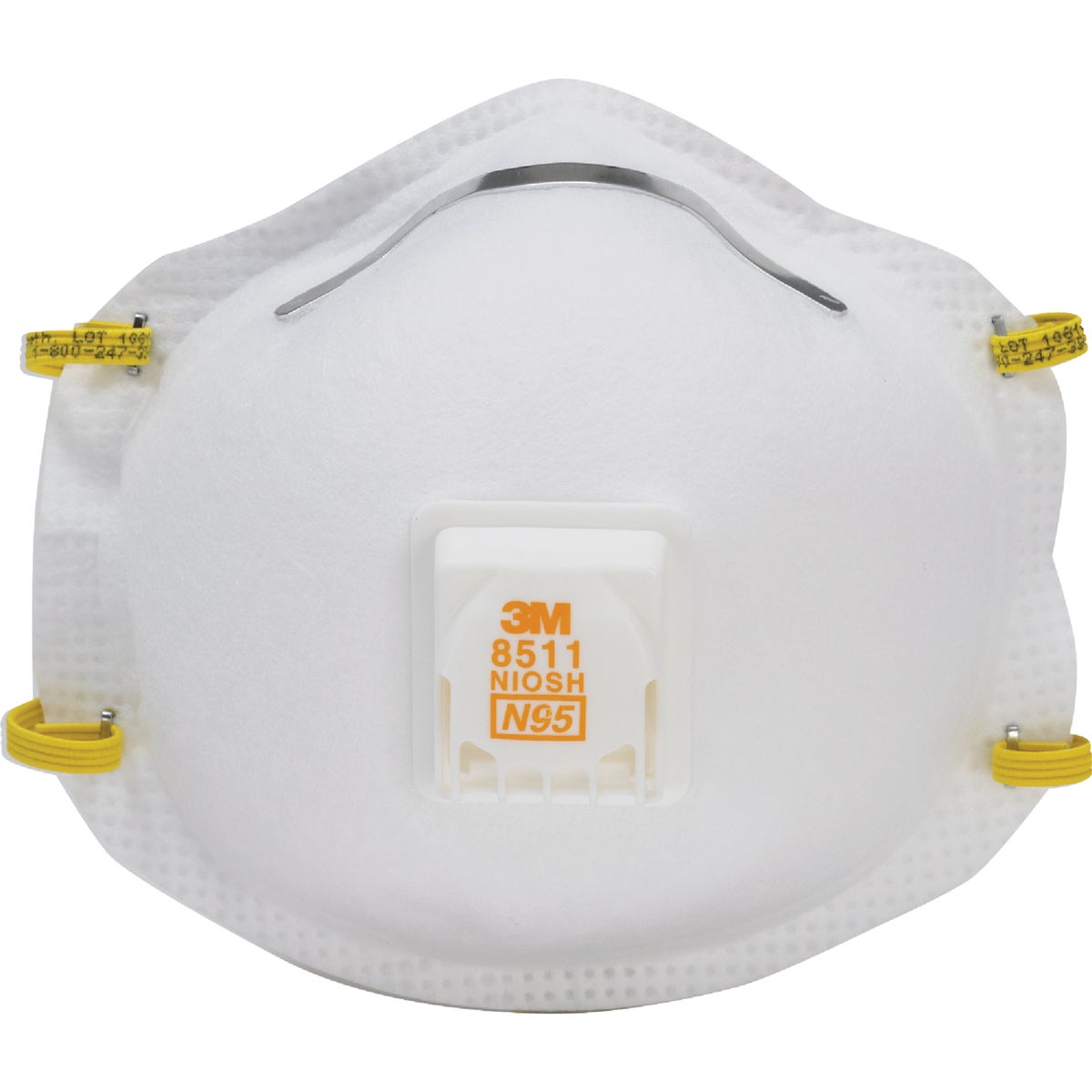
For everyday PLA printing in a ventilated room, no. You do want one for resin printing, for sanding cured resin or filled filaments like carbon-fiber blends, and for running ABS or ASA without an enclosure. Ventilation comes first and a respirator is the layer after it, not a substitute. Nitrile gloves matter more than most people expect around uncured resin and isopropyl alcohol.
Yes. Printers ship with soft folded hex keys that round out the first time you seriously torque an eccentric nut or a belt tensioner, and a rounded M3 cap screw on a gantry is a bad afternoon. A hardened metric short-arm set costs under ten dollars and is the single cheapest reliability upgrade you can make to a printer.
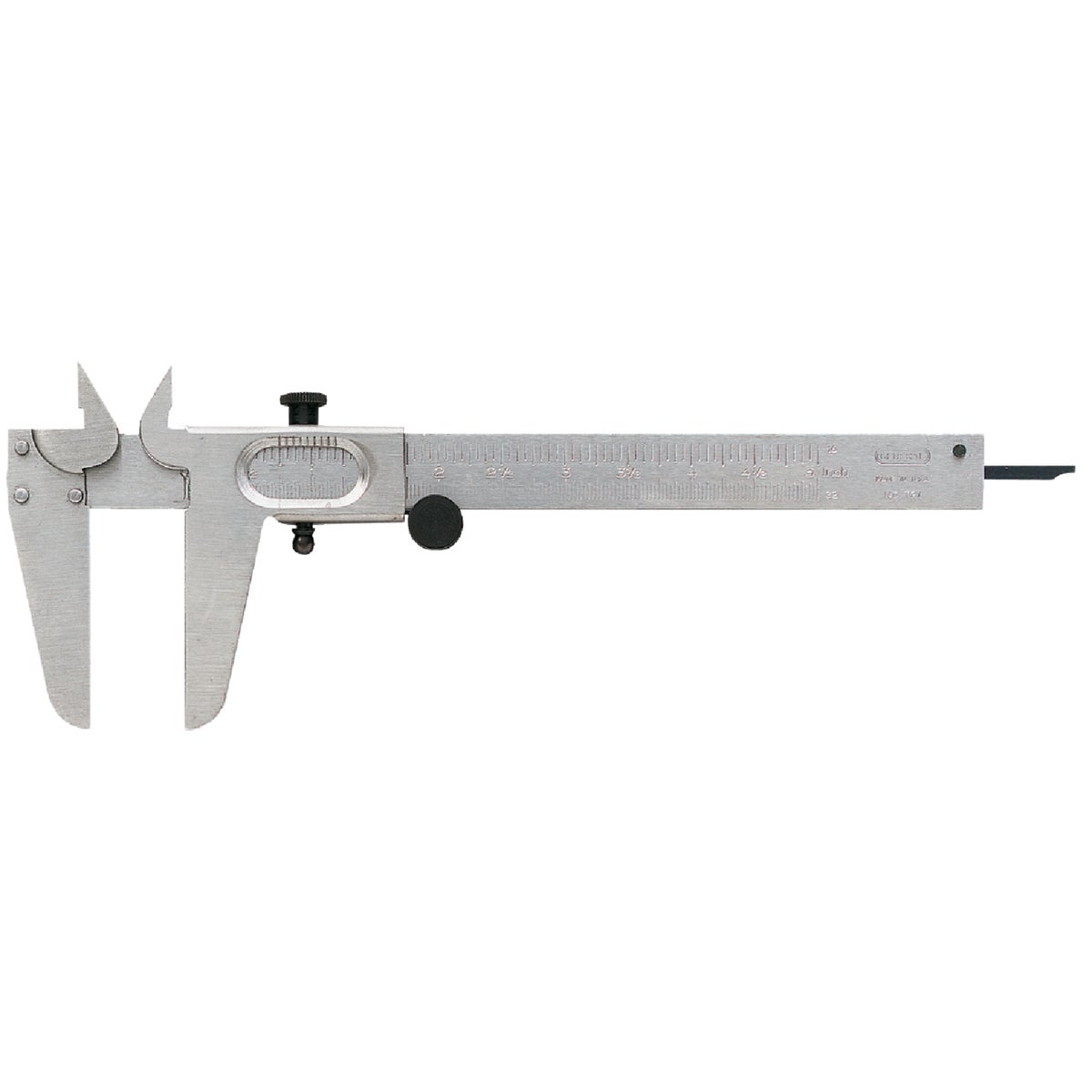
No — we do not stock printers, filament or resin, and we would rather say so than waste your trip. What we do stock is everything that surrounds the printer: build-plate cleaners, print-removal tools, cutters and blades, files, sanding and finishing supplies, adhesives, metric hex keys, threadlockers, lubricants, calipers, storage and safety gear. Most of it is the same product a hobby retailer sells at a markup with "3D printing" on the package.
Family Hardware carries the full list on this page at both stores. Cape Coral: 622 SE 47th Terrace — (239) 542-6365. Fort Myers: 13101 McGregor Blvd — (239) 933-1744. Open Mon–Sat 7 AM–6 PM and Sun 8 AM–3 PM. Order online for free in-store pickup, usually ready within 2 hours, or ship anywhere in the continental US with free shipping over $99.
Related Guides
These overlap with this list more than you would expect — often the same shopper, and frequently the same aisle.
Pick It Up Today in Cape Coral or Fort Myers
Order online for free in-store pickup — usually ready within 2 hours — or just come in. Prices shown are our everyday shelf prices at both stores; stock on any single item is on its product page.
622 SE 47th Terrace, Cape Coral, FL 33904
Mon–Sat 7 AM–6 PM | Sun 8 AM–3 PM
Departments, services and directions for our Cape Coral store →
13101 McGregor Blvd, Fort Myers, FL 33919
Mon–Sat 7 AM–6 PM | Sun 8 AM–3 PM
Departments, services and directions for our Fort Myers store →
Free shipping on orders over $99 • Free in-store pickup • Online customer service: 877-755-2005
About Family Hardware
Store Locations
About Us
Hurricane Prep Guide
Hobby Supply Guides
Employment
Customer Service
Contact Us
Returns
Shipping & Tracking
Gift Card Balance
Rewards
Promotions
Credit Application
Tax Exempt Purchases
Terms of Service
Privacy Policy
Locations
Cape Coral
Fort Myers
All Store Locations
Grills
Grill Store — All Grills
Alfa Pizza Ovens
Big Green Egg
Napoleon
Challenger Designs
Delta Heat
Tagwood BBQ
Twin Eagles
Replacement Parts
Warranty
Services
All Services
Saw Blade Sharpening
Saw Blade Shop
Key Cutting
Screen Repair
Propane Exchange
Lamp Repair
Key Fob Batteries
Freud
Lamello P-System
Popular Tools Saw Blades
Diablo
Tenryu
© 2026 Family Hardware. Family Hardware and the Family Hardware logo are registered trademarks of Family Hardware Corporation. All rights reserved.