
DIY Pool Care Supplies
Chlorine, shock, muriatic acid, filter sand, test kits, poles, brushes and vac heads — the whole weekly routine, at hardware-store prices instead of pool-store prices. Ten minutes from most of Cape Coral.
Short answer
Pool care is four numbers and a brush. Test chlorine, pH, total alkalinity and stabilizer (cyanuric acid), and fix them in that order — alkalinity before pH, because alkalinity is what stops pH bouncing, and adjusting pH first just means doing it twice. In Florida the two chronic problems are sun and heat: UV destroys free chlorine within hours unless stabilizer is in the 30–50 ppm range, and warm water grows algae fast, which is why a pool can go green over a long weekend here and not up north. Muriatic acid lowers pH, shock handles the chlorine crash after heavy rain or a party, and brushing the walls matters more than most people think — algae starts where water does not move. Nothing on this page needs a service contract.
The Weekly Routine Kit
What actually gets used every week: something to sanitize with, something to test with, and something to move the water and the leaves. These 8 items run about $137.12 all in.
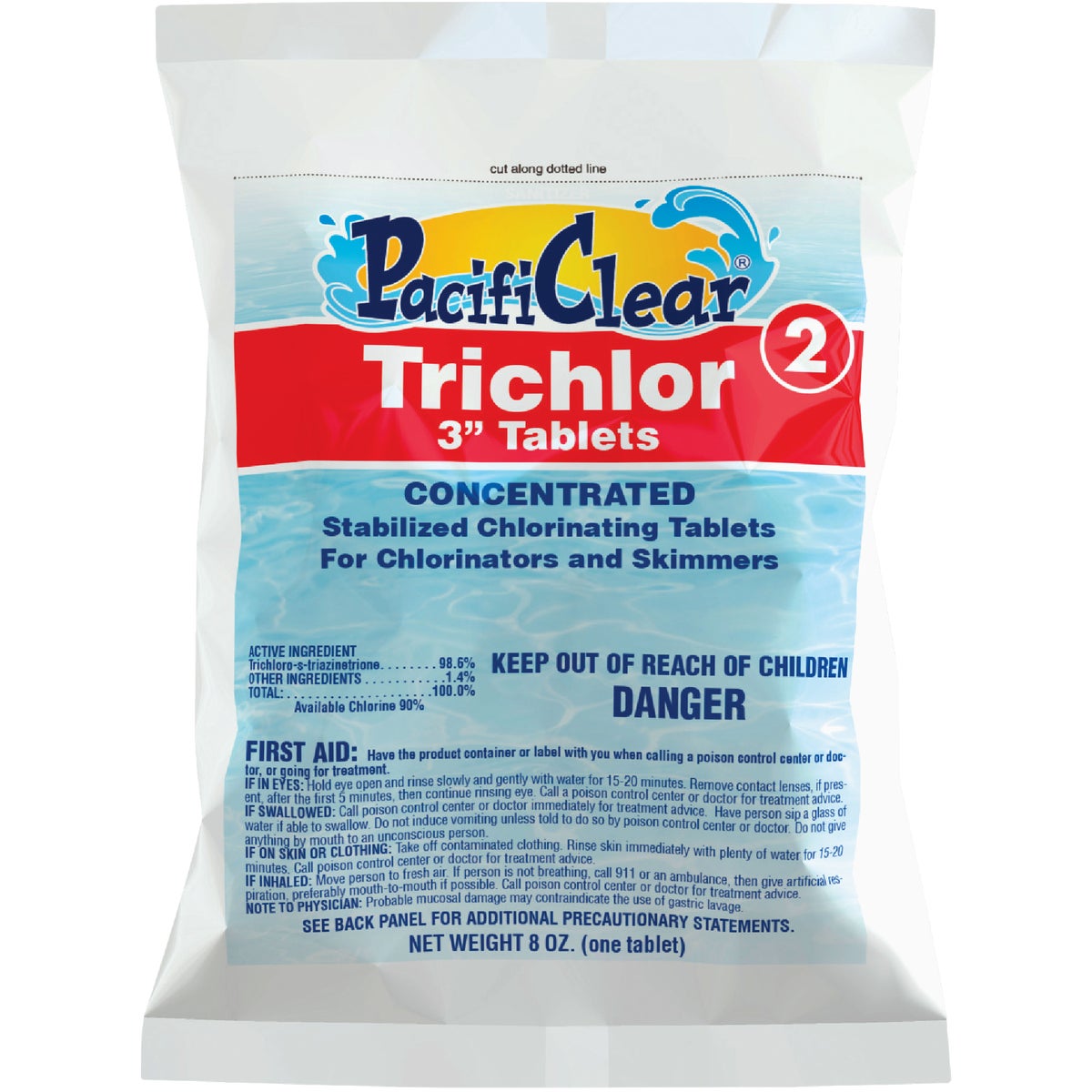
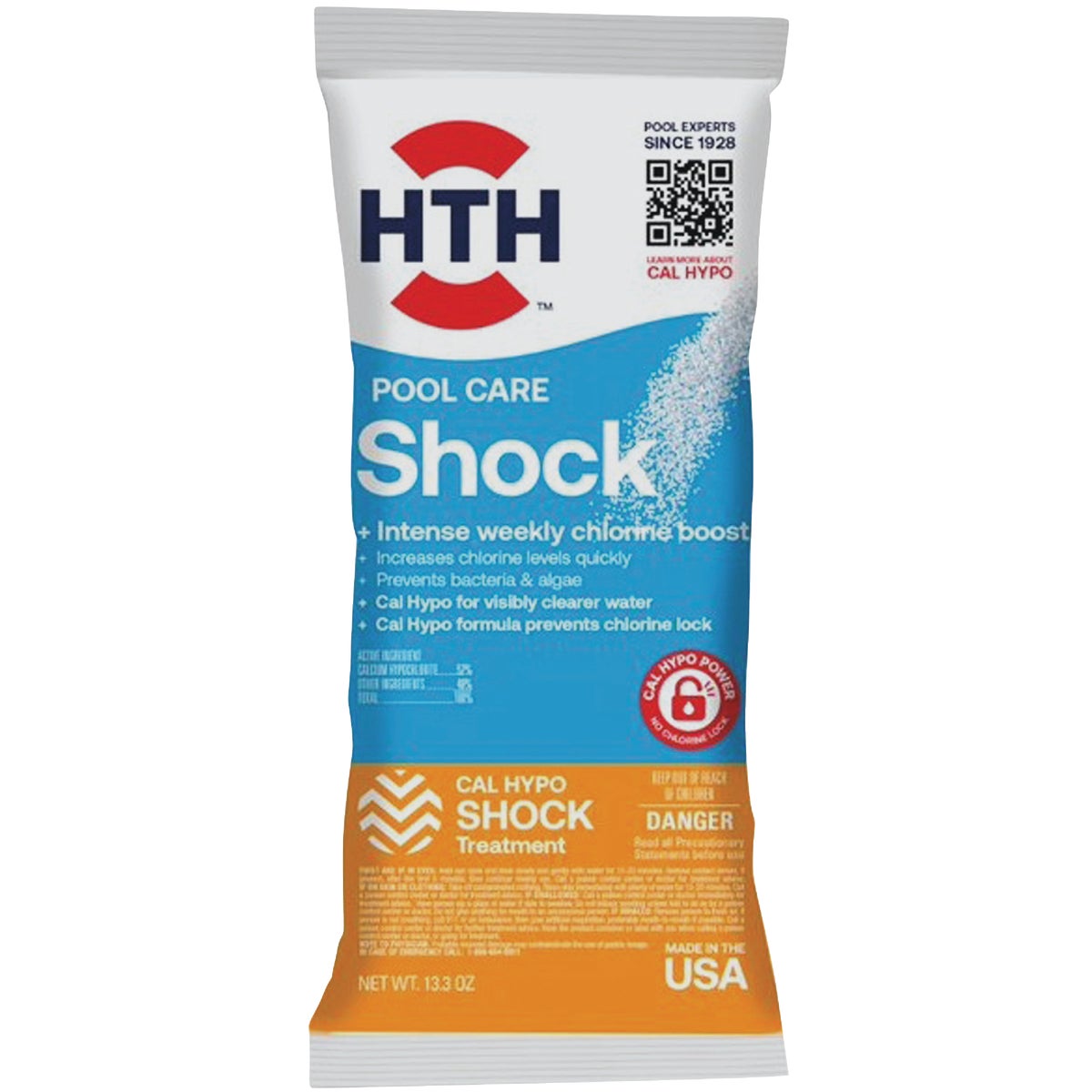
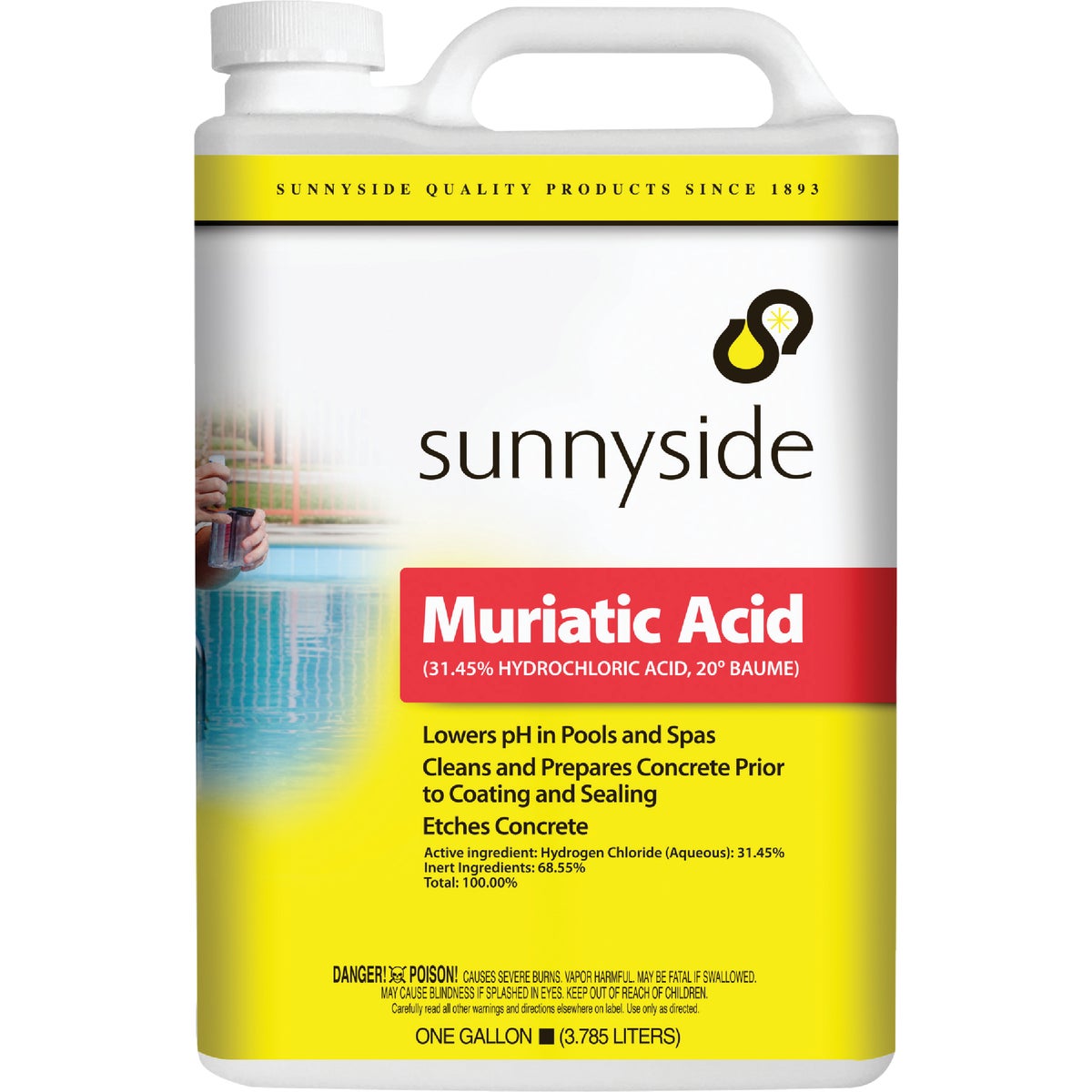
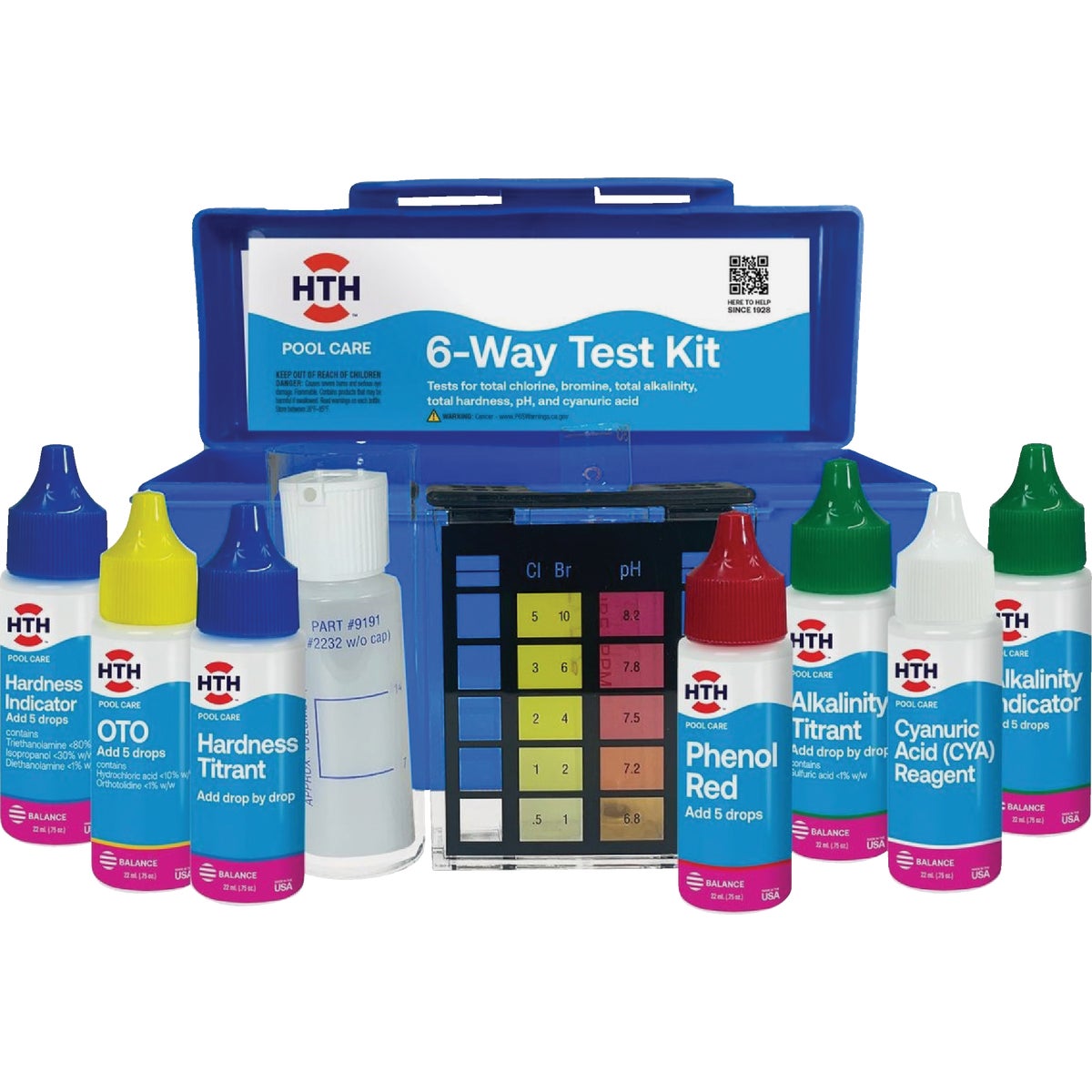
Chlorine & Shock
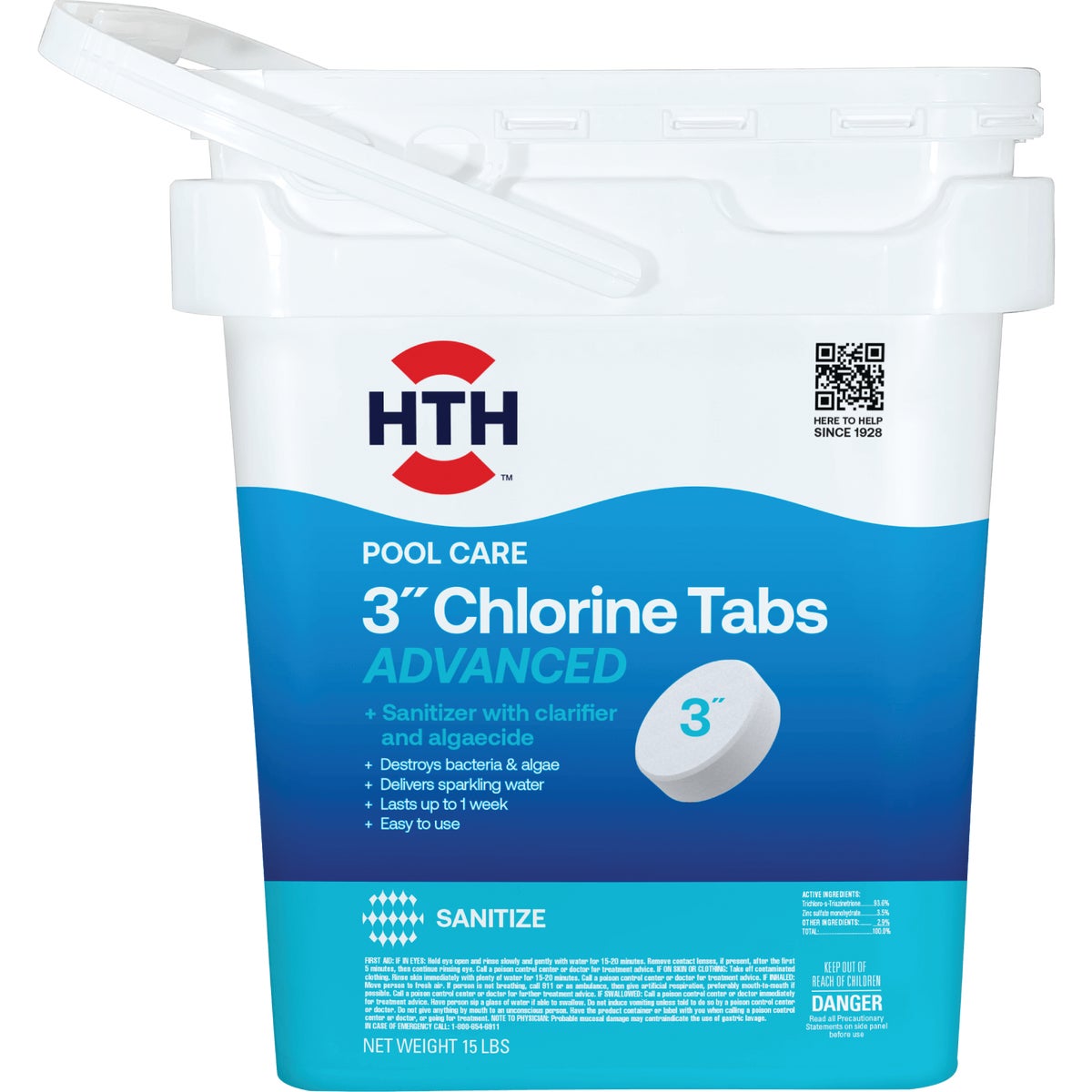
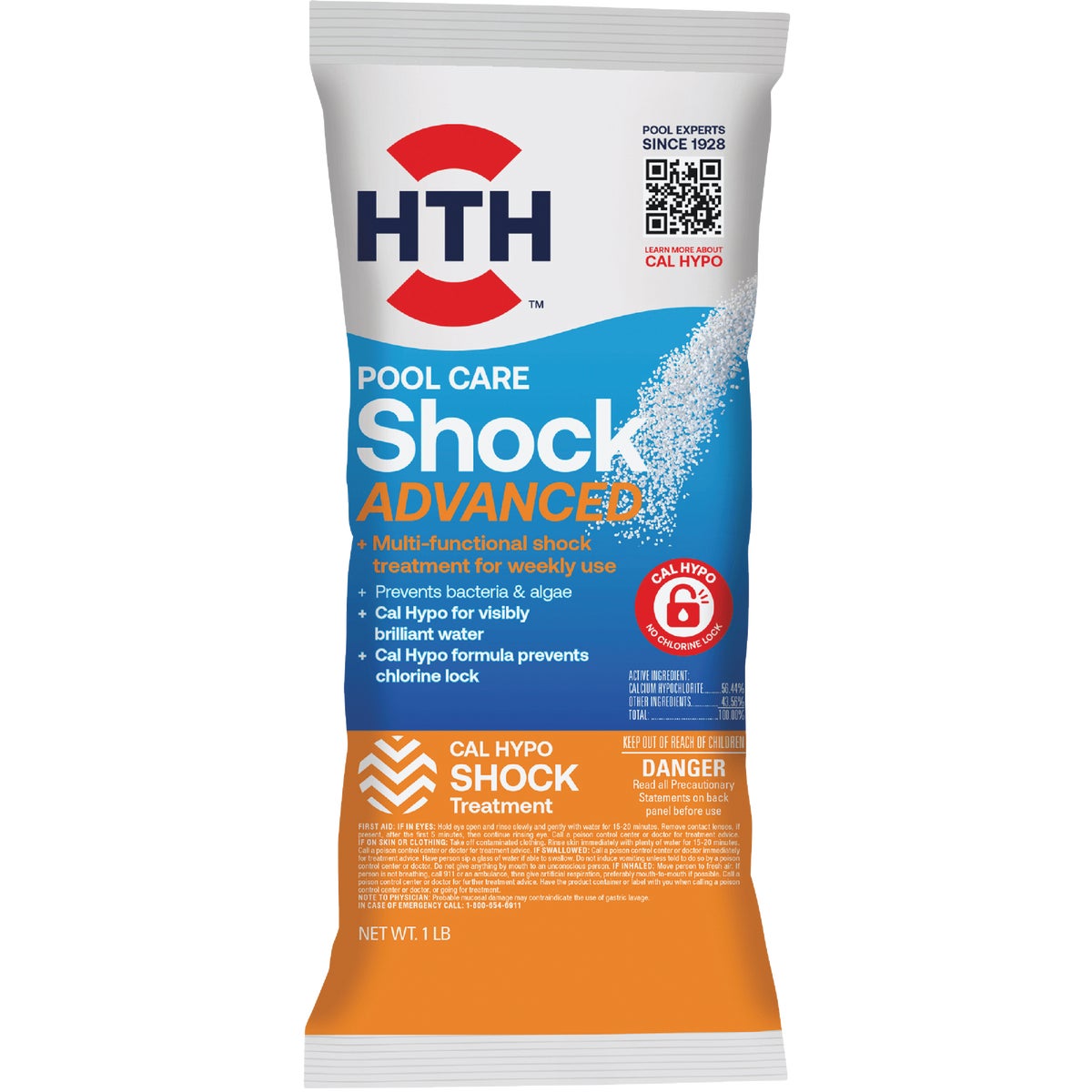
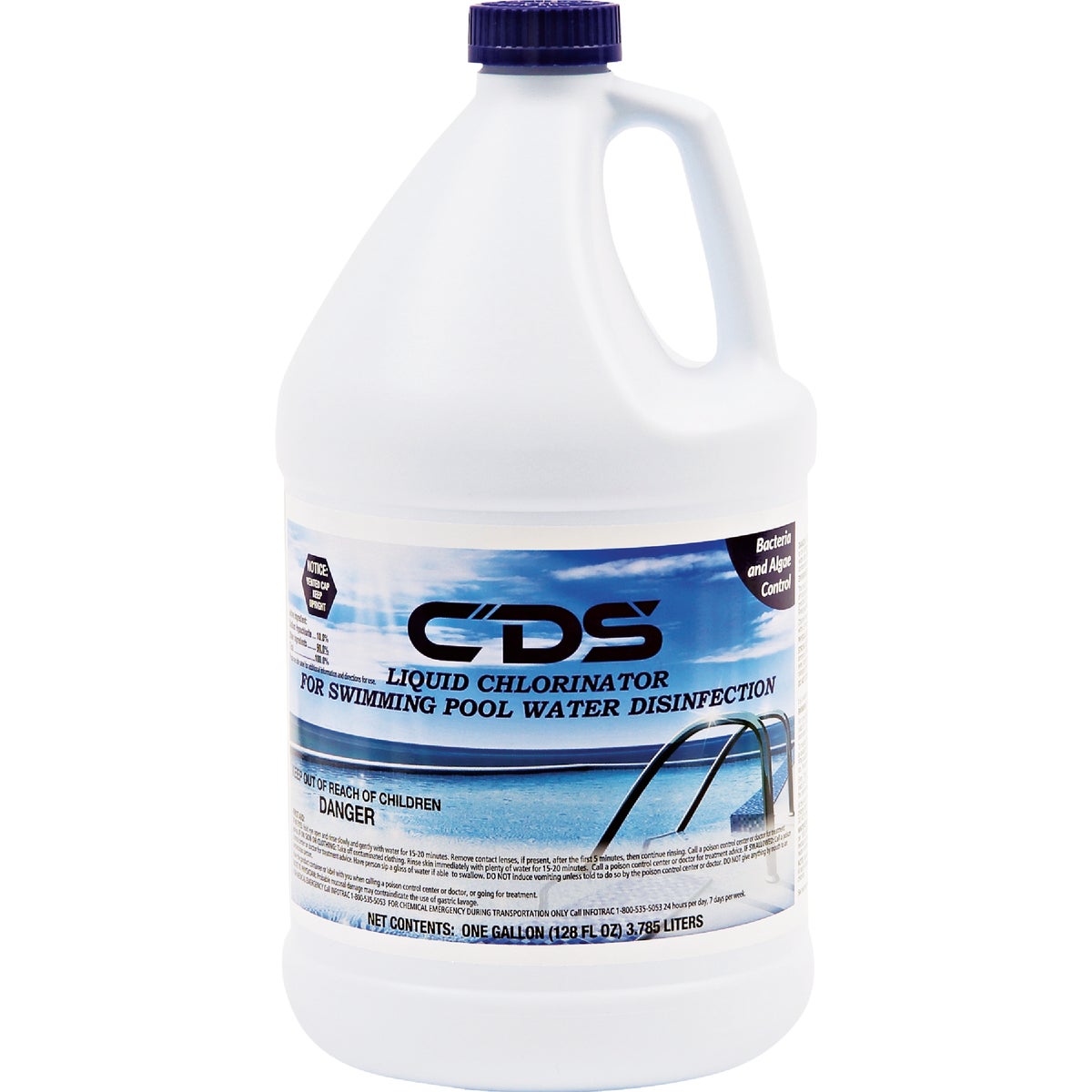
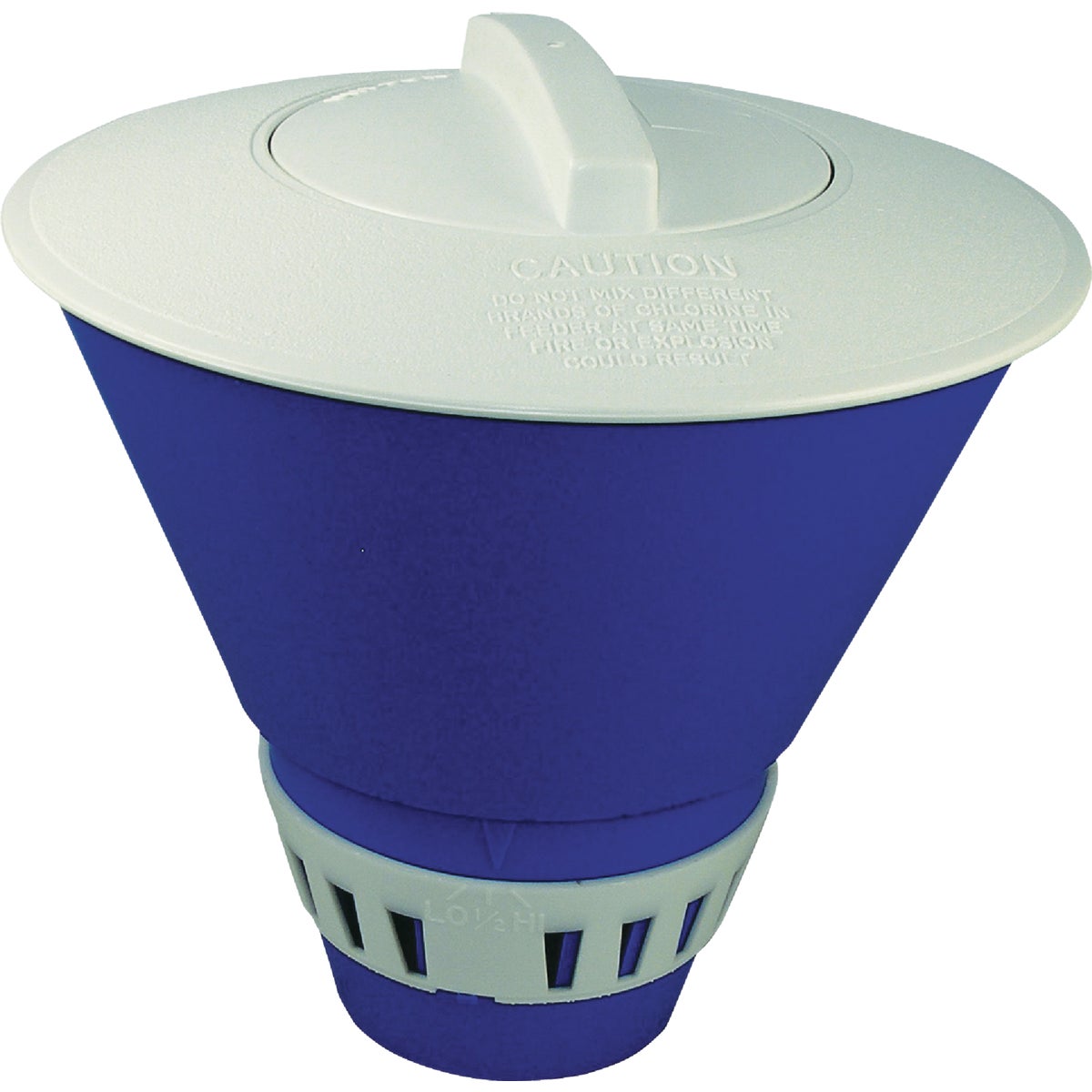
Tabs are the steady baseline; shock is the reset. Tabs dissolve slowly in a floater or feeder and hold a chlorine residual day to day — but they also add stabilizer every time, which eventually climbs too high. Shock is a fast, high dose to burn off contaminants after heavy rain, heavy use, or a pool that has started to turn. You need both, and they do different jobs.
Balancing the Water
Order matters. Total alkalinity first, because it buffers pH and stops it swinging; then pH; then stabilizer. Get this backwards and you will chase the same numbers all season. Chlorine also stops working properly at high pH — at 8.0 a large fraction of your free chlorine is chemically inactive, which is why a pool can test "fine" for chlorine and still go cloudy.
Algae, Stains & Cloudy Water
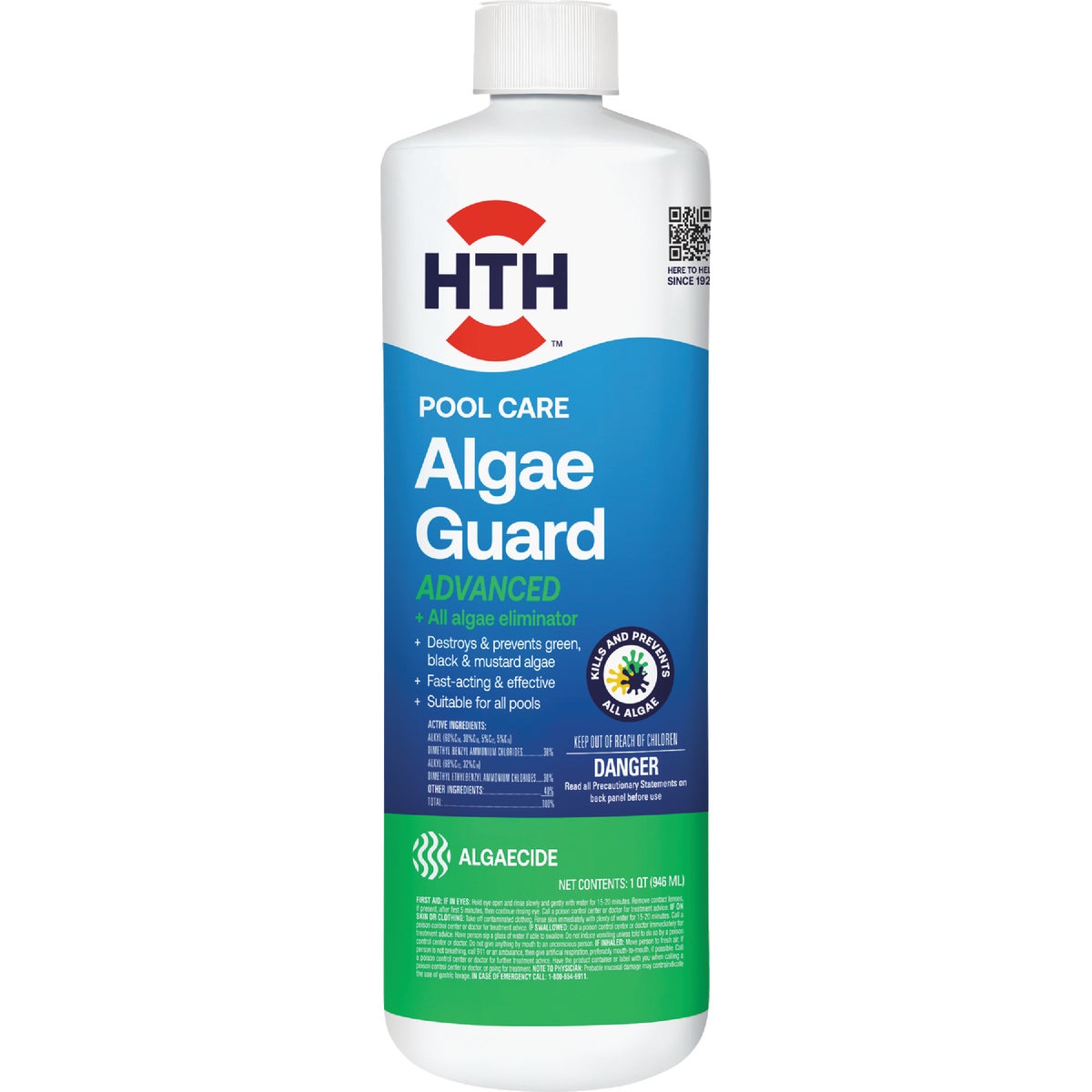
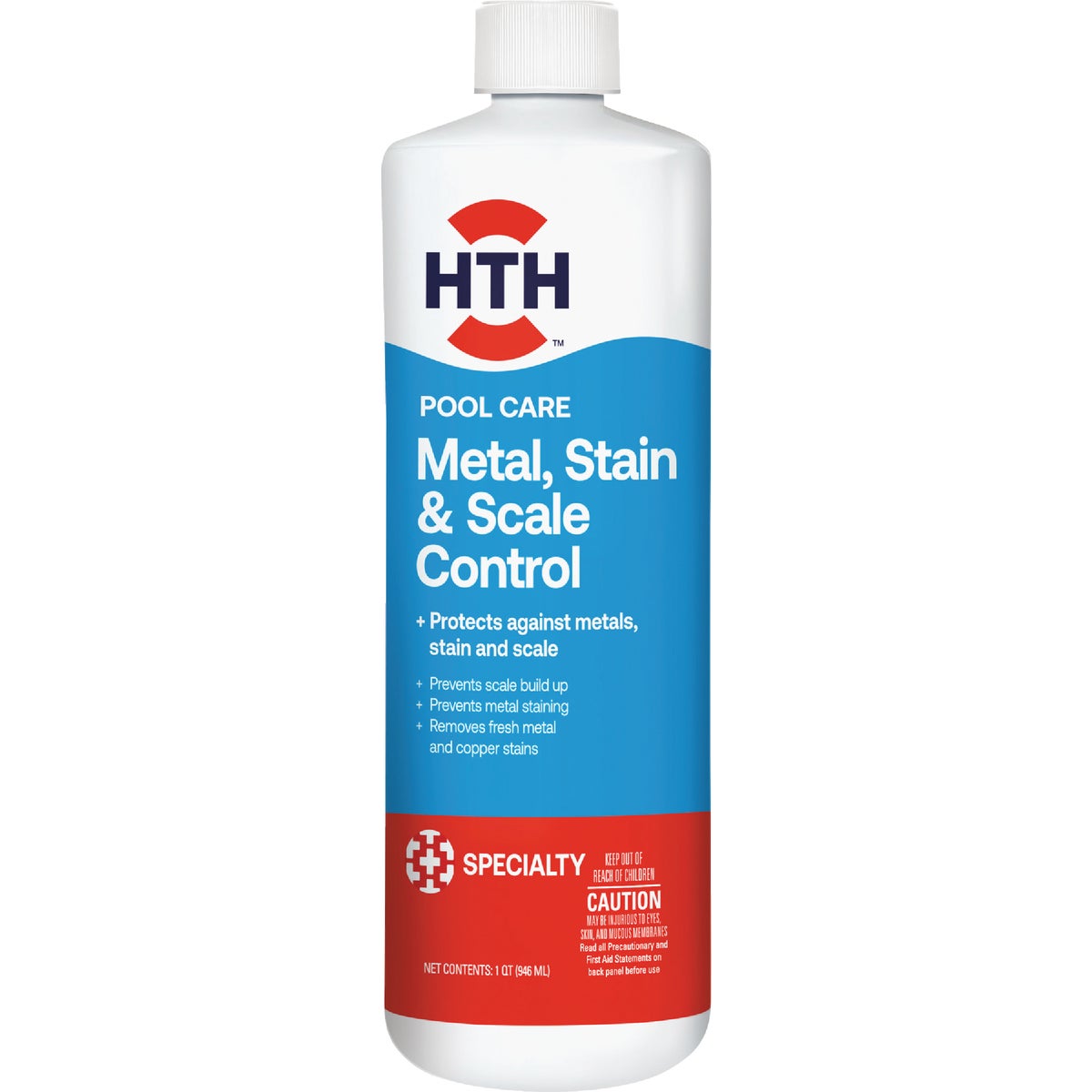
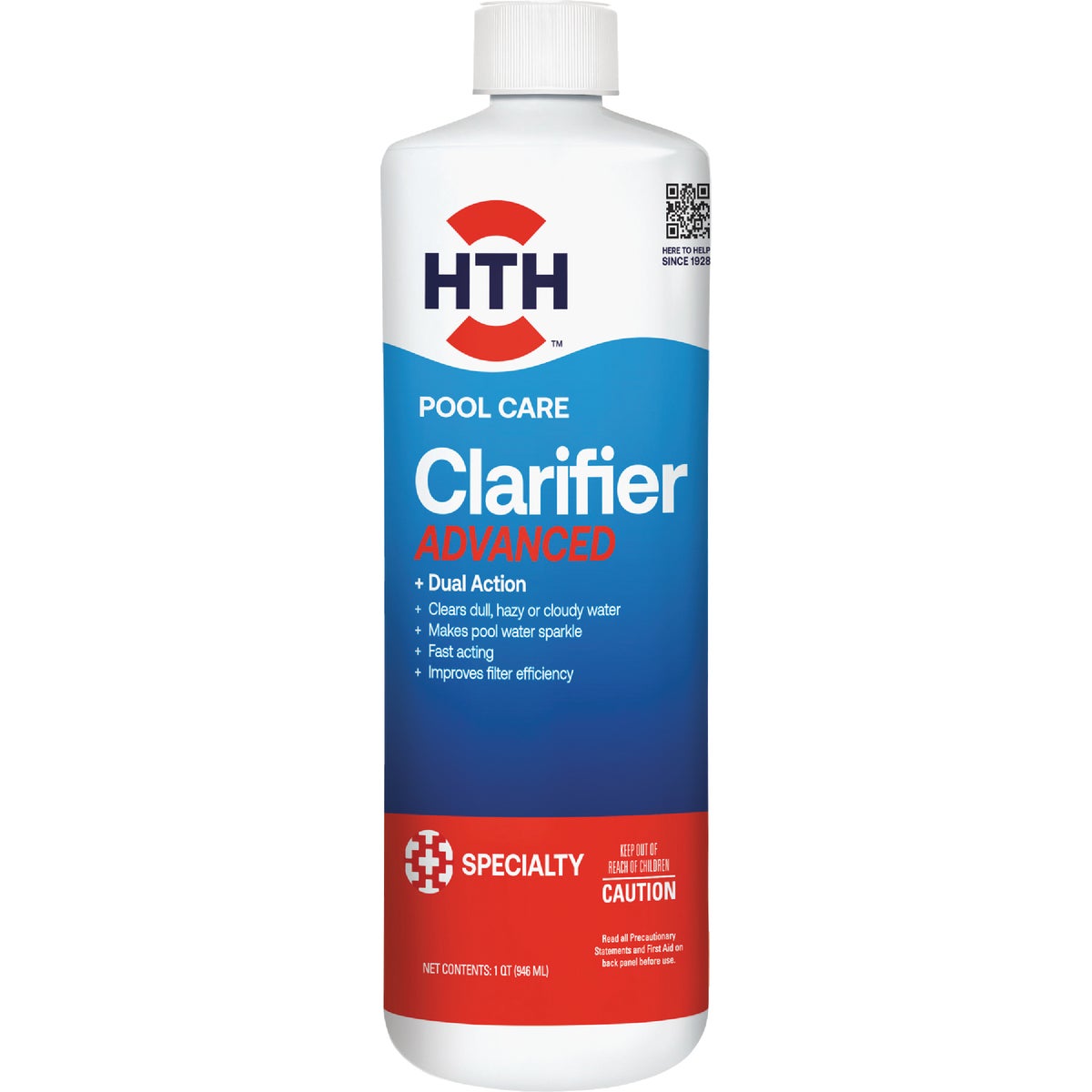
In Florida heat a neglected pool turns green in days, not weeks. Algaecide prevents and helps clear it, clarifier gathers the fine particles your filter is missing, and metal and stain control handles the rust-colored staining that well water and iron produce here.
Testing
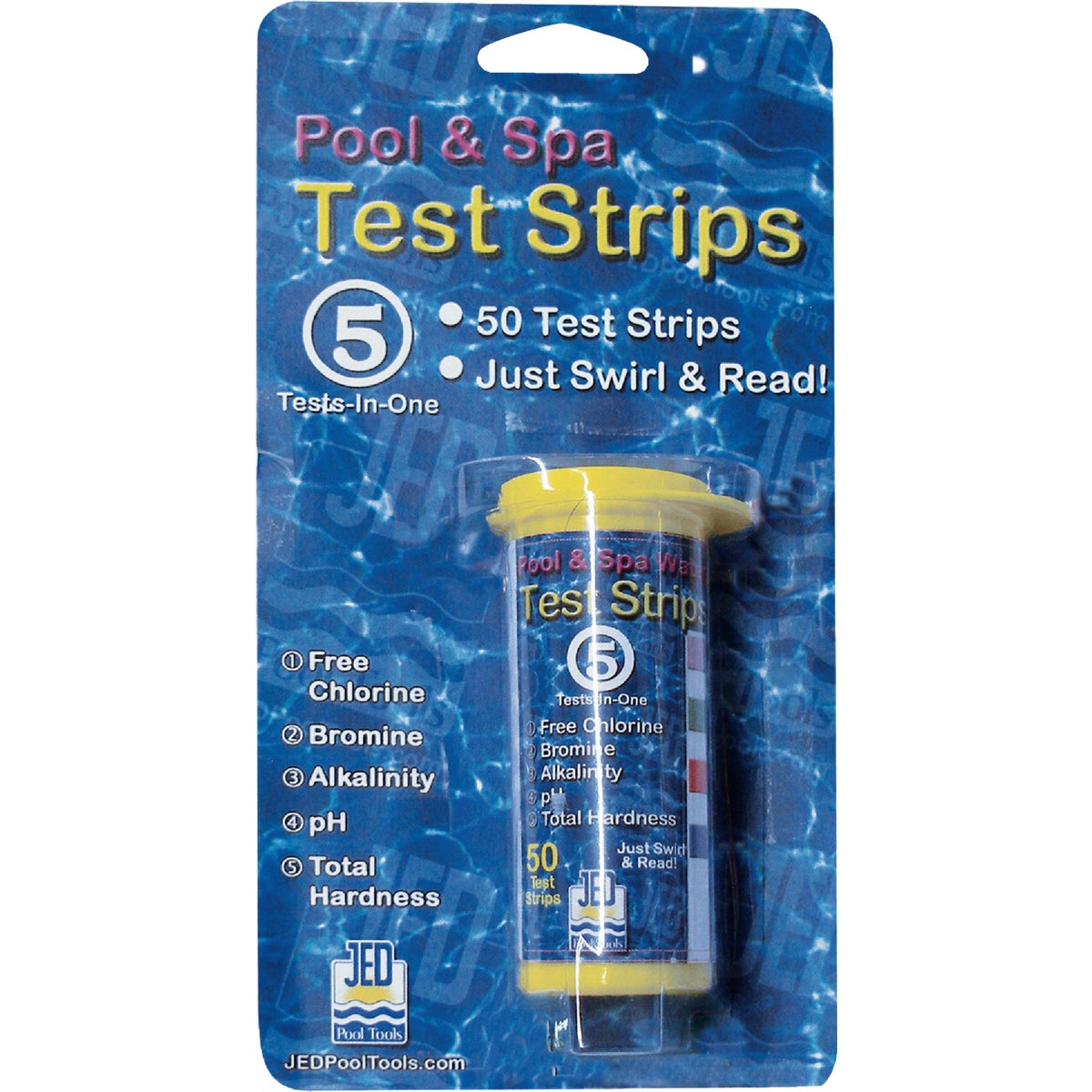
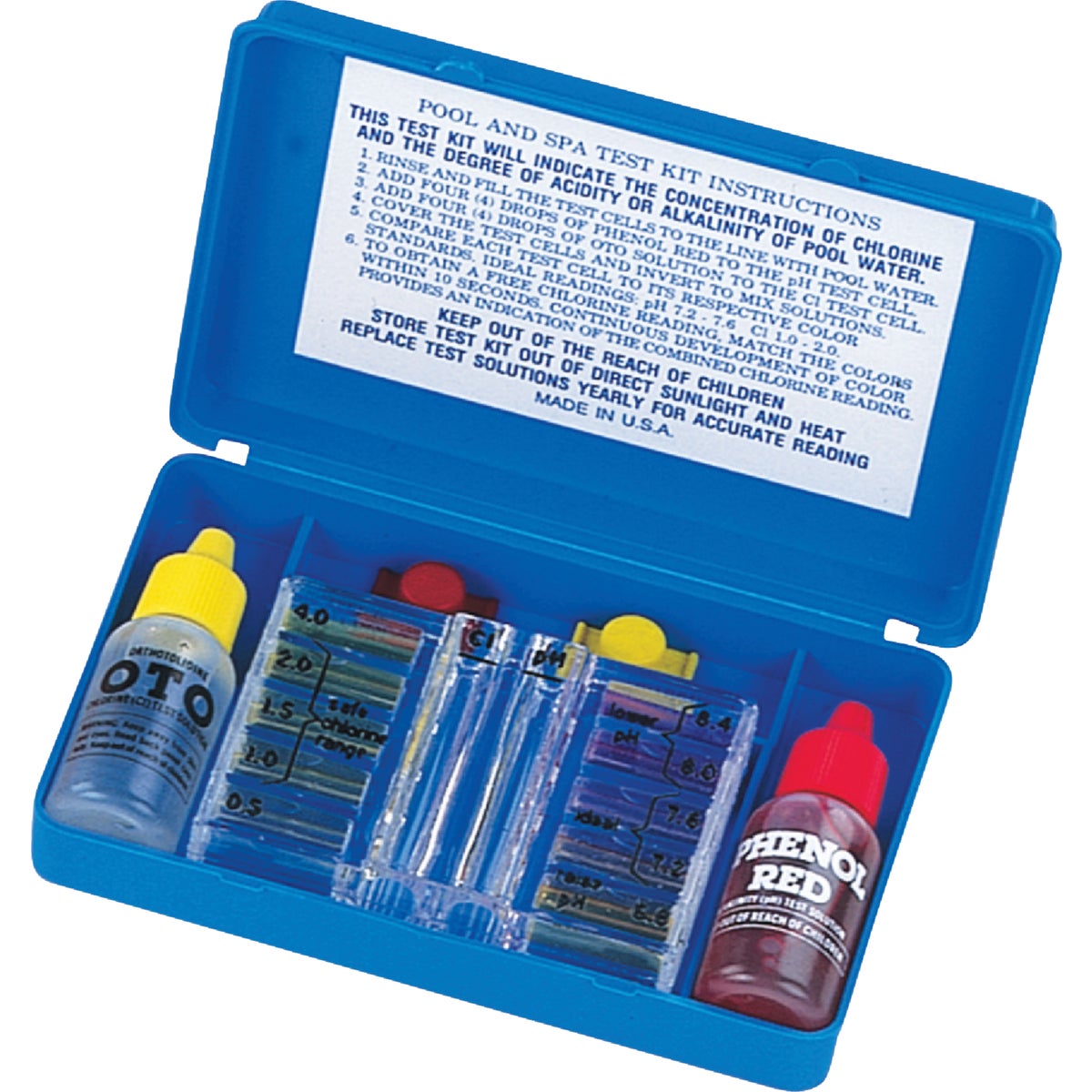
Everything above is guesswork without this. Strips are fine for a quick weekly read; a reagent kit is more accurate and worth having for when something is actually wrong. Test at least weekly in summer — more after heavy rain, which dilutes everything and drops pH.
Poles, Brushes, Vacs & Nets
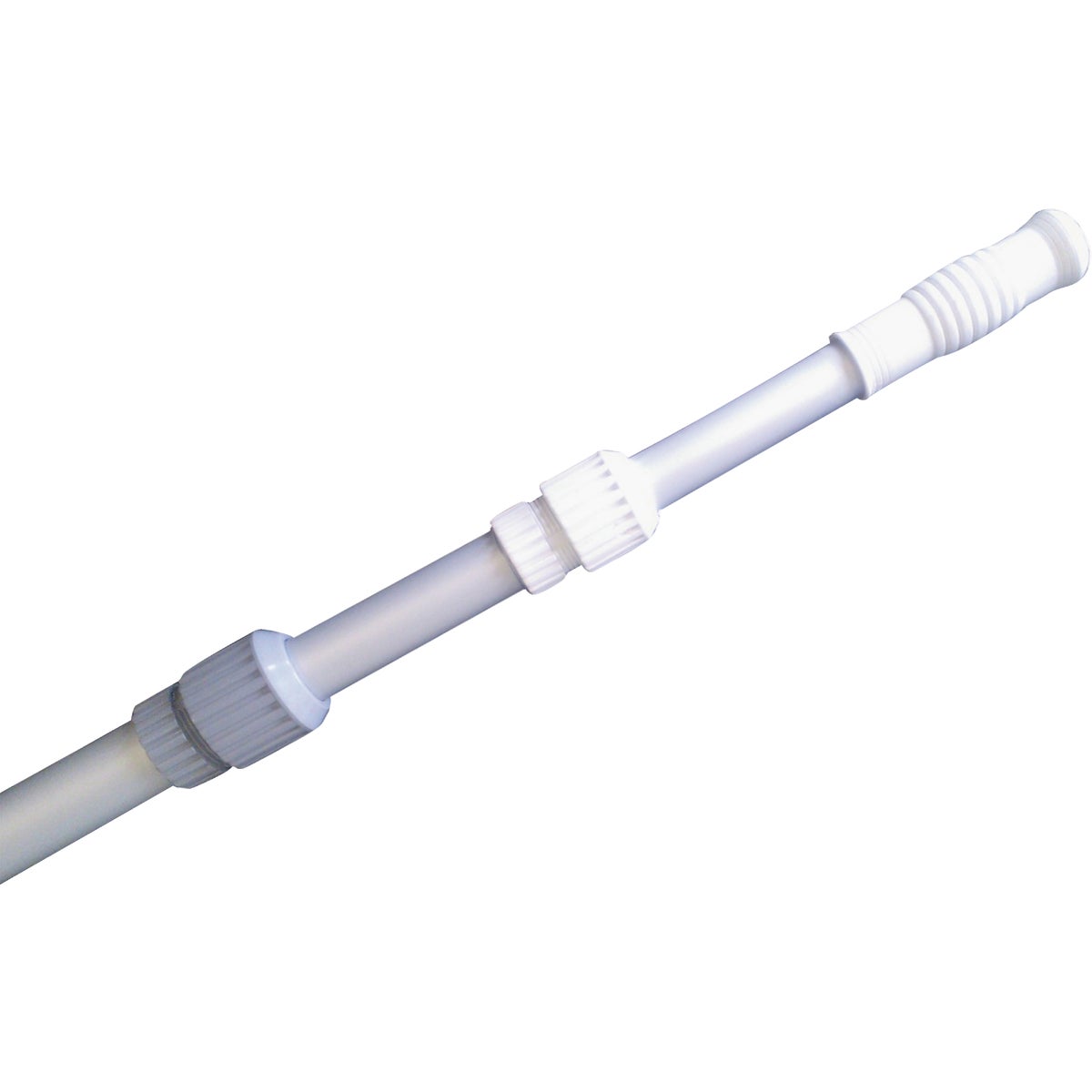
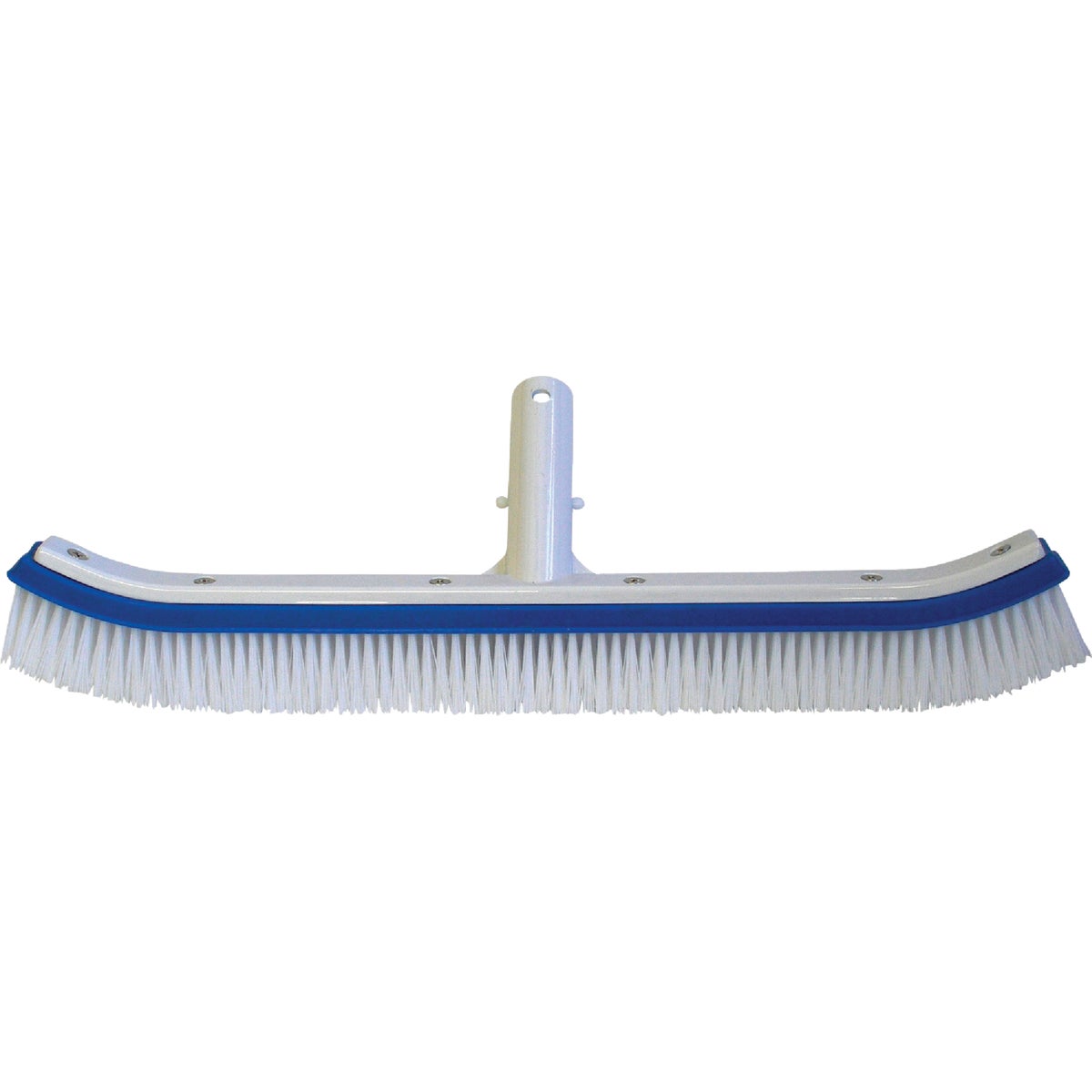
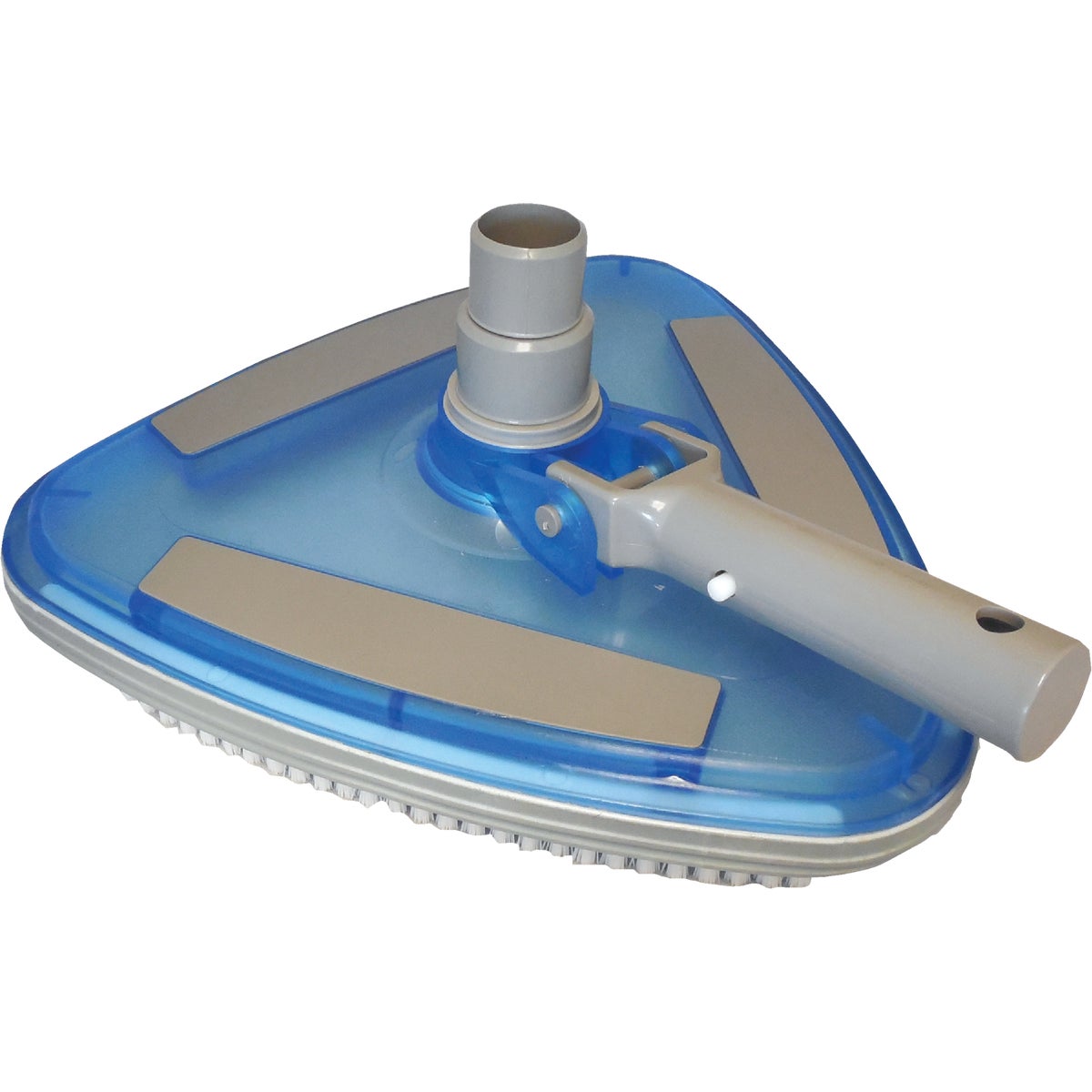
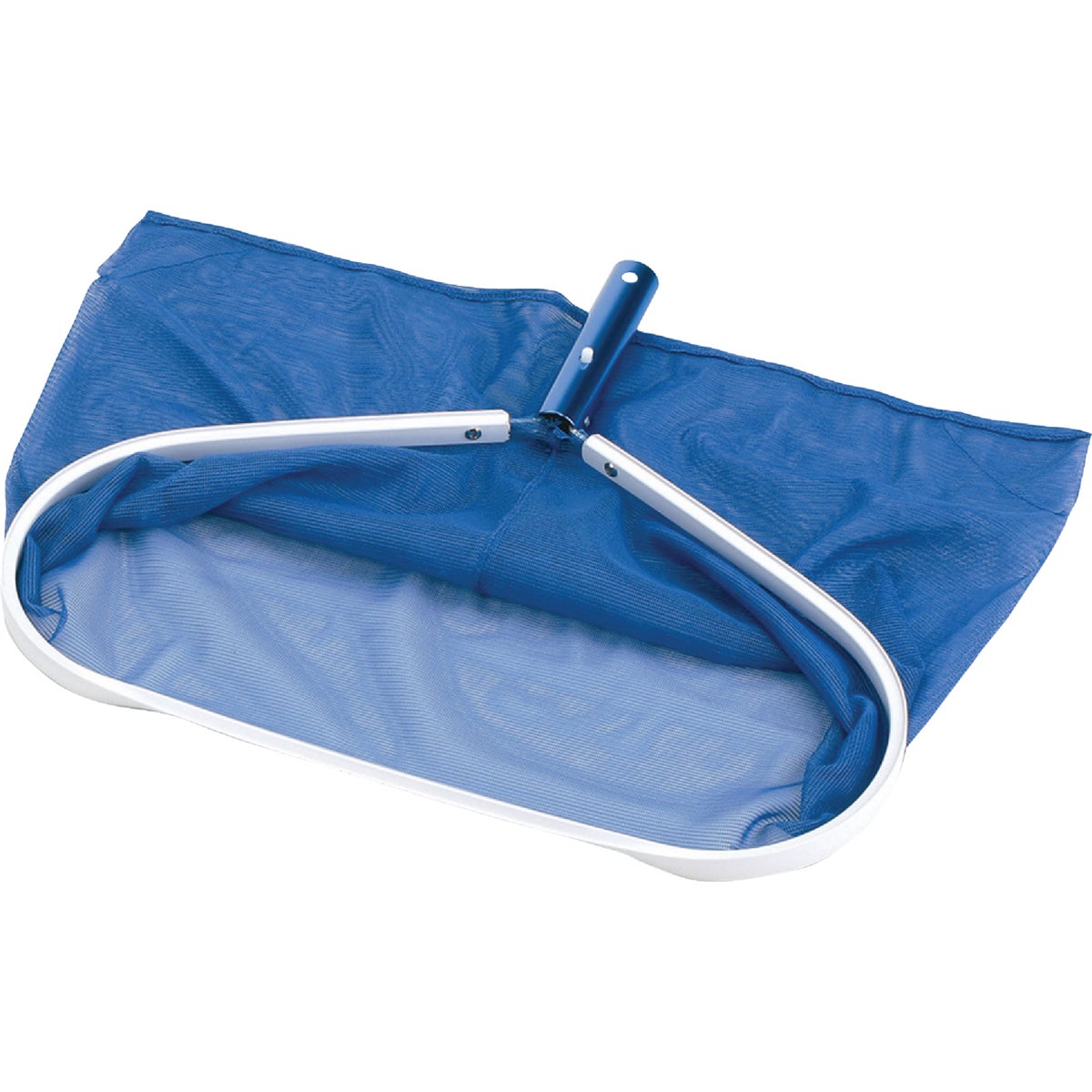
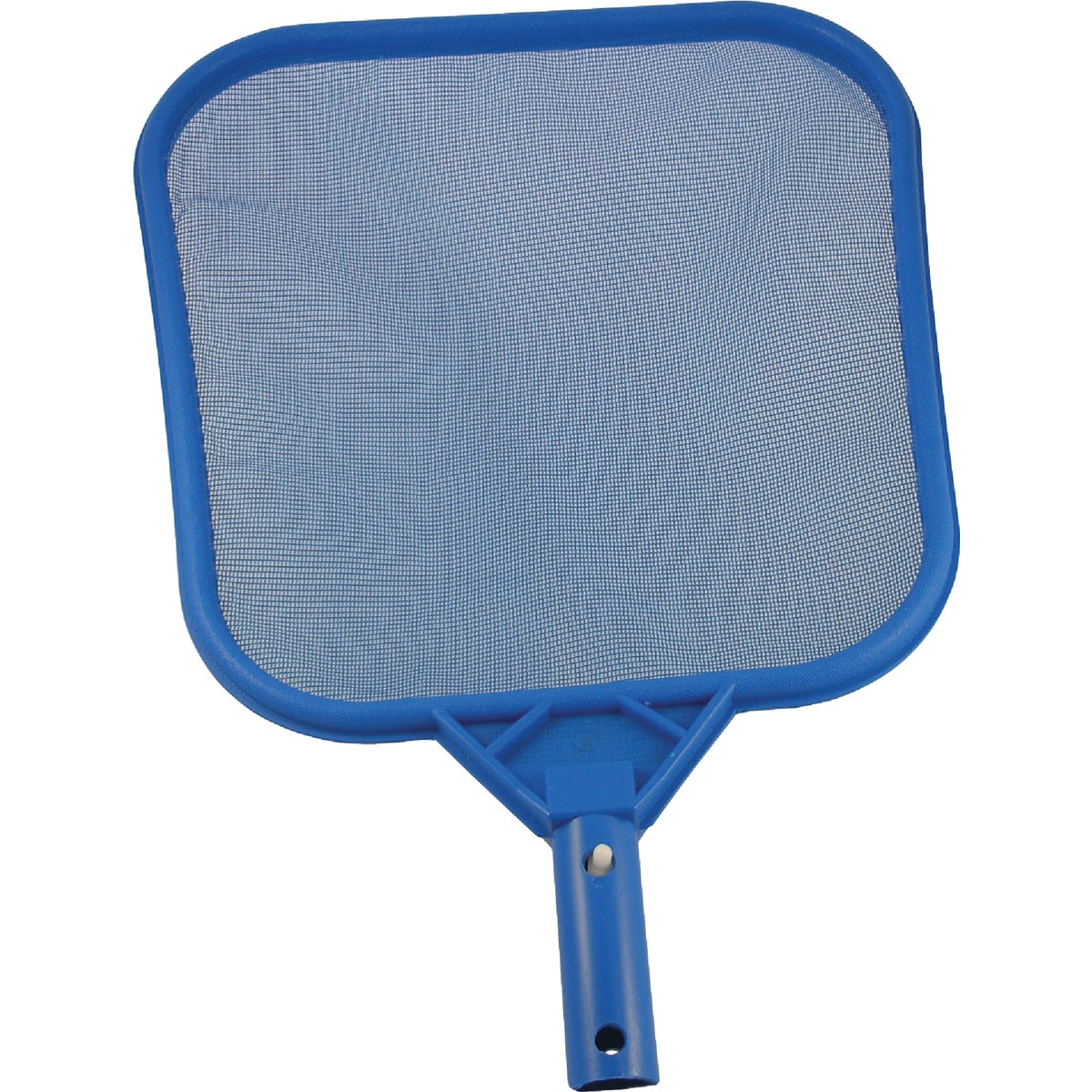
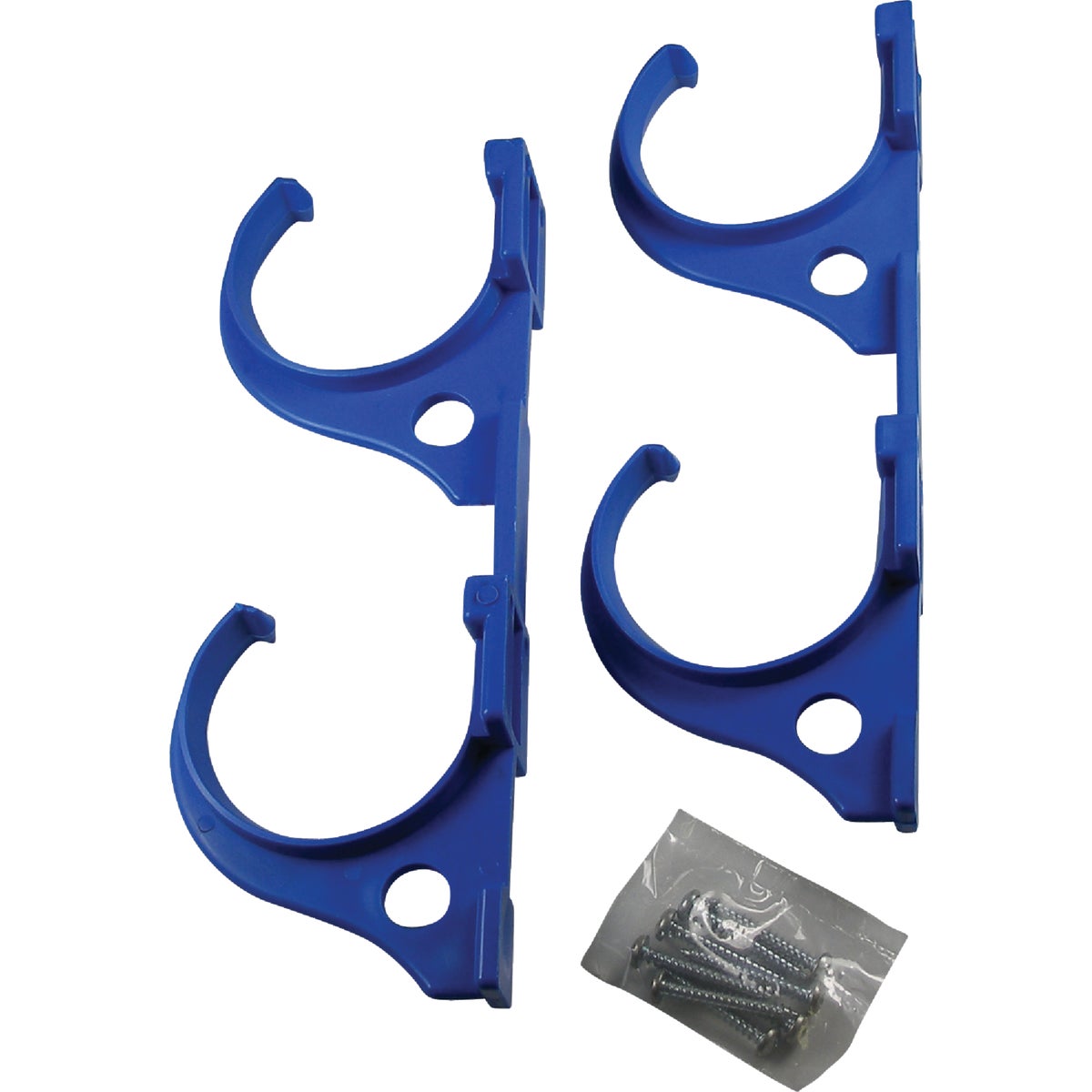
The mechanical half, and the half that prevents chemistry problems rather than correcting them. Algae takes hold where water is still — steps, corners, behind ladders — so brushing is not cosmetic. One good telescopic pole takes every attachment on this list.
Filter & Plumbing
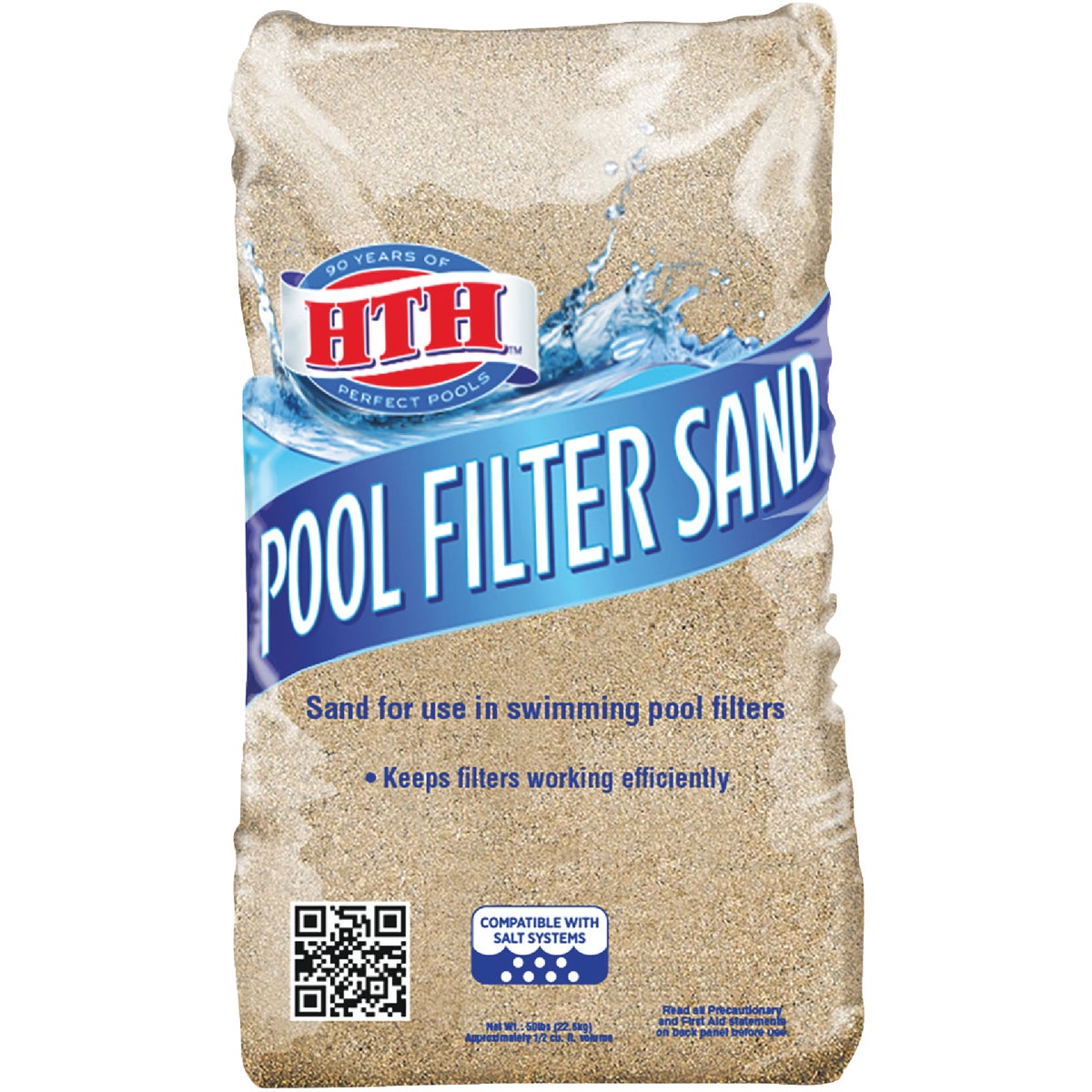
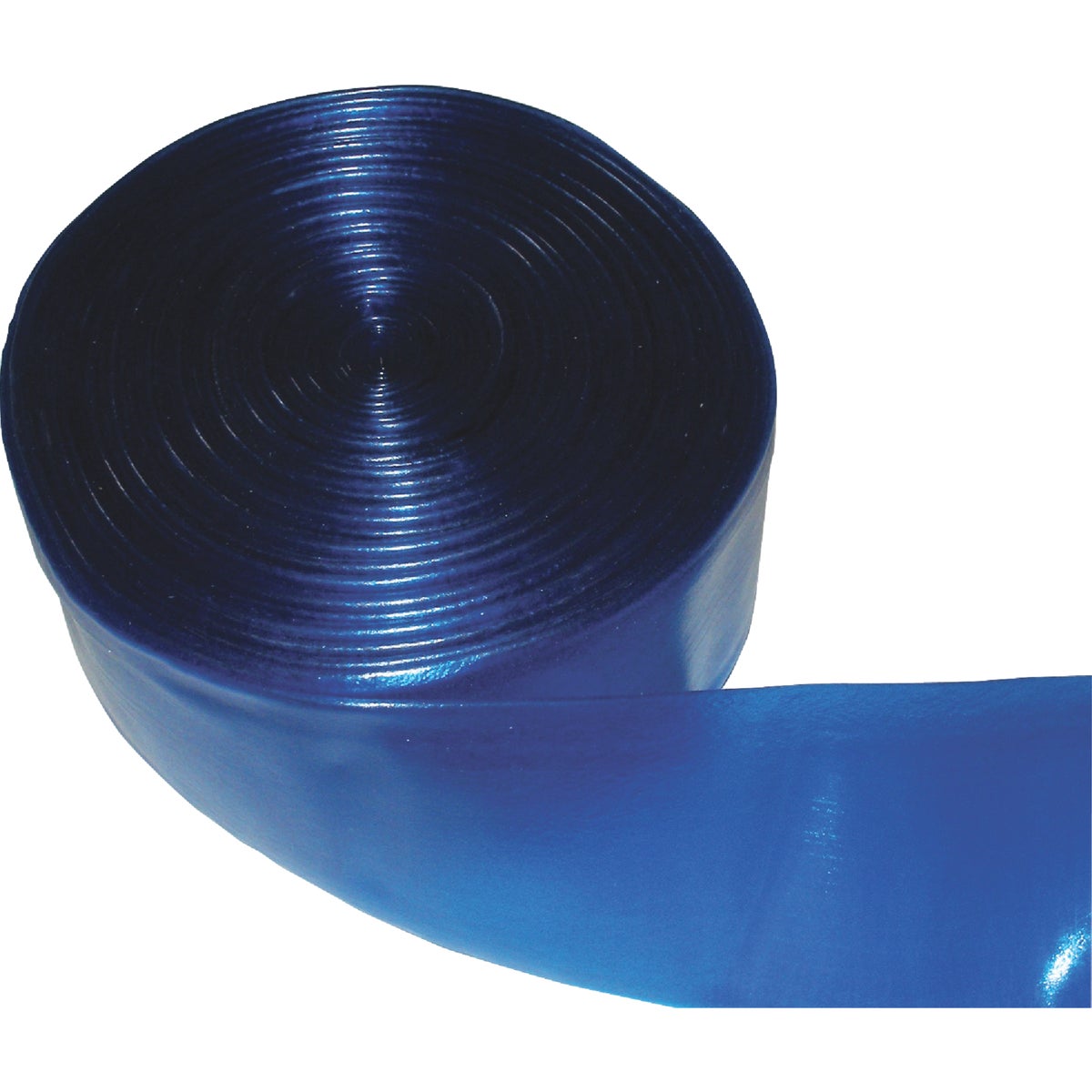
A sand filter is the most forgiving type there is, and the media only needs changing every several years. Rising pressure with falling flow is the signal to backwash; if backwashing stops fixing it, the sand is done.
Handling & Safety
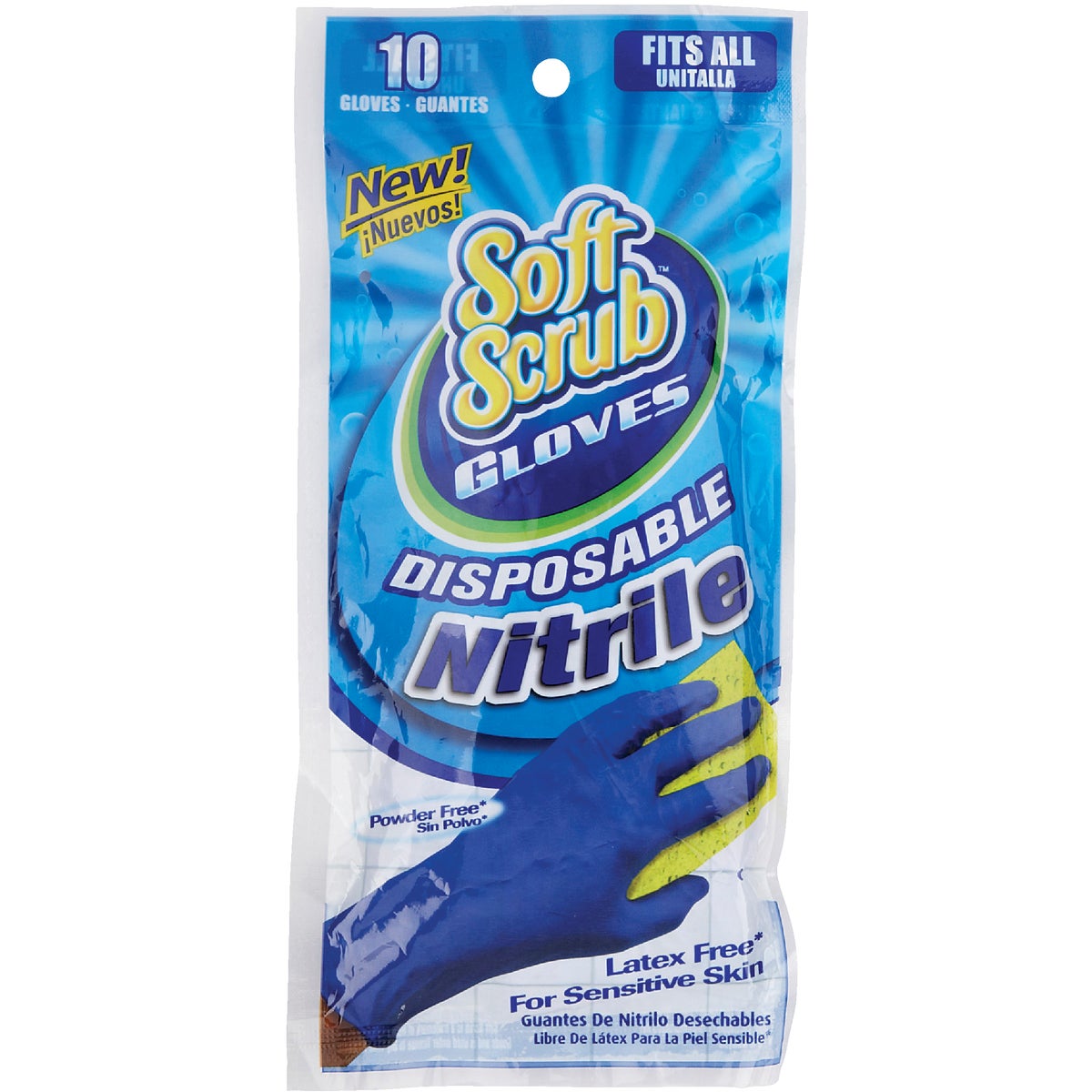
Pool chemicals are genuinely hazardous, and mostly for one reason: mixing them. Never combine chlorine products with acid, or different chlorine types, in a bucket or a feeder. Add chemical to water, never water to chemical, and store them separately.
How to Balance Pool Water in the Right Order
Most pool frustration comes from adjusting the right things in the wrong order. Alkalinity buffers pH, and stabilizer protects chlorine, so the two "background" numbers have to be right before the two you actually notice will hold.
Test everything before adding anything
Read free chlorine, pH, total alkalinity and cyanuric acid in one sitting. Adding chemicals to a pool you have not tested is how people end up with alkalinity at 250 and no idea why the pH will not move. Retest after heavy rain, which dilutes stabilizer and drops pH.
Fix total alkalinity first
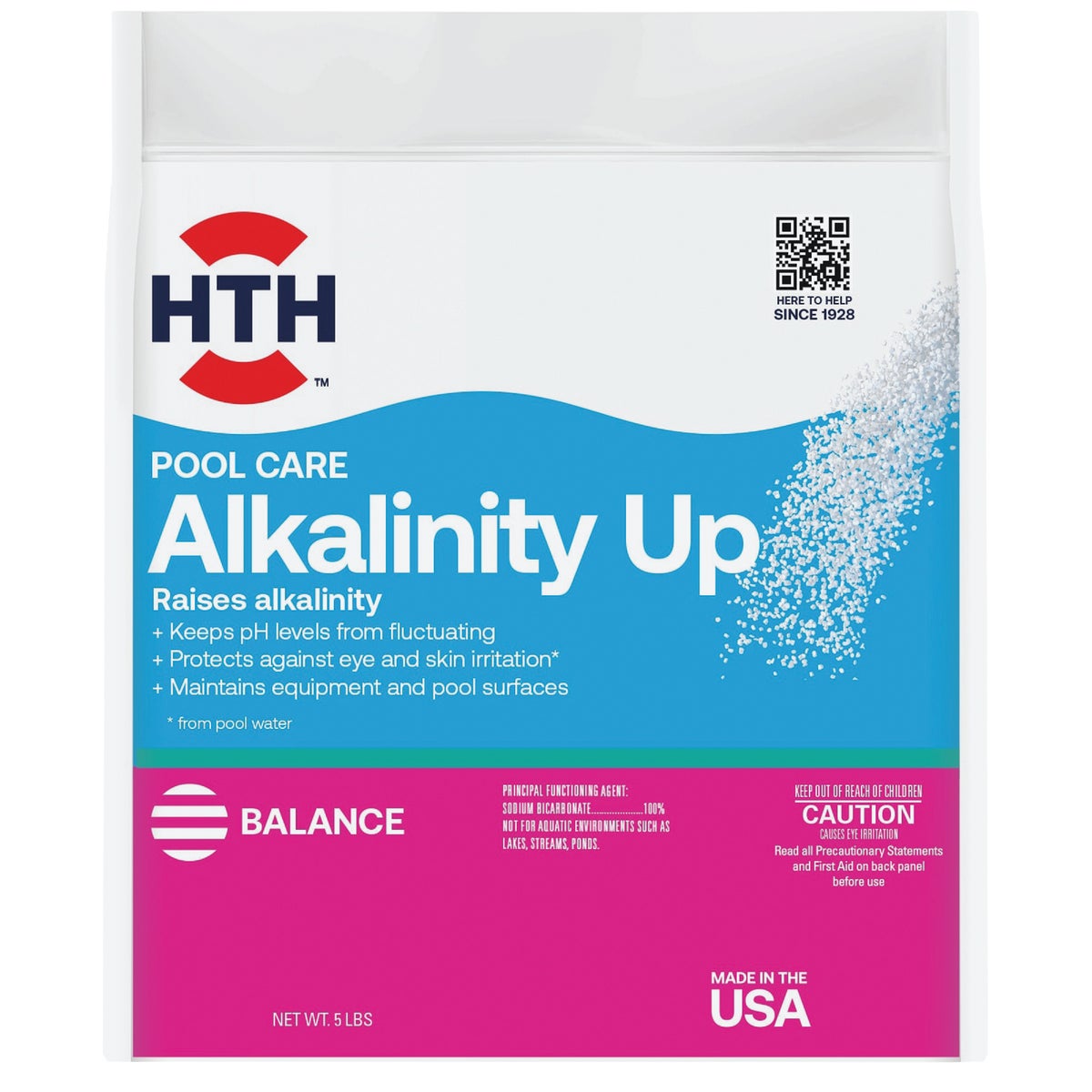
Target roughly 80–120 ppm. Alkalinity is the buffer that keeps pH stable — with it too low, pH swings wildly with every rainfall and chemical addition, and any pH correction you make will not hold. Raise it with an alkalinity increaser, add in stages, and let the pump circulate several hours between doses.
Then bring pH into range
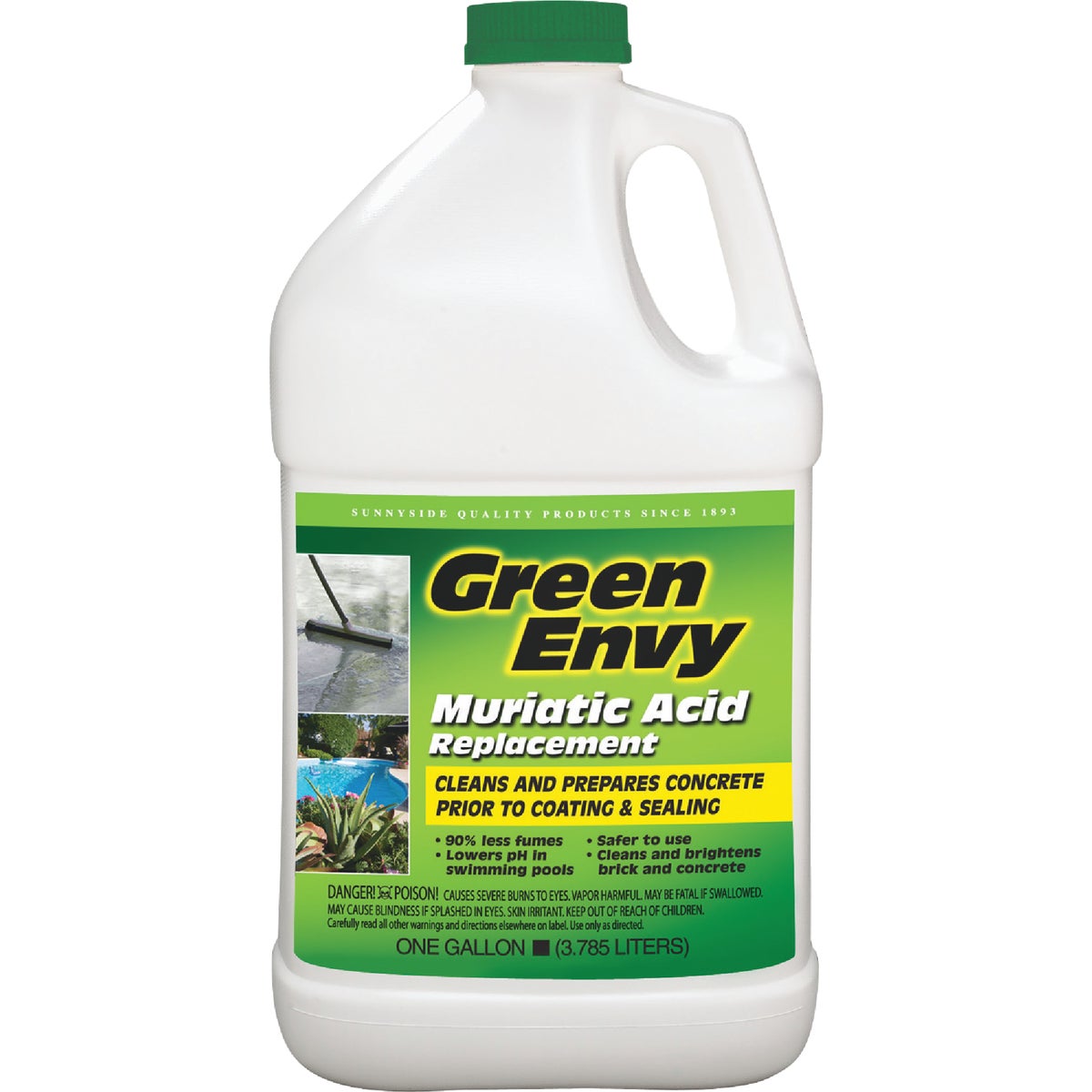
Target about 7.4–7.6. Lower pH with muriatic acid added slowly to a running pool, poured into the deep end away from the skimmer, never near chlorine products. This range is not arbitrary: at pH 8.0 much of your free chlorine is chemically inactive, so a pool can test fine for chlorine and still be under-sanitized.
Set stabilizer for the Florida sun
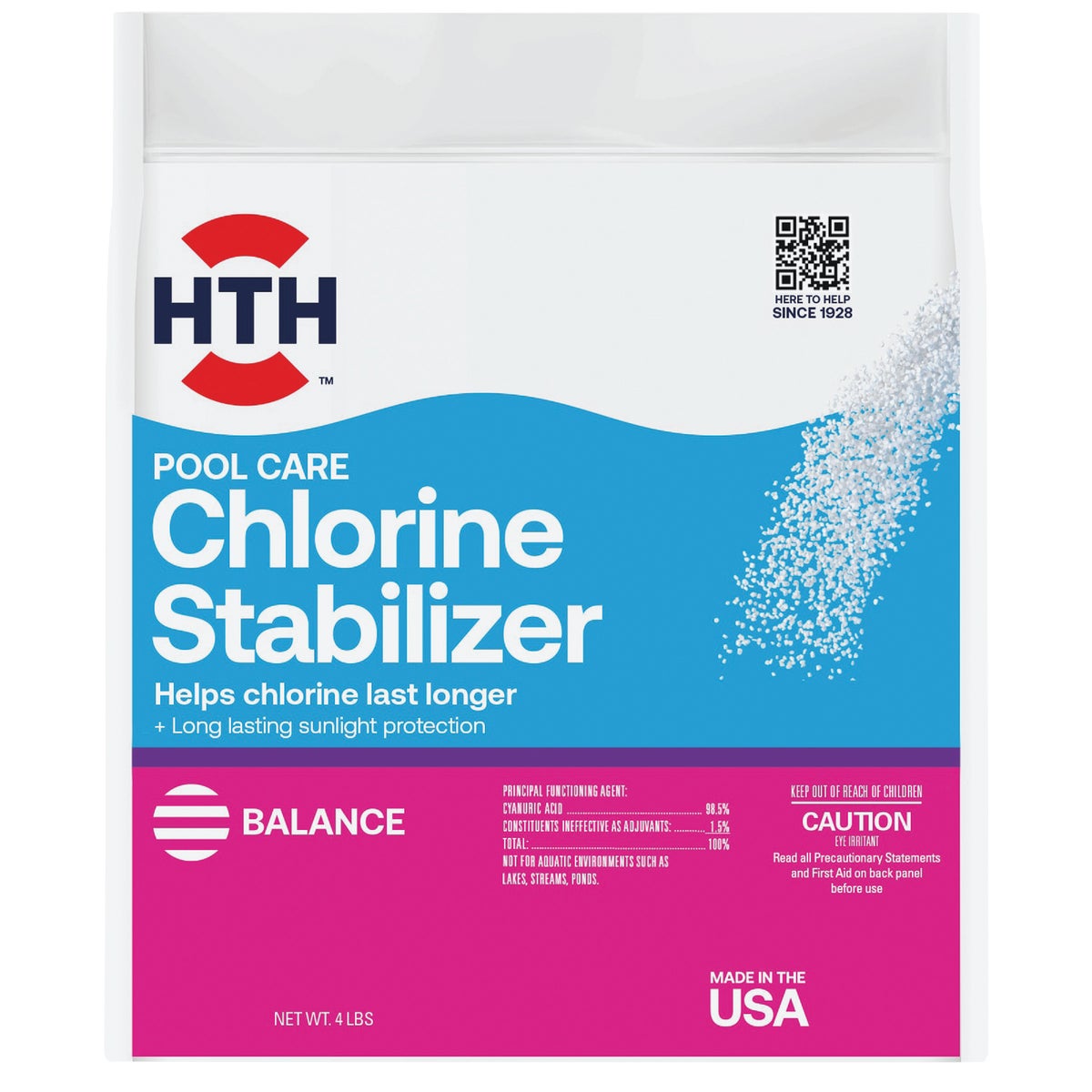
Cyanuric acid should sit around 30–50 ppm. Without it, direct sun destroys most free chlorine within hours — the single biggest chlorine drain in this state. Too much, though, and chlorine becomes sluggish. Trichlor tabs add stabilizer continuously, so if yours has climbed above 80 or so, switch to liquid chlorine for a while and dilute with fresh water.
Now chlorinate, and brush
With the background numbers right, hold free chlorine around 1–3 ppm with tabs in a floater, and shock at dusk after heavy rain or heavy use — never at midday, when the sun destroys it before it works. Then brush the steps, corners and waterline. Algae starts where water does not move, and brushing prevents more green pools than any chemical.
Pool Care Questions, Answered
Every five years or so for a typical residential sand filter, though it varies with use. The signal is not the calendar: it is when backwashing stops restoring normal pressure and flow. Over time the sand grains wear round and channel, so water passes through without being filtered. Replacing the media is a straightforward DIY job — drain the filter, scoop the old sand, refill to the fill line with fresh pool-grade filter sand.
Total alkalinity first, then pH, then stabilizer, then chlorine. Alkalinity buffers pH, so correcting pH while alkalinity is out of range means the pH will drift straight back. Stabilizer protects chlorine from sunlight, so chlorine added before stabilizer is set will burn off. Always add one chemical at a time with the pump running, wait several hours between additions, and never mix chemicals in a bucket.
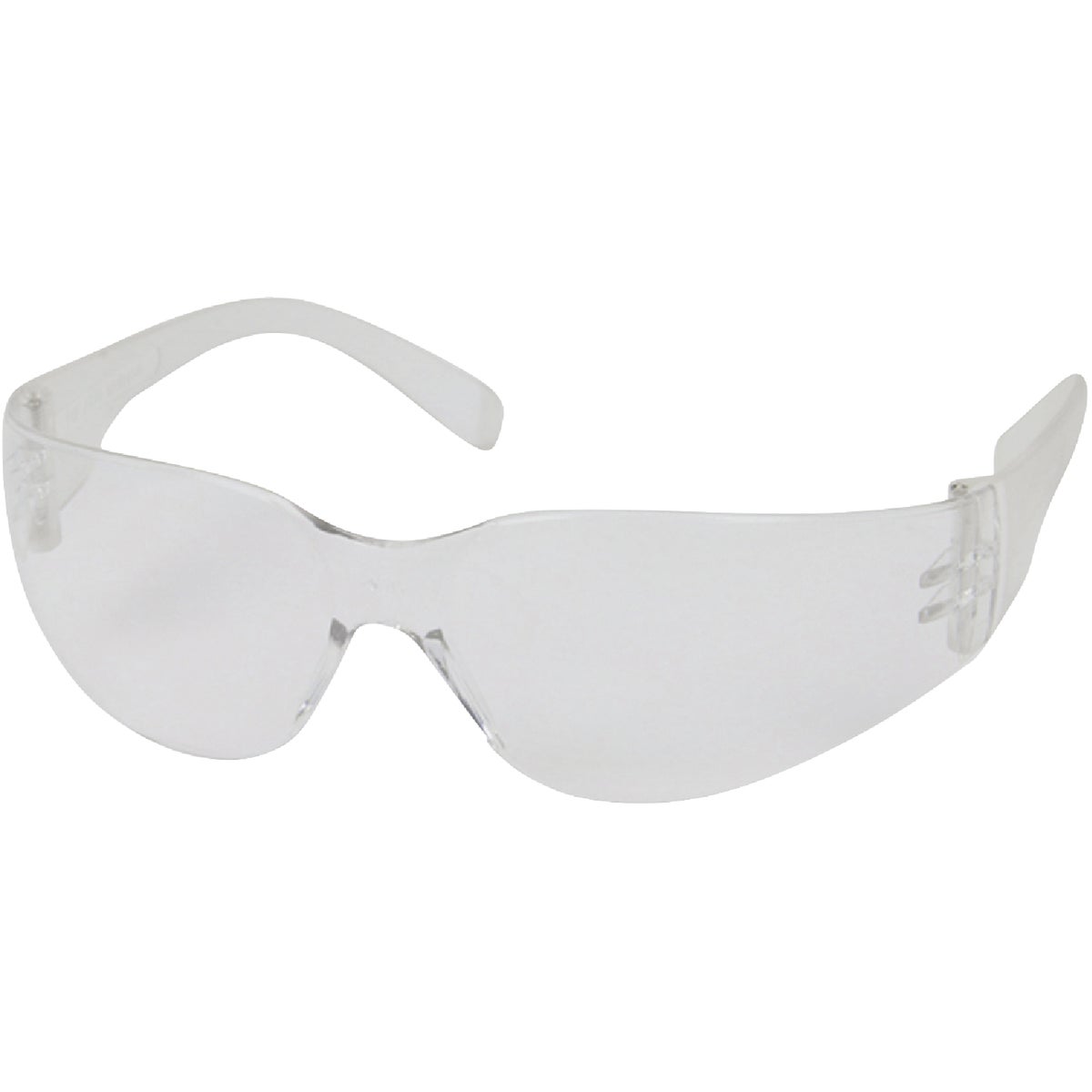
It depends on pool volume and how far off you are, so follow the dosing chart on the container and work in stages — add roughly half what you think you need, run the pump for several hours, then retest. Pour it slowly into the deep end of a running pool, away from the skimmer, and never near chlorine products or into a feeder. Add acid to water, never water to acid, and wear eye protection: this is the most hazardous thing most pool owners handle.
Heat and sun. Warm water grows algae fast, and UV destroys unstabilized free chlorine within hours, so a Florida pool can go from clear to green over a long weekend in a way northern pools do not. The usual causes are stabilizer too low (letting sun burn the chlorine off), pH too high (making the chlorine present chemically inactive), or simply not brushing the corners and steps where circulation is poor. A weekly preventive algaecide dose is much cheaper than clearing a green pool.
Cyanuric acid — pool stabilizer or conditioner — shields chlorine from ultraviolet light. In Florida sun, an unstabilized pool can lose most of its free chlorine in a few hours. Target roughly 30–50 ppm. The catch is that trichlor tabs add stabilizer every time they dissolve, so it climbs all season; above about 80–100 ppm chlorine becomes sluggish and you get algae despite good chlorine readings. The fix is partial draining and refilling, and switching to liquid chlorine, which adds none.
At dusk or after dark. Shock is unstabilized chlorine, and direct sunlight destroys it within a couple of hours — shocking at noon in Florida wastes most of the dose. Add it in the evening with the pump running so it circulates overnight and does its work before the sun comes up. Test before swimming the next day.
No, and this is the genuinely dangerous part of pool care. Never combine chlorine products with acid, and never mix different chlorine types — trichlor and cal-hypo together can react violently. Never pre-mix chemicals in a bucket. Add one chemical at a time, directly to the pool with the pump running, and wait several hours between additions. Store acid and chlorine separately and in a ventilated space.
For a typical residential pool, the weekly routine is testing, adding chlorine, brushing the walls and steps, emptying the skimmer basket, and vacuuming — perhaps thirty minutes. Everything on this page supports that. A service is worth it for a pool you cannot get to regularly, for equipment repairs, or for a persistent problem you have already tried to solve. Chemicals bought here rather than at a pool store typically cost meaningfully less for the same active ingredients.
Usually filtration rather than chemistry. Very fine particles pass straight through a filter and stay suspended. A clarifier clumps them together so the filter can catch them — that is exactly the problem it solves. Also check your run time: in Florida heat, most pools need the pump running eight to twelve hours a day in summer, and cutting it back to save electricity is a common cause of persistent haze.
Family Hardware stocks chlorine tabs, shock, liquid chlorine, muriatic acid, alkalinity increaser, stabilizer, algaecide, pool filter sand, test kits, poles, brushes and vac heads at both stores. Cape Coral: 622 SE 47th Terrace — (239) 542-6365. Fort Myers: 13101 McGregor Blvd — (239) 933-1744. Open Mon–Sat 7 AM–6 PM and Sun 8 AM–3 PM, which covers an early Saturday pool morning.
Related Guides
These overlap with this list more than you would expect — often the same shopper, and frequently the same aisle.
Pick It Up Today in Cape Coral or Fort Myers
Order online for free in-store pickup — usually ready within 2 hours — or just come in. Prices shown are our everyday shelf prices at both stores; stock on any single item is on its product page.
622 SE 47th Terrace, Cape Coral, FL 33904
Mon–Sat 7 AM–6 PM | Sun 8 AM–3 PM
Departments, services and directions for our Cape Coral store →
13101 McGregor Blvd, Fort Myers, FL 33919
Mon–Sat 7 AM–6 PM | Sun 8 AM–3 PM
Departments, services and directions for our Fort Myers store →
Free shipping on orders over $99 • Free in-store pickup • Online customer service: 877-755-2005
About Family Hardware
Store Locations
About Us
Hurricane Prep Guide
Hobby Supply Guides
Employment
Customer Service
Contact Us
Returns
Shipping & Tracking
Gift Card Balance
Rewards
Promotions
Credit Application
Tax Exempt Purchases
Terms of Service
Privacy Policy
Locations
Cape Coral
Fort Myers
All Store Locations
Grills
Grill Store — All Grills
Alfa Pizza Ovens
Big Green Egg
Napoleon
Challenger Designs
Delta Heat
Tagwood BBQ
Twin Eagles
Replacement Parts
Warranty
Services
All Services
Saw Blade Sharpening
Saw Blade Shop
Key Cutting
Screen Repair
Propane Exchange
Lamp Repair
Key Fob Batteries
Freud
Lamello P-System
Popular Tools Saw Blades
Diablo
Tenryu
© 2026 Family Hardware. Family Hardware and the Family Hardware logo are registered trademarks of Family Hardware Corporation. All rights reserved.