
Palm, Orchid & Tropical Plant Care Supplies
Southwest Florida sand does not hold nutrients, which is why palms here go yellow and nobody can work out why. The fix is specific: a palm fertilizer with magnesium and manganese, not lawn food. Everything on this page is stocked for this soil and this climate.
Short answer
Southwest Florida soil is sand, and sand holds almost no nutrients — so plants here are hungry in a way they are not up north. Three things explain most of what goes wrong. Yellowing or frizzled palm fronds are usually a magnesium or manganese deficiency, not underwatering, and lawn fertilizer makes it worse because the nitrogen pushes growth the palm cannot support. Use a palm-specific fertilizer (look for an 8-2-12 style ratio with magnesium and manganese) and Epsom salt for the magnesium side. Orchids are not planted in soil — they are epiphytes, and potting soil suffocates the roots; they want coarse bark. And test before you feed: our sand runs alkaline, which locks up iron and manganese no matter how much fertilizer you add. A $10 pH test saves a season of guessing.
The Southwest Florida Yard Kit
If you just moved here and things are yellowing, start with these. Feed the palms correctly, fix the magnesium, and find out what your soil is actually doing. These 5 items run about $101.95 all in.
Palm Feeding & Deficiency Fixes
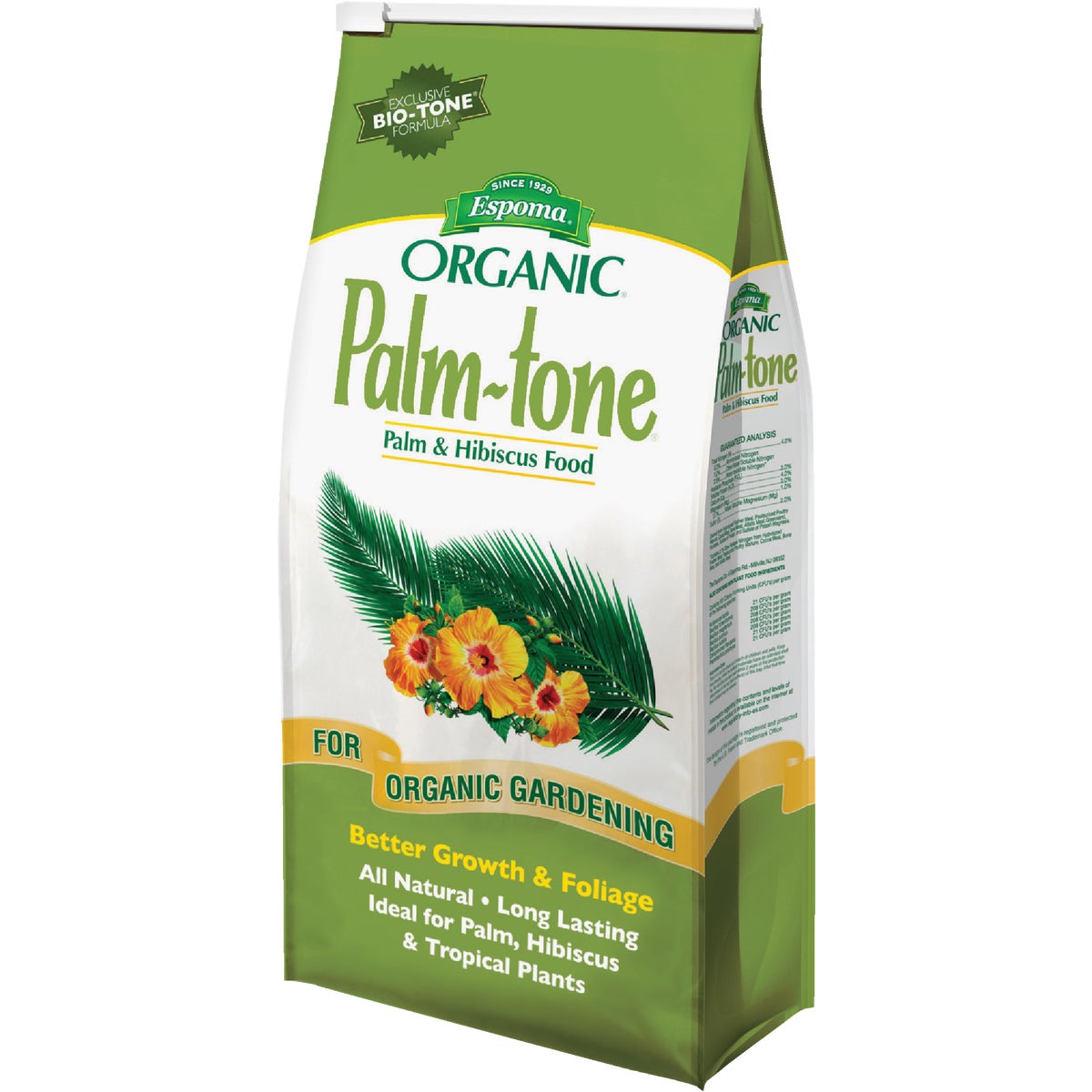
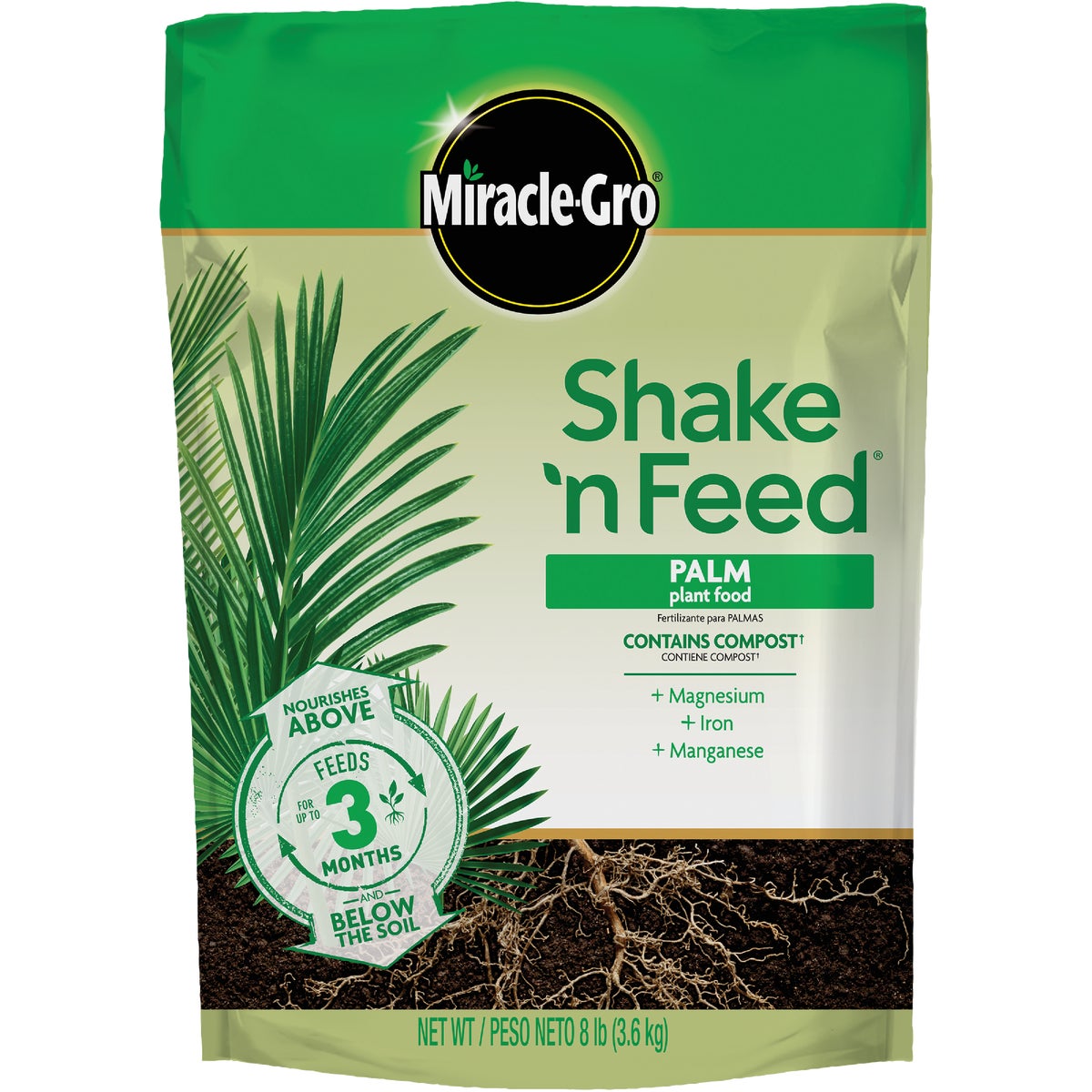
Palms are the single most common plant problem in Cape Coral, and almost always the same problem: sand cannot hold the magnesium, manganese and potassium a palm needs, so the fronds go yellow from the tips back or emerge stunted and frizzled. Lawn fertilizer is the wrong tool — high nitrogen pushes growth the palm has no minerals to build. Feed a palm-specific blend three or four times a year and most of it resolves on its own.
Orchids, Bromeliads & Epiphytes
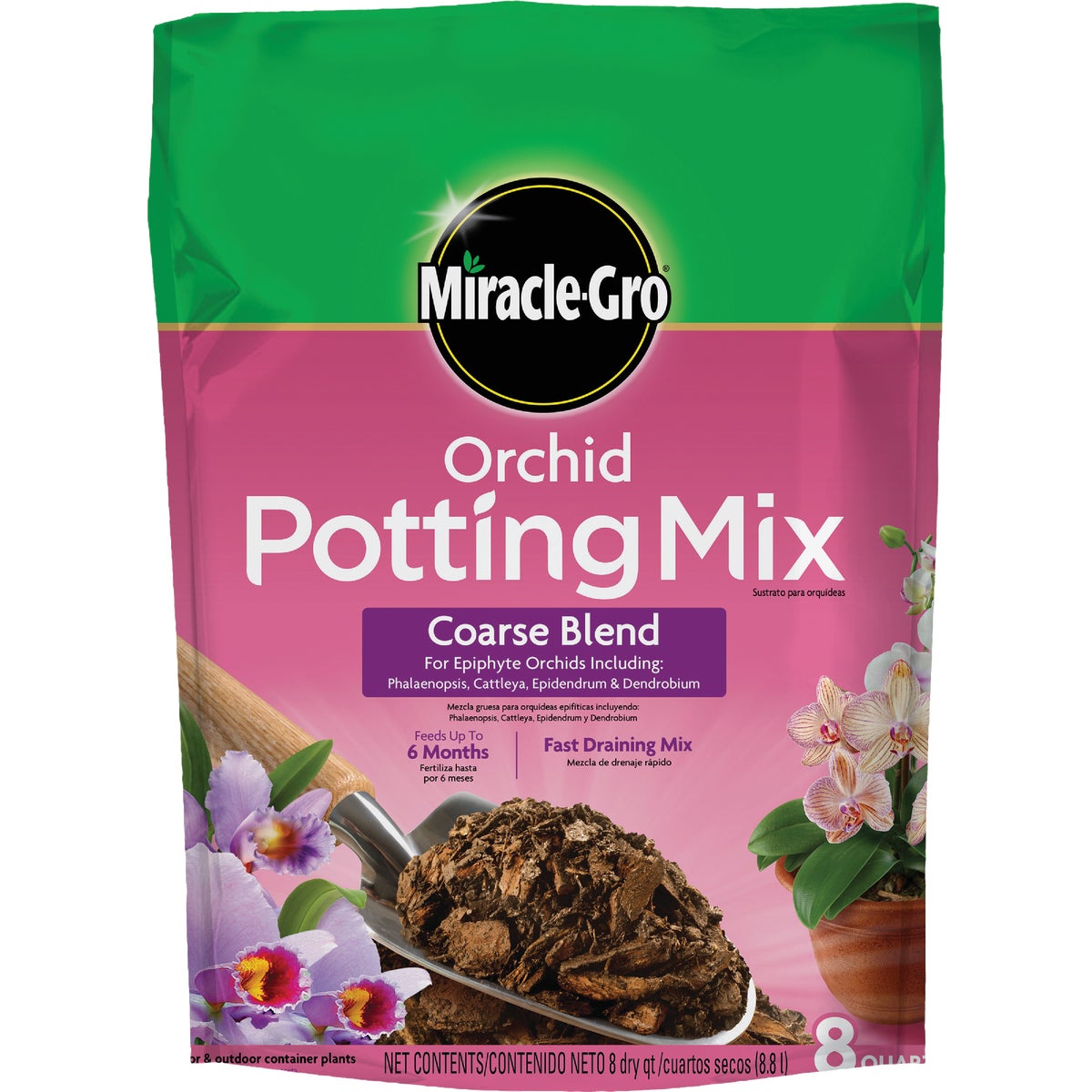
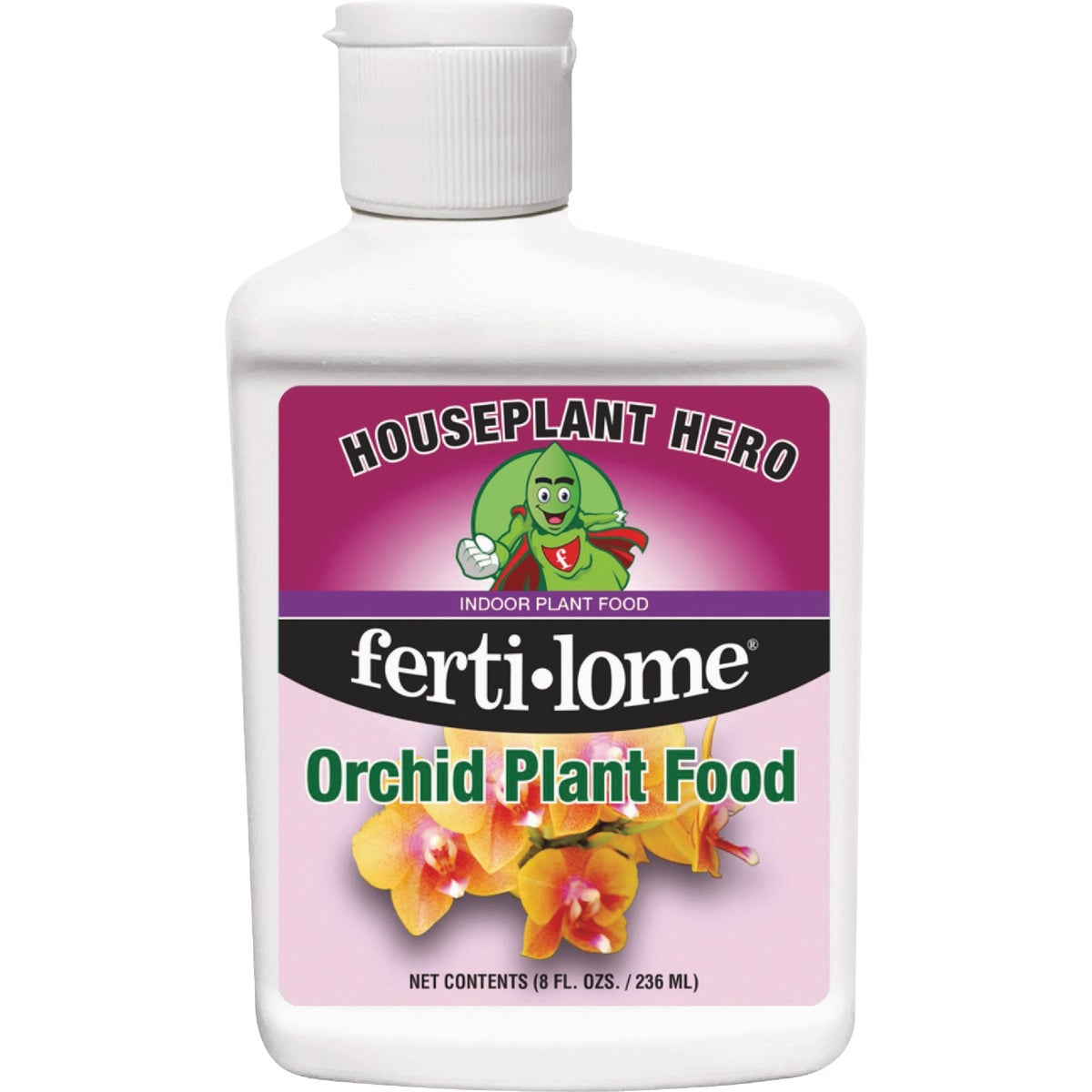
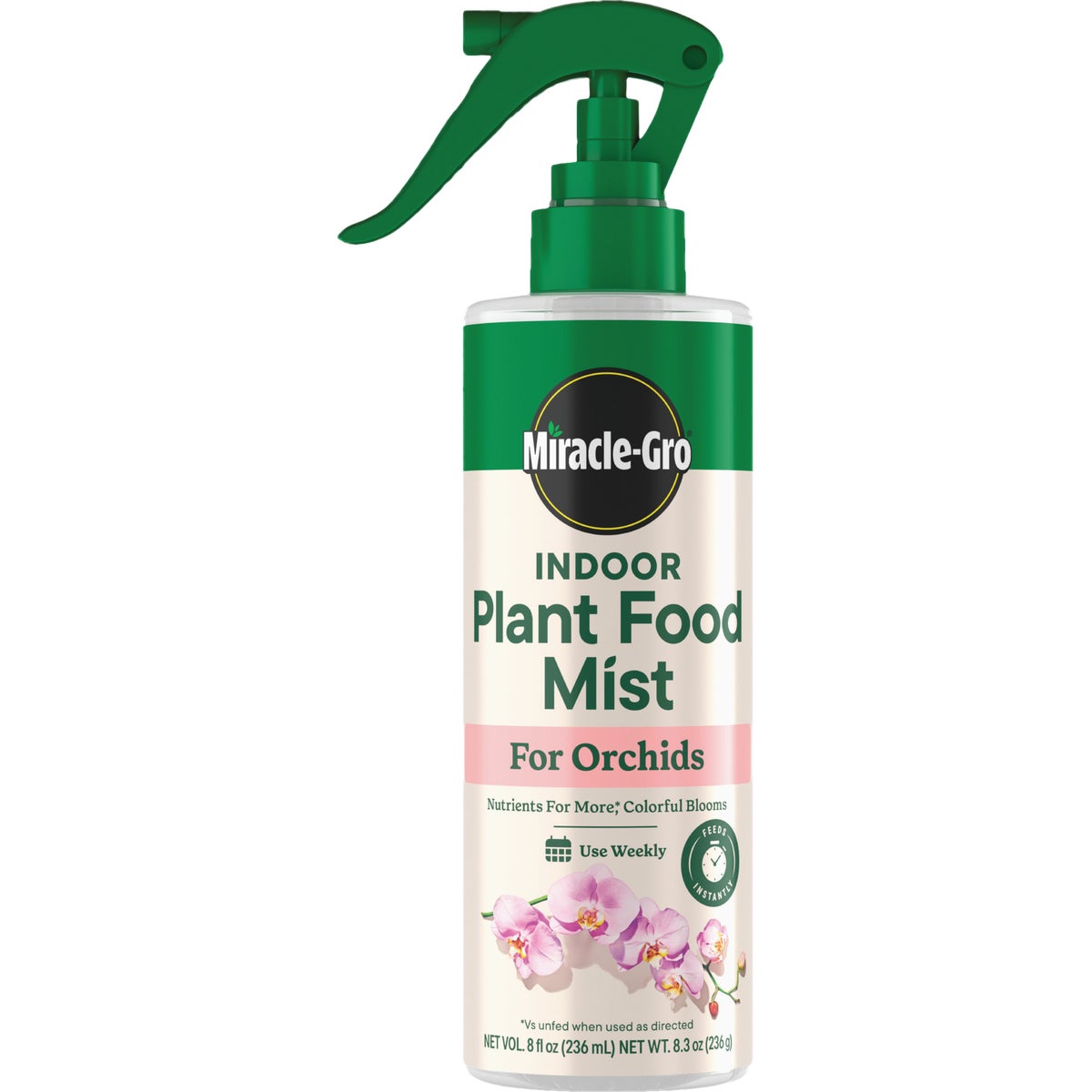
The one thing to know: orchids do not grow in soil. In the wild they grow on tree bark with their roots in open air, so potting mix holds water against the roots and rots them. They want coarse bark that drains almost instantly, a diluted feed, and to dry out between waterings. Our humidity does half the work for you here — which is why orchids thrive in Southwest Florida once they are in the right medium.
Soil, Mixes & Amendments
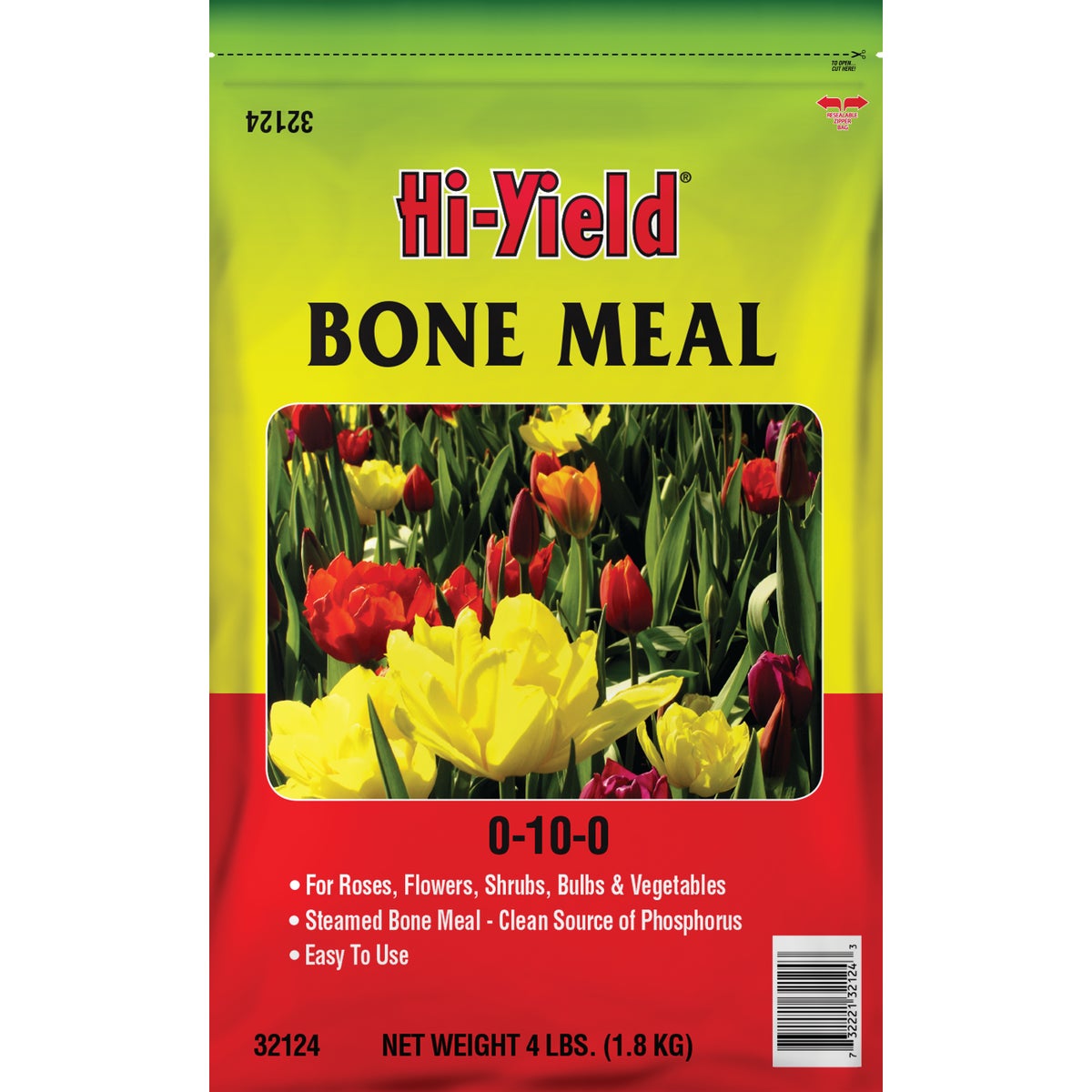
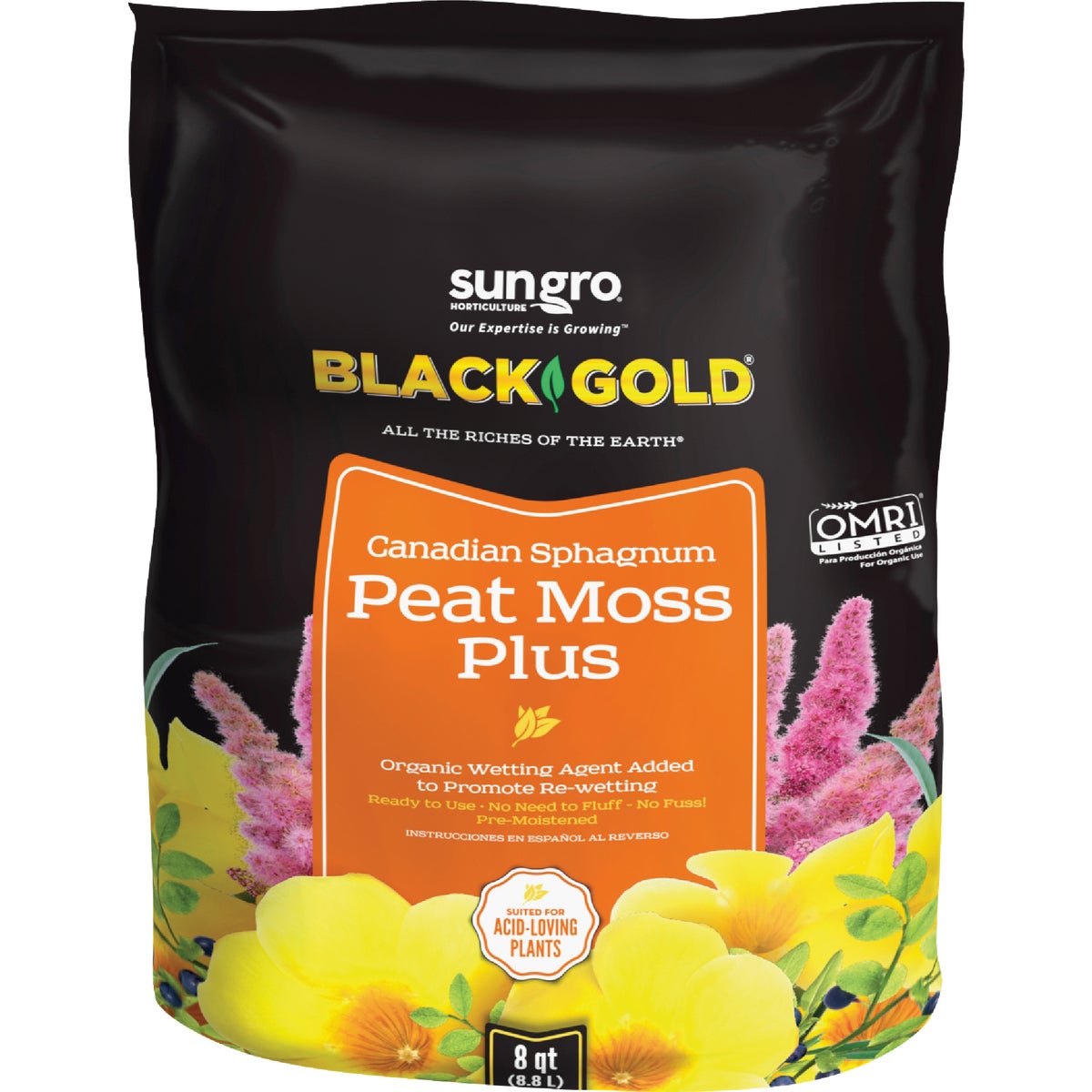
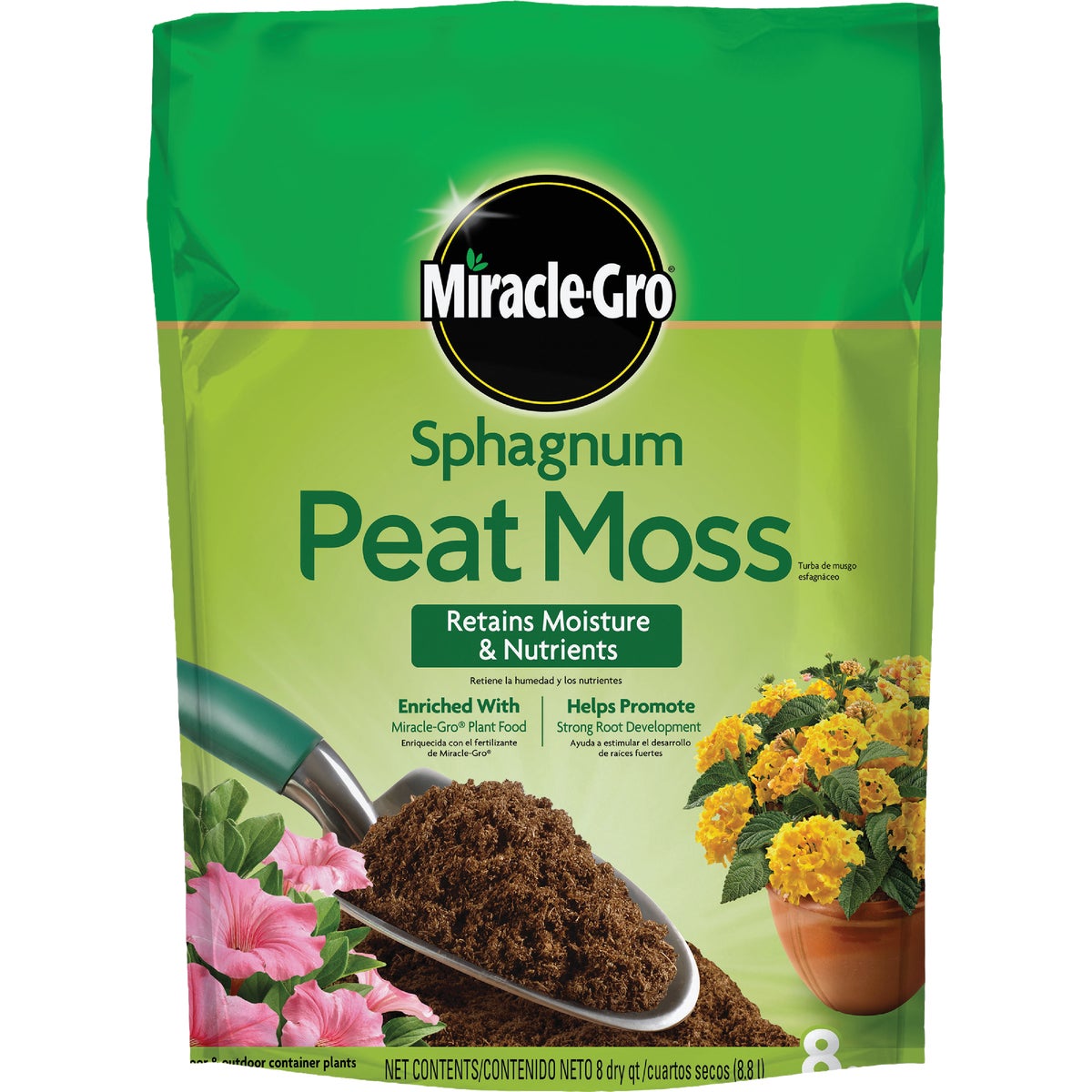
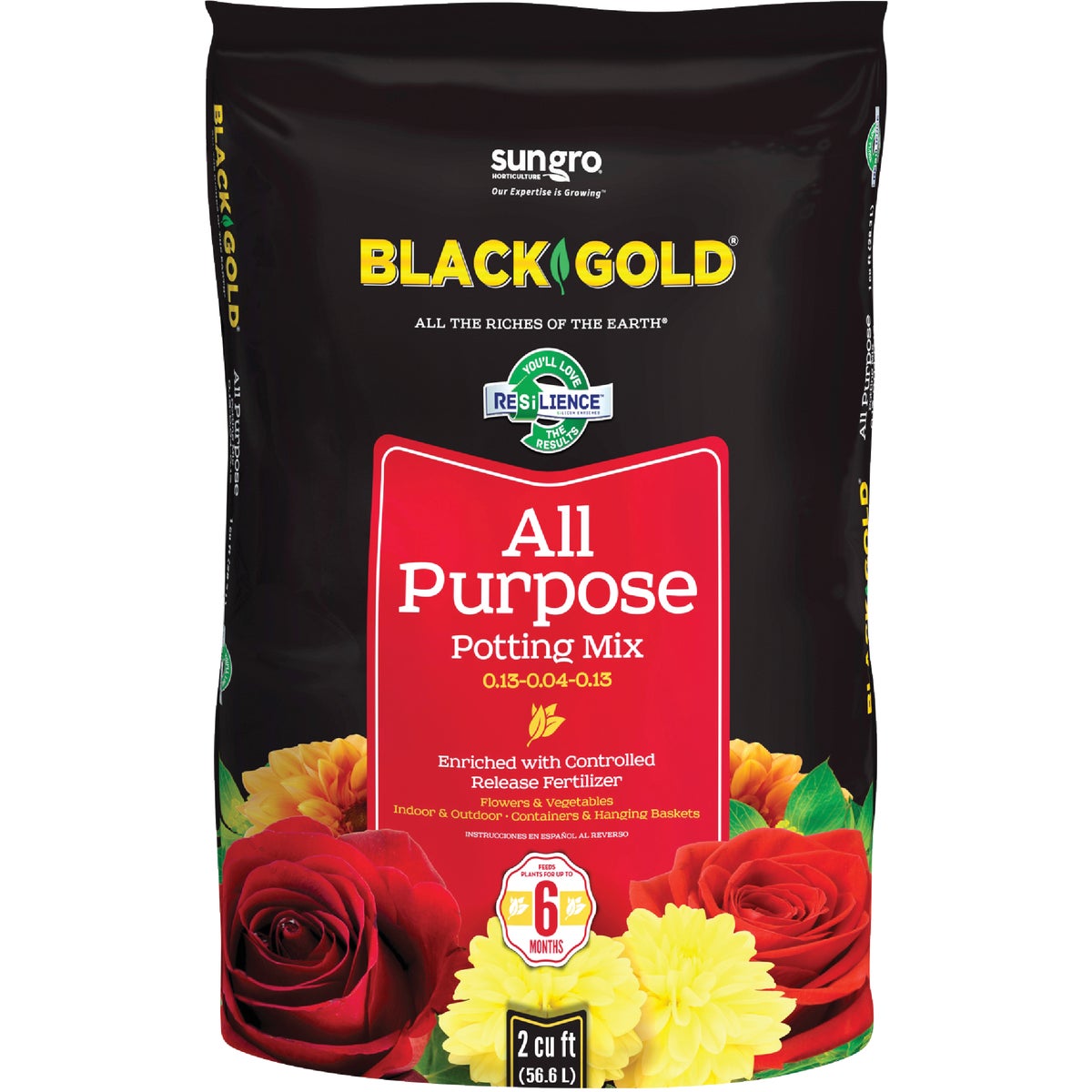
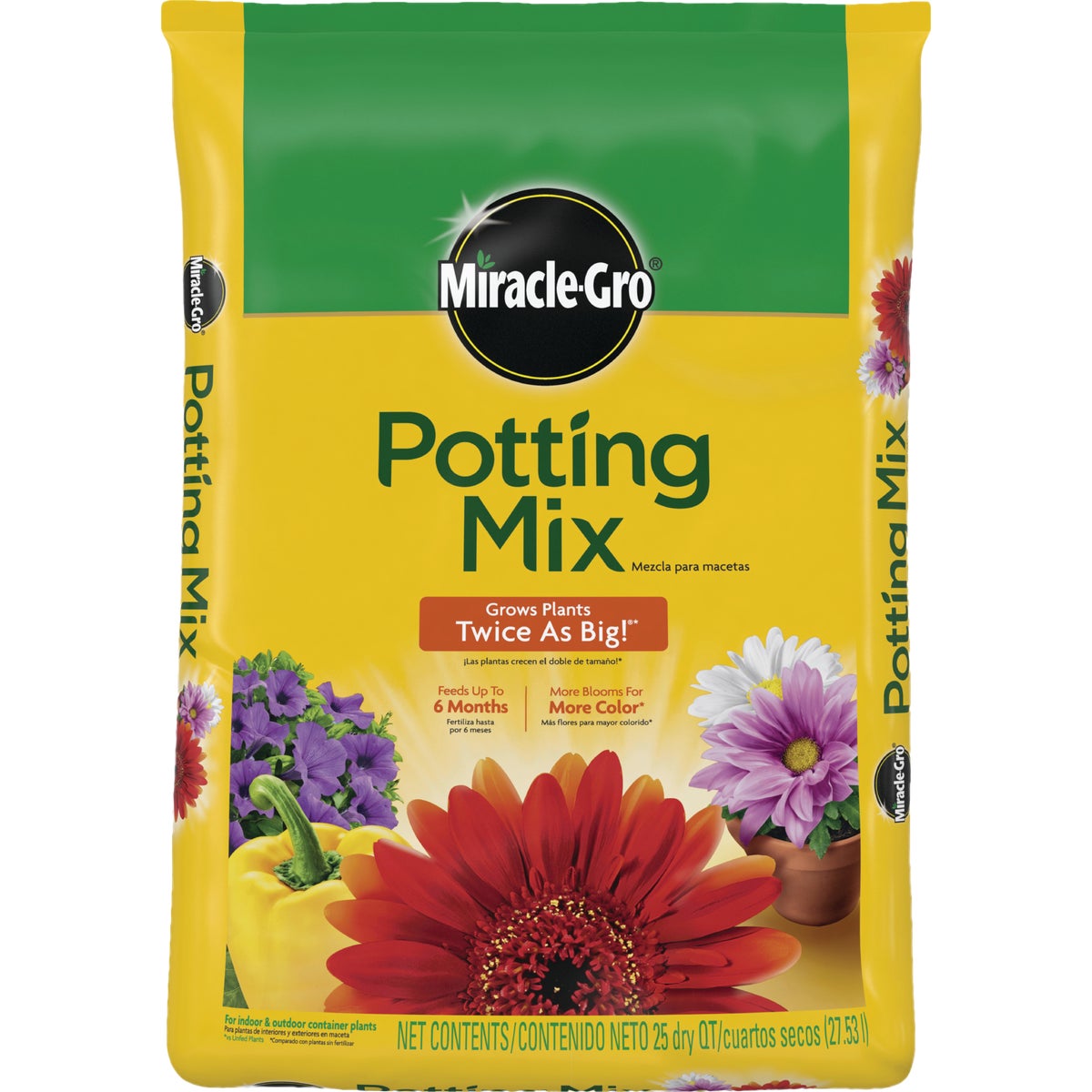
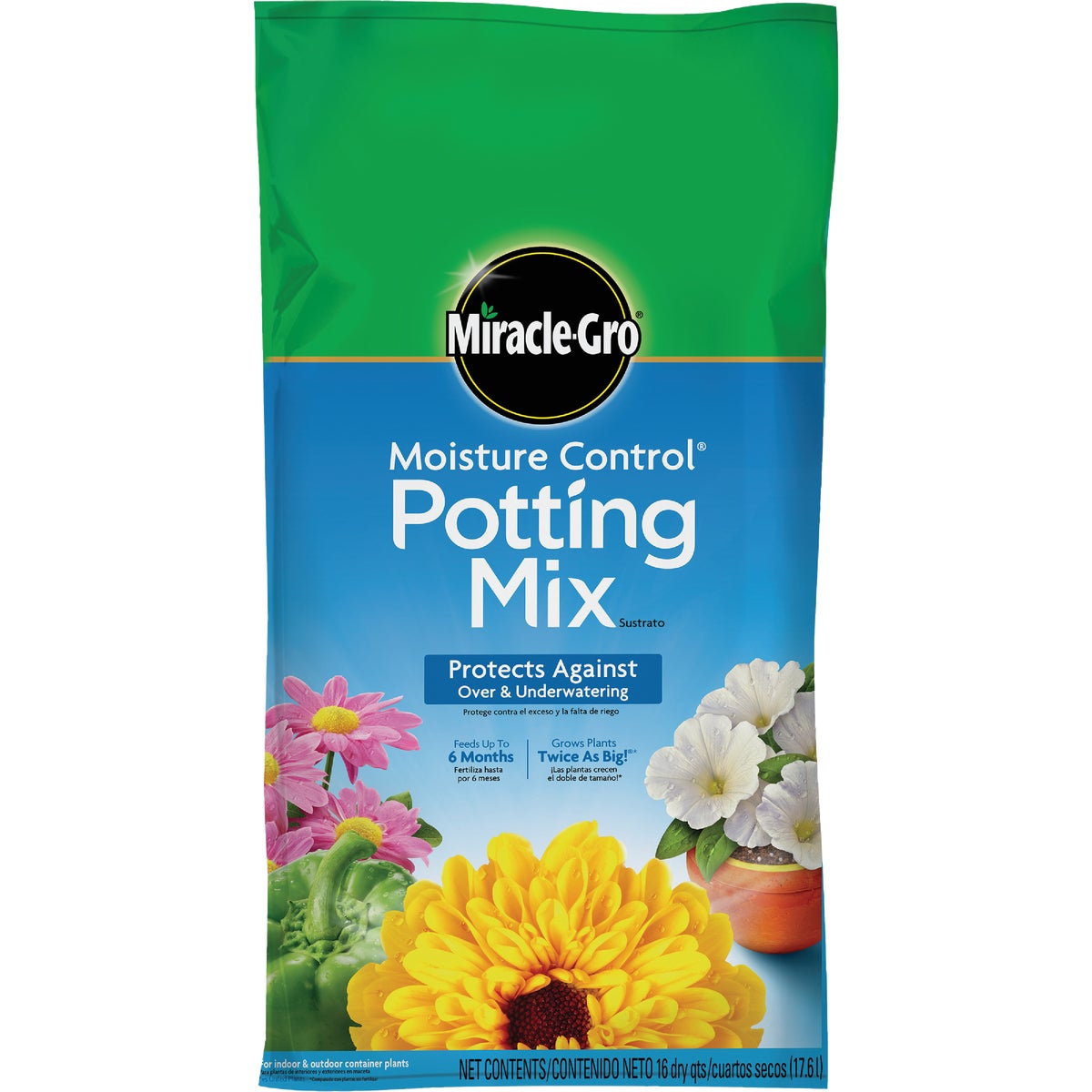
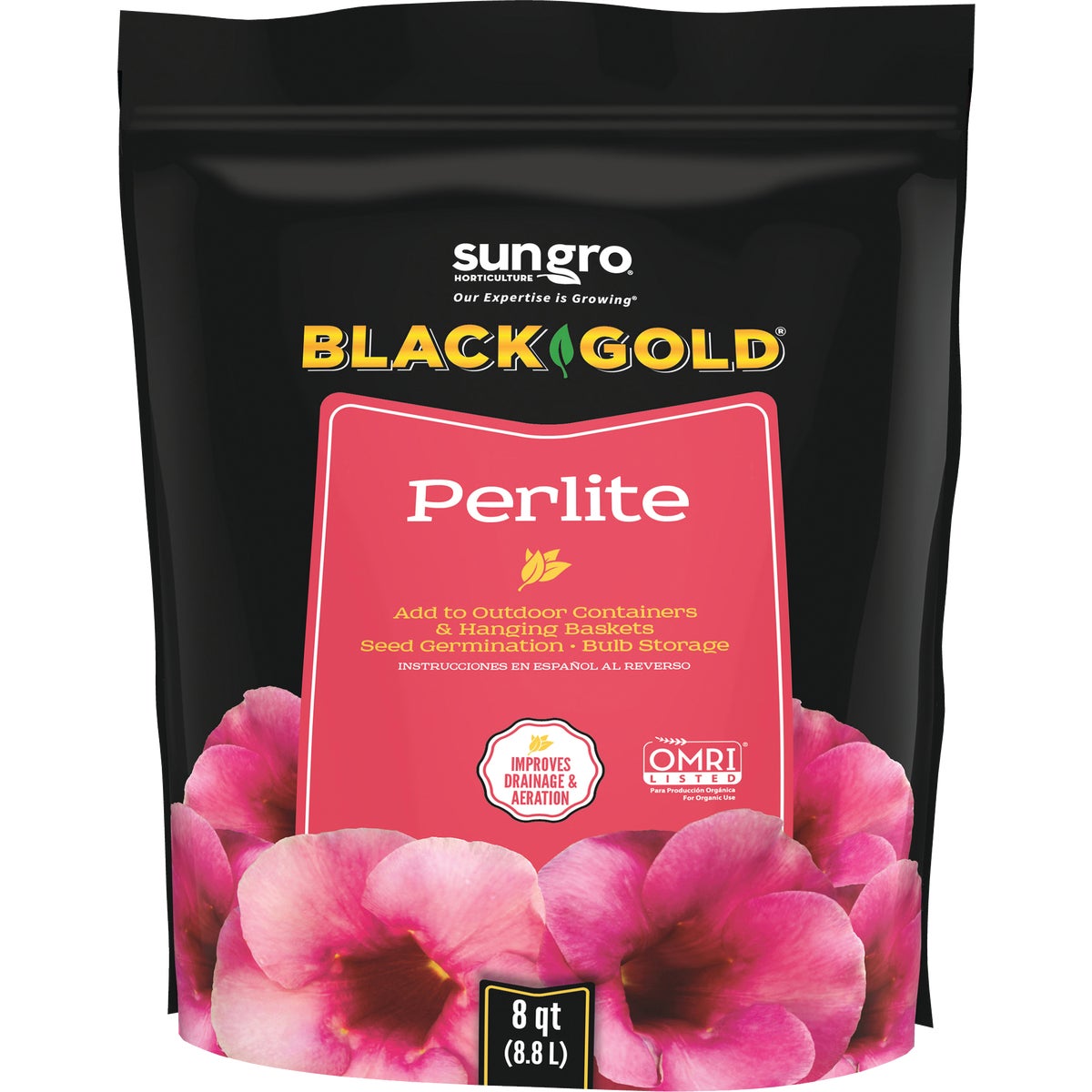
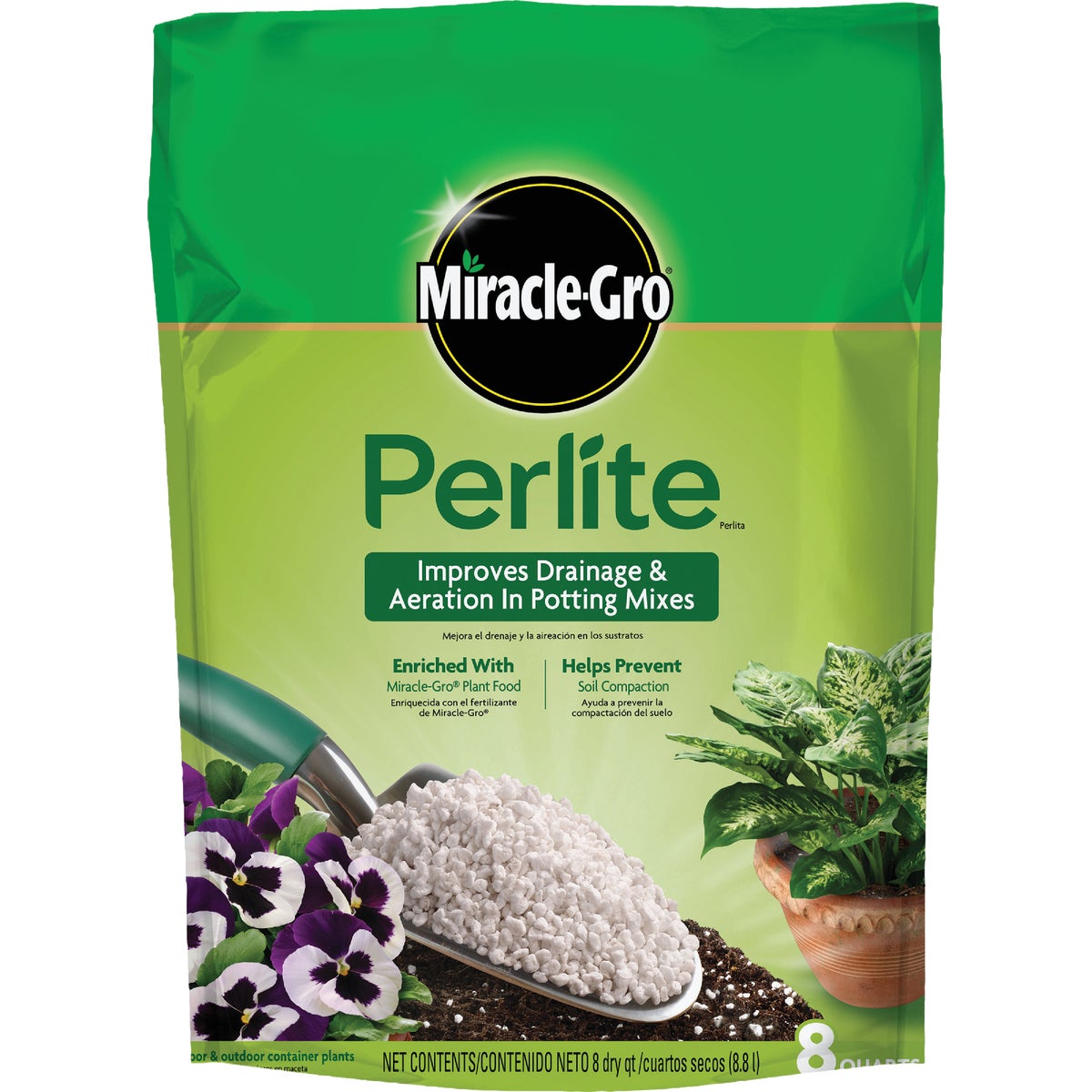
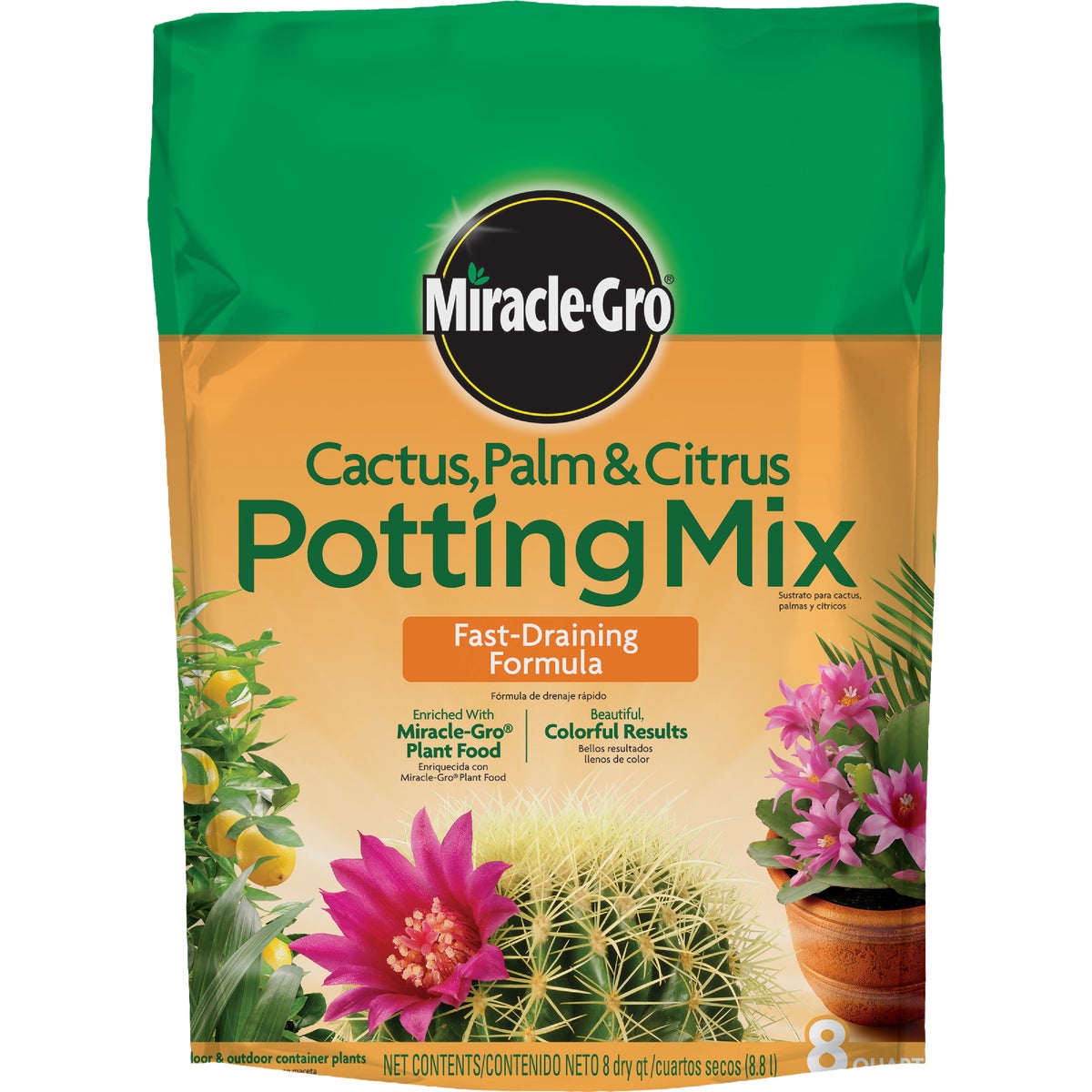
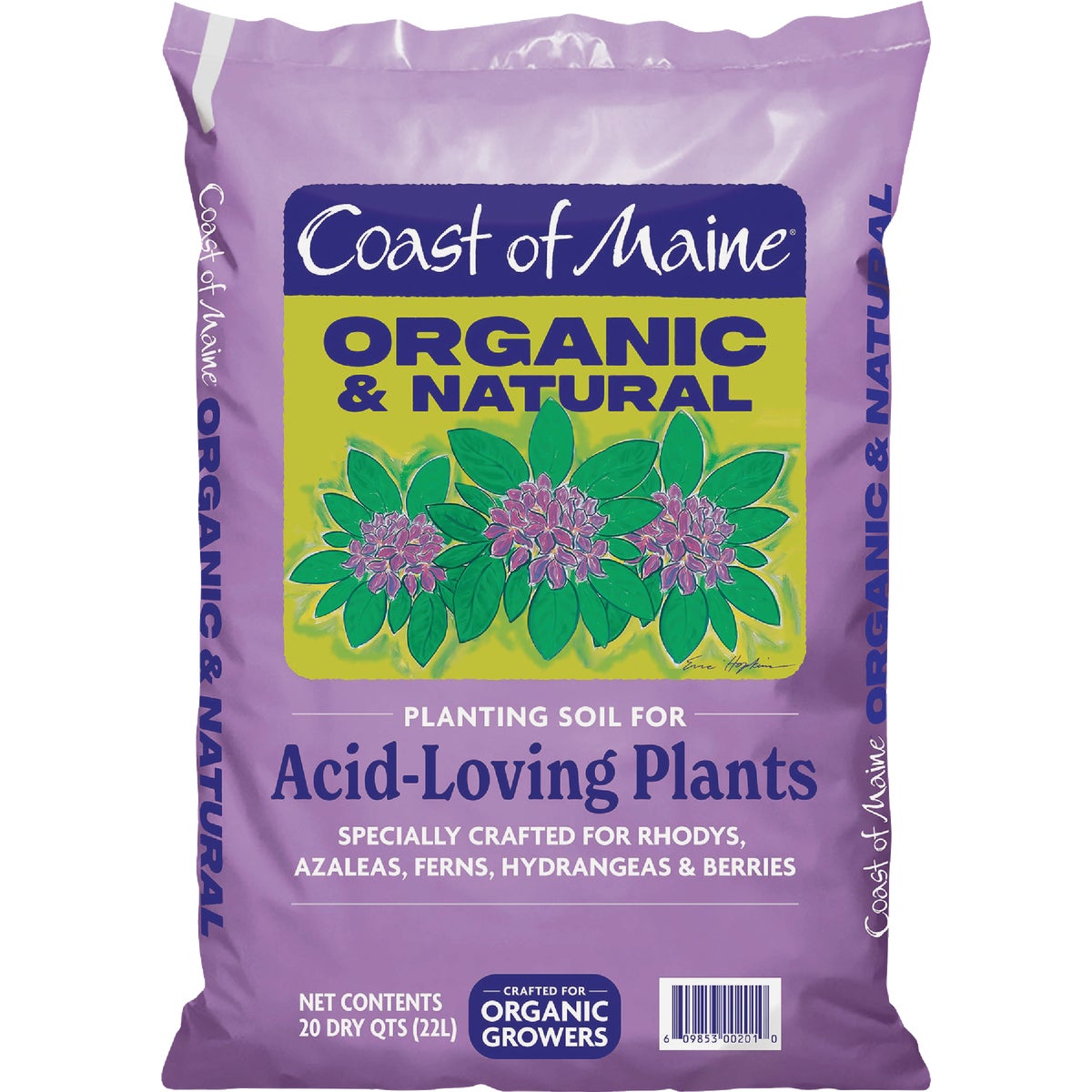
Native sand drains fast and holds nothing. For beds and containers you are effectively building soil rather than improving it: a real potting mix, perlite where you need drainage, peat where you need water retention, and an acidic mix for the plants our alkaline ground will not let feed themselves.
Citrus & Fruit Trees
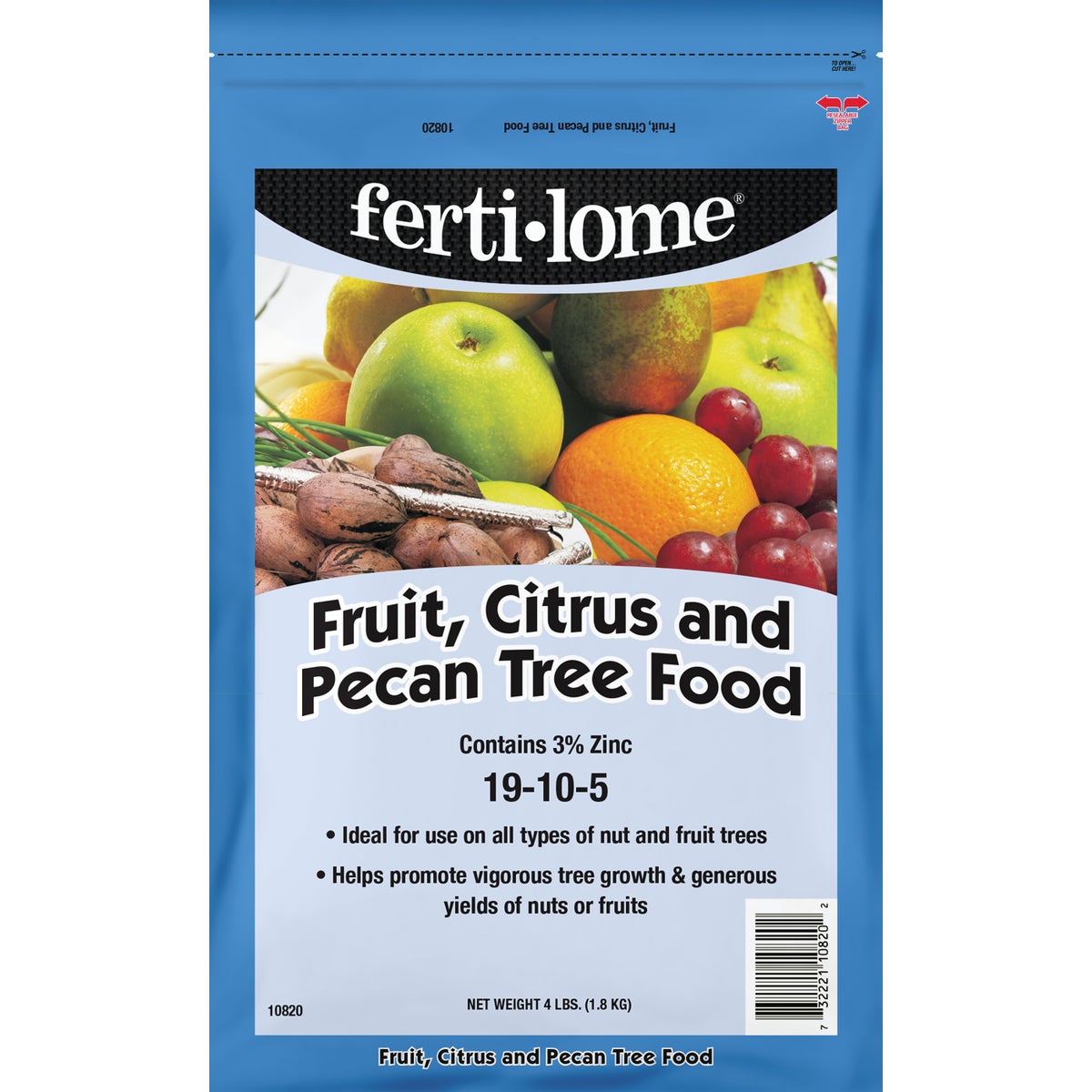
Citrus is the other thing everyone inherits with a Florida house. It is hungrier than people expect and it shows deficiencies in the leaves the same way palms do — yellowing between the veins means micronutrients, not water.
Soil Testing
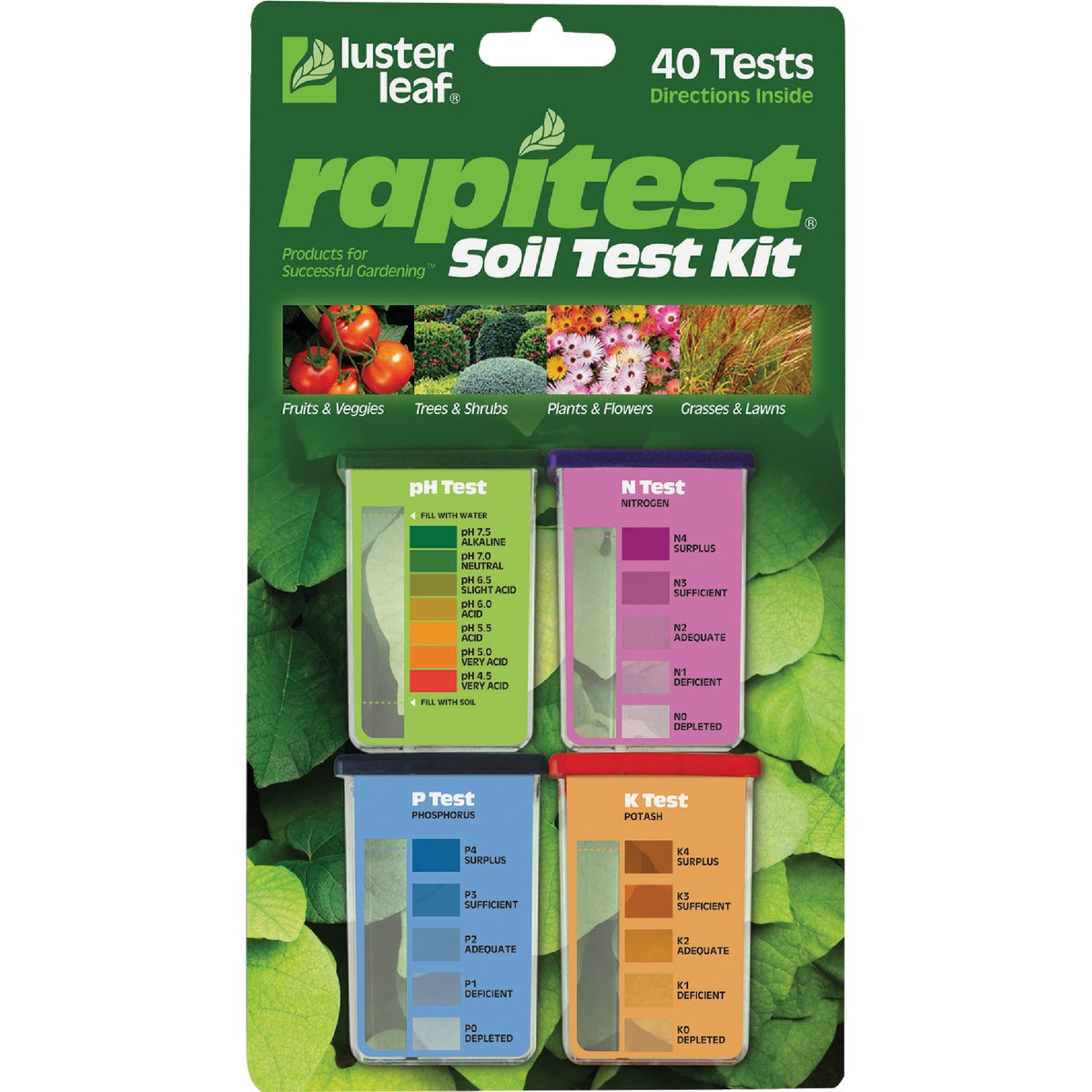
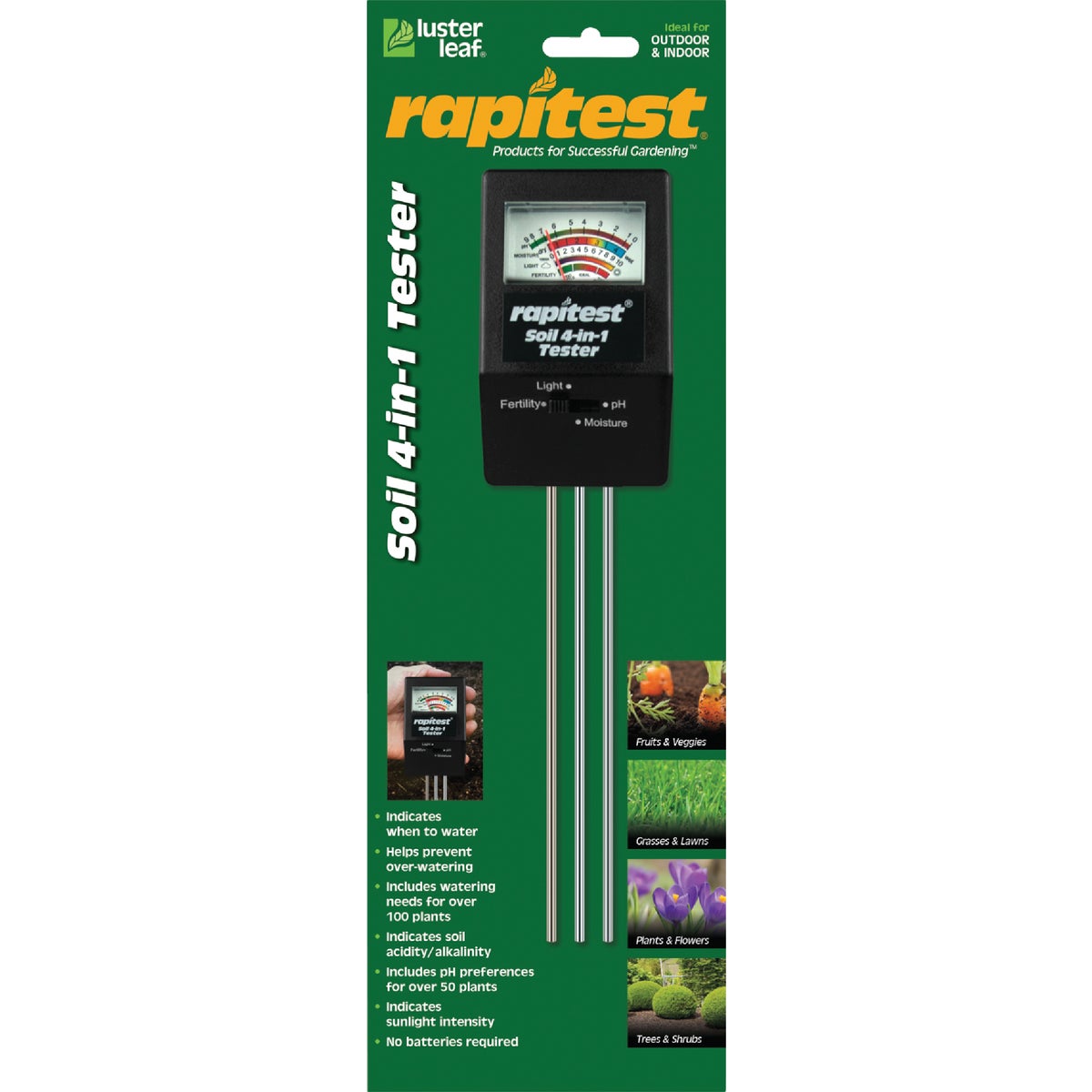
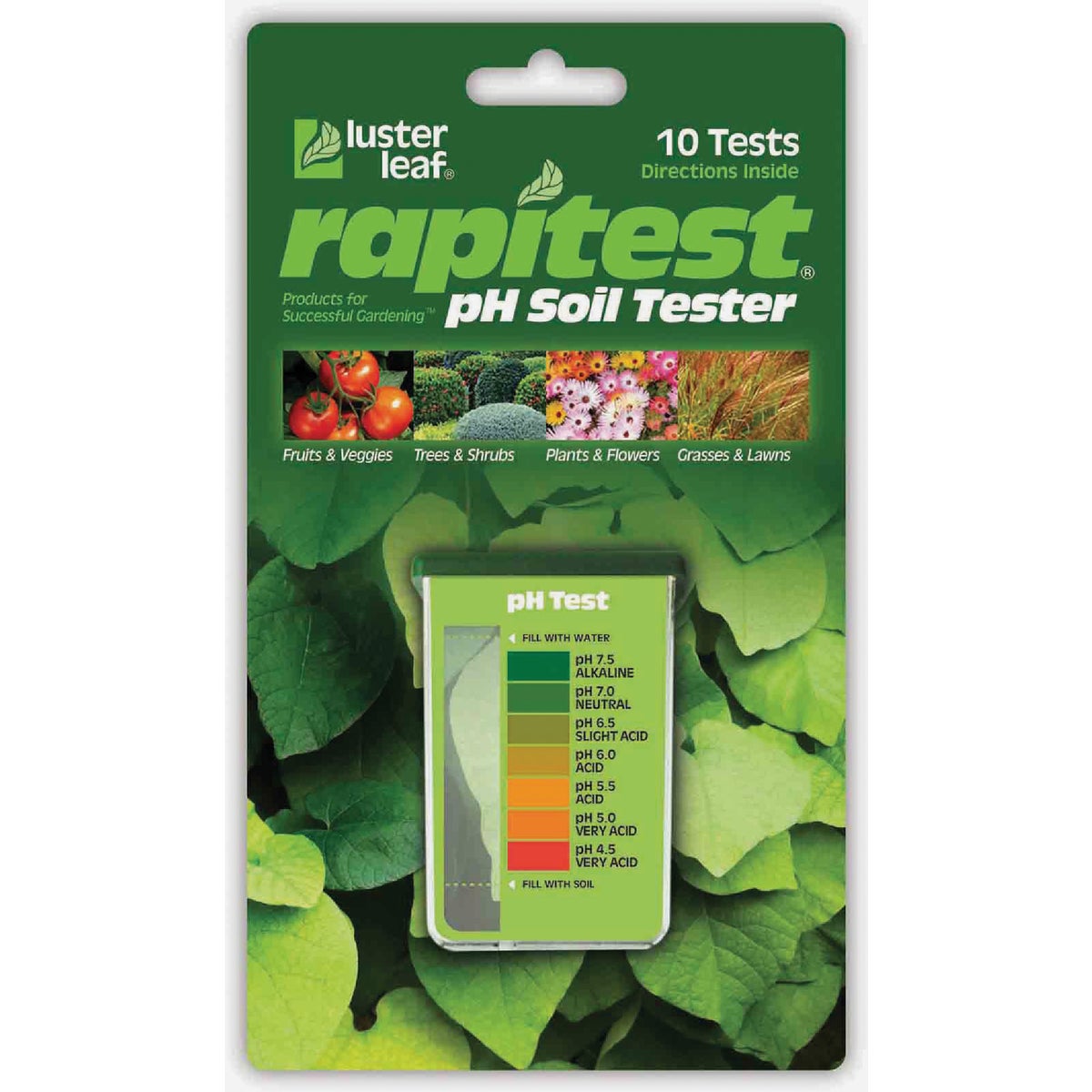
Test first. Southwest Florida sand tends alkaline, and above roughly pH 7 iron and manganese lock up chemically — the plant cannot take them up no matter how much fertilizer you apply. That single reading explains most of the "I fed it and nothing happened" cases, and a meter costs less than the fertilizer you would waste.
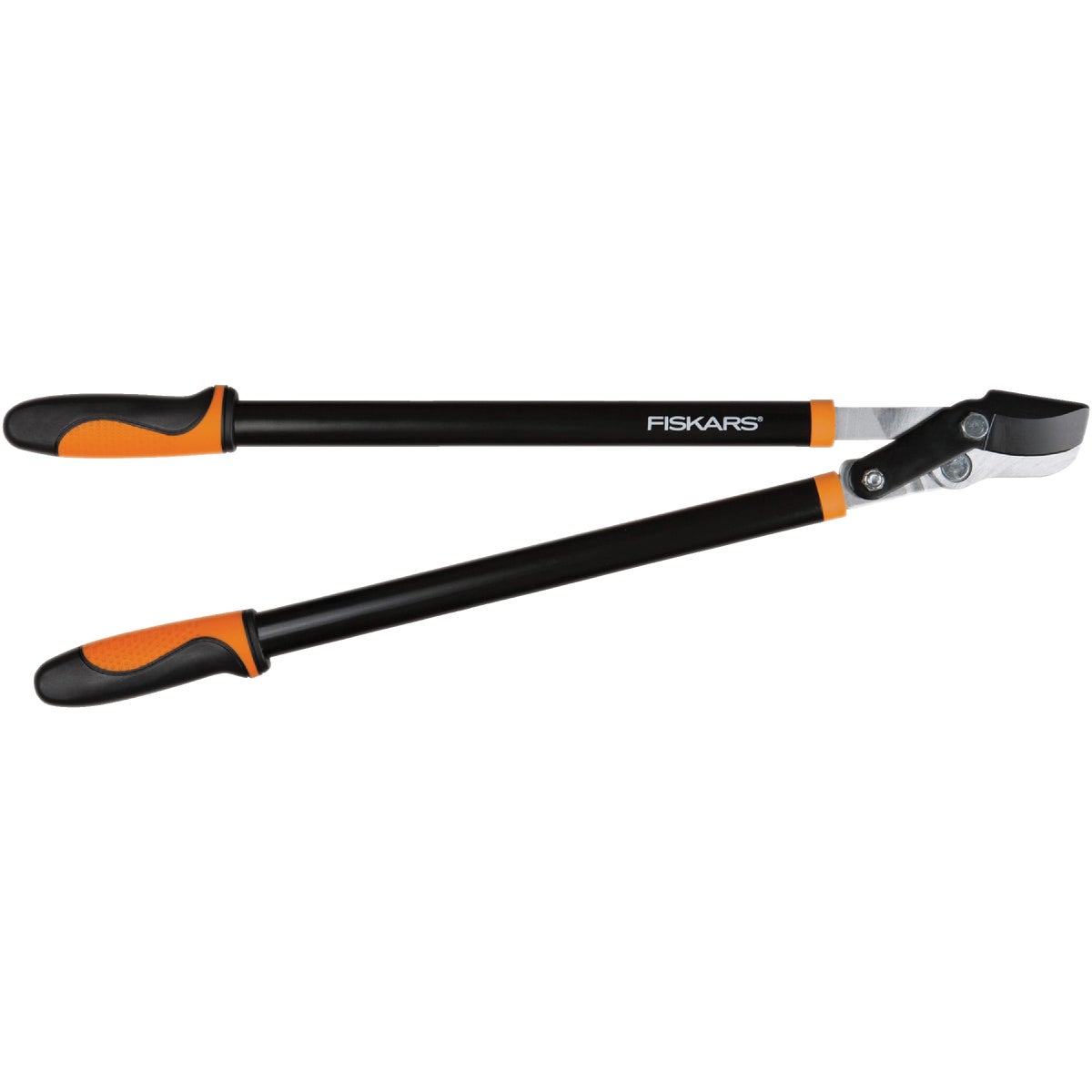
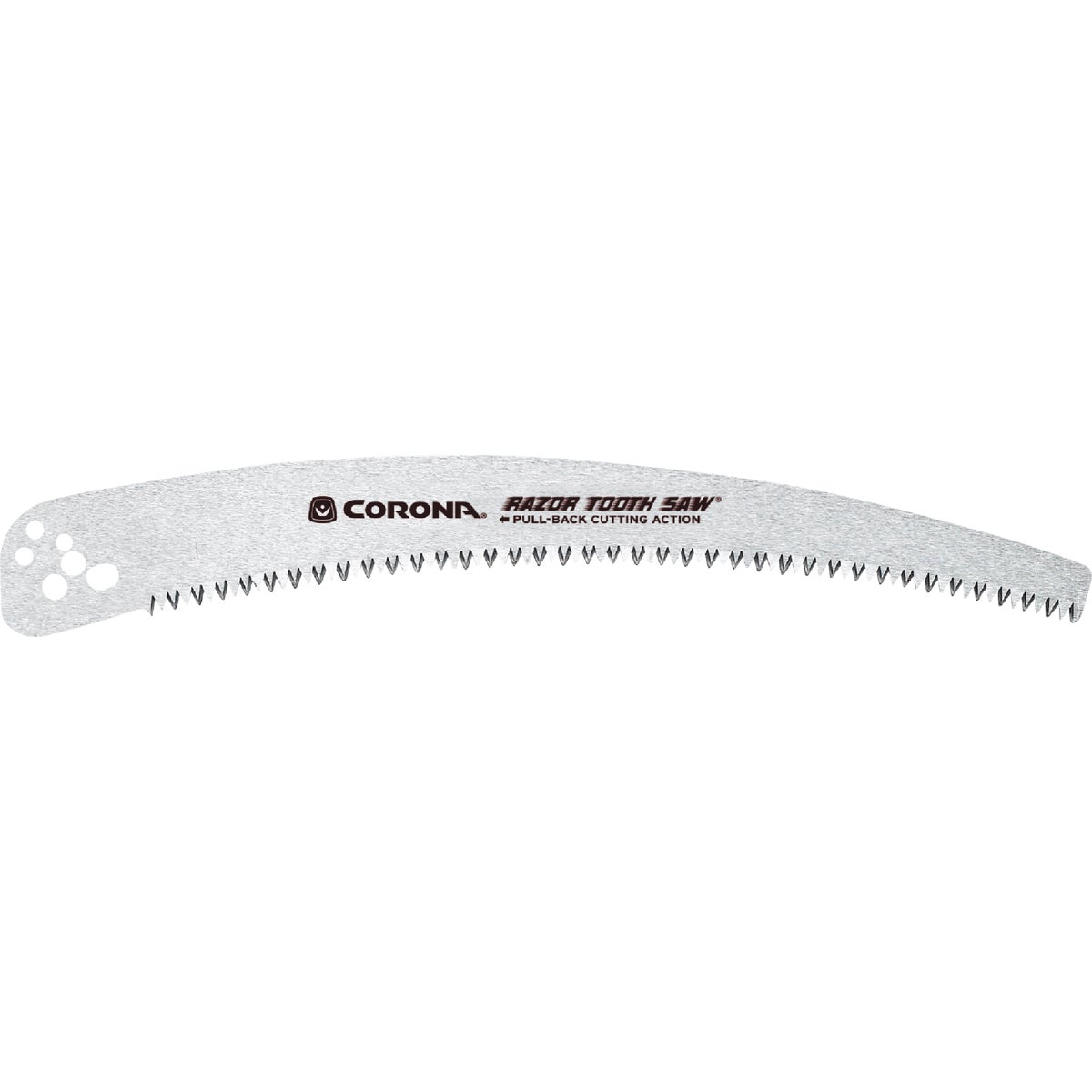
Pruning & Reach
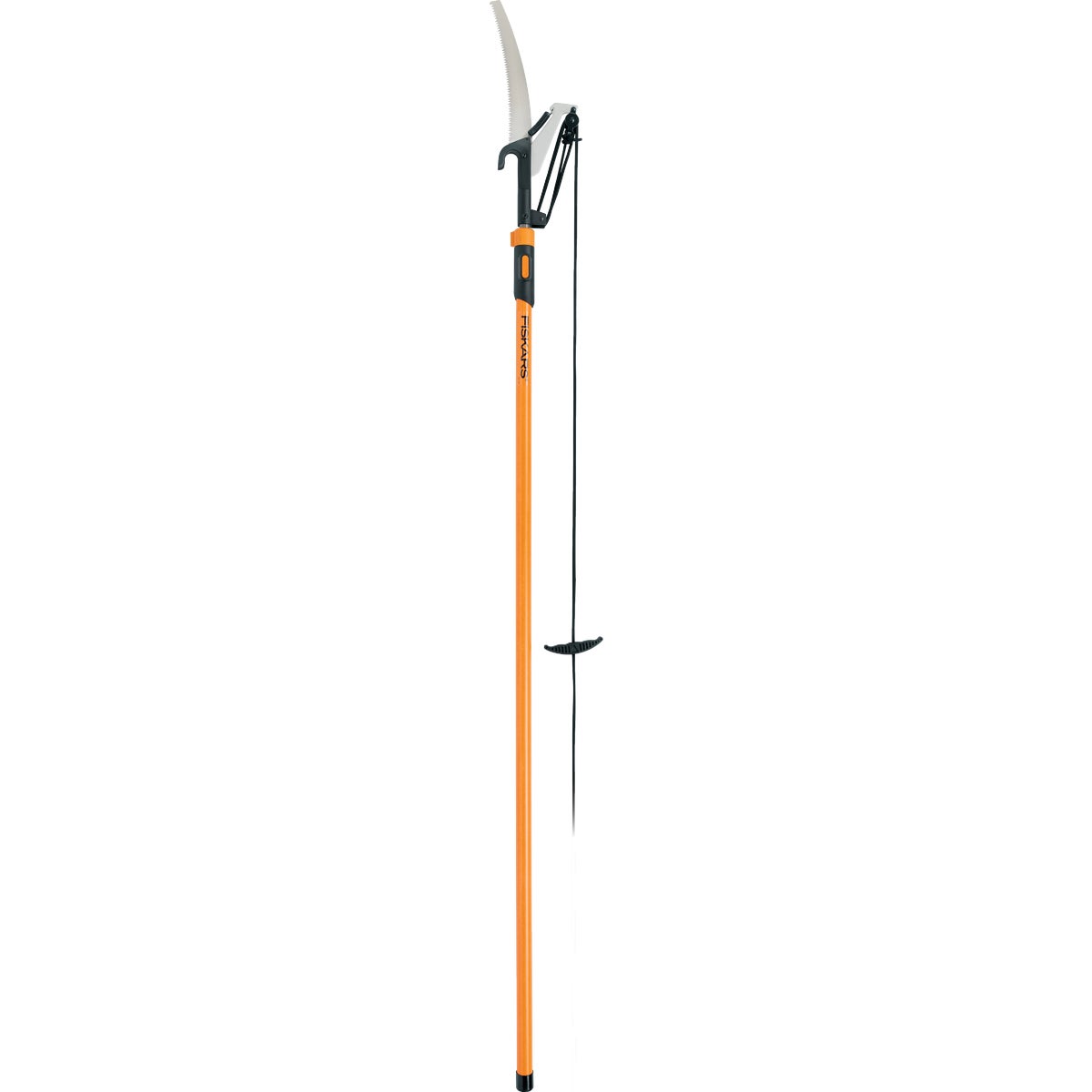
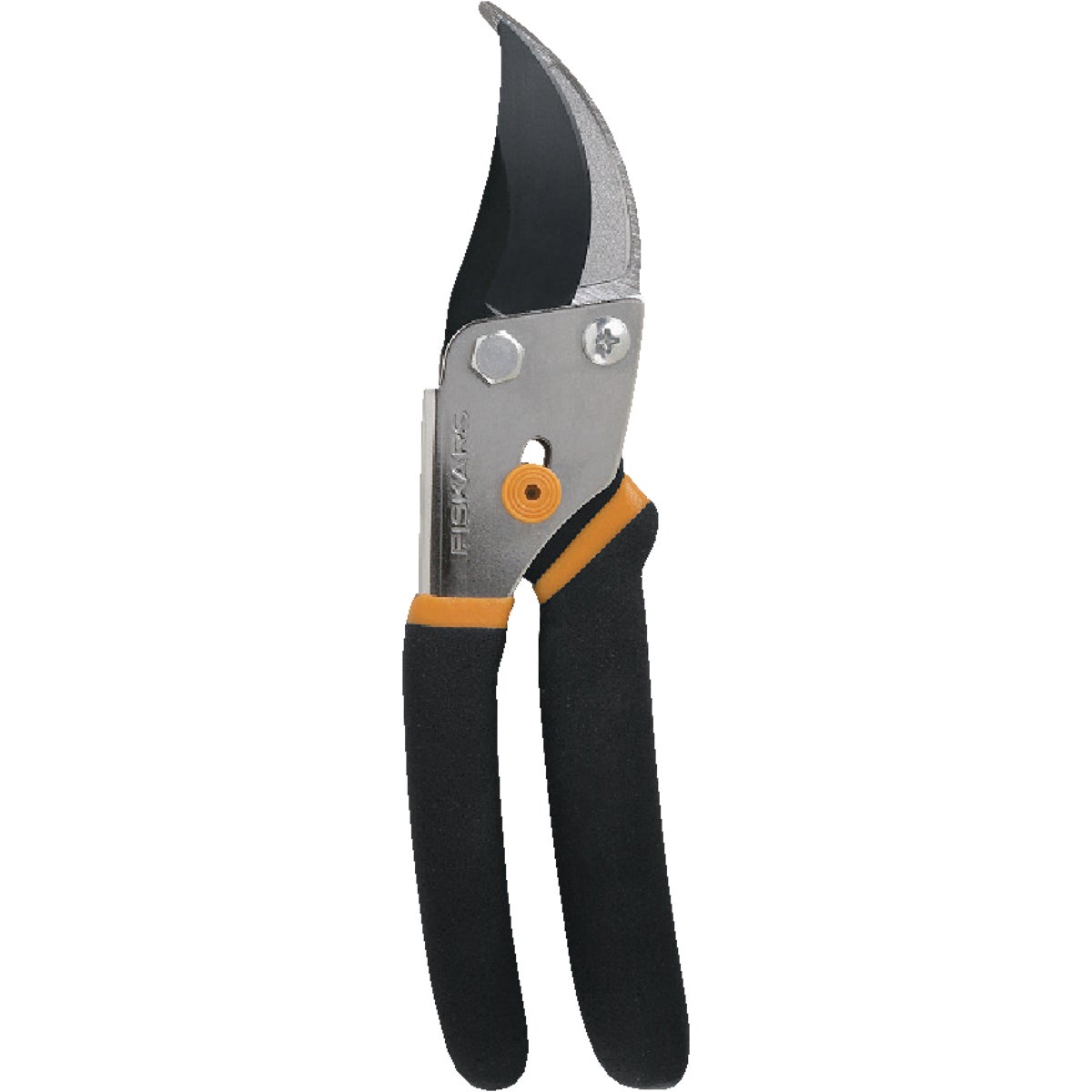
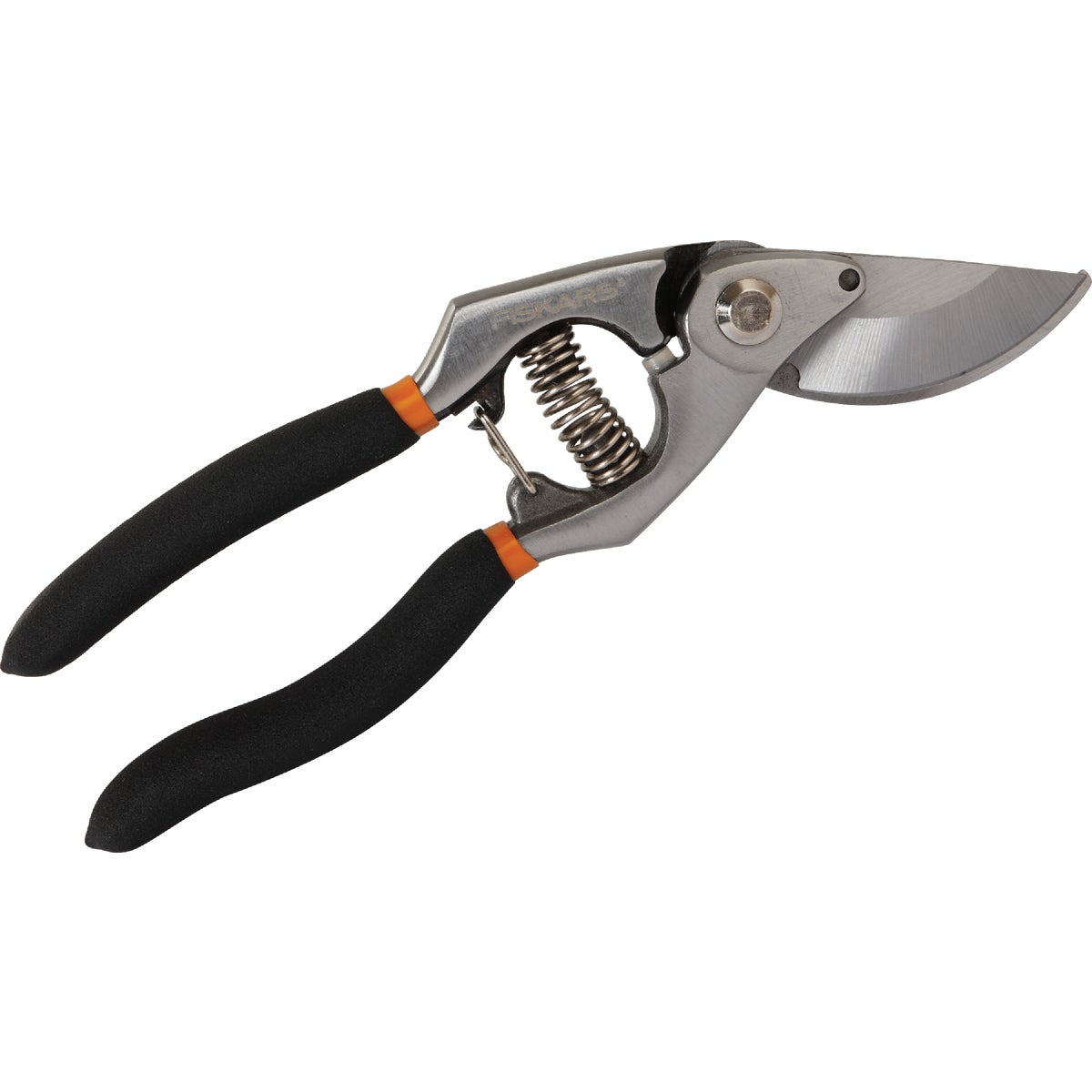
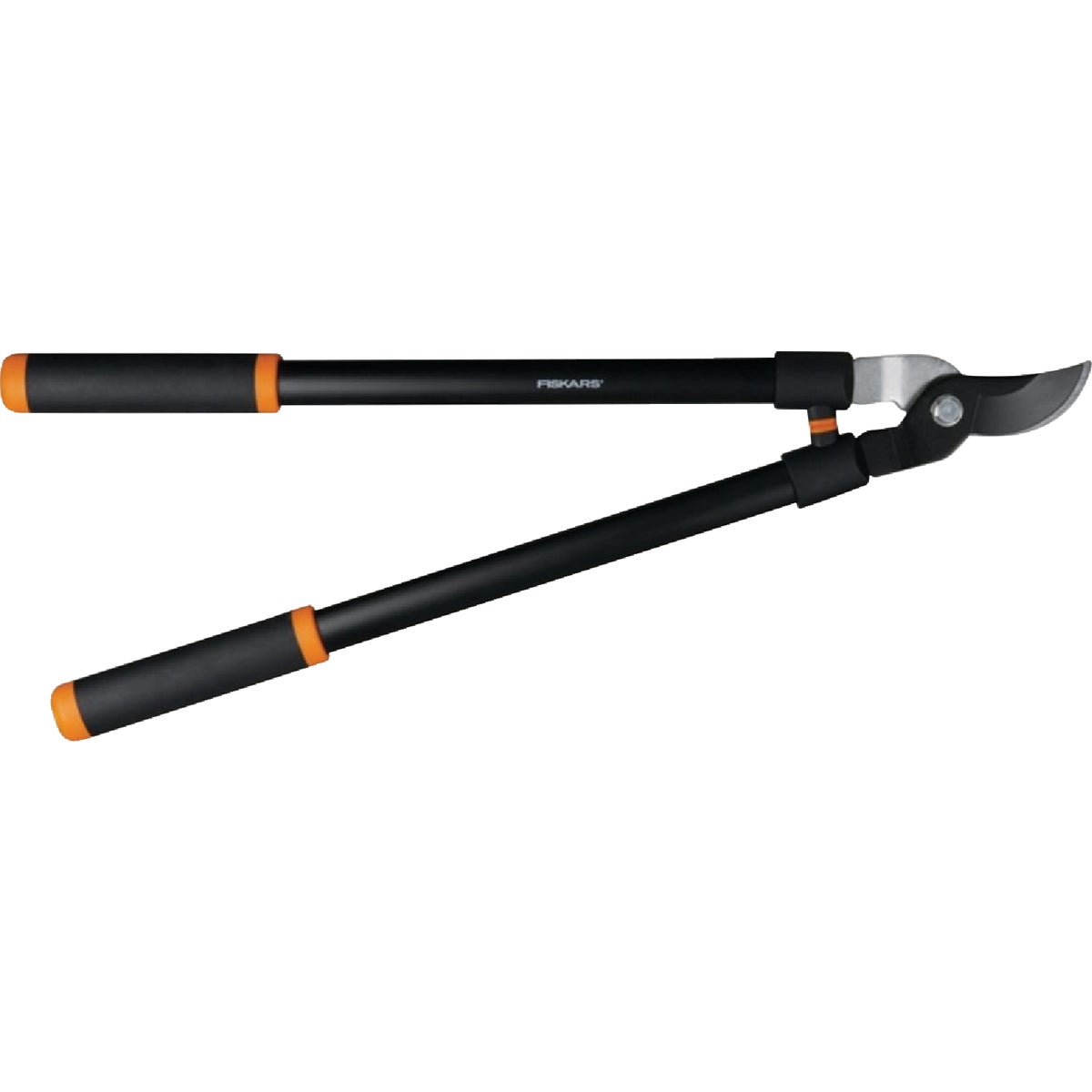
Growth here does not stop for winter, so pruning is a year-round job. One rule for palms specifically: do not over-trim. A palm feeds itself through green fronds, and cutting healthy ones off to make it look tidy weakens the tree — remove only fully brown fronds.
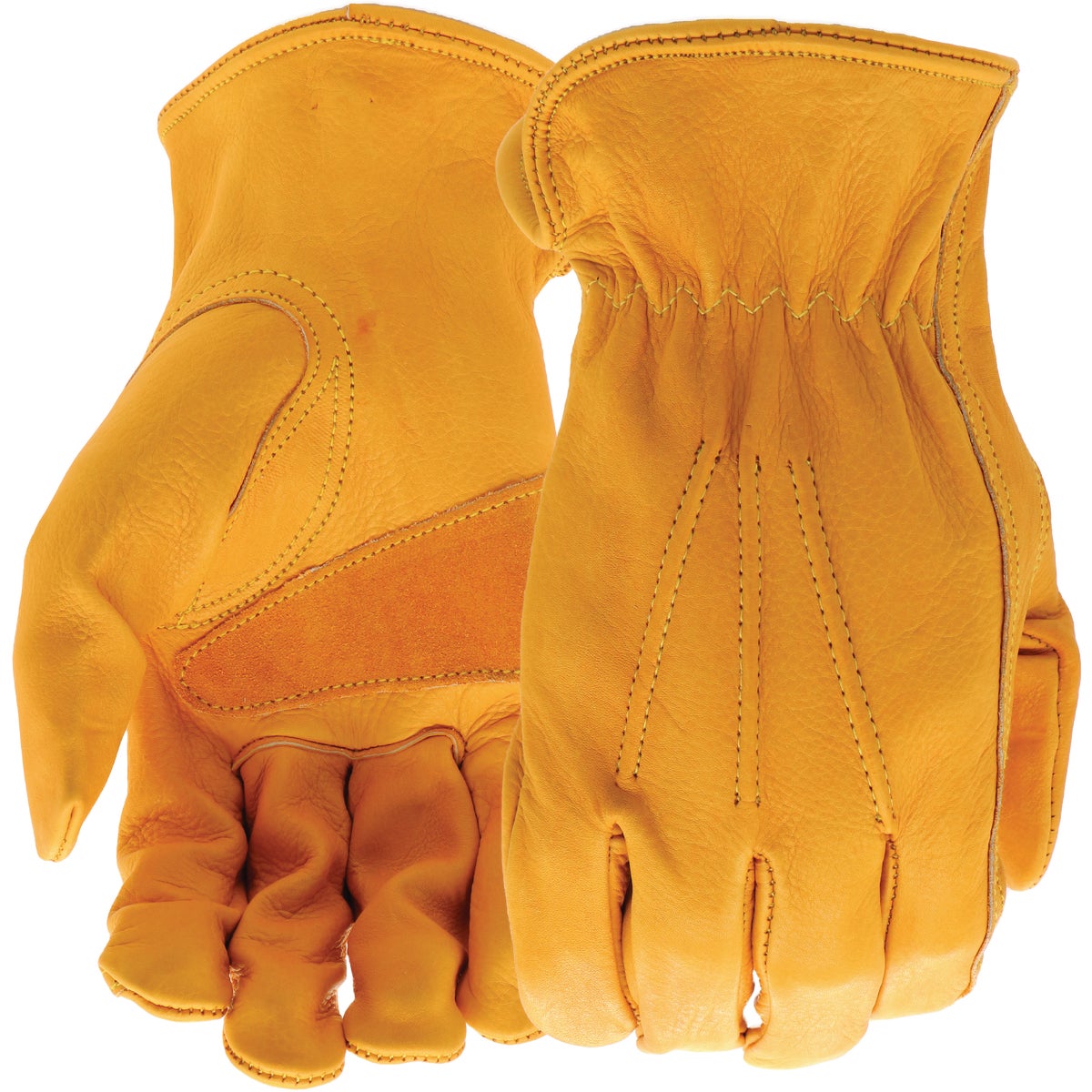
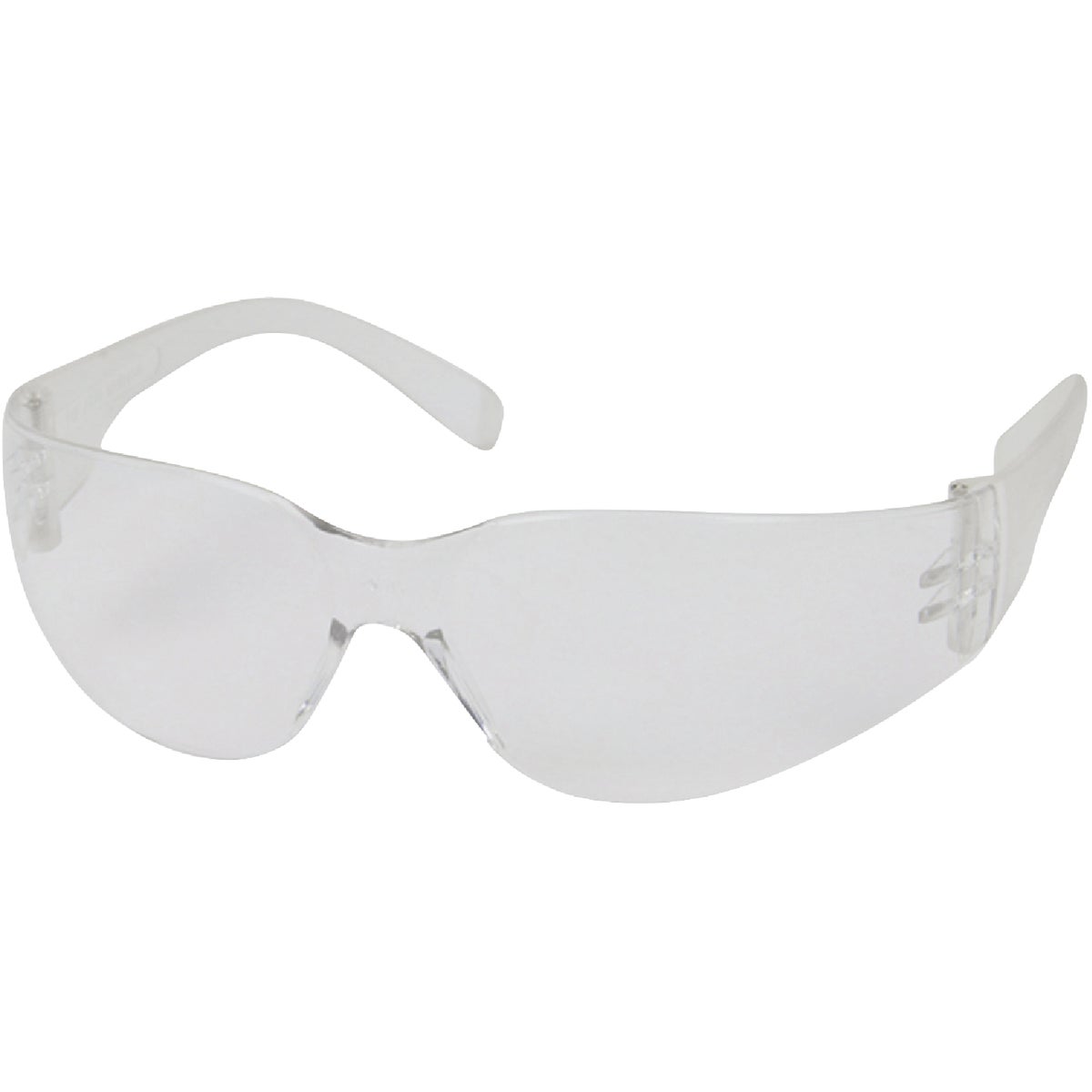
Gloves & Protection
Palm boots are sharp, sawn fronds fall heavier than they look, and fertilizer is not something to handle bare-handed.
How to Fix Yellowing Palm Fronds in Florida
This is the most common plant question we get at both counters, and the answer is almost never "water it more." Palms in Southwest Florida sand are mineral-starved, and the pattern of the yellowing tells you which mineral.
Read the pattern before you buy anything
Older, lower fronds yellowing from the tips inward while new growth stays green usually means magnesium. New fronds emerging small, yellowed and deformed — often called frizzle top — points to manganese. Overall pale color with thin growth is nitrogen or potassium. Watering problems look different: wilting and browning, not this even yellowing.
Test your soil pH
Southwest Florida sand and our limestone base tend alkaline. Above roughly pH 7, iron and manganese become chemically unavailable, so the palm cannot absorb them however much you apply. If pH is high, correcting it — or using a chelated micronutrient that stays available — matters more than adding more fertilizer.
Use palm fertilizer, not lawn fertilizer
This is the mistake that makes things worse. Lawn food is high-nitrogen and pushes fronds the palm has no minerals to build, deepening the deficiency. Use a palm-specific granular blend — an 8-2-12 style ratio with added magnesium and manganese — broadcast under the canopy out to the drip line, not against the trunk, and water it in. Three to four times a year, not once.
Add Epsom salt for the magnesium side
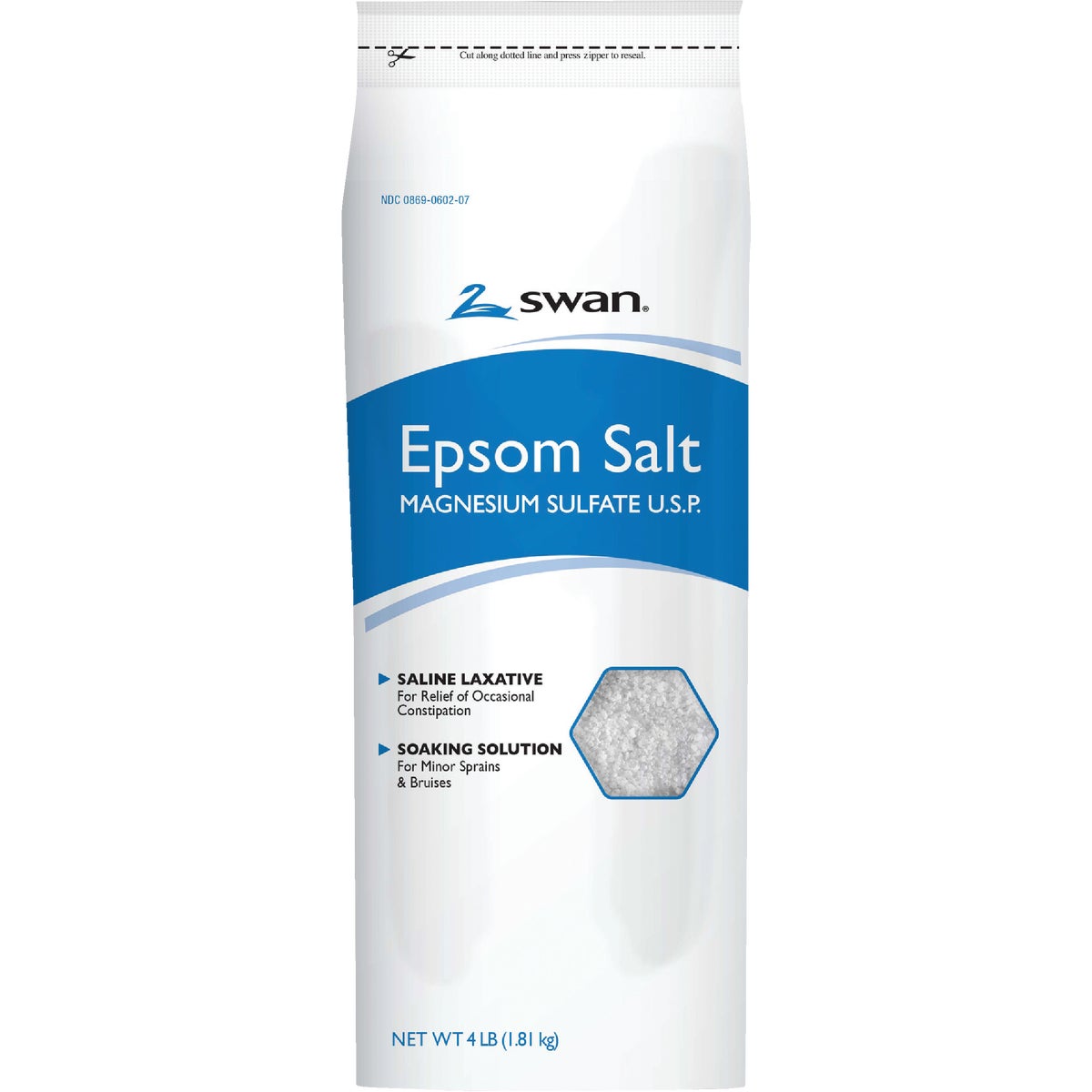
Magnesium sulfate is cheap and directly addresses the most common deficiency. Work a few cups into the root zone under the canopy two or three times a year alongside the palm fertilizer. Do not expect existing yellow fronds to turn green again — they will not. What you are buying is healthy new growth.
Stop trimming green fronds
A palm feeds itself through its green fronds, and cutting healthy ones off to make it look tidy starves it and worsens every deficiency above. Remove only fully brown fronds. Never cut into the crown, and never let anyone "hurricane cut" a palm — it is not storm protection and the tree can take years to recover.
Palm, Orchid & Tropical Plant Questions, Answered
Almost always a mineral deficiency, because Southwest Florida sand holds very few nutrients. If older lower fronds yellow from the tips inward while new growth stays green, that is typically magnesium. If new fronds emerge small, yellow and deformed, that is manganese — often called frizzle top. Overall pale, thin growth suggests nitrogen or potassium. Fix it with a palm-specific fertilizer plus Epsom salt for magnesium, and check soil pH, because above about 7 the palm cannot absorb iron or manganese at all.
A palm-specific granular blend with magnesium and manganese — look for something in the 8-2-12 range with micronutrients, and slow-release if you can get it, because soluble fertilizer washes straight through sand in the first heavy rain. Apply three to four times a year, broadcast under the canopy out to the drip line rather than piled against the trunk, and water it in. Do not use lawn fertilizer on palms: the high nitrogen forces growth the palm lacks the minerals to complete, which deepens the deficiency.
Yes, for one specific problem: magnesium deficiency, which is the most common cause of yellowing lower fronds here. Epsom salt is magnesium sulfate, so it addresses that directly. Work a few cups into the root zone under the canopy two or three times a year alongside a proper palm fertilizer. It is not a general tonic — it will not fix a manganese or potassium problem — and existing yellow fronds will not turn green again. What improves is the new growth.
Three to four times a year — roughly February or March, May or June, August, and October — is the common recommendation for Southwest Florida. Our sand does not hold nutrients and our rainy season leaches them out fast, so a single annual feeding is not enough here even though it might be elsewhere. Slow-release formulations stretch the interval and waste less.
No, and this is the most common way people kill an orchid. Orchids are epiphytes — in the wild they grow attached to tree bark with their roots exposed to air. Potting soil holds water tight against the roots and rots them, usually within a season. Use a coarse orchid bark mix that water runs straight through, let the roots dry between waterings, and feed weakly but often, because bark holds no nutrients of its own. Southwest Florida humidity actually makes this easy once the medium is right.
It matters more than almost anything else you can measure. Southwest Florida sand sits over limestone and tends alkaline. Above roughly pH 7, iron and manganese become chemically locked up and unavailable to roots — so a plant can be sitting in fertilizer and still show a deficiency. That is the explanation for most "I fed it and nothing happened" situations. Either lower the pH, use chelated micronutrients that stay available at high pH, or grow acid-loving plants in containers with an acidic mix instead of fighting the ground.
Fully brown fronds, yes — they are done and removing them tidies the tree without cost. Green or partly green fronds, no. A palm feeds itself through green tissue, and over-trimming starves it and worsens any existing deficiency. Never cut into the crown or the spear, and avoid so-called hurricane cuts, which strip a palm back severely, provide no real storm protection, and can set the tree back for years.
Bypass pruners have two blades that pass each other like scissors and cut cleanly — the wound closes and heals. Anvil pruners have one blade closing onto a flat surface, which crushes the stem as it cuts. For any living plant you want bypass. Anvil pruners are fine for deadwood, where crushing does no harm and the extra power helps.
That pattern — green veins with yellow between them — is classic micronutrient deficiency, usually iron, manganese or zinc, and in Florida it is usually caused or worsened by alkaline soil locking those nutrients up. Feed a citrus-specific fertilizer with micronutrients, check pH, and consider a chelated iron supplement if pH is high. It is not a watering problem, and more water will not help.
No — we are a hardware store, not a nursery, so no live plants, palms, orchids or trees. What we stock is everything you use on them: palm and citrus fertilizer, Epsom salt, orchid bark and orchid food, potting mixes, perlite and peat, soil test kits, pruners, loppers and pole saws. If you bought the plant somewhere else and it is not thriving, this is the aisle that fixes it.
Family Hardware carries palm-specific fertilizer, Epsom salt, citrus fertilizer and soil test kits at both stores. Cape Coral: 622 SE 47th Terrace — (239) 542-6365. Fort Myers: 13101 McGregor Blvd — (239) 933-1744. Open Mon–Sat 7 AM–6 PM and Sun 8 AM–3 PM. Bring a photo of the yellowing and the staff can usually tell you which deficiency you are looking at.
Related Guides
These overlap with this list more than you would expect — often the same shopper, and frequently the same aisle.
Pick It Up Today in Cape Coral or Fort Myers
Order online for free in-store pickup — usually ready within 2 hours — or just come in. Prices shown are our everyday shelf prices at both stores; stock on any single item is on its product page.
622 SE 47th Terrace, Cape Coral, FL 33904
Mon–Sat 7 AM–6 PM | Sun 8 AM–3 PM
Departments, services and directions for our Cape Coral store →
13101 McGregor Blvd, Fort Myers, FL 33919
Mon–Sat 7 AM–6 PM | Sun 8 AM–3 PM
Departments, services and directions for our Fort Myers store →
Free shipping on orders over $99 • Free in-store pickup • Online customer service: 877-755-2005
About Family Hardware
Store Locations
About Us
Hurricane Prep Guide
Hobby Supply Guides
Employment
Customer Service
Contact Us
Returns
Shipping & Tracking
Gift Card Balance
Rewards
Promotions
Credit Application
Tax Exempt Purchases
Terms of Service
Privacy Policy
Locations
Cape Coral
Fort Myers
All Store Locations
Grills
Grill Store — All Grills
Alfa Pizza Ovens
Big Green Egg
Napoleon
Challenger Designs
Delta Heat
Tagwood BBQ
Twin Eagles
Replacement Parts
Warranty
Services
All Services
Saw Blade Sharpening
Saw Blade Shop
Key Cutting
Screen Repair
Propane Exchange
Lamp Repair
Key Fob Batteries
Freud
Lamello P-System
Popular Tools Saw Blades
Diablo
Tenryu
© 2026 Family Hardware. Family Hardware and the Family Hardware logo are registered trademarks of Family Hardware Corporation. All rights reserved.