
Sod webworms
Lawn-moth caterpillars — the tropical sod webworm is the Florida one — that chew grass blades at night and hide in silk tunnels in the thatch by day.
What to look for
Ragged, chewed blades and small brown patches that grow; little tan moths flying up when you mow or walk the lawn at dusk.
The plan, step by step
- 1
Set up the treatment
Mow and bag the clippings, then water lightly late in the afternoon to bring the larvae up toward the surface.
- 2
Treat
Broadcast Hi-Yield Turf Ranger II or Bug Blaster II Granules and water in; Ferti-lome Spinosad or Caterpillar Killer (Bt) are softer options for small areas.
What we stock for this
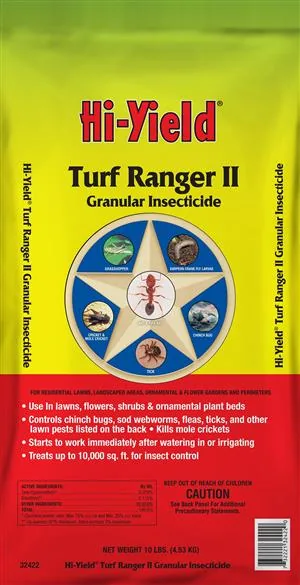
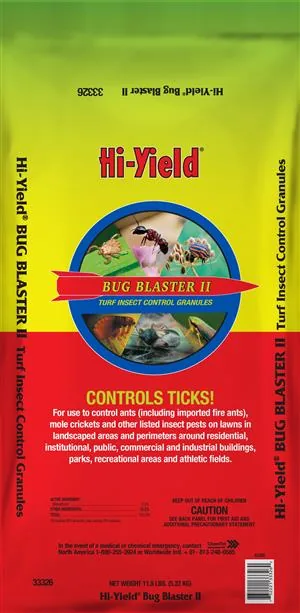
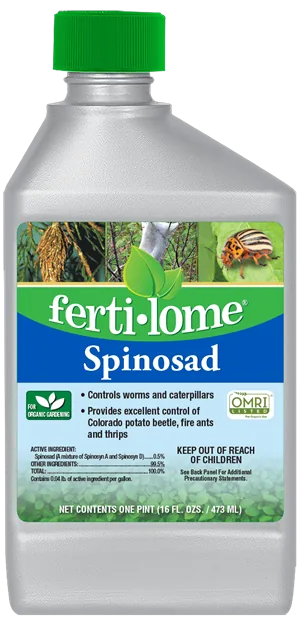
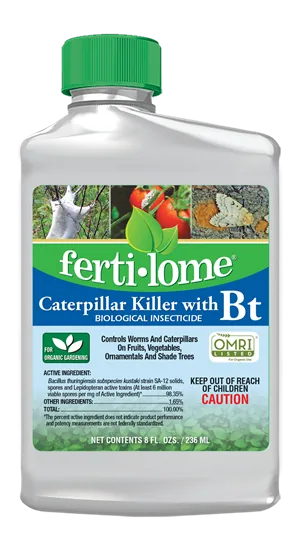
Also recommended by VPG — ask us to order
- Hi-Yield Bug Blaster Plus Granules
- Hi-Yield 38 Plus
More insects
All problemsAphids
Small, soft, pear-shaped sap feeders in green, yellow, red, gray or black. They can go from newborn to breeding in about 8 days, so a few become a colony fast.
7 products in stock: Triple Action, Triple Action Plus RTU, Tree & Shrub Drench…How to fix itArmyworms in the lawn
Moth larvae that eat grass blades around the clock and can strip a lawn in a few days. Largely a Southern pest, especially on bermudagrass — and a fall regular on Florida St. Augustine.
6 products in stock: Bug Blaster II Granules, Spinosad, Spinosad Soap RTS…How to fix itChinch bugs
Rice-grain-sized bugs that suck the sap out of grass until it withers. In the South they prefer St. Augustine, and there can be three or more generations a year.
6 products in stock: Turf Ranger II, Grub Free Zone III, Grub Free Zone…How to fix it